
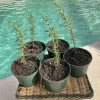
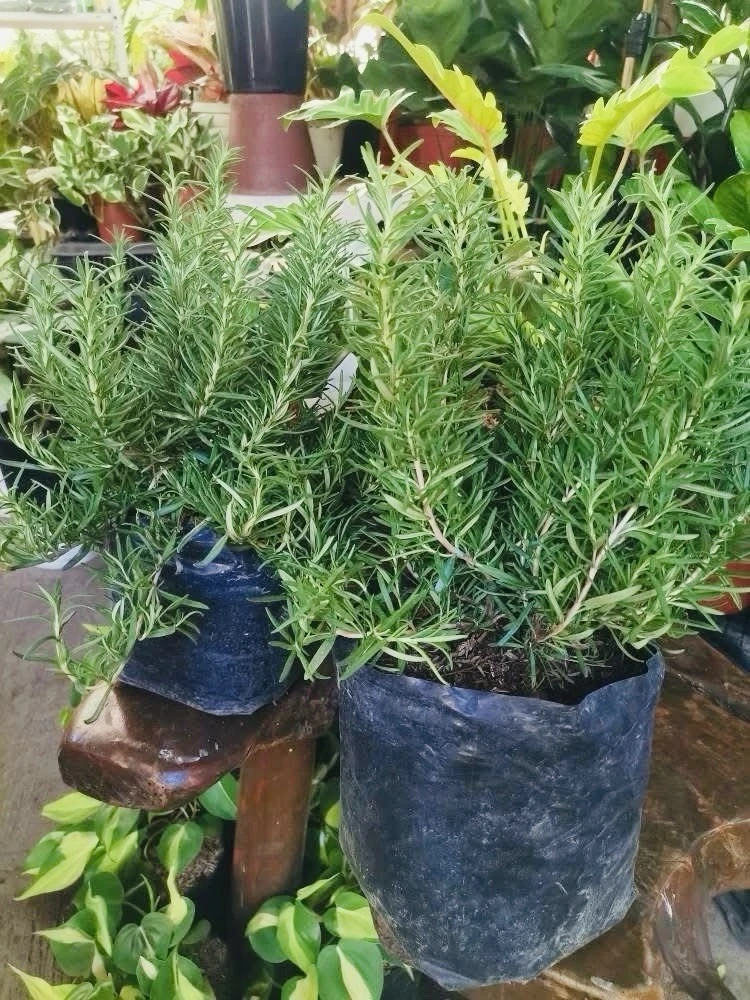
Rosemary Live Plant – Aromatic Culinary Herb – Outdoor & Indoor
Original price was: $43.99.$23.99Current price is: $23.99.
Bring the delightful fragrance and flavor of fresh rosemary into your home or garden with this rosemary live plant. Perfect for culinary use and adding beauty to any space. Easy to grow and maintain.
Estimated arrival
Oct 27
Nov 01 - Nov 03
Nov 06 - Nov 10
Shop With Confidence
30-Day Plant Health Guarantee
Arrives damaged? We’ll replace it free — see our return policy.
Responsive Support
Email us anytime, we reply within 1 business day.
Expert Packaging
Temperature-controlled shipping to protect your plants in transit.
Secure Checkout
Pay safely with Visa, Mastercard, PayPal.
Plant Specifications
-
USDA Hardiness Zone
USDA zones 7-10 -
Soil Type
Well-draining, sandy loam -
Sunlight Exposure
Full sun -
Expected Planting Period
Year-round indoors, spring to early summer outdoors
Overview
Discover the versatile charm of a rosemary live plant, a beloved herb renowned for its distinctive fragrance and robust flavor. This evergreen shrub, scientifically known as Rosmarinus officinalis, is a staple in Mediterranean cuisine and an attractive addition to any garden or indoor space. Our rosemary live plant arrives ready to thrive, offering you fresh sprigs for cooking, aromatherapy, or simply enjoying its natural beauty. Whether you’re an experienced gardener or just starting, growing rosemary is a rewarding experience that enriches your home with its vibrant presence and culinary potential.
Rosemary is celebrated not only for its culinary applications but also for its ornamental value. Its needle-like leaves and delicate blue flowers create an appealing texture, making it suitable for herb gardens, mixed borders, or even as a standalone potted plant. This aromatic herb is surprisingly resilient and can adapt to various environments, provided its basic needs are met. Its pleasant scent is known to have calming effects, making it a wonderful plant to have close by.
Key Benefits
Adding a rosemary live plant to your collection offers a multitude of benefits, from enhancing your cooking to improving your living environment. This plant is more than just an herb; it’s a sensory delight and a practical addition to your home.
- Fresh Culinary Ingredient: Enjoy fresh rosemary year-round for cooking. Its strong, piney flavor is perfect for roasting meats, vegetables, and infusing oils. Having a fresh supply means no more relying on dried herbs.
- Aromatic Fragrance: The distinctive aroma of rosemary is known for its invigorating and clarifying properties. It can naturally freshen your home and is often used in aromatherapy for stress relief and focus.
- Ornamental Appeal: With its textured, evergreen foliage and occasional delicate blue flowers, the rosemary live plant is a beautiful addition to any garden, patio, or windowsill, providing year-round visual interest.
- Low Maintenance: Rosemary is a relatively hardy and drought-tolerant plant once established, making rosemary plant care straightforward for gardeners of all levels. It thrives on neglect rather than over-attentiveness.
- Pest Deterrent: The strong scent of rosemary can help deter certain garden pests, making it a beneficial companion plant for vegetables and other herbs.
- Health Benefits: Rich in antioxidants and anti-inflammatory compounds, rosemary has been traditionally used for various health purposes, including improving digestion and memory.
- Versatile Growth: Suitable for both indoor and outdoor cultivation, it can be grown in pots, garden beds, or even shaped into topiaries, offering flexibility in how you incorporate this culinary herb into your space.
Plant Care & Growing Tips
Proper rosemary plant care ensures a healthy, vigorous plant that provides abundant aromatic foliage. Rosemary thrives in conditions that mimic its native Mediterranean climate, meaning plenty of sun and well-draining soil are crucial for success. It’s an excellent choice for those interested in growing rosemary as part of their herb garden.
For sunlight, rosemary requires at least 6-8 hours of direct sunlight per day. If grown indoors, place it in your brightest south-facing window. Outdoors, choose a sunny spot away from competing plants that might cast shade. When it comes to watering, less is often more. Allow the soil to dry out completely between waterings to prevent root rot, which is a common issue for rosemary. Overwatering is the quickest way to kill this plant. In terms of soil, rosemary prefers a well-draining, sandy loam with a pH between 6.0 and 7.0. Incorporating perlite or coarse sand into your potting mix or garden soil can significantly improve drainage. USDA hardiness zones typically range from 7 to 10 for outdoor planting, but it can be grown as an annual or overwintered indoors in colder climates.
Fertilization is generally not heavily required for rosemary. A light application of a balanced, all-purpose fertilizer in spring can encourage new growth, but avoid over-fertilizing, as this can lead to leggy growth and reduced flavor. Pruning is essential to maintain shape, encourage bushier growth, and harvest the leaves. Trim back about one-third of the plant after it finishes flowering or as needed for culinary use. Watch out for common problems like powdery mildew in humid conditions or spider mites if indoor air is too dry. Good air circulation and proper watering practices are your best defense against these issues, ensuring your rosemary live plant remains robust.
Size & Details
Your rosemary live plant will arrive as a healthy, established specimen, ready for immediate planting or transplanting. While exact dimensions may vary slightly depending on the specific variety and growing conditions, our plants are typically shipped in a nursery pot, ensuring a strong root system. The plant will generally stand between 4 to 8 inches tall upon arrival, providing a substantial start to your herb garden. Rosemary plants can grow quite large over time, reaching heights of 2 to 6 feet and spreading 2 to 4 feet wide if planted in the ground in suitable climates. However, they are easily maintained at a smaller, more manageable size through regular pruning, especially when grown in containers.
The growth rate of rosemary is moderate, allowing you to enjoy fresh sprigs relatively quickly. It’s often shipped as a young potted plant, ensuring minimal transplant shock and providing a robust foundation for continued growth. This aromatic plant will develop into a beautiful, fragrant shrub, perfect for continuous harvesting for your favorite recipes or simply for its delightful scent. Expect your plant to establish itself quickly and begin producing new growth shortly after planting, making growing rosemary a satisfying endeavor.
Frequently Asked Questions
- Q: How big does this rosemary live plant get? A: If planted in the ground in ideal conditions, a rosemary plant can grow 2 to 6 feet tall and wide. When grown in a pot, its size can be controlled through regular pruning, making it suitable for smaller spaces like windowsills or patios.
- Q: Is this an indoor or outdoor plant? A: Rosemary can thrive both indoors and outdoors. It requires plenty of sunlight, so if grown indoors, ensure it receives at least 6-8 hours of direct light daily from a south-facing window. Outdoors, it prefers full sun.
- Q: How much sunlight does it need? A: Your rosemary live plant needs a minimum of 6-8 hours of direct sunlight per day to grow healthily and produce the most flavorful leaves. Less light will result in leggy growth and a weaker plant.
- Q: Is this plant easy to care for? A: Yes, rosemary is generally considered easy to care for, especially once established. It’s quite drought-tolerant and prefers to be on the drier side. The most common mistake is overwatering, so ensure excellent drainage.
- Q: What condition will it arrive in? A: Your rosemary live plant will arrive carefully packaged in a nursery pot, with its root system intact and soil protected. It will be a healthy, young plant ready for transplanting or to be placed in its new home.
- Q: Can I use this rosemary for cooking? A: Absolutely! This is a culinary variety of rosemary, perfect for adding its distinctive flavor to your cooking. Harvest the fresh sprigs as needed for roasting, grilling, or seasoning various dishes.
- Q: When is the best time to plant rosemary? A: For outdoor planting, spring after the last frost is ideal. If growing indoors, you can plant your rosemary live plant at any time of the year, provided it receives adequate light.
- Q: Will it survive winter in my zone? A: Rosemary is hardy in USDA zones 7-10. In colder zones, it can be grown as an annual or brought indoors for the winter to protect it from freezing temperatures, making rosemary plant care seasonal.
- Q: What type of soil does rosemary prefer? A: Rosemary prefers well-draining, sandy or gravelly soil. A good quality potting mix amended with perlite or sand works well for container growing. Avoid heavy, clay-rich soils that retain too much moisture.
- Q: How often should I water my rosemary plant? A: Water thoroughly when the top inch or two of soil feels dry to the touch. Then, allow the soil to dry out completely before watering again. Overwatering is detrimental to the health of your aromatic plant.
Be the first to review “Rosemary Live Plant – Aromatic Culinary Herb – Outdoor & Indoor”
People Also Viewed


Reviews
There are no reviews yet.