
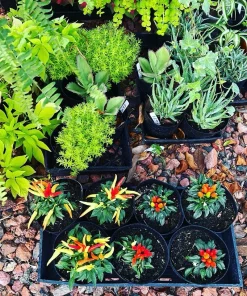
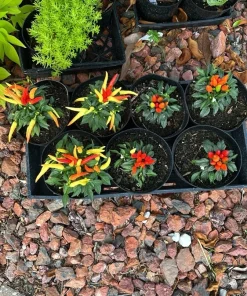
Organic Pepper Live Plant – Vegetable Plant for Home Gardens
Original price was: $43.99.$23.99Current price is: $23.99.
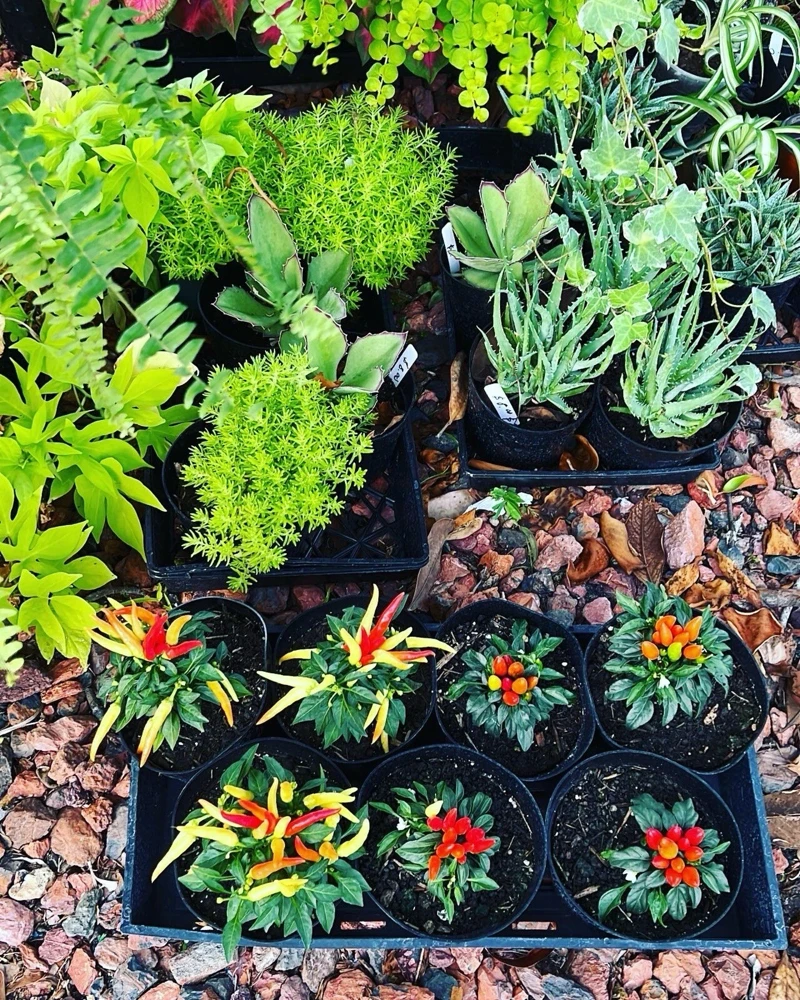
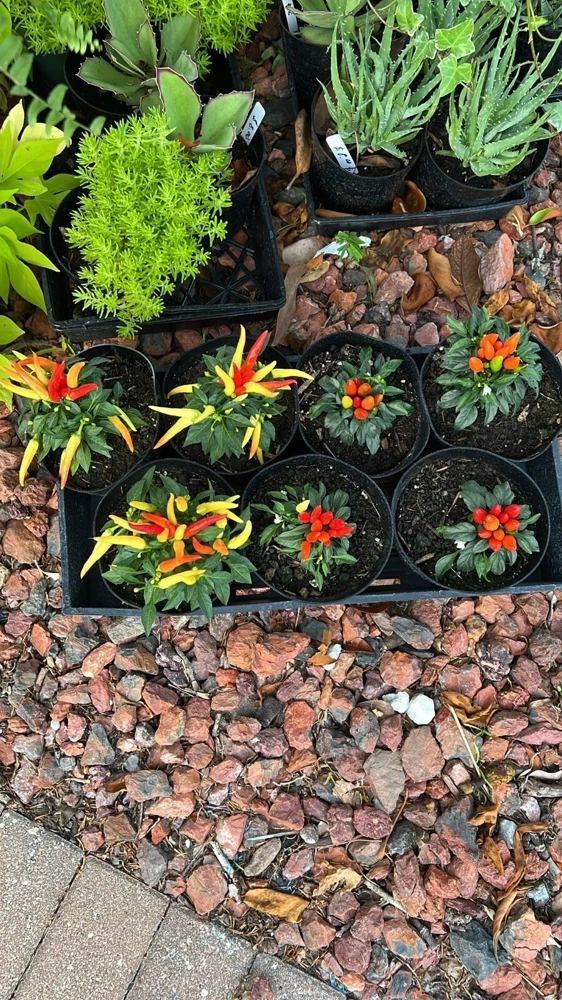
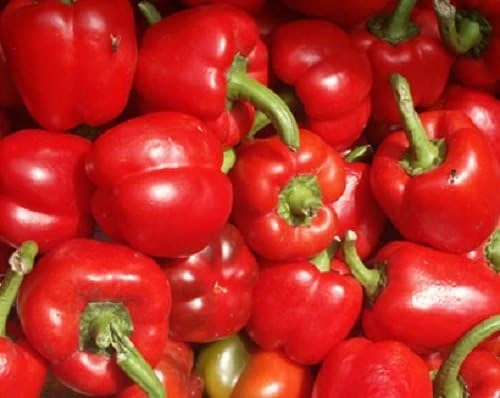
Cultivate your own delicious and healthy peppers with this organic pepper live plant. Ideal for home gardeners seeking fresh, homegrown produce. This robust vegetable plant is ready to thrive in your garden or a large container, providing a continuous harvest of flavorful peppers.
Estimated arrival
Oct 27
Nov 01 - Nov 03
Nov 06 - Nov 10
Shop With Confidence
30-Day Plant Health Guarantee
Arrives damaged? We’ll replace it free — see our return policy.
Responsive Support
Email us anytime, we reply within 1 business day.
Expert Packaging
Temperature-controlled shipping to protect your plants in transit.
Secure Checkout
Pay safely with Visa, Mastercard, PayPal.
Plant Specifications
-
USDA Hardiness Zone
USDA zones 3-11 (as annuals), 9-11 (perennial) -
Soil Type
Well-draining, fertile soil rich in organic matter -
Sunlight Exposure
Full sun (6-8+ hours direct sunlight) -
Expected Planting Period
Spring to early summer (after last frost)
Overview
Embark on a rewarding gardening journey with our premium organic pepper live plant. This robust and healthy plant is ready to be transplanted into your garden or a spacious container, offering the incredible satisfaction of growing your own fresh, organic peppers. Imagine plucking vibrant, flavorful peppers directly from your backyard for all your culinary creations! Our organic pepper live plant is carefully cultivated to ensure strong growth and abundant yields, making it an excellent choice for both novice and experienced gardeners. Enjoy the superior taste and nutritional benefits that come from homegrown produce, free from synthetic pesticides and fertilizers. This live plant provides a head start over seeds, allowing you to enjoy a harvest sooner and experience the full growth cycle of a productive pepper plant.
Whether you dream of zesty jalapeños, sweet bell peppers, or fiery habaneros, a live pepper plant offers versatility and a continuous supply. This specific offering focuses on providing a healthy, established plant that will quickly settle into its new environment and begin producing. It’s an investment in your health, your kitchen, and the joy of sustainable living. The vibrant green foliage and eventual colorful fruit will also add an aesthetic appeal to your garden space, making it a functional and beautiful addition.
Key Benefits
Growing your own organic pepper live plant comes with a multitude of advantages, enhancing both your diet and your gardening experience. These plants are not only productive but also contribute to a healthier lifestyle and a more vibrant garden.
- Fresh, Organic Produce: Enjoy peppers that are truly organic, grown without harmful chemicals, ensuring a healthier and more flavorful harvest for your family. This means you get to control exactly what goes into your food.
- Superior Flavor: Homegrown peppers often boast a richer, more intense flavor compared to store-bought varieties, elevating your cooking to new heights. The difference in taste is often remarkable.
- Cost-Effective & Sustainable: Reduce your grocery bill and your carbon footprint by growing your own vegetables. A single organic pepper live plant can produce many peppers throughout the season.
- Rewarding Gardening Experience: Witnessing the growth from a small plant to a fruit-bearing bush is incredibly satisfying and a great way to connect with nature. It’s a therapeutic and educational hobby.
- Versatile Culinary Uses: Peppers are incredibly versatile, perfect for salads, stir-fries, grilling, stuffing, and making sauces. Having them fresh on hand inspires culinary creativity.
- Nutrient-Rich: Peppers are packed with vitamins (especially Vitamin C), antioxidants, and minerals, contributing to a healthy diet. Freshly picked vegetables retain more of their nutritional value.
- Attractive Garden Addition: The lush green foliage and bright, developing peppers add a beautiful, vibrant touch to any garden or patio space. They can be quite ornamental.
Plant Care & Growing Tips
To ensure your organic pepper live plant thrives and provides an abundant harvest, proper care is essential. Peppers generally prefer warm climates and consistent attention to their needs. Start by choosing a location that receives ample sunlight.
Sunlight Requirements: Pepper plants are sun-loving and require at least 6-8 hours of direct sunlight per day for optimal growth and fruit production. In hotter climates, some afternoon shade can prevent scorching. If growing indoors, ensure it’s placed near a south-facing window or under grow lights. Rotate the plant regularly to ensure even growth. For outdoor planting, select a spot that is not overshadowed by larger plants or structures throughout the day.
Watering Schedule & Soil Moisture: Consistent watering is crucial for healthy pepper plants. Keep the soil consistently moist but never waterlogged. Water deeply when the top inch of soil feels dry to the touch. Avoid overhead watering to prevent fungal diseases; instead, water at the base of the plant. During hot spells or when fruits are developing, watering frequency may need to increase. Insufficient water can lead to blossom end rot or stunted growth, while overwatering can cause root rot. A good practice is to check the soil moisture daily during peak growing season.
Soil Type & Drainage: Peppers prefer well-draining, fertile soil rich in organic matter. A slightly acidic to neutral pH (6.0-7.0) is ideal. Amend heavy clay soils with compost and perlite to improve drainage and aeration. For container planting, use a high-quality potting mix formulated for vegetables. Good drainage is paramount to prevent waterlogging, which can quickly kill a pepper plant. Ensuring proper soil conditions will greatly contribute to a healthy grow organic peppers experience.
Temperature Range & USDA Hardiness Zone: Pepper plants are warm-season crops and are sensitive to frost. They thrive in temperatures between 65°F and 80°F (18°C-27°C). Protect plants from temperatures below 50°F (10°C) and above 90°F (32°C). In most regions, they are grown as annuals. If you live in a region with a short growing season, starting plants indoors before the last frost is recommended. The typical USDA Hardiness Zone for growing peppers as annuals is 3-11, though they can be perennial in zones 9-11 if protected from frost. Understanding your local climate is key to successful cultivation.
Fertilization Schedule & Type: Feed your pepper plant care with a balanced organic fertilizer when transplanting. Once flowers appear, switch to a fertilizer higher in phosphorus and potassium to encourage fruit development. Follow the product instructions for application rates and frequency. Avoid excessive nitrogen, which can lead to lush foliage but fewer fruits. Organic compost and worm castings can also provide a steady supply of nutrients, enriching the soil over time. Regular feeding supports continuous production.
Common Problems & Solutions: Watch out for common pests like aphids and spider mites, which can be managed with organic insecticidal soap or neem oil. Fungal diseases such as powdery mildew can be prevented by ensuring good air circulation and avoiding overhead watering. Blossom end rot, characterized by dark, sunken spots on the bottom of the fruit, is often caused by inconsistent watering and calcium deficiency; ensure consistent moisture and consider a calcium supplement if necessary. Early detection and intervention are key to maintaining a healthy organic vegetable plant.
Size & Details
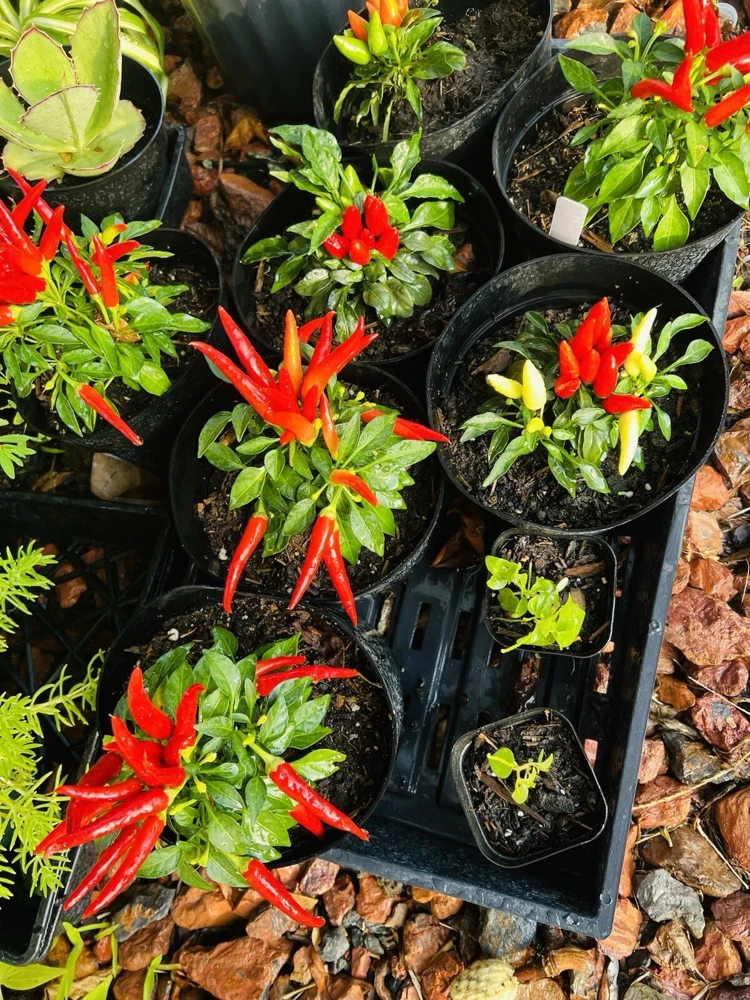
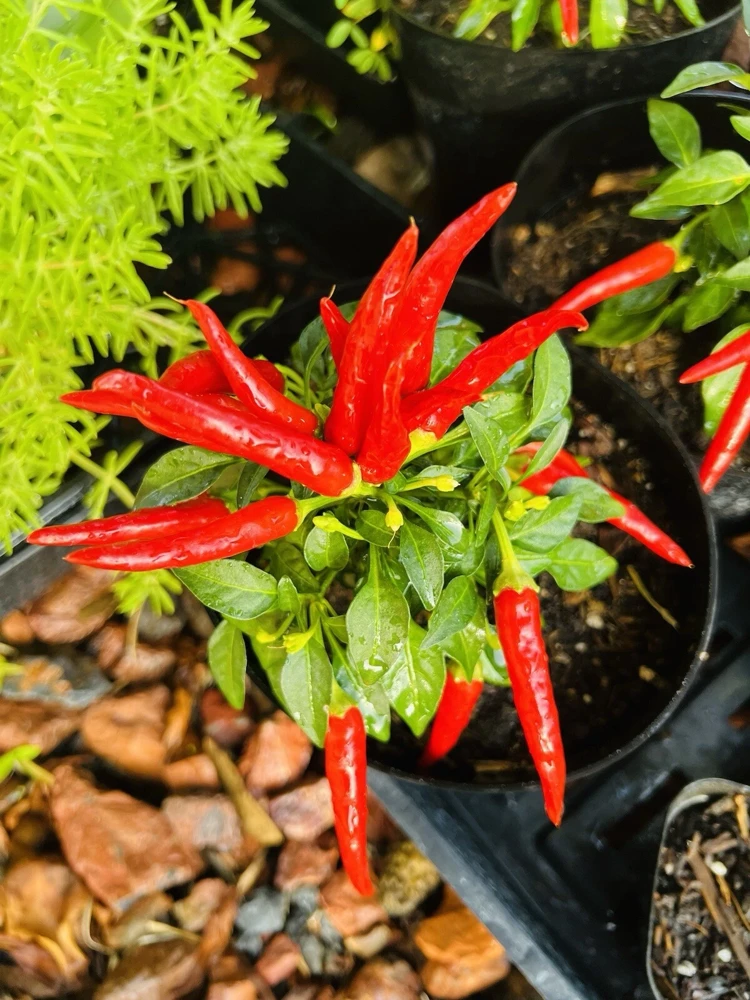
This offering is for a single, healthy organic pepper live plant, typically shipped in a nursery pot ready for transplanting. The plant’s initial size will vary but is generally well-established with a strong root system, standing approximately 6-12 inches tall from the base of the soil. Upon maturity, depending on the specific pepper variety, these plants can grow anywhere from 18 inches to 3 feet tall and equally wide, producing numerous peppers throughout the growing season. The growth rate is moderate to fast under ideal conditions, with the first harvest typically occurring 60-90 days after transplanting.
Your plant will arrive securely packaged to minimize stress during transit, ensuring it reaches you in excellent condition. It is recommended to plant it into its permanent location or a larger container as soon as possible after arrival. With proper pepper plant care, you can expect a bountiful yield of delicious, fresh garden peppers for many months. The specific variety of pepper will determine the fruit size and shape, ranging from small, fiery chilies to large, blocky bell peppers.
Frequently Asked Questions
- Q: How big does this pepper plant get? A: A mature organic pepper live plant can typically reach heights of 18 inches to 3 feet, with a similar spread, depending on the specific variety and growing conditions. Providing adequate space and support will encourage larger growth and more fruit.
- Q: What size pot does it come in? A: The plant is typically shipped in a standard nursery pot, usually a 4-inch or 6-inch container, providing a healthy root ball for easy transplanting. We recommend moving it to a larger pot (at least 5-gallon) or directly into the garden.
- Q: Is this an indoor or outdoor plant? A: While peppers are traditionally outdoor plants that love full sun, they can be grown indoors in a sunny window or under grow lights, especially in cooler climates. For best fruit production, outdoor growing is generally preferred for this organic vegetable plant.
- Q: How much sunlight does it need? A: Pepper plants require a minimum of 6-8 hours of direct sunlight per day to produce a good harvest. More sun generally leads to more and larger peppers. Ensure it’s not shaded by other plants.
- Q: Is this plant easy to care for? A: Yes, pepper plants are considered relatively easy to care for, making them suitable for beginner gardeners. The main requirements are consistent sunlight, regular watering, and good soil. Following basic pepper plant care guidelines will ensure success.
- Q: What condition will it arrive in? A: Your organic pepper live plant will arrive carefully packaged to protect it during transit. It will be a healthy, actively growing plant with a well-developed root system, ready for immediate planting.
- Q: Can I use these peppers in cooking? A: Absolutely! These plants are grown specifically for their edible fruits. You can use your fresh garden peppers in a wide variety of dishes, from salads and stir-fries to salsas and roasted vegetables.
- Q: How long until it blooms and produces fruit? A: With good care, your pepper plant should start flowering within a few weeks after transplanting. You can expect to harvest your first peppers approximately 60-90 days after planting, depending on the variety and growing conditions.
- Q: Is it shipped in soil? A: Yes, the plant is shipped securely in its nursery pot with soil to ensure the roots remain moist and protected during transit. This helps minimize transplant shock when you receive it.
- Q: Will it survive winter in my zone? A: Pepper plants are tender perennials, often grown as annuals in most climates. They will not survive frost. In USDA zones 9-11, they can overwinter if protected from cold. In colder zones, you’ll need to replant each year or bring them indoors.
Be the first to review “Organic Pepper Live Plant – Vegetable Plant for Home Gardens”
People Also Viewed
Flower Seeds
Rose of Sharon Hibiscus Moscheutos Seeds – Pink Flower Seed Pack for Indoor & Outdoor Planting
Reviews
There are no reviews yet.