
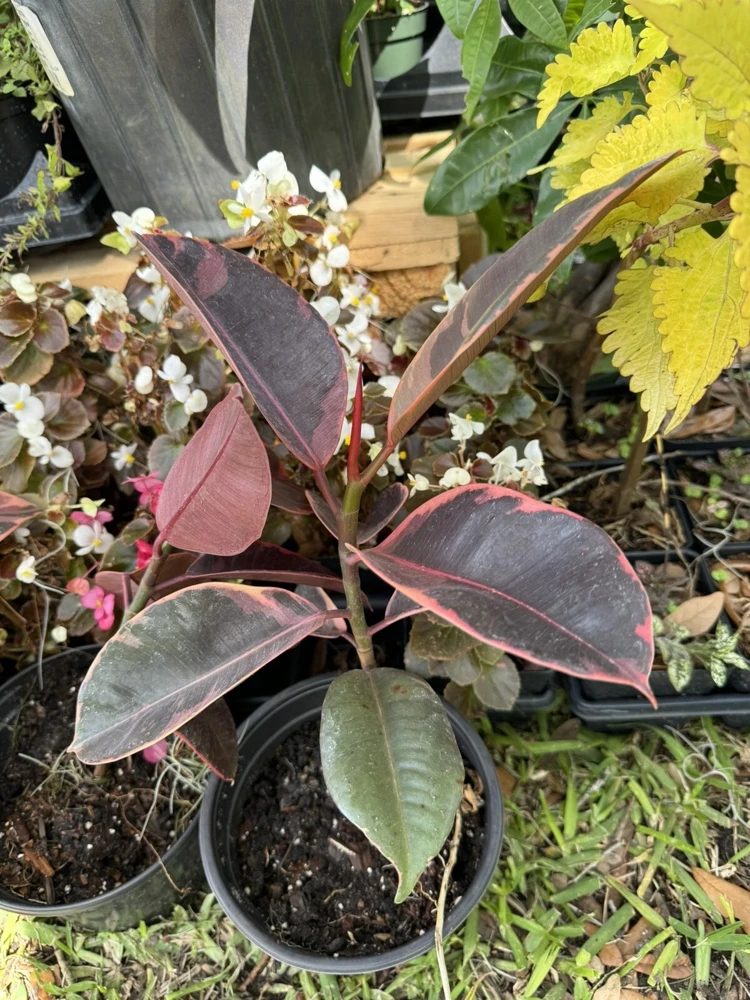
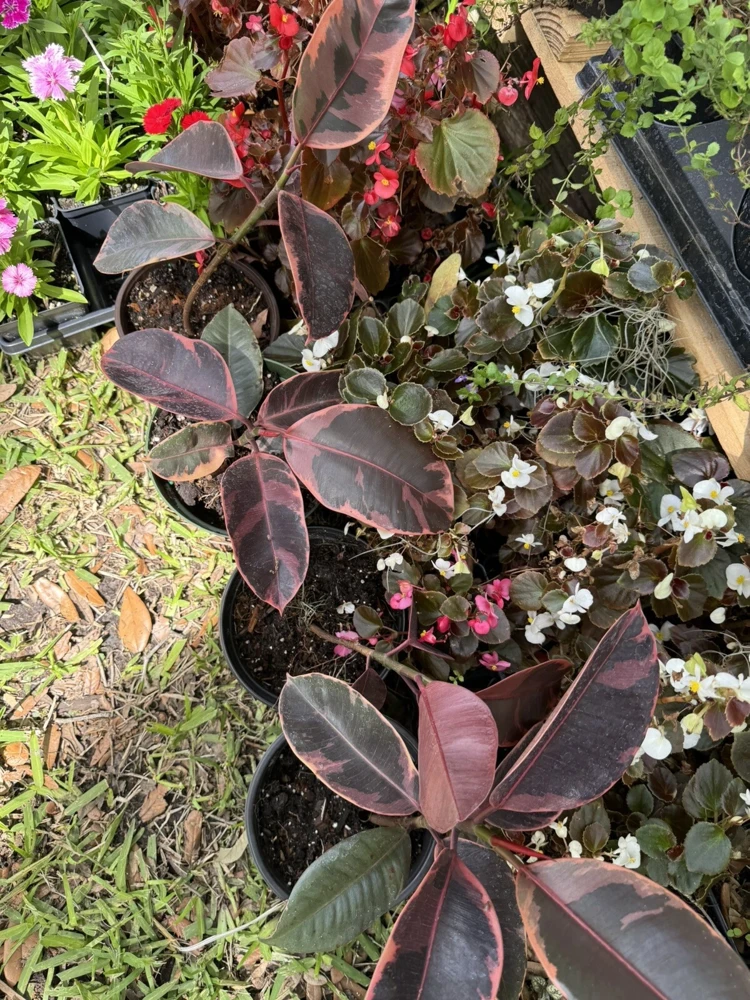
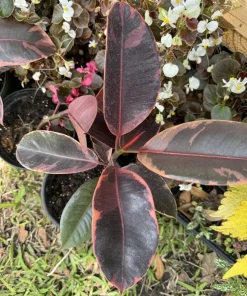
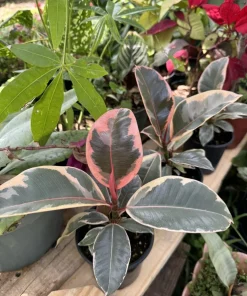
Tineke Rubber Tree Plant Ficus elastica Live Houseplant Indoor Decor
Original price was: $56.99.$36.99Current price is: $36.99.
Bring vibrant color and lush foliage into your home with the Tineke Rubber Tree Plant. This stunning Ficus elastica Tineke features beautiful variegated leaves, making it a perfect indoor statement piece and an excellent air purifier for any room.
Estimated arrival
Oct 27
Nov 01 - Nov 03
Nov 06 - Nov 10
Shop With Confidence
30-Day Plant Health Guarantee
Arrives damaged? We’ll replace it free — see our return policy.
Responsive Support
Email us anytime, we reply within 1 business day.
Expert Packaging
Temperature-controlled shipping to protect your plants in transit.
Secure Checkout
Pay safely with Visa, Mastercard, PayPal.
Plant Specifications
-
USDA Hardiness Zone
USDA zones 9-11 (primarily indoor plant) -
Soil Type
Well-draining potting mix -
Sunlight Exposure
Bright indirect light -
Expected Planting Period
Year-round indoors
Overview
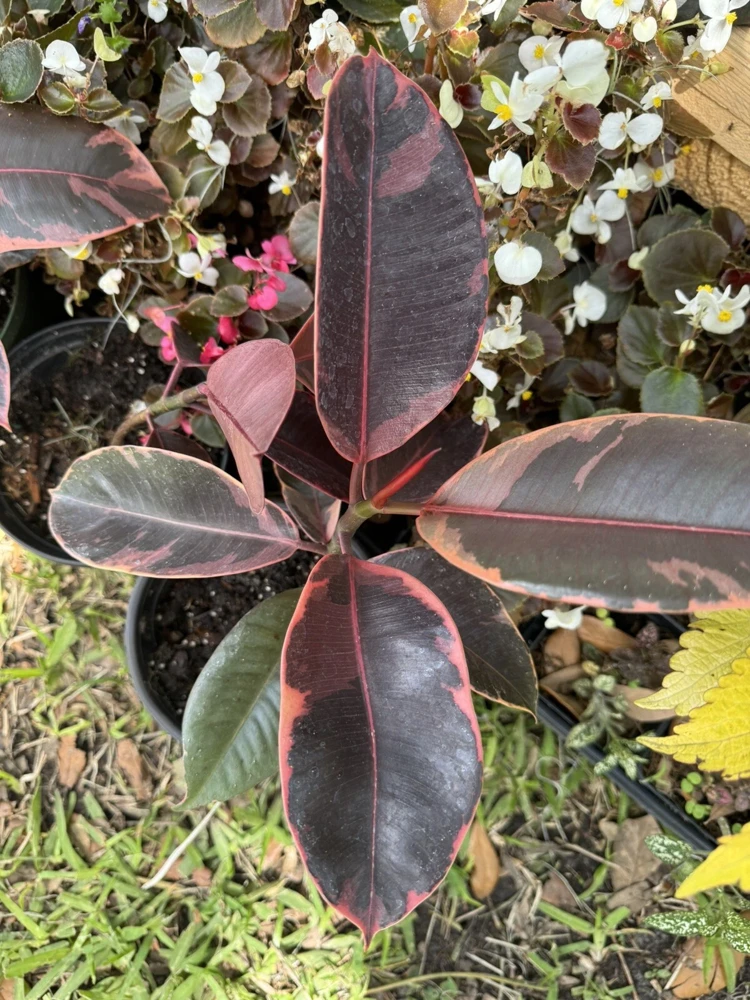
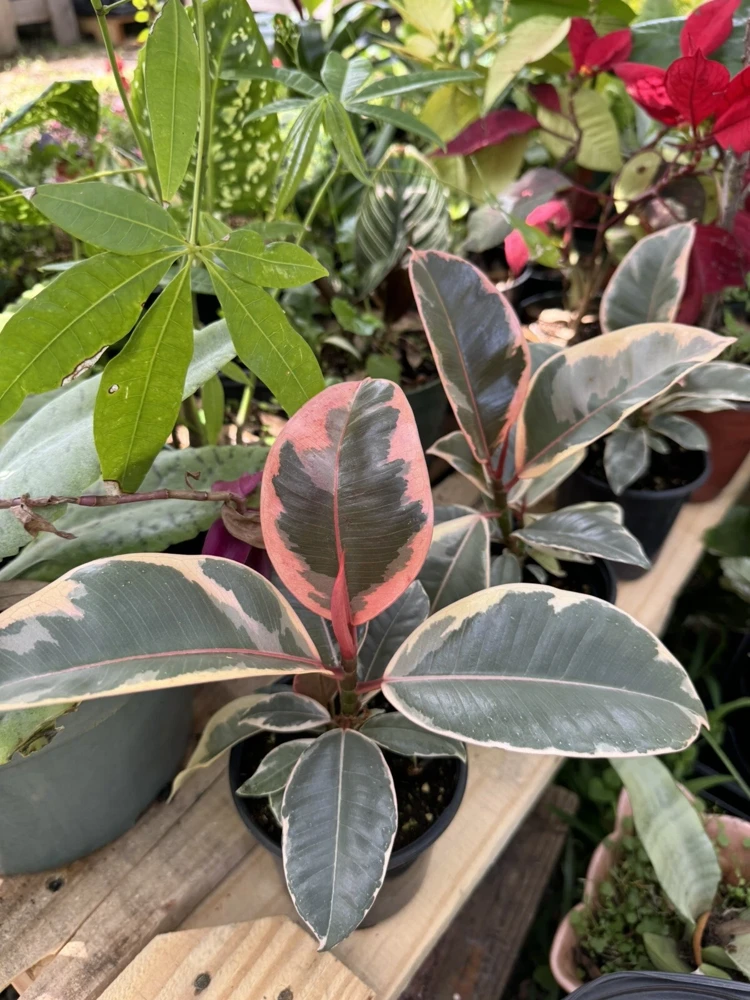
Transform your living space with the exquisite Tineke Rubber Tree Plant, a striking variety of Ficus elastica. Known for its captivating variegated foliage, this live houseplant is a popular choice for both seasoned plant enthusiasts and beginners alike. The ‘Tineke’ cultivar stands out with its glossy, leathery leaves adorned with shades of green, cream, and often a delicate pinkish hue along the edges, creating a truly unique and elegant display. As a member of the Ficus genus, the Tineke Rubber Tree Plant is not only visually appealing but also contributes to a healthier indoor environment by purifying the air. Its upright growth habit and distinct coloration make it an ideal focal point, adding a touch of sophisticated natural beauty to any home or office setting. This robust and relatively easy-to-care-for plant promises to be a long-lasting and rewarding addition to your indoor plant collection, offering continuous visual interest throughout the year.
The Ficus elastica Tineke, commonly known as the Rubber Tree, originates from tropical regions of Asia. Its common name comes from the milky latex sap produced by the plant, which was historically used to make rubber. Today, it’s cherished for its ornamental value, particularly the ‘Tineke’ variety with its exceptional variegation. This plant thrives indoors, adapting well to typical household conditions, and can grow quite large, making a dramatic statement as it matures. Experience the joy of nurturing a plant that combines exotic beauty with resilience.
Key Benefits
The Tineke Rubber Tree Plant offers a multitude of benefits that extend beyond its striking appearance, making it a valuable addition to any indoor environment. Its presence can significantly enhance both the aesthetic and atmospheric quality of your space.
- Stunning Variegated Foliage: The ‘Tineke’ variety boasts unique leaves with creamy white and green patterns, often edged with pink, providing a vibrant and sophisticated aesthetic that instantly brightens any room. This visual appeal makes it a fantastic decorative element.
- Air Purification: Like many Ficus varieties, the Ficus elastica Tineke is known for its ability to filter indoor air, removing common toxins and promoting a healthier living or working environment. It naturally enhances air quality.
- Low Maintenance: This rubber tree is relatively forgiving and easy to care for, making it suitable for both experienced plant parents and those new to gardening. Its resilience ensures it can thrive with minimal fuss.
- Architectural Interest: With its strong, upright growth and large, paddle-shaped leaves, the Tineke Rubber Tree Plant offers a bold, architectural presence that can define a space and draw the eye. It acts as a natural piece of living art.
- Versatile Decor: Its elegant appearance allows it to complement a wide range of interior design styles, from modern minimalist to classic and bohemian. It fits seamlessly into various decor schemes.
- Promotes Well-being: Studies suggest that having plants indoors can reduce stress, improve mood, and increase productivity. Caring for a beautiful plant like the Tineke plant for sale can contribute positively to mental health.
- Long Lifespan: With proper care, a Tineke Rubber Tree can live for many years, growing into a magnificent specimen that becomes a cherished part of your home. It’s a long-term investment in natural beauty.
Plant Care & Growing Tips
Caring for your Tineke Rubber Tree Plant is straightforward, and with the right conditions, it will flourish and display its stunning variegation. This plant thrives on consistency and appreciates attention to its specific needs. For optimal growth and vibrant coloration, understanding its light, water, and soil preferences is key. Proper care will ensure your Ficus elastica Tineke remains a healthy and beautiful focal point in your home.
Sunlight Requirements: The Tineke Rubber Tree Plant prefers bright, indirect light. Place it near a window where it can receive plenty of natural light but is shielded from harsh, direct afternoon sun, which can scorch its variegated leaves. An east-facing window is often ideal, or a south/west-facing window with a sheer curtain. Insufficient light can lead to leggy growth and a loss of the vibrant variegation, while too much direct sun can cause leaf burn. Rotate your plant every few weeks to ensure even growth and light exposure on all sides.
Watering Schedule and Soil Moisture: Water your rubber tree thoroughly when the top 2-3 inches of soil feel dry to the touch. It’s better to slightly underwater than overwater, as rubber trees are susceptible to root rot. Ensure the pot has drainage holes to prevent waterlogging. During the growing season (spring and summer), it will require more frequent watering than in the dormant winter months. Reduce watering significantly in winter. The indoor rubber tree care also includes ensuring good humidity, especially in dry indoor environments; misting occasionally or placing it near a humidifier can be beneficial.
Soil Type and Drainage: A well-draining potting mix is crucial for the health of your Tineke Rubber Tree Plant. A general-purpose potting mix amended with perlite or coarse sand for improved drainage works well. Ensure the pot has adequate drainage holes to prevent water from sitting at the bottom, which can lead to root issues. Good drainage is paramount for preventing fungal diseases and maintaining a healthy root system.
Temperature Range and USDA Hardiness Zone: This tropical plant thrives in average indoor temperatures between 60-75°F (15-24°C). Avoid placing it in drafts, near air conditioning vents, or heating units, as sudden temperature fluctuations can stress the plant. It is not cold-hardy and should be kept indoors in most climates. For outdoor growing in suitable climates, it generally thrives in USDA zones 9-11, but it is primarily grown as an indoor plant.
Fertilization Schedule and Type: Feed your Tineke Rubber Tree Plant with a balanced liquid fertilizer diluted to half strength every 2-4 weeks during the growing season (spring and summer). Do not fertilize during the fall and winter months when the plant’s growth slows down. Over-fertilization can lead to nutrient burn, so always follow the product instructions carefully. A good fertilization regimen supports lush foliage and robust growth.
Common Problems and Solutions: Yellowing leaves can indicate overwatering or nutrient deficiency. Drooping leaves often suggest underwatering. Brown leaf tips can be a sign of low humidity. Pests like spider mites and mealybugs can occasionally affect rubber trees; inspect your plant regularly and treat with neem oil or insecticidal soap if needed. Understanding these signs is part of effective indoor rubber tree care.
Size & Details
The Tineke Rubber Tree Plant is typically shipped as a young live plant, ready to be nurtured and grown in your home. While initial size can vary, it is a moderately fast grower and can reach impressive heights indoors with adequate care and space. In household conditions, it can grow anywhere from 2 to 10 feet tall, depending on the pot size and pruning. Its width will generally be about half of its height, forming an attractive, upright silhouette. The plant will arrive rooted in a nursery pot, ensuring its health and stability during transit. Expect to see significant growth within the first year if provided with optimal light and watering conditions.
The leaves themselves are quite substantial, often growing 5-12 inches long, showcasing the distinctive variegation that makes the ‘Tineke’ so popular. While it doesn’t produce showy flowers indoors, its foliage is the main attraction. It’s a plant that matures gracefully, becoming more impressive with age. Regular pruning can help maintain a desired size and shape, encouraging bushier growth if preferred. This variegated rubber plant is a long-term companion for your indoor garden.
Frequently Asked Questions
- Q: How big does this plant get? A: The Tineke Rubber Tree Plant can grow quite large indoors, typically reaching heights of 2 to 10 feet. Its ultimate size will depend on factors like pot size, light conditions, and whether it’s pruned.
- Q: What size pot does it come in? A: The plant typically arrives in a standard nursery pot, suitable for its current size. We recommend repotting it into a slightly larger decorative pot with good drainage after it has acclimated to its new environment.
- Q: Is this an indoor or outdoor plant? A: The Tineke Rubber Tree Plant is primarily an indoor plant in most climates due to its tropical nature. It can be moved outdoors in warm, humid conditions during summer but must be brought inside before temperatures drop below 50°F (10°C).
- Q: How much sunlight does it need? A: It thrives in bright, indirect light. Avoid direct, harsh afternoon sun which can scorch its leaves. A spot near an east-facing window or a few feet back from a south or west-facing window is ideal for this Ficus elastica Tineke.
- Q: Is this plant easy to care for? A: Yes, the Tineke Rubber Tree Plant is considered relatively easy to care for, making it a good choice for beginners. It’s quite forgiving of minor neglect, but consistent care will yield the best results.
- Q: What condition will it arrive in? A: Your Tineke plant for sale will be carefully packaged to ensure it arrives healthy and in excellent condition, ready to thrive in your home. We take great care to protect the foliage and root system during transit.
- Q: Is it shipped in soil? A: Yes, the plant is shipped securely in its nursery pot with soil, ensuring its roots remain protected and hydrated during delivery. This helps in a smooth transition to your home.
- Q: Is this plant pet-safe? A: No, like other Ficus species, the Tineke Rubber Tree Plant produces a milky sap that can be irritating to pets if ingested. It’s best to keep it out of reach of curious animals.
- Q: When is the best time to repot? A: The best time to repot your rubber tree is in spring or early summer when it is actively growing. Repot only when it becomes root-bound, usually every 1-2 years.
- Q: What’s the minimum temperature it can tolerate? A: The Tineke Rubber Tree Plant prefers temperatures above 60°F (15°C). It can tolerate brief dips to 50°F (10°C) but prolonged exposure to cold temperatures will stress the plant and can cause damage.
Be the first to review “Tineke Rubber Tree Plant Ficus elastica Live Houseplant Indoor Decor”
People Also Viewed




Reviews
There are no reviews yet.