
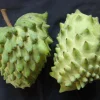
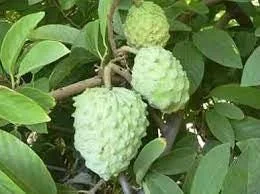
Atemoya AP Live Fruit Tree – 2-3 ft Tall – Ship in 3 Gallon Pot – Outdoor
$116.00
Cultivate your own exotic fruit with this healthy atemoya ap live plant. Standing 2 to 3 feet tall and shipped in a 3-gallon pot, this tropical fruit tree is ready to thrive in your garden. Enjoy the unique, sweet flavor of fresh atemoya fruit tree grown right at home.
Estimated arrival
Sep 14
Sep 19 - Sep 21
Sep 24 - Sep 28
Shop With Confidence
30-Day Plant Health Guarantee
Arrives damaged? We’ll replace it free — see our return policy.
Responsive Support
Email us anytime, we reply within 1 business day.
Expert Packaging
Temperature-controlled shipping to protect your plants in transit.
Secure Checkout
Pay safely with Visa, Mastercard, PayPal.
Plant Specifications
-
USDA Hardiness Zone
USDA zones 9-11 -
Soil Type
Well-draining, rich in organic matter, slightly acidic to neutral -
Sunlight Exposure
Full sun -
Expected Planting Period
Spring to early summer
Overview
Bring the taste of the tropics to your backyard with our vibrant atemoya ap live plant. This exquisite fruit tree, a hybrid of cherimoya and sugar apple, offers a unique and delectable culinary experience. Known for its creamy, sweet flesh and distinctive flavor profile that combines notes of pineapple, mango, and vanilla, the atemoya is a true garden gem. Our healthy plant, standing 2 to 3 feet tall, is ready to be transplanted into your garden or a larger container upon arrival. The atemoya tree is a beautiful addition to any landscape, providing not only delicious fruit but also lush, attractive foliage. It’s an excellent choice for gardeners looking to expand their edible landscape with something truly special and rewarding.
The ‘AP’ variety of atemoya is well-regarded for its robust growth and reliable fruit production, making it a popular choice among fruit enthusiasts. Growing your own atemoya fruit tree allows you to enjoy the freshest, most flavorful fruit, free from chemicals and picked at peak ripeness. This plant is a fantastic investment for anyone passionate about gardening and gourmet produce.
Key Benefits
Our atemoya ap live plant offers a multitude of benefits, from its delicious fruit to its ornamental value and health advantages. Growing this tree provides a sustainable source of exotic produce and enhances your garden’s biodiversity.
- Exotic Fruit Production: Enjoy a steady supply of fresh, sweet, and creamy atemoya fruit, perfect for desserts, smoothies, or eating fresh. The unique flavor is a delightful treat.
- Nutrient-Rich Harvest: Atemoya fruit is packed with vitamins C and B6, dietary fiber, and antioxidants, contributing to a healthy diet. Growing your own ensures maximum freshness and nutritional value.
- Beautiful Ornamental Tree: With its attractive foliage and unique fruit, the atemoya tree serves as a stunning focal point in any garden or patio setting. It adds a tropical aesthetic to your outdoor space.
- Rewarding Gardening Experience: Cultivating an atemoya tree is a fulfilling endeavor, offering the satisfaction of harvesting your own delicious, home-grown fruit. It’s a great project for both novice and experienced gardeners.
- Adaptable Growth: While preferring tropical climates, atemoya can be grown in large pots in cooler regions, allowing for protection during colder months. This versatility makes it accessible to more gardeners.
- Supports Local Ecosystems: Planting fruit trees like the atemoya ap live plant can attract pollinators and beneficial insects, contributing to a healthier local ecosystem.
- Unique Culinary Ingredient: The distinctive taste of atemoya makes it a versatile ingredient for unique culinary creations, from savory dishes to sweet treats. Discover new recipes and flavors.
Plant Care & Growing Tips
Caring for your atemoya ap live plant is crucial for ensuring a healthy tree and abundant fruit production. Atemoyas thrive in warm, subtropical to tropical climates. They prefer a location with full sun, receiving at least 6-8 hours of direct sunlight per day. If you live in a region with very intense summer sun, some afternoon shade can be beneficial to prevent leaf scorch. For those in cooler zones, growing the atemoya in a large container allows you to move it indoors during cold weather, protecting it from frost which can severely damage or kill the tree.
The ideal soil for an atemoya is well-draining, rich in organic matter, and slightly acidic to neutral (pH 6.0-7.0). When planting, amend the soil with compost or other organic materials to improve fertility and drainage. Water your atemoya regularly, especially during dry periods and when the tree is actively growing or fruiting. The soil should be kept consistently moist but never waterlogged, as this can lead to root rot. Reduce watering frequency during the cooler, dormant months. Fertilize your atemoya fruit tree with a balanced fertilizer formulated for fruit trees, applying it every 2-3 months during the growing season. Pruning is generally minimal, focused on removing dead or diseased branches and shaping the tree for better air circulation and fruit access. Understanding atemoya care tips is key to a successful harvest.
Pest and disease issues are relatively uncommon but monitor for common garden pests like aphids or mealybugs. Address any infestations promptly with organic pest control methods. Protecting the tree from strong winds is also advisable, as branches can be brittle when laden with fruit. With proper care, your atemoya tree will reward you with delicious fruit for many years. Learning about growing atemoya efficiently will help you maximize your yield and enjoy healthy plants.
Size & Details
This offering is for one healthy atemoya ap live plant, which stands approximately 2 to 3 feet tall from the base of the root ball to the top of the foliage. It is shipped securely in a 3-gallon nursery pot, ensuring the roots are well-established and ready for transplanting. Atemoya trees are moderately fast-growing, especially in optimal conditions, and can reach mature heights of 15-20 feet if left unpruned. However, they can be maintained at a smaller, more manageable size with regular pruning, making them suitable for smaller gardens or container growing.
The plant will arrive with established roots and healthy foliage, ready to be acclimated to its new environment. Expect fruit production to begin within 2-4 years under ideal growing conditions. The fruit itself typically matures in late summer to fall, depending on your climate. Each fruit can weigh between 1 to 5 pounds, offering a substantial and delicious harvest. This particular variety, ‘AP’, is known for its excellent fruit quality and consistent production. Ensure you understand the specific needs for growing atemoya to get the best results.
Frequently Asked Questions
- Q: How big does this plant get? A: This atemoya ap live plant is currently 2 to 3 feet tall. With proper care, it can grow to a mature height of 15-20 feet, though it can be kept smaller with pruning.
- Q: What size pot does it come in? A: The plant is shipped in a sturdy 3-gallon nursery pot, providing ample space for its established root system. You may want to transplant it to a larger pot or directly into the ground upon arrival.
- Q: Is this an indoor or outdoor plant? A: Atemoya trees thrive outdoors in subtropical to tropical climates (USDA Zones 9-11). In cooler regions, it can be grown in a large container and moved indoors during winter.
- Q: How much sunlight does it need? A: This atemoya fruit tree prefers full sun, ideally 6-8 hours of direct sunlight per day. In very hot climates, some afternoon shade can be beneficial to prevent leaf burn.
- Q: Is this plant easy to care for? A: Atemoya care is relatively straightforward for those in suitable climates, requiring consistent watering, well-draining soil, and regular fertilization. Understanding atemoya care tips will help ensure success.
- Q: What condition will it arrive in? A: Your plant will arrive healthy, with established roots and vibrant foliage, carefully packaged to minimize stress during transit. It’s ready for immediate planting or repotting.
- Q: When is the best time to plant? A: The best time to plant your atemoya is in spring or early summer, after the last risk of frost has passed, allowing it ample time to establish before cooler weather.
- Q: Will it survive winter in my zone? A: Atemoya trees are sensitive to frost. They will survive mild winters in USDA Zones 9-11. In colder zones, winter protection or indoor growing is essential.
- Q: What are the main atemoya fruit benefits? A: Atemoya fruit is rich in Vitamin C, Vitamin B6, and dietary fiber. It also contains antioxidants and can contribute to overall digestive health and immune support.
- Q: How long until it produces fruit? A: Under optimal growing conditions, you can expect your atemoya tree to start producing fruit within 2-4 years after planting.
Be the first to review “Atemoya AP Live Fruit Tree – 2-3 ft Tall – Ship in 3 Gallon Pot – Outdoor”
People Also Viewed
Vegetable Seeds
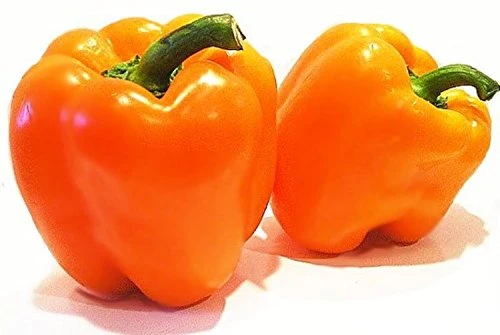
Ariene Orange Dutch Pepper Seeds – Sweet Bell Pepper, 10 Seeds
Houseplants
Shrubs
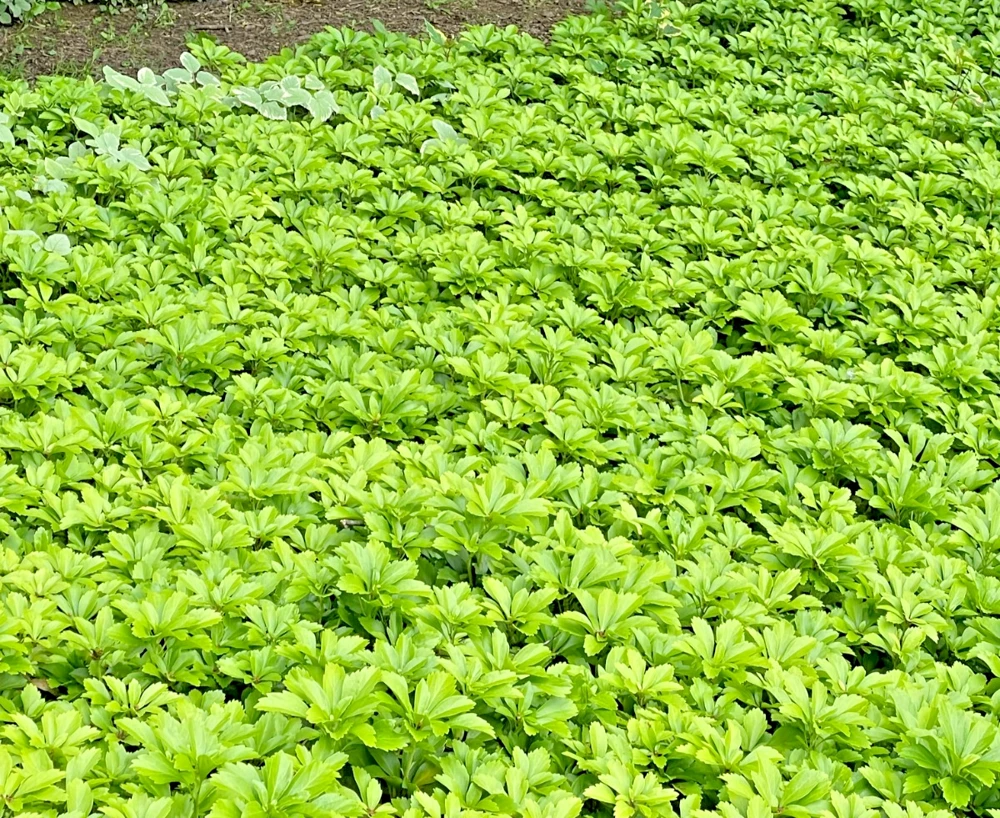
Japanese Spurge – Pachysandra Terminalis Live Plant – Bare Root Groundcover – Outdoor – 0-1ft
Vegetable Seeds
Big Bertha Sweet Pepper Seeds – 10 Count – Giant Bell Peppers
Reviews
There are no reviews yet.