

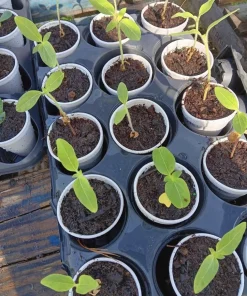
Mammoth Sunflower Seeds – Giant Annual Flower Seeds for Outdoor Gardening
Original price was: $60.99.$40.99Current price is: $40.99.
Cultivate stunning, towering blooms with our premium mammoth sunflower seeds. These giant annual flowers are perfect for creating a dramatic focal point in your garden and attracting beneficial pollinators. Enjoy the beauty and bounty of growing your own giant sunflowers from seed.
Estimated arrival
Sep 12
Sep 17 - Sep 19
Sep 22 - Sep 26
Shop With Confidence
30-Day Plant Health Guarantee
Arrives damaged? We’ll replace it free — see our return policy.
Responsive Support
Email us anytime, we reply within 1 business day.
Expert Packaging
Temperature-controlled shipping to protect your plants in transit.
Secure Checkout
Pay safely with Visa, Mastercard, PayPal.
Plant Specifications
-
USDA Hardiness Zone
Annual (grows in all zones during warm season) -
Soil Type
Well-draining loam or sandy soil -
Sunlight Exposure
Full sun (6-8+ hours daily) -
Expected Planting Period
Spring to early summer
Overview
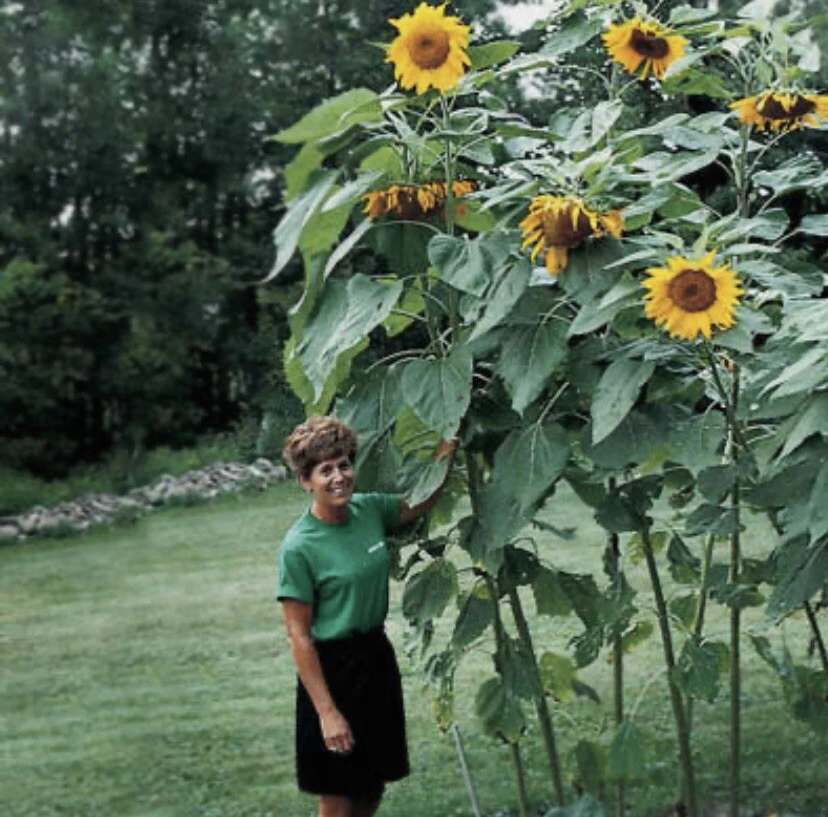
Embark on a rewarding gardening journey with our premium mammoth sunflower seeds. These aren’t just any seeds; they are your gateway to cultivating some of the most impressive and iconic flowers in the plant kingdom. Known for their incredible height and large, cheerful blooms, giant sunflowers are a classic choice for gardeners looking to make a statement. Each seed holds the potential for a towering plant that can reach heights of 10 feet or more, crowned with a magnificent flower head brimming with edible seeds. Ideal for both seasoned green thumbs and enthusiastic beginners, these annual flower seeds promise a spectacular display that transforms any outdoor space into a vibrant haven for birds and beneficial insects. Experience the joy of watching these majestic plants grow from tiny seeds into magnificent giants, embodying the spirit of summer.
Key Benefits
Growing mammoth sunflower seeds offers a multitude of benefits, enriching your garden and providing endless enjoyment. These impressive plants are not only visually stunning but also contribute positively to your local ecosystem.
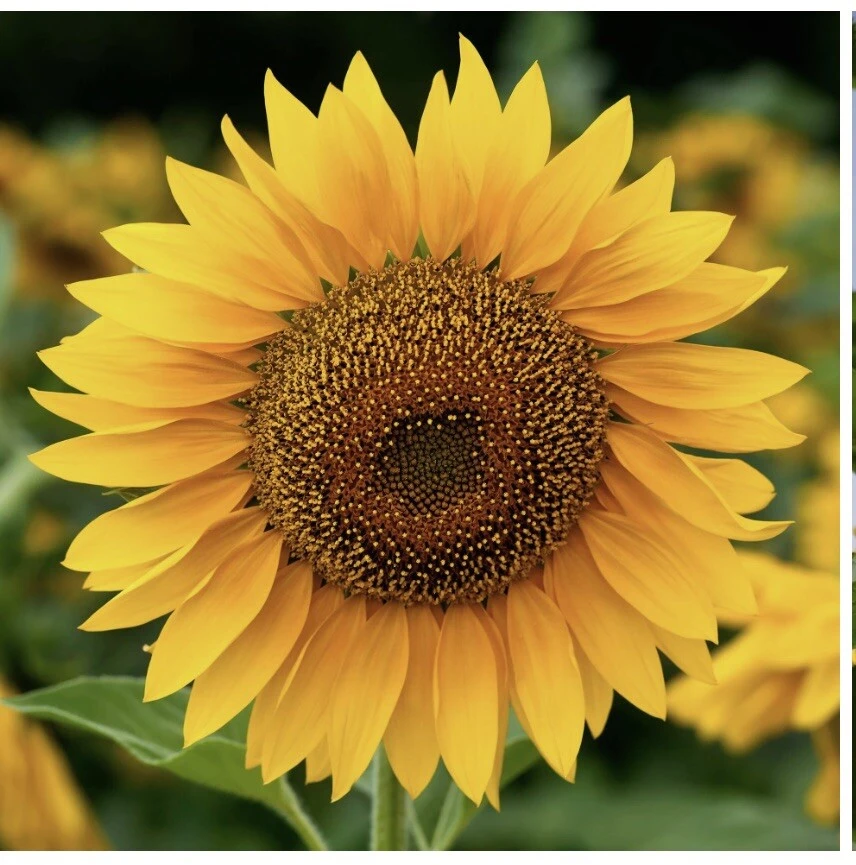
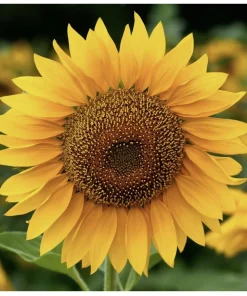
- Dramatic Garden Impact: Create an unforgettable garden landscape with towering sunflowers that serve as natural focal points. Their impressive height and large, bright yellow petals draw the eye and infuse your garden with vibrant energy, making them perfect for backyard display.
- Attracts Pollinators and Wildlife: Sunflowers are a magnet for bees, butterflies, and other essential pollinators, contributing to the health of your local environment. Later in the season, their abundant seeds provide a valuable food source for birds, adding life and sound to your garden.
- Edible Seeds: Harvest delicious and nutritious sunflower seeds directly from your garden. These can be roasted for a healthy snack, added to salads, or used in baking, offering a fresh, homegrown treat. Growing your own giant sunflowers means a fresh supply of seeds.
- Easy to Grow: Despite their impressive size, mammoth sunflower seeds are surprisingly easy to cultivate, making them an excellent choice for gardeners of all experience levels. They thrive with minimal fuss, requiring mostly sun and consistent watering.
- Natural Privacy Screen: Their rapid growth and considerable height make sunflowers an excellent temporary natural screen, offering privacy or shielding less attractive areas of your garden with their lush foliage and vibrant blooms.
- Soil Improvement: Sunflowers have deep root systems that can help break up compacted soil, improving its structure and drainage for subsequent plantings. This makes them a beneficial addition to crop rotation practices.
- Joyful and Uplifting Presence: The cheerful, sun-like appearance of these flowers naturally uplifts spirits and adds a sense of joy and wonder to any garden. They are a true symbol of summer’s bounty.
Plant Care & Growing Tips
Successfully growing mammoth sunflower seeds into towering giants requires attention to a few key care practices. Sunflowers are generally robust, but providing optimal conditions will ensure the most impressive blooms and a bountiful harvest of seeds. Start by selecting a site that receives at least 6-8 hours of direct sunlight daily; sunflowers are true sun-worshippers and will not thrive in shade. The soil should be well-draining, with a slightly acidic to alkaline pH (6.0-7.5). While they are not overly picky, enriching the soil with compost before planting will give your sunflower seeds for planting a strong start.
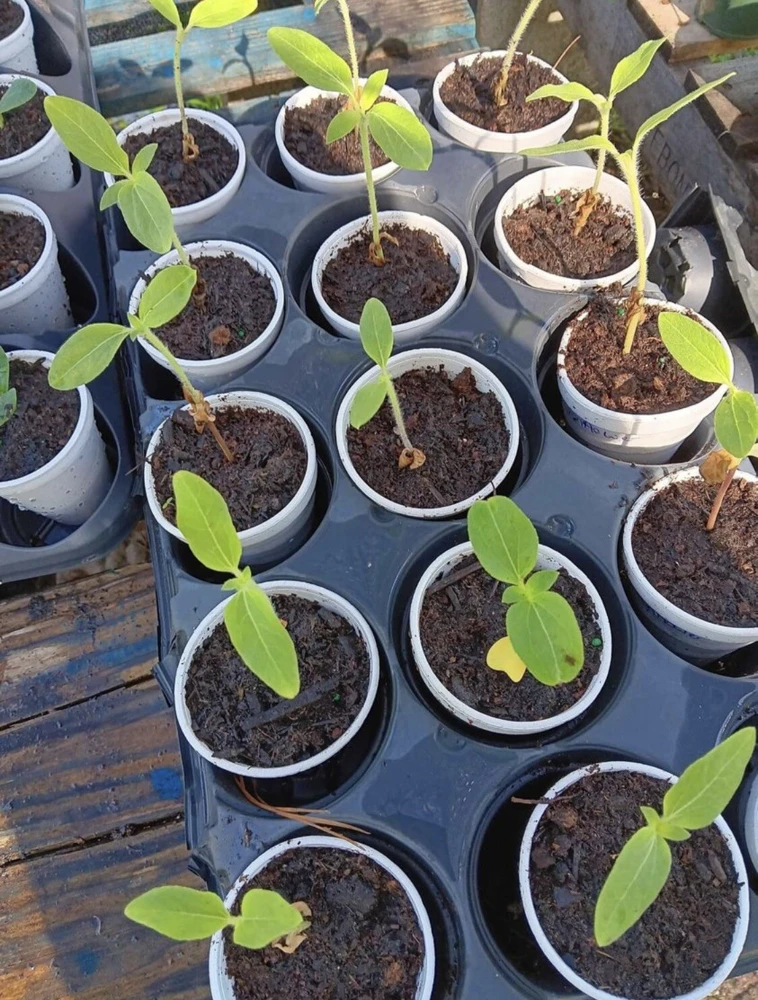
Plant seeds about 1 inch deep and 6 inches apart in rows, or in clusters if you prefer a more naturalized look. Once seedlings emerge and are a few inches tall, thin them to about 2-3 feet apart to give each plant ample space to grow and develop its massive head. Consistent watering is crucial, especially during dry spells and when the plants are flowering and forming seeds. Water deeply at the base of the plant to encourage strong root growth. Fertilize sparingly; too much nitrogen can lead to excessive foliage at the expense of flower production. A balanced, slow-release fertilizer or a side dressing of compost once the plants are established is usually sufficient. Protect young seedlings from pests like birds and slugs, and consider staking taller plants in windy areas to prevent them from toppling over. With proper care, your outdoor garden sunflowers will flourish.
Size & Details
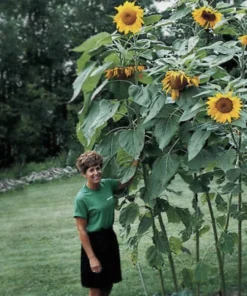
Our mammoth sunflower seeds are designed to produce impressively large plants. Typically, these sunflowers can reach heights of 8 to 12 feet, with some individual specimens growing even taller under ideal conditions. The flower heads themselves can span 10 to 14 inches in diameter, filled with hundreds of edible seeds. These are annual flower seeds, meaning they complete their life cycle within one growing season, providing a spectacular display from mid-summer until fall. They are best planted in spring to early summer after the last frost date, allowing ample time for growth and seed production before the first autumn frosts. Expect a germination period of 7-14 days and a time to maturity of approximately 75-90 days from planting, leading to beautiful annual flower seeds that bloom consistently.
Frequently Asked Questions
- Q: How big does this plant get? A: Mammoth sunflower seeds typically grow into plants that reach an impressive height of 8 to 12 feet tall, with some individual plants exceeding this under optimal growing conditions. The flower heads can be 10-14 inches across.
- Q: Is this an indoor or outdoor plant? A: These are primarily outdoor plants. Mammoth sunflowers require full sun and plenty of space to grow to their full potential, making them unsuitable for indoor cultivation. They are perfect for an outdoor garden sunflowers display.
- Q: How much sunlight does it need? A: Mammoth sunflowers thrive in full sun, requiring a minimum of 6-8 hours of direct sunlight per day. More sun generally leads to larger plants and more abundant blooms.
- Q: Is this plant easy to care for? A: Yes, despite their towering size, mammoth sunflowers are considered relatively easy to care for, making them suitable for beginner gardeners. They primarily need consistent sunlight, well-draining soil, and regular watering.
- Q: What condition will the mammoth sunflower seeds arrive in? A: The seeds will arrive as dry, viable seeds, ready for planting. They should be stored in a cool, dry place until you are ready to sow them.
- Q: How long until it blooms? A: From planting, you can expect your mammoth sunflowers to begin blooming in approximately 75-90 days, providing a beautiful spectacle throughout the summer and early fall.
- Q: When is the best time to plant sunflower seeds for planting? A: The best time to plant is in the spring, after all danger of frost has passed and the soil has warmed up. This typically ranges from April to June depending on your specific climate zone.
- Q: Will it survive winter in my zone? A: Mammoth sunflowers are annuals, meaning they complete their life cycle in one growing season and will not survive winter. You will need to replant annual flower seeds each spring.
- Q: What kind of soil is best for giant sunflowers? A: They prefer well-draining soil that is rich in organic matter. A slightly acidic to alkaline pH between 6.0 and 7.5 is ideal for optimal growth.
- Q: Can I save seeds from my plants for next year? A: Yes, you can save seeds from your mature sunflower heads. Allow the heads to fully dry on the plant, then harvest the seeds, clean them, and store them in a cool, dry place for planting next season.
Be the first to review “Mammoth Sunflower Seeds – Giant Annual Flower Seeds for Outdoor Gardening”
People Also Viewed
Trees
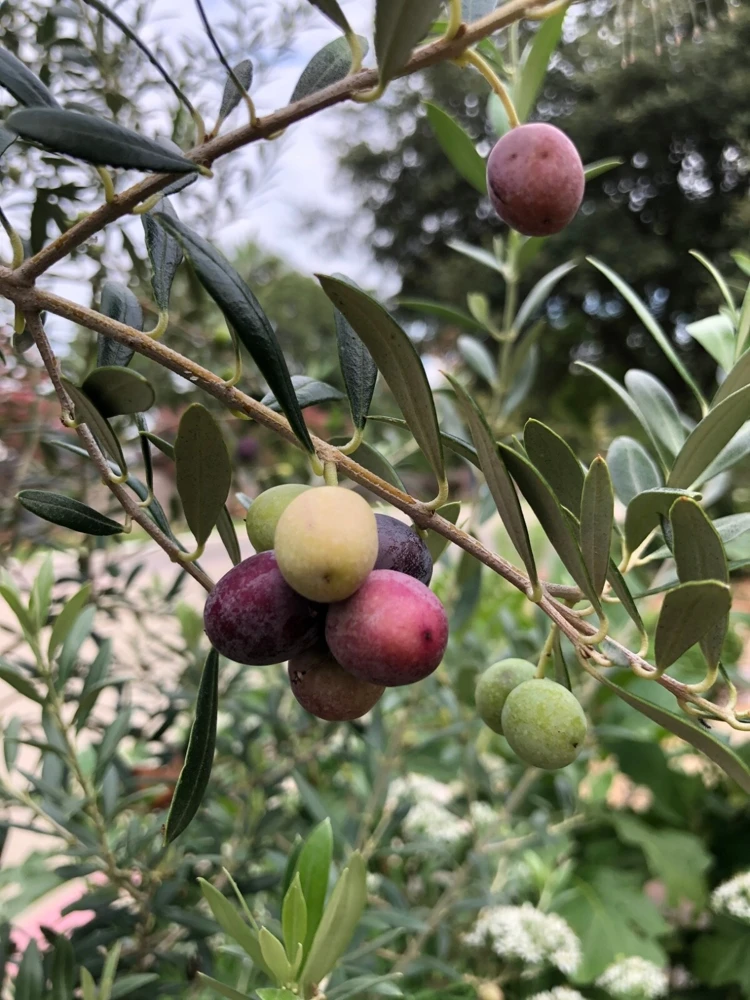
Organic Arbequina Olive Tree Live Starter Plant 6-10″ Tall in 2.5″ Pot – Indoor/Outdoor Fruit Tree
Vegetable Seeds
Howden Biggie Pumpkin Seeds – 15 Count – Large Dark Orange Fruit
Reviews
There are no reviews yet.