

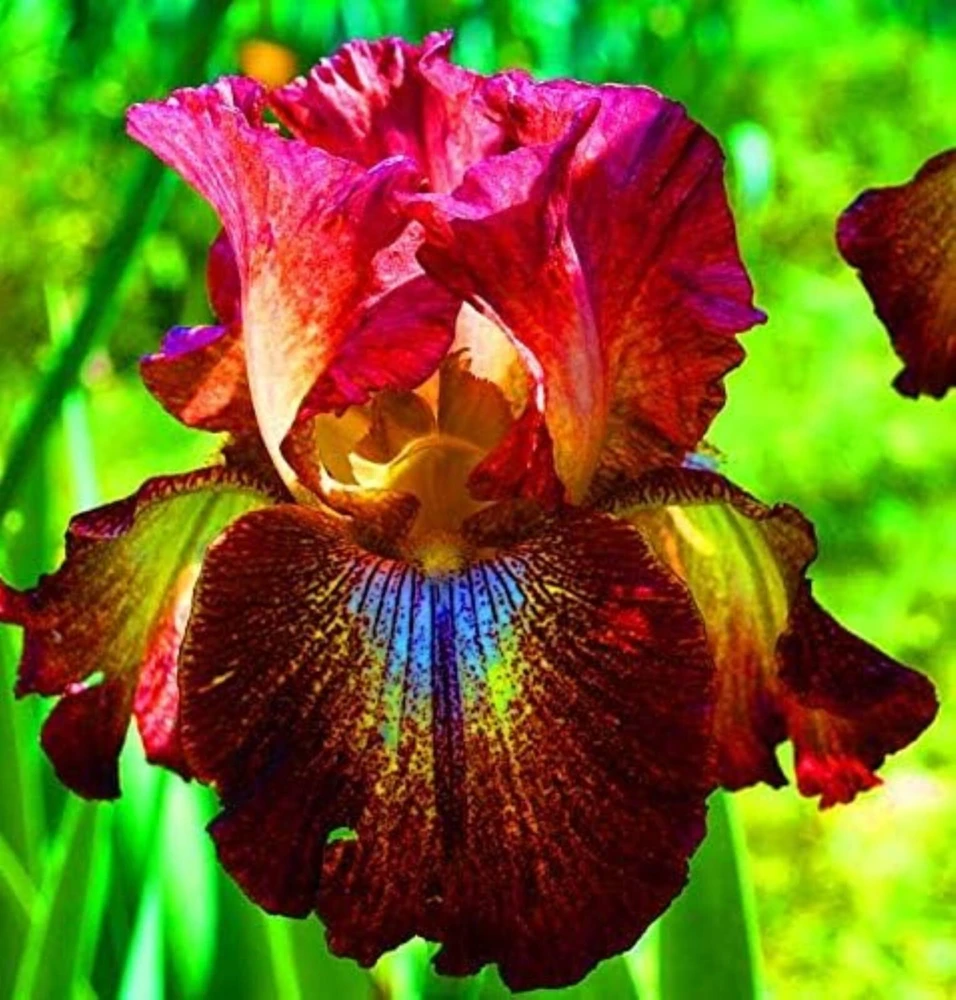
Iris Seeds – 100 Count – Flowering Plant Seeds for Garden
Original price was: $55.99.$30.99Current price is: $30.99.
Cultivate stunning iris seeds in your garden with this generous pack of 100 seeds. Perfect for gardeners looking to grow iris from seed, these seeds promise vibrant blooms and an enchanting display.
Estimated arrival
Oct 27
Nov 01 - Nov 03
Nov 06 - Nov 10
Shop With Confidence
30-Day Plant Health Guarantee
Arrives damaged? We’ll replace it free — see our return policy.
Responsive Support
Email us anytime, we reply within 1 business day.
Expert Packaging
Temperature-controlled shipping to protect your plants in transit.
Secure Checkout
Pay safely with Visa, Mastercard, PayPal.
Plant Specifications
-
USDA Hardiness Zone
USDA zones 3-9 (general for Iris) -
Soil Type
Well-draining soil, sandy loam -
Sunlight Exposure
Full sun to partial shade -
Expected Planting Period
Late fall or early spring after stratification
Overview
Transform your garden into a vibrant spectacle with our premium iris seeds. This generous pack contains 100 high-quality seeds, offering an economical and rewarding way to cultivate these classic flowering plants. Irises are renowned for their intricate, often flamboyant blooms and a wide array of colors, making them a favorite among garden enthusiasts. Whether you’re a seasoned gardener or just starting out, learning to grow iris from seed is a fulfilling experience that allows you to nurture these beauties from their very beginning. Our iris seeds are carefully selected to ensure viability, providing you with the best possible start for a stunning floral display. These versatile flowers can add elegance to borders, rock gardens, or stand alone as striking focal points.
Irises belong to the genus Iris, a diverse group of flowering plants known for their striking sword-shaped foliage and distinctive flower structure. The name ‘Iris’ comes from the Greek word for rainbow, a fitting tribute to the wide spectrum of colors found in these blossoms. From deep purples and blues to bright yellows and whites, and even captivating bi-colors, iris flowers offer unparalleled beauty. By choosing to plant iris flower seeds, you embark on a journey to create a personalized garden tapestry, enjoying the anticipation of each unique bloom as it unfolds.
Key Benefits
Growing irises from seed offers numerous advantages, allowing you to enjoy the beauty and satisfaction of cultivating these magnificent flowers from scratch. Here are some key benefits:
- Economical Gardening: Starting with iris seeds is a cost-effective way to fill your garden with numerous iris plants compared to purchasing mature bulbs or plants. This pack of 100 seeds provides ample opportunity for a grand display.
- Variety and Discovery: While specific colors may vary from seed-grown plants, you open up possibilities for unique color combinations and variations, adding an element of surprise and discovery to your garden. Each seed holds the potential for a beautiful, distinct bloom.
- Rewarding Cultivation Process: There’s immense satisfaction in watching a plant grow from a tiny seed to a magnificent flowering specimen. Learning to grow iris from seed connects you deeply with the gardening process.
- Adaptability: Seed-grown irises can often adapt better to your specific local growing conditions, potentially resulting in hardier plants over time. This resilience ensures a longer-lasting and more robust garden.
- Beautiful Blooms: Irises are celebrated for their elegant and showy flowers, which can significantly enhance the aesthetic appeal of any garden space. The intricate petals and vibrant hues make them a focal point.
- Attracts Pollinators: Many iris varieties attract beneficial pollinators like bees and butterflies, contributing to the biodiversity and health of your garden ecosystem.
- Versatile Landscaping: Irises are suitable for various garden designs, including perennial borders, cottage gardens, and even container planting, offering flexibility in how you use them.
Plant Care & Growing Tips
Successful planting iris seeds requires a bit of patience and attention to detail, but the results are well worth the effort. The first step for many iris seeds is stratification, which mimics natural winter conditions. This can be done by placing seeds in a moist medium (like sand or peat moss) in a sealed bag in the refrigerator for 4-12 weeks. After stratification, you can sow the seeds. Choose a well-draining location with plenty of sunlight for your iris plants. Irises generally thrive in full sun, meaning at least 6 hours of direct sunlight per day. In hotter climates, some afternoon shade can be beneficial.
When it comes to soil, irises prefer a neutral to slightly acidic pH and excellent drainage. A sandy loam soil enriched with organic matter is ideal. Avoid heavy, clay soils that retain too much moisture, as this can lead to rot. Water newly planted seeds regularly to keep the soil consistently moist but not waterlogged. Once established, most irises are relatively drought-tolerant, but they will perform best with moderate watering, especially during dry spells and flowering periods. Fertilize sparingly; a balanced, slow-release fertilizer applied in early spring can encourage vigorous growth and blooming. For optimal iris plant care, ensure good air circulation around the plants to prevent fungal diseases.
Common issues to watch out for include iris borers, which can be managed with proper sanitation and sometimes insecticides if infestations are severe. Fungal leaf spot can also occur, especially in humid conditions; ensuring good air circulation and removing affected foliage can help. Deadhead spent flowers to encourage the plant to put energy into rhizome development rather than seed production, unless you are intentionally collecting more iris flower seeds. Divide crowded clumps every 3-5 years to maintain vigor and bloom quality. By following these guidelines for planting iris seeds and ongoing care, you can enjoy a spectacular display of iris blooms year after year.
Size & Details
This product includes 100 iris seeds, providing a substantial quantity for your gardening projects. Each seed is capable of developing into a full-sized iris plant, though the time to bloom can vary. Typically, irises grown from seed may take 1-3 years to produce their first flowers, depending on the specific variety and growing conditions. Mature iris plants generally reach a height of 18-36 inches (45-90 cm) and a spread of 12-24 inches (30-60 cm), forming attractive clumps of foliage and stunning floral spikes. The seeds are shipped in a protective packet to ensure their viability upon arrival, ready for stratification and planting.
These iris seeds are suitable for planting in various garden settings, from perennial beds to borders. Their growth rate is moderate, establishing roots and foliage in the first year, with subsequent years focusing on developing the rhizomes necessary for flowering. While the exact color and form of seed-grown irises can be a delightful surprise, they will exhibit the characteristic beauty of the Iris genus. Plan for adequate spacing between seedlings to allow for mature plant development, typically 6-12 inches apart, depending on the ultimate size of the specific iris variety.
Frequently Asked Questions
- Q: How big do iris plants get from these seeds? A: Iris plants grown from these iris seeds typically reach heights of 18-36 inches (45-90 cm) and spreads of 12-24 inches (30-60 cm) at maturity, depending on the specific variety and growing conditions.
- Q: Is this an indoor or outdoor plant? A: Irises are primarily outdoor plants, thriving in garden beds. While they can be started indoors, they ultimately need to be transplanted outside to flourish and produce their iconic blooms.
- Q: How much sunlight do iris plants need? A: For best results, iris plants require full sun, meaning at least 6 hours of direct sunlight per day. In very hot climates, some afternoon shade can be beneficial to prevent scorching.
- Q: Is planting iris seeds difficult for beginners? A: While planting iris seeds requires patience for germination and the first bloom, the process itself is straightforward. Following stratification and care instructions makes it a rewarding project even for beginners.
- Q: What condition will the seeds arrive in? A: The iris seeds will arrive in a protective packet, carefully packaged to ensure their viability and readiness for planting upon delivery.
- Q: How long until iris plants bloom from seed? A: It typically takes 1-3 years for iris plants grown from seed to produce their first flowers. This timeline can vary depending on the specific iris variety and the growing conditions provided.
- Q: What is the best time to plant iris seeds? A: The best time to sow iris flower seeds is typically in late fall or early spring, after they have undergone a period of cold stratification to break dormancy.
- Q: What kind of soil is best for iris plants? A: Irises prefer well-draining soil with a neutral to slightly acidic pH. A sandy loam enriched with organic matter is ideal, as they dislike heavy, waterlogged conditions.
- Q: Are iris plants deer resistant? A: Generally, irises are considered to be relatively deer resistant, as deer tend to avoid them. However, no plant is completely deer-proof if food sources are scarce.
- Q: How often should I water my iris plants? A: Newly planted seeds and young seedlings need consistent moisture. Established iris plants are somewhat drought-tolerant but benefit from moderate watering, especially during dry periods and active growth, as part of good iris plant care.
Be the first to review “Iris Seeds – 100 Count – Flowering Plant Seeds for Garden”
People Also Viewed
Reviews
There are no reviews yet.