
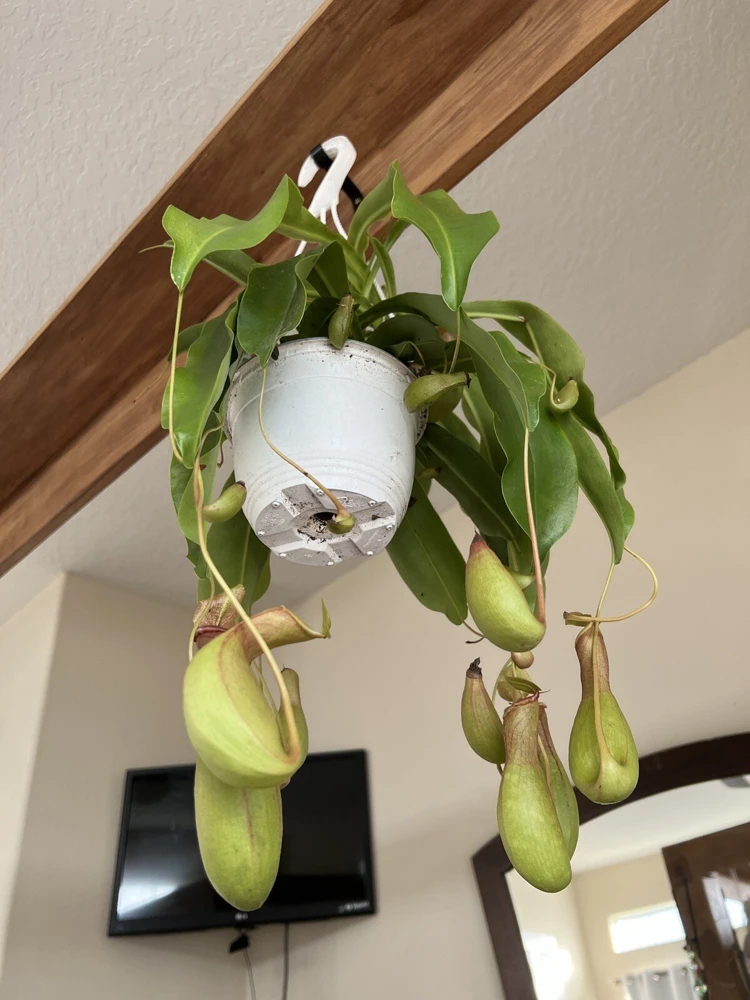
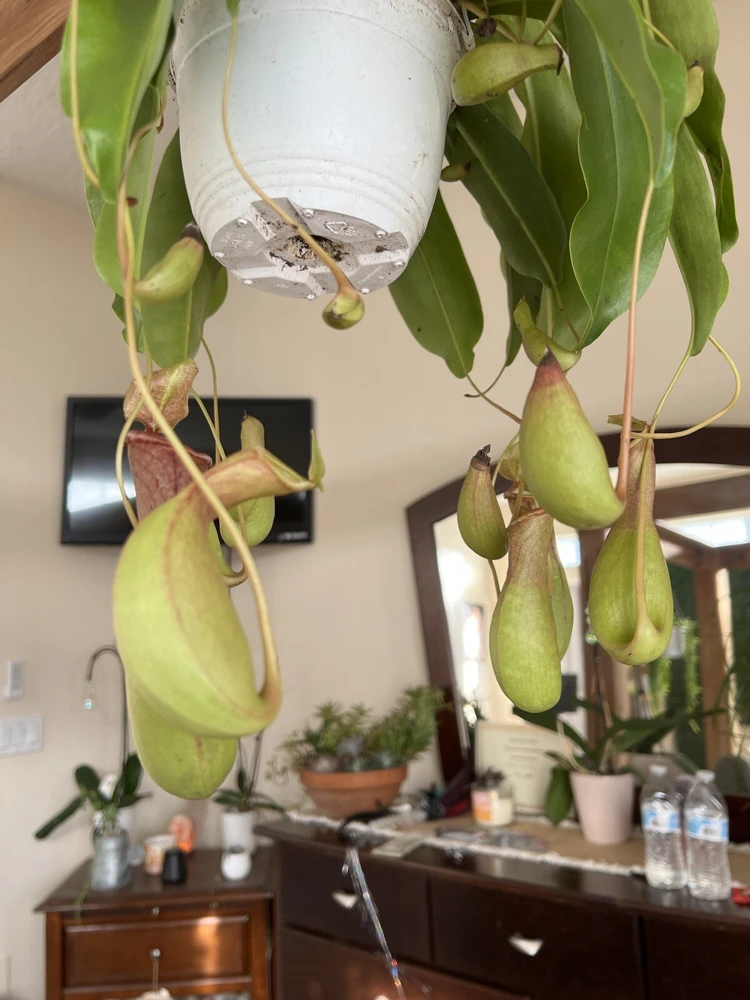
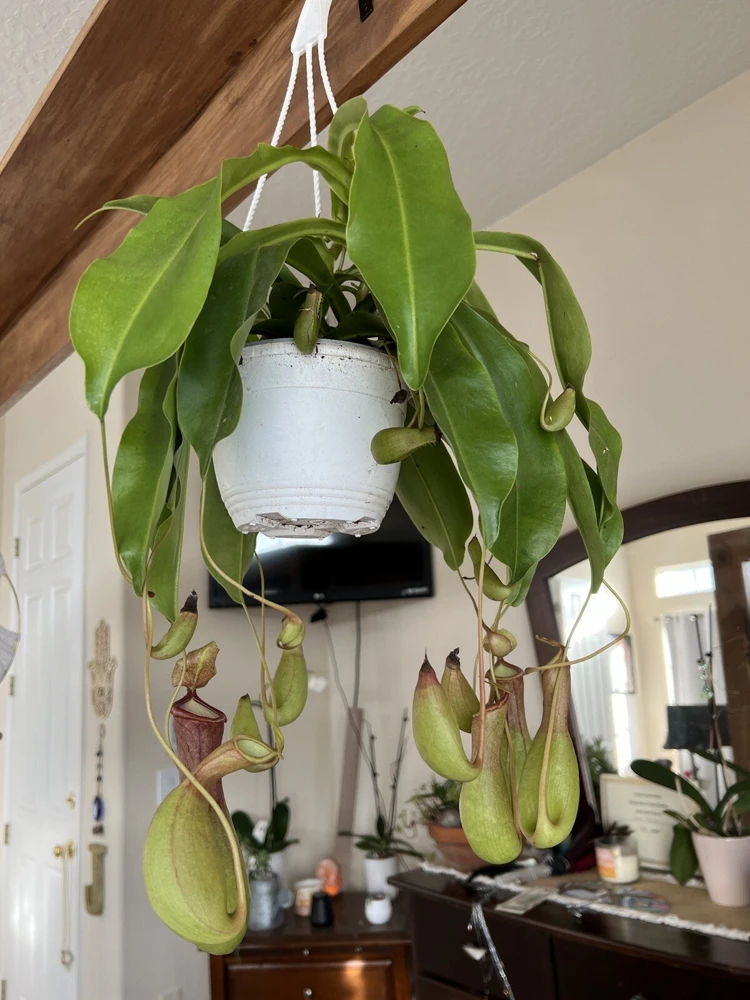
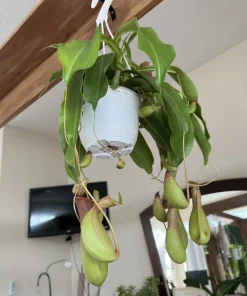
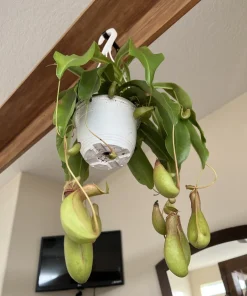
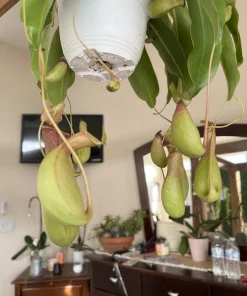
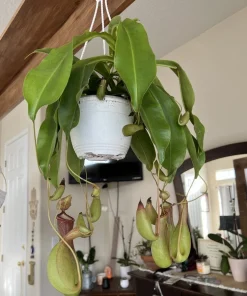
Nepenthes Pitcher Plant Live – Carnivorous Tropical Houseplant with Hanging Basket
Original price was: $72.99.$59.99Current price is: $59.99.
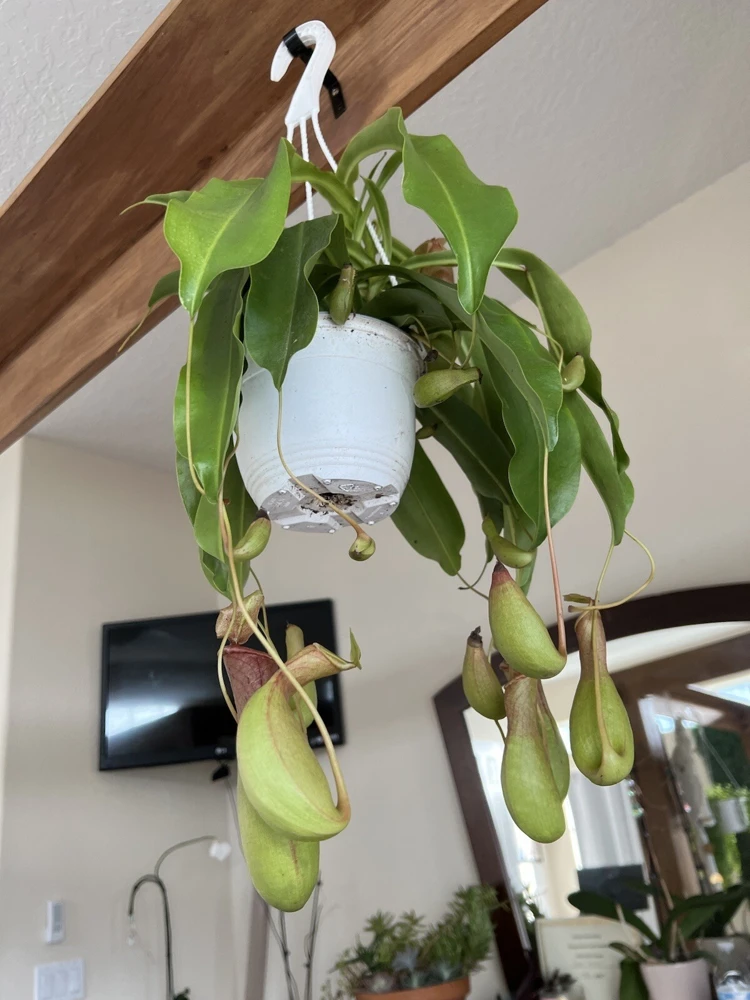
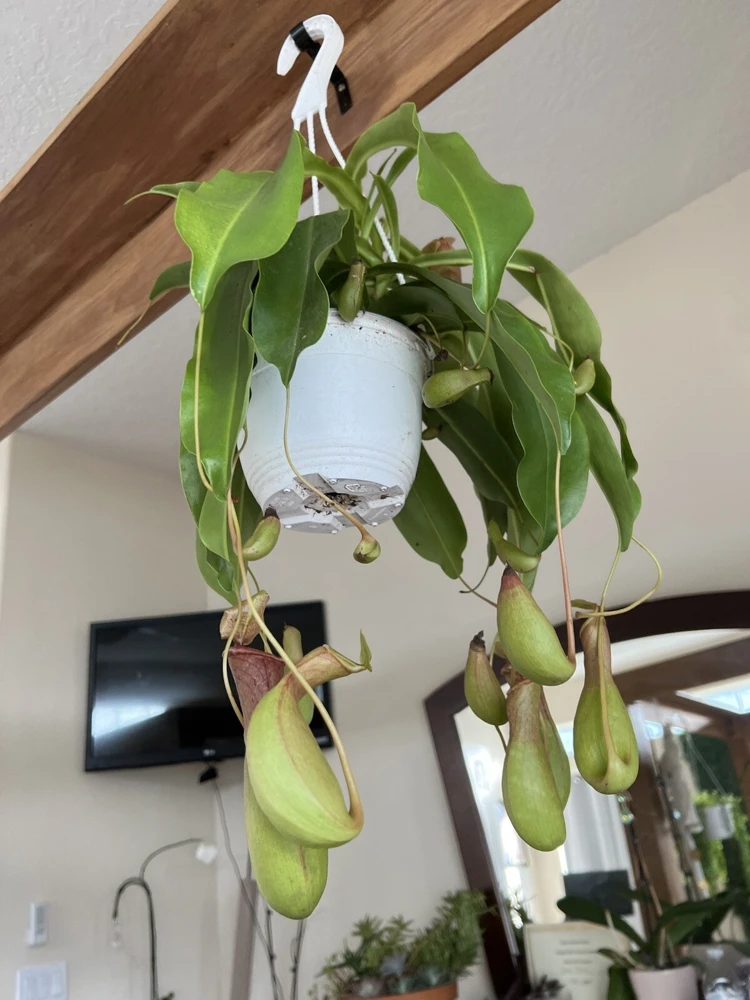
Bring home a fascinating Nepenthes Pitcher Plant, a unique carnivorous tropical houseplant known for its striking pitchers. This live plant comes with a convenient hanging basket, making it an ideal exotic accent for any indoor space. Enjoy its natural insect control and captivating appearance.
Estimated arrival
Oct 27
Nov 01 - Nov 03
Nov 06 - Nov 10
Shop With Confidence
30-Day Plant Health Guarantee
Arrives damaged? We’ll replace it free — see our return policy.
Responsive Support
Email us anytime, we reply within 1 business day.
Expert Packaging
Temperature-controlled shipping to protect your plants in transit.
Secure Checkout
Pay safely with Visa, Mastercard, PayPal.
Plant Specifications
-
USDA Hardiness Zone
USDA zones 10-11 (outdoors in summer), otherwise indoors -
Soil Type
Acidic, well-draining mix (sphagnum moss, perlite, orchid bark) -
Sunlight Exposure
Bright indirect light -
Expected Planting Period
Year-round indoors
Overview
Introducing the captivating Nepenthes Pitcher Plant, a truly remarkable addition to any plant collection. This live, exotic plant is renowned for its distinctive, pitcher-shaped leaves that serve as natural insect traps, making it a fascinating and functional centerpiece for your home. As a carnivorous tropical houseplant, the Nepenthes thrives in specific indoor conditions, offering a unique blend of beauty and ecological wonder. Originating from the tropical regions of Southeast Asia, these plants have evolved to capture insects, supplementing their nutritional needs in nutrient-poor environments. Each plant comes ready to display in a hanging basket, perfect for showcasing its cascading pitchers and intricate foliage. Commonly known as the tropical pitcher plant, Nepenthes species are celebrated for their diverse forms and vibrant colors, providing an endlessly intriguing display for plant enthusiasts.
The allure of the Nepenthes Pitcher Plant lies not only in its predatory nature but also in its aesthetic appeal. The pitchers, which are modified leaves, come in various shapes, sizes, and hues, often featuring intricate patterns and peristomes (the rim of the pitcher). This makes each plant a living work of art. Unlike many other houseplants, the Nepenthes offers an active interaction with its environment, as you can observe it catching small insects. It’s an excellent conversation starter and an educational tool, demonstrating the wonders of the natural world right in your living room. Experience the joy of nurturing an exotic species that brings both beauty and a touch of the wild indoors.
Key Benefits
The Nepenthes Pitcher Plant offers numerous advantages, from its unique aesthetic to its practical benefits as a natural pest controller and an educational marvel. This carnivorous tropical houseplant is more than just a decorative item; it’s a dynamic living organism that contributes to a healthier and more interesting indoor environment. Here are some of the key benefits:
- Natural Insect Control: The primary benefit of a Nepenthes Pitcher Plant is its ability to naturally trap and digest insects like flies, mosquitoes, and ants. This provides an eco-friendly way to manage common household pests without the need for harsh chemicals, contributing to a cleaner living space.
- Exotic Aesthetic Appeal: With its striking pitcher-shaped leaves and often vibrant colors, the Nepenthes adds a dramatic and exotic touch to any indoor setting. It’s a unique focal point that stands out from typical houseplants, enhancing your home decor with its unusual beauty.
- Educational Value: Observing a hanging pitcher plant in action provides a fascinating educational experience for all ages. It’s a living lesson in plant adaptation and biology, demonstrating how plants can evolve unique mechanisms to survive and thrive in challenging environments.
- Conversation Starter: The unusual nature of this carnivorous plant makes it an excellent conversation piece. Guests will be intrigued by its appearance and function, sparking discussions about botany, ecology, and the wonders of nature.
- Low Maintenance (Once Established): While requiring specific conditions, once the Nepenthes is established in the right environment, it can be relatively low maintenance. Consistent humidity and proper watering are key, but it doesn’t demand constant attention like some other delicate tropical plants.
- Air Purification: Like many houseplants, the Nepenthes contributes to improved indoor air quality by absorbing carbon dioxide and releasing oxygen, creating a fresher and healthier atmosphere in your home.
- Unique Indoor Gardening Experience: For those looking beyond traditional gardening, growing an exotic indoor plant like the Nepenthes offers a rewarding and distinctive challenge. It’s a chance to expand your horticultural skills and enjoy a truly special plant.
Plant Care & Growing Tips
Proper care is essential for your Nepenthes Pitcher Plant to thrive and produce abundant, healthy pitchers. These carnivorous tropical houseplants prefer consistent conditions that mimic their natural jungle habitat. The most crucial factors are humidity, light, watering, and growing medium. For light, Nepenthes prefer bright, indirect light. An east-facing window is often ideal, providing gentle morning sun. If you have a south or west-facing window, ensure the plant is set back a few feet or placed behind a sheer curtain to prevent scorching from direct, intense sunlight. Too little light will result in fewer or smaller pitchers, while too much direct sun can burn the leaves.
Watering is another critical aspect of pitcher plant care. Always use distilled water, rainwater, or reverse osmosis water, as Nepenthes are highly sensitive to the minerals and chemicals found in tap water. The soil should be kept consistently moist but never waterlogged. Allow the top inch or so of the growing medium to dry slightly between waterings. High humidity is vital for pitcher development; aim for 60-80% relative humidity. You can achieve this by misting daily, using a humidity tray, or placing the plant in a terrarium or near a humidifier. Avoid fertilizing your Nepenthes with traditional plant food, as their carnivorous nature means they derive nutrients from insects. If insect activity is low, you can occasionally place a small insect (like a dried mealworm) into a pitcher.
The ideal growing medium for a Nepenthes Pitcher Plant is a well-draining, acidic, and nutrient-poor mix. A common blend includes sphagnum moss, perlite, and orchid bark. Avoid standard potting soil. Temperatures should be warm, ideally between 65-85°F (18-29°C) during the day and not dropping below 55°F (13°C) at night. Most Nepenthes are tropical and do not tolerate cold. Repotting should only be done when the plant outgrows its container, typically every 1-2 years, using fresh carnivorous plant mix. Keep an eye out for pests like spider mites or mealybugs, which can be managed with insecticidal soap or neem oil, ensuring the plant remains a healthy and vibrant hanging pitcher plant.
Size & Details
This Nepenthes Pitcher Plant is a live specimen, carefully cultivated to ensure healthy growth upon arrival. Each plant is shipped fully rooted and established in a nursery pot, approximately 4-6 inches in diameter, and comes complete with a functional hanging basket, ready for immediate display. The overall height of the plant, including the hanging basket, typically ranges from 10-14 inches, depending on the specific growth stage and species. The pitchers themselves can vary in size and number, often reaching 2-4 inches in length on a mature plant, with new pitchers developing regularly under optimal conditions. This plant is a relatively fast grower, and with proper pitcher plant care, it will continue to produce new foliage and pitchers, creating an increasingly lush and attractive display.
As a carnivorous tropical houseplant, it is intended for indoor cultivation in most climates, though it can be placed outdoors in very warm, humid, and sheltered environments during summer months in USDA zones 10-11. The plant will arrive securely packaged to minimize stress during transit, ensuring it reaches you in excellent condition. Expect some minor leaf adjustments as it acclimates to its new environment. This exotic indoor plant is a long-lived species, capable of growing into a substantial specimen over many years with consistent care, offering enduring beauty and fascination.
Frequently Asked Questions
- Q: How big does this Nepenthes Pitcher Plant get? A: The plant typically arrives with a height of 10-14 inches including the hanging basket. With proper care, its vines can grow several feet long over time, and individual pitchers can reach 2-4 inches, creating a cascading effect.
- Q: Is this an indoor or outdoor plant? A: The Nepenthes Pitcher Plant is primarily an indoor plant, especially in temperate climates, due to its need for high humidity and warm temperatures. It can be moved outdoors in very warm, humid, and shaded conditions during the summer months in suitable tropical zones (USDA 10-11).
- Q: How much sunlight does my hanging pitcher plant need? A: It requires bright, indirect light. An east-facing window is often ideal. Avoid direct, harsh afternoon sun, which can scorch the leaves and pitchers. Filtered light or a location a few feet from a south or west window works best.
- Q: Is this plant easy to care for? Is it good for beginners? A: While Nepenthes have specific care requirements for humidity and water quality, they can be a rewarding plant for beginners willing to learn. Consistency in watering with purified water and providing high humidity are the most crucial aspects of pitcher plant care.
- Q: What condition will the carnivorous tropical houseplant arrive in? A: Your plant will arrive as a live, healthy, and fully rooted specimen in a nursery pot with a hanging basket. It will be carefully packaged to protect it during shipping, though some minor leaf adjustments after transit are normal.
- Q: How often should I water my Nepenthes? A: Keep the growing medium consistently moist, but not waterlogged. Allow the top inch to dry slightly between waterings. Always use distilled, rainwater, or reverse osmosis water to prevent mineral buildup.
- Q: Does this exotic indoor plant need fertilizer? A: No, Nepenthes typically do not need traditional fertilizer. They get their nutrients from the insects they catch. If insect activity is low, you can occasionally drop a small, dead insect into a pitcher.
- Q: What kind of soil does a Nepenthes need? A: It requires a well-draining, acidic, and nutrient-poor mix. A common blend includes long-fiber sphagnum moss, perlite, and orchid bark. Do not use standard potting soil.
- Q: What temperatures are best for a Nepenthes Pitcher Plant? A: Ideal temperatures are between 65-85°F (18-29°C) during the day and not below 55°F (13°C) at night. They are tropical plants and are sensitive to cold drafts.
- Q: Will the hanging basket be included with the plant? A: Yes, the Nepenthes Pitcher Plant comes with a suitable hanging basket, making it ready to display and enjoy upon arrival.
Be the first to review “Nepenthes Pitcher Plant Live – Carnivorous Tropical Houseplant with Hanging Basket”
People Also Viewed
Flower Seeds
Reviews
There are no reviews yet.