

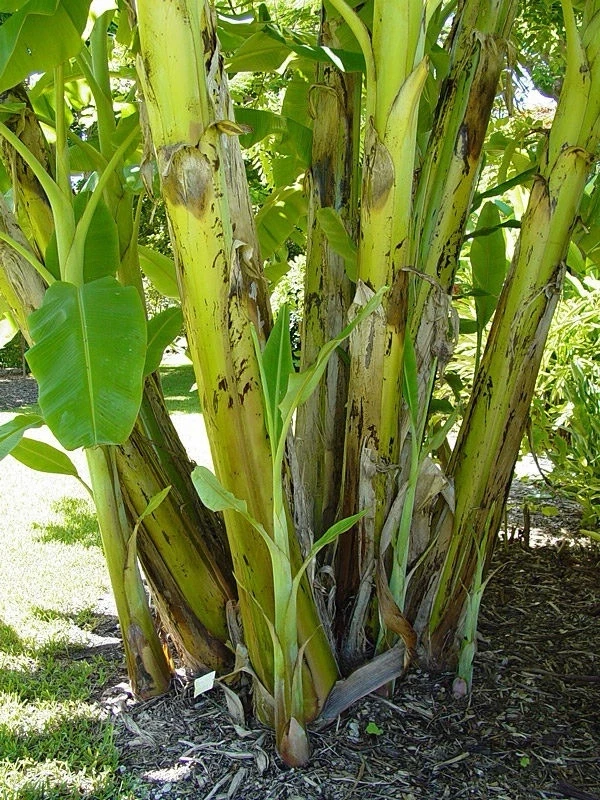
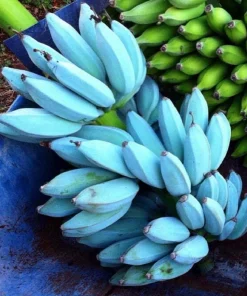

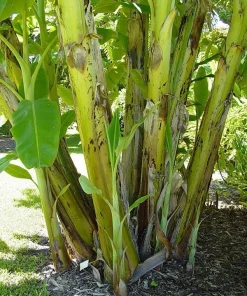
Blue Java Banana Tree Live Plant – Ice Cream Banana Fruit Tree
Original price was: $84.99.$69.99Current price is: $69.99.
Cultivate your own tropical paradise with the unique blue java banana tree live plant. This captivating variety, also known as the ice cream banana plant, produces creamy, sweet fruit with a distinctive vanilla-like flavor. Ideal for warm climates or container growing in cooler regions.
Estimated arrival
Oct 27
Nov 01 - Nov 03
Nov 06 - Nov 10
Shop With Confidence
30-Day Plant Health Guarantee
Arrives damaged? We’ll replace it free — see our return policy.
Responsive Support
Email us anytime, we reply within 1 business day.
Expert Packaging
Temperature-controlled shipping to protect your plants in transit.
Secure Checkout
Pay safely with Visa, Mastercard, PayPal.
Plant Specifications
-
USDA Hardiness Zone
USDA Zones 8-11 -
Soil Type
Rich, well-draining loamy soil -
Sunlight Exposure
Full sun (6-8+ hours direct light) -
Expected Planting Period
Spring to early summer
Overview
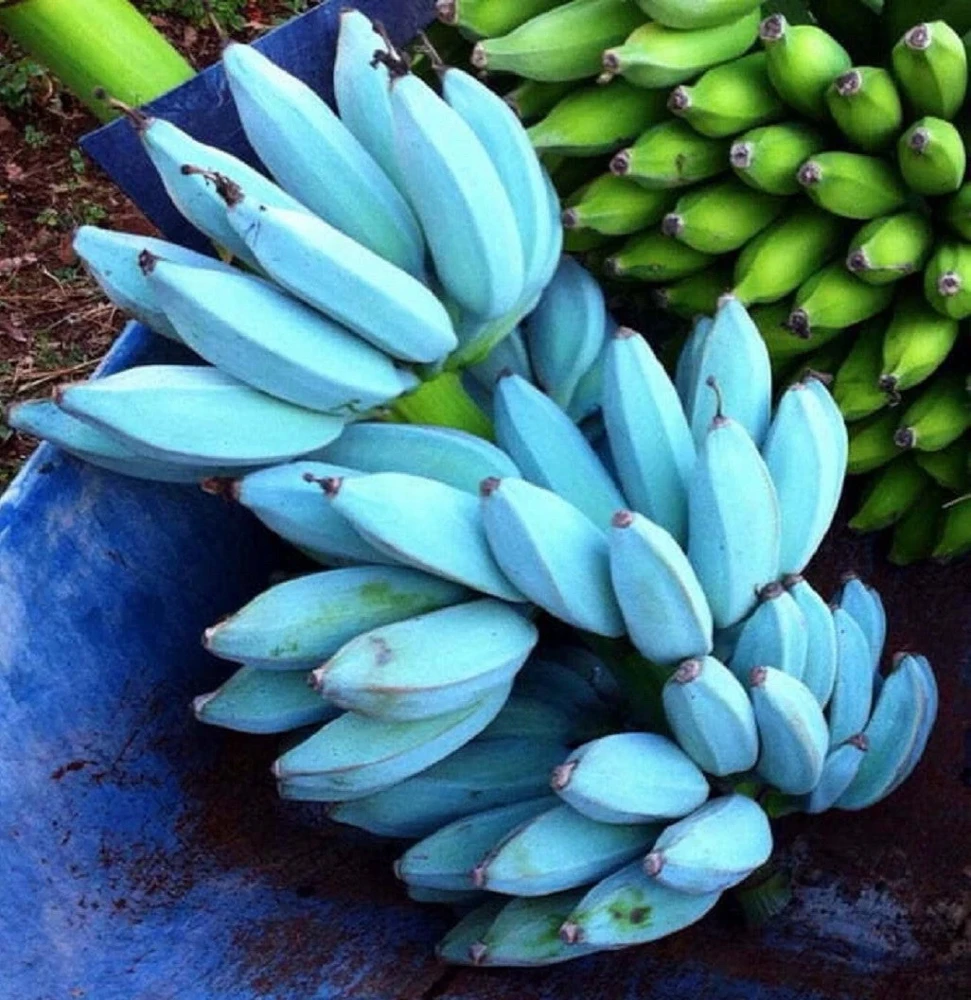
Embark on a tropical gardening adventure with the exquisite blue java banana tree live plant. Revered for its unique fruit, often called the “Ice Cream Banana” due to its sweet, custard-like texture and vanilla-hinted flavor, this plant (Musa acuminata × balbisiana ‘Blue Java’ or sometimes referred to as musa itinerans for similar cold-hardy types) is a must-have for fruit enthusiasts and exotic plant collectors. Originating from Southeast Asia, the Blue Java banana is distinct for its striking blue-green skin when unripe, which ripens to a pale yellow. Growing your own provides a fresh, organic source of this rare and delicious fruit, transforming your garden or patio into a vibrant, productive oasis. This particular variety is known for its ability to withstand cooler temperatures compared to many other banana types, making it a popular choice for those looking for a relatively cold hardy banana tree.
This blue java banana tree live plant arrives ready to thrive, offering both ornamental beauty and the promise of a bountiful harvest. Its large, lush leaves create a stunning focal point, while the eventual fruit provides a truly unique culinary experience. Whether you’re an experienced gardener or just starting, cultivating an ice cream banana plant is a rewarding endeavor that brings a taste of the tropics right to your home.
Key Benefits
Adding a blue java banana tree live plant to your collection offers numerous advantages, from its aesthetic appeal to its delicious yield. This unique fruit tree provides both visual interest and a delectable harvest.
- Exotic Fruit Production: Enjoy the rare and highly sought-after Ice Cream Banana, famous for its sweet, creamy, vanilla-flavored pulp. Growing your own ensures a fresh supply of this unique fruit.
- Stunning Ornamental Value: The large, paddle-shaped leaves and vigorous growth of the ice cream banana plant create a dramatic, tropical aesthetic, perfect for landscaping or as a patio centerpiece.
- Relatively Cold Hardy: Compared to many other banana varieties, the Blue Java exhibits better cold tolerance, making it suitable for a wider range of growing zones, especially as a cold hardy banana tree.
- Fast Growing: With proper care, this banana tree grows quickly, allowing you to enjoy its beauty and fruit sooner.
- Source of Fresh Produce: Cultivating your own fruit reduces reliance on store-bought items and provides the satisfaction of harvesting fresh, organic produce directly from your garden.
- Educational Experience: Growing a tropical fruit like the Blue Java can be a fascinating and educational experience for gardeners of all ages, teaching about exotic plant care and fruit development.
- Unique Culinary Ingredient: The distinct flavor of the Ice Cream Banana makes it a versatile ingredient for desserts, smoothies, or simply enjoyed fresh.
Plant Care & Growing Tips
Caring for your blue java banana tree live plant requires attention to its tropical origins, ensuring it receives adequate light, water, and nutrients to flourish and produce fruit. Understanding the specific needs for blue java banana care will lead to a healthy and productive plant.
Sunlight Requirements: Blue Java banana trees thrive in full sun, ideally receiving at least 6-8 hours of direct sunlight per day. In very hot climates, some afternoon shade can be beneficial to prevent leaf scorch. If grown indoors, place it in the brightest possible location, such as a south-facing window, or supplement with grow lights. Adequate light is crucial for fruit development.
Watering Schedule and Soil Moisture: These plants are heavy drinkers. The soil should be kept consistently moist but not waterlogged. Water deeply when the top inch of soil feels dry to the touch. During hot, dry periods, daily watering may be necessary. Ensure good drainage to prevent root rot. Reduced watering is needed during cooler months or if the plant is dormant.
Soil Type and Drainage: A rich, well-draining soil mix is essential. A blend of loamy soil, compost, and perlite or sand works well to provide both nutrients and proper drainage. Banana trees are heavy feeders, so enriching the soil with organic matter regularly is beneficial. Good drainage is paramount to prevent waterlogging, which can quickly lead to root issues. For container growing, use a large pot with drainage holes.
Temperature Range and USDA Hardiness Zone: The Blue Java banana is considered more cold-tolerant than many other varieties, making it a good cold hardy banana tree option. It prefers temperatures between 65°F and 85°F (18°C-29°C). While it can tolerate brief dips to around 20°F (-6°C) with protection, it is best grown in USDA Zones 8-11. In colder zones, it can be grown in containers and brought indoors during winter or heavily mulched to protect the corm. Protecting the plant from frost is vital for survival.
Fertilization Schedule and Type: Banana trees are heavy feeders and require regular fertilization, especially during the growing season (spring through fall). Use a balanced fertilizer (e.g., 8-10-8 or similar) or one slightly higher in potassium for fruit development. Fertilize every 2-4 weeks according to product instructions. Reduce or stop fertilizing during winter dormancy.
Common Problems and Solutions: Watch for common pests like spider mites, aphids, and scale. Treat with insecticidal soap or neem oil. Yellowing leaves can indicate overwatering, underwatering, or nutrient deficiency. Brown, crispy leaf edges often point to underwatering or low humidity. Ensure proper watering and feeding for optimal health of your blue java banana tree live plant.
Size & Details
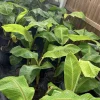
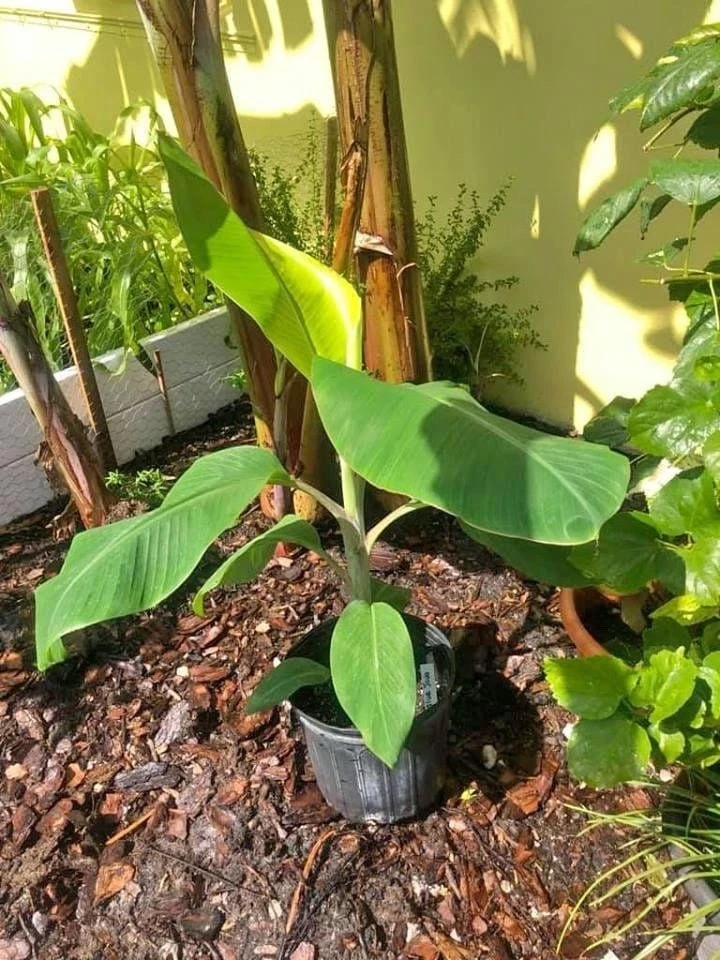
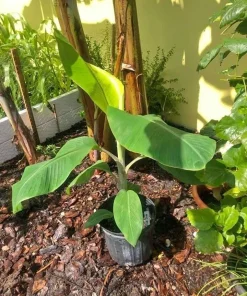
This blue java banana tree live plant is typically shipped as a well-rooted plant, ready for immediate planting. The exact size will vary depending on availability and time of year, but plants usually range from 6 to 18 inches tall upon arrival, often in a nursery pot. With optimal conditions, the Blue Java banana tree can reach mature heights of 10-15 feet in the ground, though it will remain smaller when grown in containers, typically 6-10 feet. It exhibits a moderate to fast growth rate, potentially producing fruit within 1-2 years under ideal tropical conditions. The leaves can grow several feet long, creating an impressive canopy. The plant will develop suckers (pups) at its base, which can be separated to propagate new plants, ensuring a continuous supply of this delicious fruit. This makes it a sustainable choice for your garden.
Frequently Asked Questions
- Q: How big does this plant get? A: In ideal ground conditions, a blue java banana tree live plant can reach heights of 10-15 feet. When grown in a large container, it typically remains smaller, often between 6-10 feet tall, making it manageable for patios or indoor spaces.
- Q: What size pot does it come in? A: The blue java banana tree live plant usually arrives in a nursery pot, with the specific size varying based on the plant’s age and growth stage, typically a 4-inch or 6-inch pot. It is recommended to transplant it into a larger pot or the ground upon arrival.
- Q: Is this an indoor or outdoor plant? A: The ice cream banana plant can be grown both indoors and outdoors. It thrives outdoors in USDA Zones 8-11. In colder climates, it is best grown in a container and brought indoors during the winter months, or heavily mulched if left outside as a cold hardy banana tree.
- Q: How much sunlight does it need? A: This plant requires full sun, meaning at least 6-8 hours of direct sunlight daily for optimal growth and fruit production. If growing indoors, place it in the brightest possible location.
- Q: Is this plant easy to care for? A: While tropical, with consistent watering, ample sunlight, and regular feeding, the blue java banana tree live plant is moderately easy to care for. It’s a good choice for gardeners with some experience or those willing to learn about tropical plant care.
- Q: What condition will it arrive in? A: Your blue java banana tree live plant will arrive as a healthy, well-rooted plant, carefully packaged to ensure its safe journey. Some slight leaf stress may occur during transit, which is normal and the plant will recover quickly once acclimated.
- Q: How long until it produces fruit? A: Under optimal growing conditions, a Blue Java banana tree can begin producing fruit within 12-24 months from planting. Factors like climate, care, and plant maturity will influence the exact timeline.
- Q: When is the best time to plant? A: The best time to plant your ice cream banana plant is in spring or early summer after all danger of frost has passed, when temperatures are consistently warm. This allows the plant ample time to establish itself.
- Q: Will it survive winter in my zone? A: The Blue Java banana is considered a cold hardy banana tree, tolerating temperatures down to around 20°F (-6°C) with protection. In zones colder than USDA Zone 8, it will need to be brought indoors or heavily mulched to protect the corm from freezing.
- Q: How do I manage the suckers (pups)? A: The musa itinerans variety, like other bananas, produces suckers or pups from its base. You can allow a few to grow to replace the main stem after it fruits and dies back, or remove them to encourage the main plant’s growth. They can also be separated to propagate new plants.
Be the first to review “Blue Java Banana Tree Live Plant – Ice Cream Banana Fruit Tree”
People Also Viewed
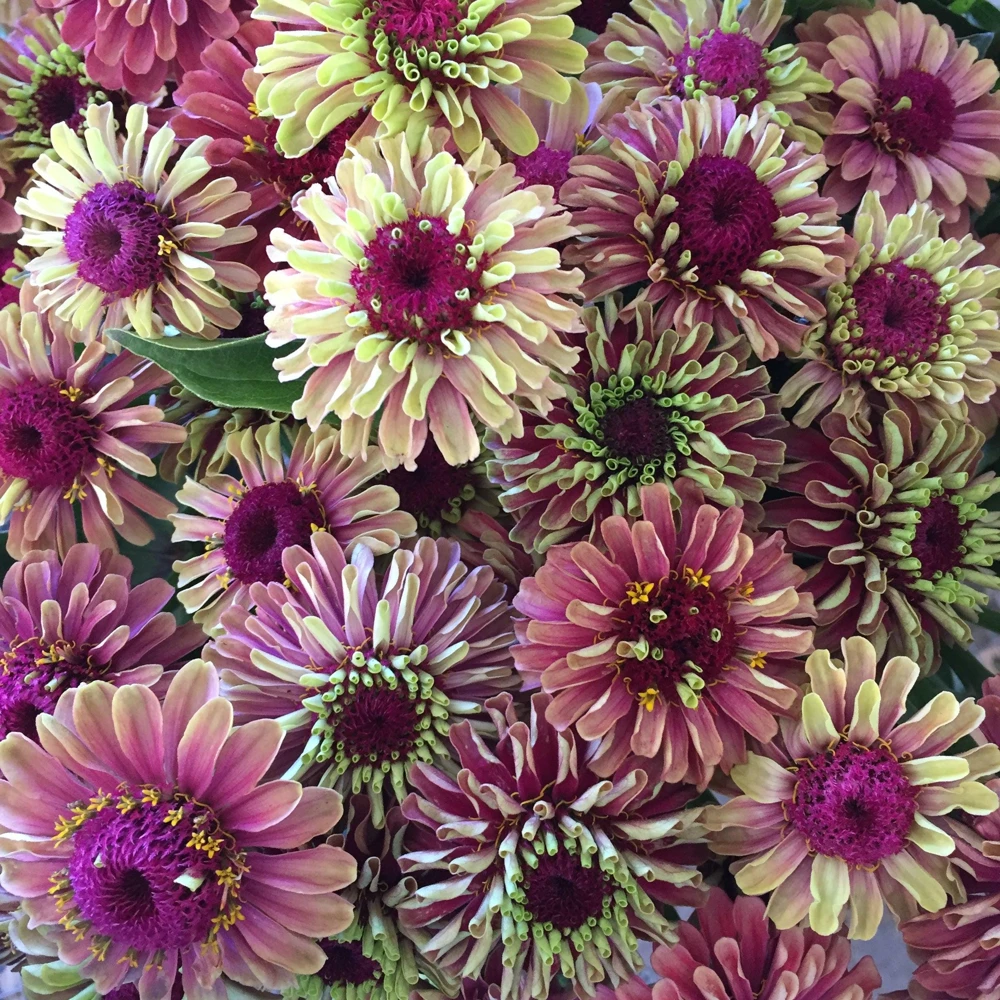
Flower Seeds
20 Organic Queeny Lime Mix Zinnia Elegans Seeds – Mixed Colors Red Orange Yellow Pink Green
Fruits
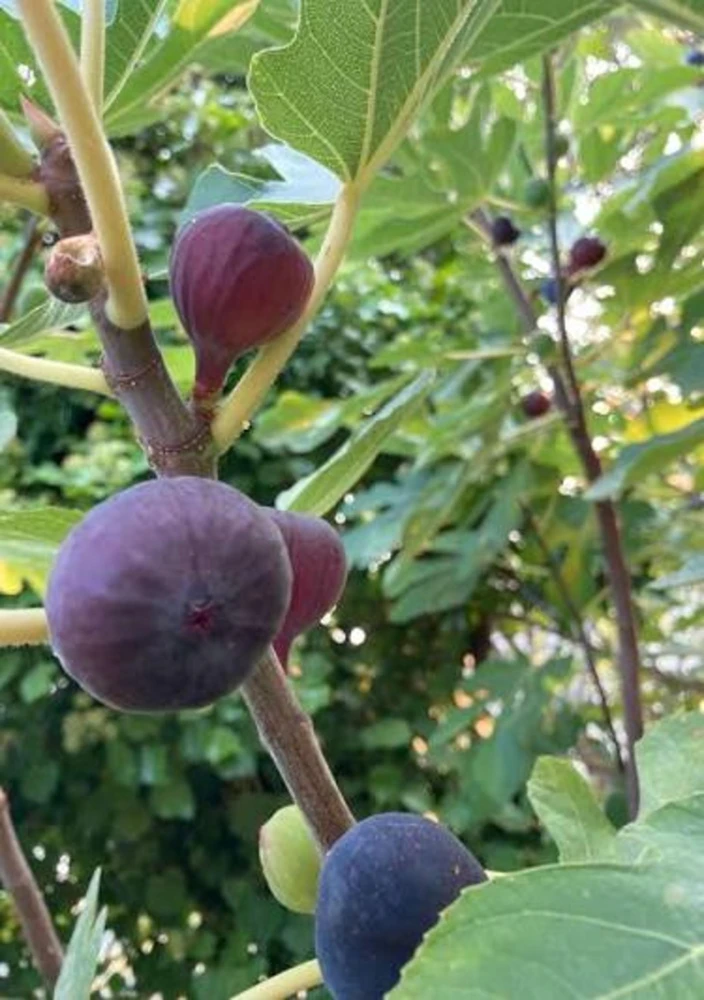
3 Olympian Fig Tree Live Plant Starter Plugs – Cold Hardy Ficus Carica Fruit Tree, Zones 6-11
Reviews
There are no reviews yet.