
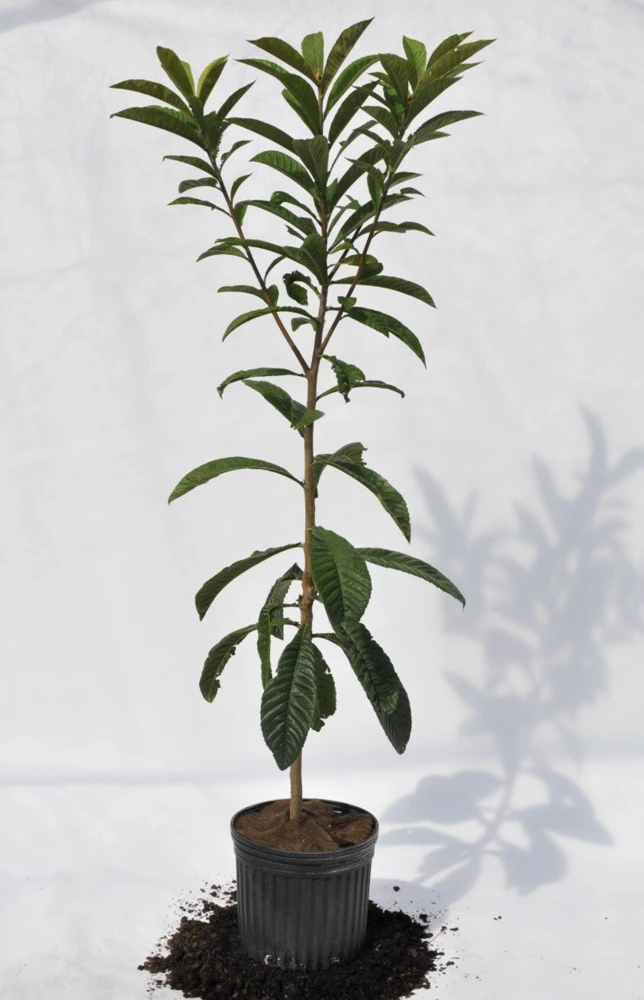
Organic Loquat Tree Live Plant – Evergreen Fruit Tree, Potted
Original price was: $60.99.$49.99Current price is: $49.99.
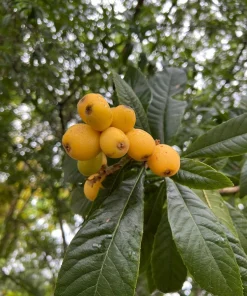
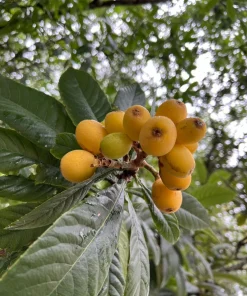
Bring home an organic loquat tree live plant, a beautiful evergreen fruit tree. Enjoy fresh, sweet loquats directly from your garden. This resilient plant is ideal for edible landscapes and can thrive in a container.
Estimated arrival
Oct 27
Nov 01 - Nov 03
Nov 06 - Nov 10
Shop With Confidence
30-Day Plant Health Guarantee
Arrives damaged? We’ll replace it free — see our return policy.
Responsive Support
Email us anytime, we reply within 1 business day.
Expert Packaging
Temperature-controlled shipping to protect your plants in transit.
Secure Checkout
Pay safely with Visa, Mastercard, PayPal.
Plant Specifications
-
USDA Hardiness Zone
USDA zones 8-10 -
Soil Type
Well-draining soil -
Sunlight Exposure
Full sun -
Expected Planting Period
Spring to early fall
Overview
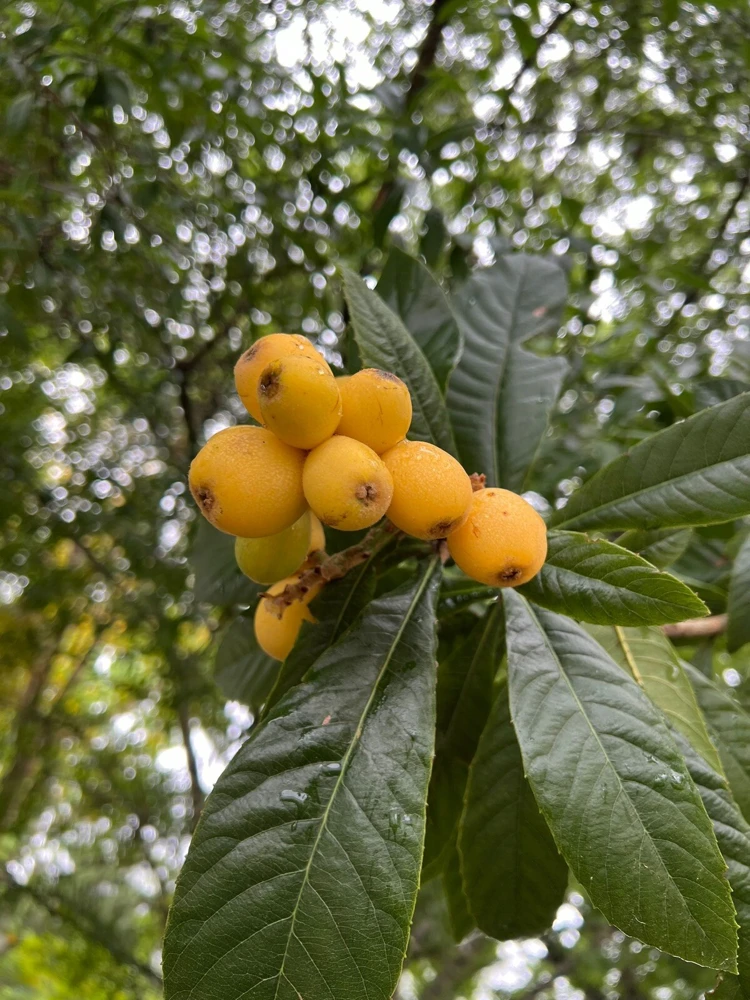
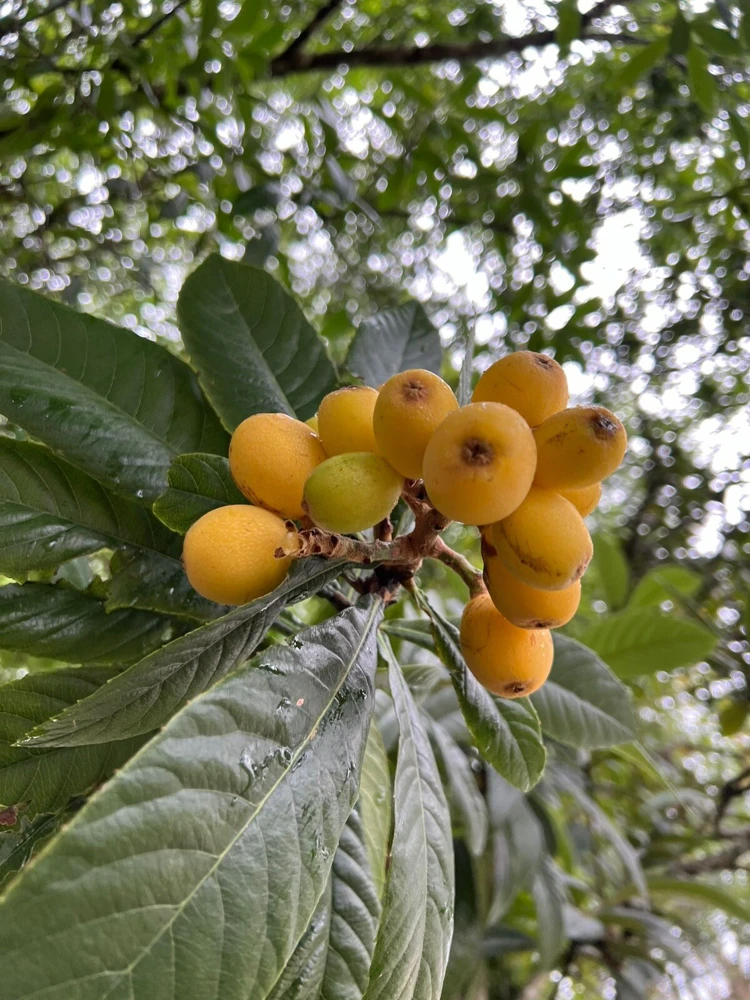
Cultivate your own delicious and exotic fruit with this premium organic loquat tree live plant. The loquat (Eriobotrya japonica) is a charming evergreen fruit tree known for its attractive foliage, fragrant flowers, and sweet, tangy fruits. Originating from China, this adaptable tree has become a favorite in many subtropical and warm temperate regions around the world. Our organic loquat tree live plant arrives ready to thrive in your garden or a large container, promising a bountiful harvest of juicy, golden-yellow loquats. It’s an excellent choice for gardeners looking for an ornamental yet productive addition to their landscape.
This particular offering is an evergreen fruit tree, meaning it retains its lush green leaves throughout the year, providing continuous beauty even when not in fruit. The loquat tree adds significant aesthetic appeal with its large, dark green, leathery leaves and compact growth habit when young. As it matures, it develops a rounded canopy, making it a wonderful shade tree or a focal point in your edible garden. Growing a loquat fruit tree is a rewarding experience, offering both visual pleasure and the joy of harvesting your own fresh, organic produce.
Key Benefits
An organic loquat tree live plant offers a multitude of benefits, from its ornamental value to its delicious fruit and ease of care. It’s a fantastic addition for both experienced and novice gardeners.
- Delicious, Nutritious Fruit: Harvest your own sweet and tangy loquats, rich in vitamins A and C, fiber, and antioxidants. The fruit is excellent for fresh eating, jams, jellies, or preserves.
- Evergreen Beauty: Enjoy year-round lush greenery with its attractive, large, dark green leaves. This makes it a perfect ornamental plant for any season, providing continuous visual interest.
- Low Maintenance: Once established, loquat trees are relatively easy to care for, requiring minimal pruning and watering, especially in suitable climates. This makes it an ideal loquat fruit tree for busy gardeners.
- Versatile Planting: Suitable for planting directly in the ground in warmer climates or growing in large containers on patios and balconies in cooler regions, allowing for portability.
- Spring Blooms: The tree produces fragrant, white flowers in late fall to early winter, adding a delightful scent to your garden during a time when many other plants are dormant.
- Attracts Pollinators: The fragrant flowers are a magnet for bees and other beneficial pollinators, contributing to the health and biodiversity of your garden ecosystem.
- Edible Landscaping: Integrates beautifully into edible landscapes, providing both aesthetic appeal and a source of fresh fruit, enhancing the functionality of your garden space.
Plant Care & Growing Tips
Caring for your organic loquat tree live plant is straightforward, ensuring a healthy tree and abundant fruit production. Loquats are relatively hardy and adaptable, but providing optimal conditions will yield the best results. Start by choosing a location that receives ample sunlight. Loquats thrive in full sun, meaning at least 6-8 hours of direct sunlight per day. While they can tolerate partial shade, fruit production may be reduced. When planting, ensure good air circulation around the tree to prevent fungal issues.
For soil, loquats prefer well-draining soil. They are not particular about soil type and can grow in sandy, loamy, or clay soils, as long as drainage is adequate. Amend heavy clay soils with organic matter to improve drainage. Water newly planted trees regularly to establish a strong root system, typically 2-3 times a week for the first few months. Once established, loquat trees are somewhat drought-tolerant, but consistent watering during dry spells and fruit development will promote larger, juicier fruit. Avoid overwatering, as this can lead to root rot. To grow loquat tree successfully, ensure it has consistent moisture but never waterlogged feet.
Loquats are subtropical plants and prefer mild winters. They are generally hardy in USDA Zones 8-10, though some varieties can tolerate Zone 7 with protection. Protect young trees from hard freezes. Fertilize your evergreen fruit tree with a balanced slow-release fertilizer in early spring and again in mid-summer. Avoid fertilizing in late fall to prevent new growth that could be damaged by winter frosts. Pruning is generally minimal, focused on removing dead or diseased branches and shaping the tree for aesthetic or harvest purposes. Keep an eye out for common pests like aphids or scale and treat with organic pest control methods if necessary. Understanding loquat plant care ensures a thriving, productive tree.
Size & Details
This organic loquat tree live plant typically ships as a young, actively growing specimen, ready for transplanting. While the exact height may vary, it is generally shipped in a nursery pot, ensuring its roots are well-protected and established for a smooth transition to your garden. Loquat trees have a moderate growth rate, and with proper care, you can expect them to reach a mature height of 10-25 feet, though they can be kept smaller with pruning. The canopy can spread equally wide, providing ample shade and fruit-bearing branches. This evergreen fruit tree is ideal for those looking to add a long-term, productive plant to their landscape.
When you grow loquat tree, you can anticipate fruit production usually within 2-3 years, depending on growing conditions and variety. The plant will arrive carefully packaged to minimize stress during transit, ensuring it reaches you in optimal health. It is potted in a suitable growing medium, providing the necessary nutrients for its initial growth. This loquat fruit tree is a fantastic investment for fresh, homegrown fruit for years to come.
Frequently Asked Questions
- Q: How big does this organic loquat tree live plant get? A: With proper care, a loquat tree can reach a mature height of 10-25 feet and spread equally wide. Its size can be managed with regular pruning to fit smaller garden spaces or containers.
- Q: Is this an indoor or outdoor plant? A: While young loquat trees can be kept indoors temporarily in a bright, sunny spot, they are primarily outdoor plants. They thrive best when planted in the ground or a large container outdoors in USDA Zones 8-10.
- Q: How much sunlight does my loquat fruit tree need? A: Loquat trees require full sun, meaning at least 6-8 hours of direct sunlight per day, for optimal growth and fruit production. They can tolerate partial shade, but fruiting may be reduced.
- Q: Is this plant easy to care for? A: Yes, loquat trees are considered relatively easy to care for once established. They are quite resilient and require basic attention to watering, sunlight, and occasional fertilization, making loquat plant care manageable for most gardeners.
- Q: What condition will the evergreen fruit tree arrive in? A: Your loquat tree will arrive as a live, actively growing plant, carefully packaged in a nursery pot with its root ball intact and sufficient soil to ensure its health during transit.
- Q: When is the best time to plant a loquat tree? A: The best time to plant a loquat tree is in spring or early fall, allowing the plant to establish its root system before the extreme heat of summer or cold of winter.
- Q: What kind of soil is best for a loquat tree? A: Loquat trees prefer well-draining soil. They are adaptable to various soil types, including sandy, loamy, or clay, as long as the drainage is good. Amending with organic matter can improve soil structure.
- Q: How long until my organic loquat tree live plant produces fruit? A: Typically, a loquat tree will begin to produce fruit within 2-3 years of planting, though this can vary depending on growing conditions and the specific variety.
- Q: Can I grow a loquat tree in a container? A: Yes, loquat trees can be successfully grown in large containers, especially in regions with colder winters, allowing them to be moved indoors for protection. Ensure the container has good drainage.
- Q: Will this tree attract pests? A: While generally robust, loquat trees can occasionally attract common garden pests like aphids or scale. Regular inspection and organic pest control methods can keep these issues in check, helping you to grow loquat tree successfully.
Be the first to review “Organic Loquat Tree Live Plant – Evergreen Fruit Tree, Potted”
People Also Viewed
Flowers
Shampoo Ginger Rhizomes – Zingiber Zerumbet Pine Cone Ginger Tropical Plant – Perennial, Easy Care
Vegetable Seeds
Golden Jubilee Tomato Seeds – 150 Yellow Lycopersicon Lycopersicum Fruit Vegetable Seeds
Reviews
There are no reviews yet.