
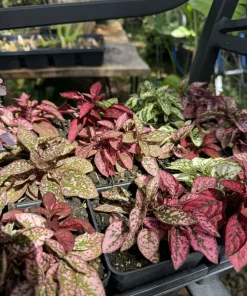
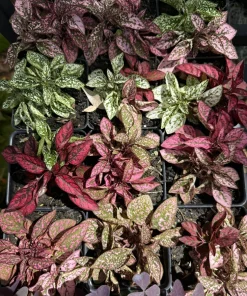
Polka Dot Plant Live – Hypoestes Phyllostachya Colorful Houseplant in Nursery Pot
Original price was: $26.99.$21.99Current price is: $21.99.
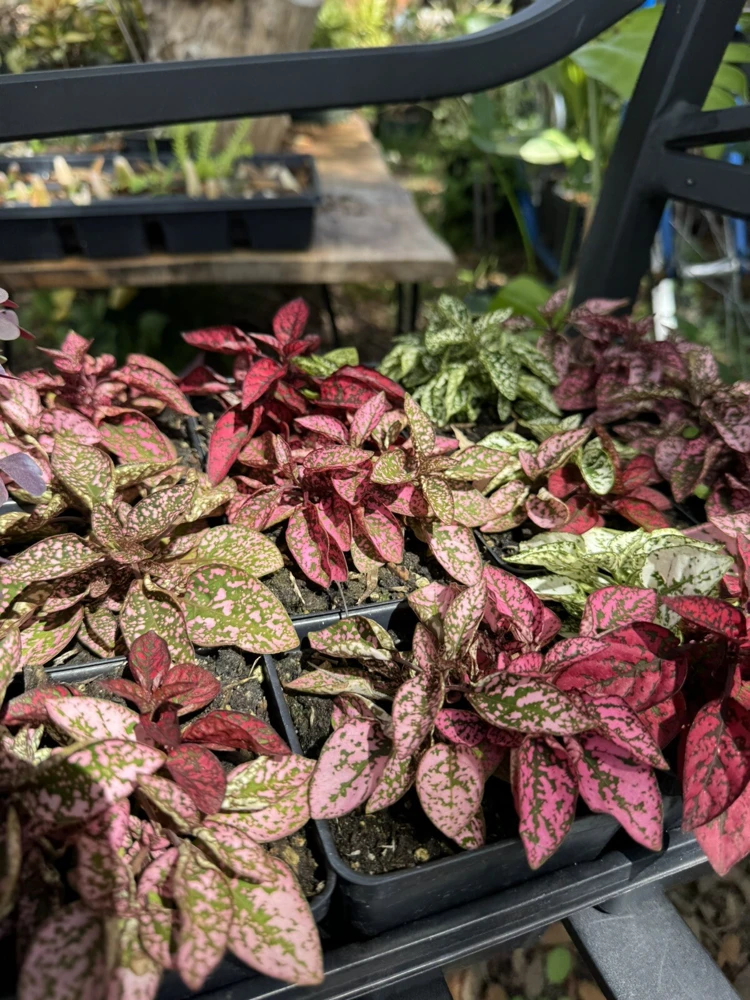
Brighten your home with a vibrant polka dot plant live (Hypoestes phyllostachya). This eye-catching colorful houseplant is known for its distinctive patterned foliage, making it a perfect decorative addition to any indoor space. Easy to grow and maintain, it thrives in typical home environments.
Estimated arrival
Oct 27
Nov 01 - Nov 03
Nov 06 - Nov 10
Shop With Confidence
30-Day Plant Health Guarantee
Arrives damaged? We’ll replace it free — see our return policy.
Responsive Support
Email us anytime, we reply within 1 business day.
Expert Packaging
Temperature-controlled shipping to protect your plants in transit.
Secure Checkout
Pay safely with Visa, Mastercard, PayPal.
Plant Specifications
-
USDA Hardiness Zone
USDA zones 10-11 (outdoors); typically grown indoors -
Soil Type
Well-draining potting mix -
Sunlight Exposure
Bright indirect light -
Expected Planting Period
Year-round indoors
Overview
Introduce a burst of vibrant color and unique texture to your indoor plant collection with the polka dot plant live. Known scientifically as Hypoestes phyllostachya, this charming houseplant is celebrated for its distinctive foliage, which appears as if splattered with bright, contrasting dots. Originally from Madagascar, the polka dot plant live has become a beloved choice for plant enthusiasts seeking an easy-to-care-for and visually striking specimen. Its compact size and lively appearance make it an ideal desk plant, shelf accent, or a colorful addition to mixed planters. This live plant arrives ready to thrive in your home, bringing instant cheer and a touch of the tropics.
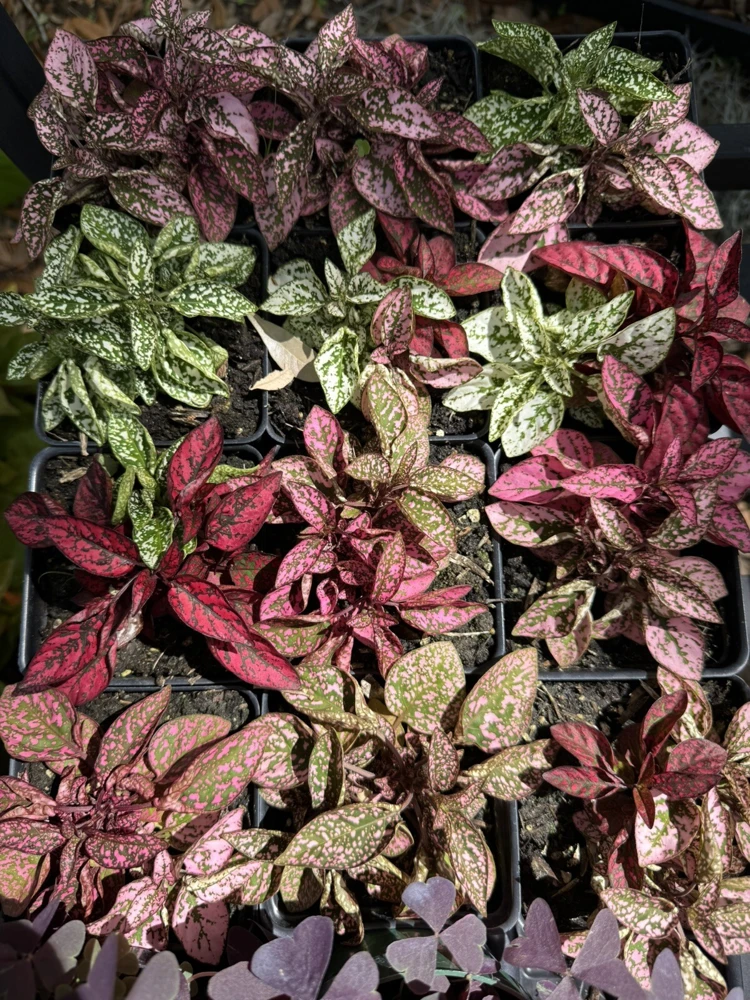
The Hypoestes phyllostachya, often simply called the polka dot plant, features oval-shaped leaves that are typically green with spots of pink, white, or red. These spots can vary in intensity and coverage, creating a dynamic and ever-changing display. While it does produce small, inconspicuous flowers, the primary appeal of this plant lies in its captivating variegated leaves. It’s an excellent choice for adding a playful and whimsical element to your decor, requiring minimal effort to maintain its stunning looks. Whether you’re a seasoned plant parent or just starting your green journey, the indoor polka dot plant is a rewarding addition.
Key Benefits
Adding a polka dot plant live to your home offers numerous advantages, enhancing both your living space and your well-being. Its unique aesthetic and straightforward care regimen make it a popular choice for many. Here are some of the key benefits:
- Stunning Visual Appeal: The primary draw of the polka dot plant is its vibrant, spotted foliage. The contrasting colors of green with pink, white, or red dots create a dynamic and appealing display that brightens any room and adds a unique decorative touch. It’s a true conversation starter.
- Compact & Versatile Size: This plant typically remains relatively small and bushy, making it perfect for windowsills, desks, shelves, or as part of a terrarium. Its manageable size means it can fit into various spaces without overwhelming them.
- Easy Care for Beginners: The hypoestes phyllostachya care requirements are relatively simple, making it an excellent choice for novice plant owners. It’s forgiving of minor inconsistencies in watering and light, bouncing back quickly.
- Boosts Mood & Ambiance: The presence of plants, especially colorful ones like the polka dot plant, has been shown to improve mood, reduce stress, and create a more serene and inviting atmosphere in your home or office.
- Non-Toxic to Pets: While it’s always best to prevent pets from munching on plants, the polka dot plant is generally considered non-toxic to cats and dogs, offering peace of mind for pet owners. Always supervise pets around new plants.
- Variety of Polka Dot Plant Types: While this listing focuses on a general colorful variety, the species itself offers different color combinations, allowing for unique collections or arrangements. This plant encourages exploration of different foliage patterns.
- Adds Humidity to Air: Like many houseplants, the polka dot plant releases moisture into the air through transpiration, subtly contributing to higher humidity levels, which can be beneficial in dry indoor environments.
Plant Care & Growing Tips
Caring for your polka dot plant live is straightforward, allowing even beginners to enjoy its vibrant foliage. The key to a happy and healthy plant lies in providing the right balance of light, water, and humidity. This plant thrives in bright, indirect light. Direct sunlight can scorch its delicate leaves and fade its vibrant colors, while too little light can cause the plant to become leggy and lose its distinctive spots. An east-facing window is often ideal, or a few feet away from a south or west-facing window. Rotating the plant regularly will ensure even growth and color distribution across all its leaves.
When it comes to watering, the colorful houseplant prefers consistently moist soil, but never soggy. Allow the top inch of soil to dry out slightly between waterings, then water thoroughly until water drains from the bottom of the pot. Overwatering can lead to root rot, so ensure your pot has good drainage. During the dormant winter months, you can reduce watering slightly. High humidity is appreciated by Hypoestes phyllostachya, so consider misting the leaves regularly, placing the pot on a pebble tray with water, or using a humidifier, especially in dry indoor environments. Average room temperatures between 65-80°F (18-27°C) are perfect for this tropical beauty, making it an ideal indoor polka dot plant.
For soil, a well-draining potting mix that retains some moisture is best. A standard houseplant mix with added perlite or coco coir works well. Fertilize your polka dot plant live every 2-4 weeks during the growing season (spring and summer) with a balanced liquid fertilizer diluted to half strength. Reduce or stop fertilizing during fall and winter. Pinching back the stem tips regularly will encourage a bushier growth habit and prevent the plant from getting too leggy, which is a common issue with polka dot plant types. This pruning also helps maintain the plant’s vibrant color and overall shape. Watch out for common pests like aphids or spider mites, and treat them promptly with insecticidal soap if they appear.
Size & Details
This polka dot plant live is shipped in a standard nursery pot, typically 2-4 inches in diameter, ready to be placed in your preferred decorative container or repotted. As a young plant, it will have established roots and healthy foliage, ensuring a strong start in its new home. The plant’s height will vary but is generally between 4-8 inches tall upon arrival, with the potential to grow up to 12-18 inches tall and wide with proper care and regular pinching. Its growth rate is moderate, allowing you to enjoy its development without it outgrowing its space too quickly. The vibrant colors of its leaves are fully developed, providing immediate visual impact.
The Hypoestes phyllostachya is known for its relatively quick growth, especially in optimal conditions. You can expect to see new leaves and increased bushiness within a few weeks of receiving your plant. While it is primarily grown for its foliage, the plant may produce small, lavender-colored flowers. These are often pinched off to encourage more vigorous leaf growth. This colorful houseplant is perfect for adding a consistent splash of color throughout the year, as its foliage remains attractive in all seasons when grown indoors. It’s delivered as a well-rooted, healthy specimen, packed carefully to ensure safe transit.
Frequently Asked Questions
- Q: How big does this polka dot plant live get? A: With proper care, the polka dot plant typically grows to about 12-18 inches tall and wide. Regular pinching of the stems will help maintain a bushier, more compact shape and prevent it from becoming leggy.
- Q: Is this an indoor or outdoor plant? A: While Hypoestes phyllostachya can be grown outdoors in warm, humid climates (USDA Zones 10-11), it is most commonly cultivated as an indoor polka dot plant in cooler regions. It thrives in typical indoor temperatures and humidity levels with adequate light.
- Q: How much sunlight does my colorful houseplant need? A: The polka dot plant prefers bright, indirect light. Too much direct sun can scorch its leaves and fade its vibrant colors, while too little light can cause it to stretch and lose its distinctive spots. An east-facing window or filtered light from a south/west window is ideal.
- Q: Is this plant easy to care for? A: Yes, the polka dot plant live is considered relatively easy to care for, making it a great choice for beginners. Its main requirements are consistent moisture, bright indirect light, and occasional pinching to maintain its shape and color.
- Q: What condition will it arrive in? A: Your polka dot plant will arrive as a healthy, well-rooted specimen in a nursery pot, carefully packaged to ensure minimal stress during transit. It will be ready to be placed in your home or repotted into a decorative container.
- Q: Is the hypoestes phyllostachya care different for different color varieties? A: Generally, the care requirements for various polka dot plant types (pink, white, red spotted) are the same. The main differences are purely aesthetic in terms of foliage coloration.
- Q: What kind of soil does it need? A: A well-draining potting mix that retains some moisture is ideal. A standard houseplant mix amended with perlite or coco coir for improved drainage and aeration works perfectly for your polka dot plant live.
- Q: How often should I water my polka dot plant? A: Water when the top inch of soil feels dry to the touch. Ensure the pot has drainage holes to prevent waterlogging. During warmer months, it may need more frequent watering than in winter.
- Q: Is the polka dot plant pet-safe? A: The polka dot plant (Hypoestes phyllostachya) is generally considered non-toxic to cats and dogs. However, it’s always best to discourage pets from ingesting any houseplants, as even non-toxic plants can cause mild stomach upset.
- Q: How do I make my indoor polka dot plant bushy? A: To encourage a bushy growth habit and prevent legginess, regularly pinch back the growing tips of the stems. This promotes side branching and results in a fuller, more compact plant with denser foliage.
Be the first to review “Polka Dot Plant Live – Hypoestes Phyllostachya Colorful Houseplant in Nursery Pot”
People Also Viewed

Reviews
There are no reviews yet.