

Pink Aphrodite Rose of Sharon Shrub – 6-16″ Live Plant – Quart Pot – Outdoor Flowering
Original price was: $37.98.$25.99Current price is: $25.99.
Bring vibrant color to your landscape with the Pink Aphrodite Rose of Sharon. This 6-16 inch tall live plant, shipped in a quart pot, offers stunning pink blooms from summer to fall. An easy-to-grow flowering hibiscus bush, it’s perfect for hedges or as a beautiful specimen plant.
Estimated arrival
Oct 14
Oct 19 - Oct 21
Oct 24 - Oct 28
Shop With Confidence
30-Day Plant Health Guarantee
Arrives damaged? We’ll replace it free — see our return policy.
Responsive Support
Email us anytime, we reply within 1 business day.
Expert Packaging
Temperature-controlled shipping to protect your plants in transit.
Secure Checkout
Pay safely with Visa, Mastercard, PayPal.
Plant Specifications
-
USDA Hardiness Zone
5-9 -
Soil Type
Well-draining loam or sandy loam -
Sunlight Exposure
Full sun -
Expected Planting Period
Spring to early fall
Overview
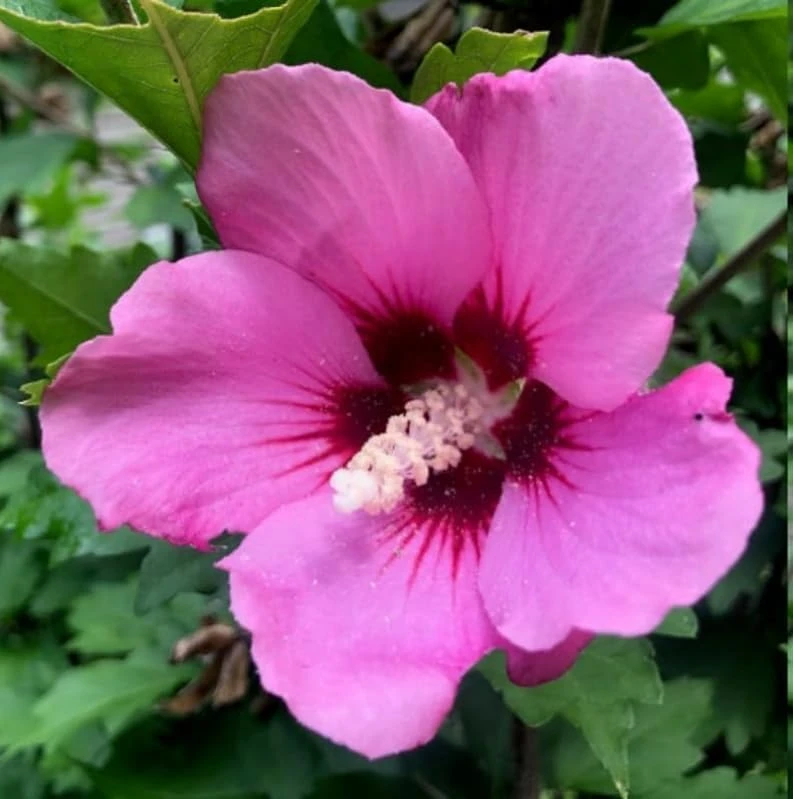
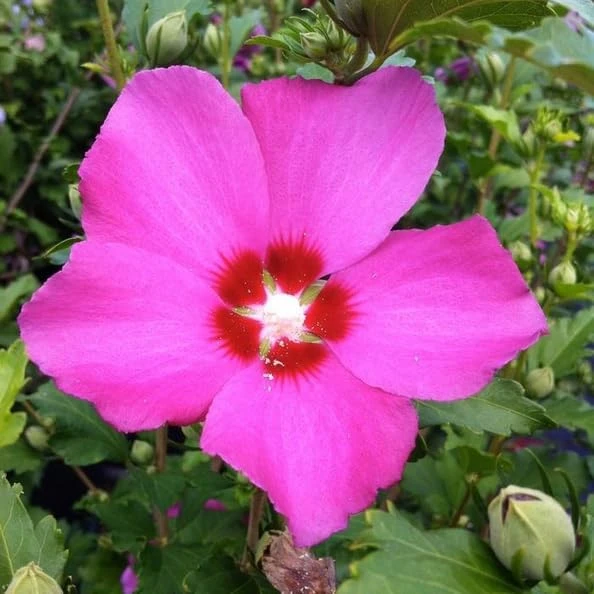
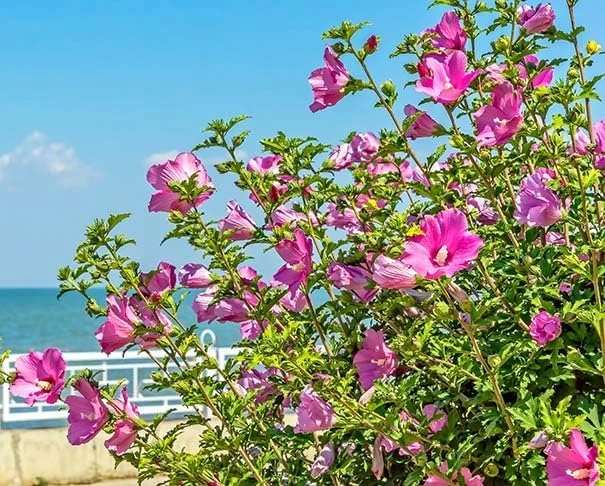
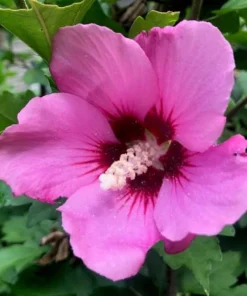
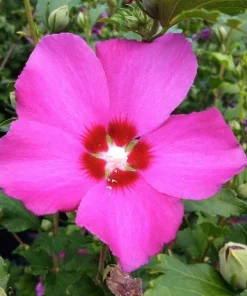
Introduce a splash of vibrant color and elegant beauty to your garden with the Pink Aphrodite Rose of Sharon. This beautiful deciduous shrub, scientifically known as Hibiscus syriacus ‘Aphrodite’, is a robust and easy-to-grow live plant renowned for its stunning, large pink blooms. Shipped as a healthy 6-16 inch tall specimen in a quart pot, it is ready to thrive in your outdoor space. Often referred to as an Althea tree plant or simply Rose of Sharon, this variety is celebrated for its prolific flowering from mid-summer through fall, providing continuous visual interest when many other plants begin to fade. Its striking blossoms not only enhance aesthetic appeal but also serve as a magnet for local pollinators, including butterflies and bees, contributing to a healthy garden ecosystem. This particular cultivar, ‘Aphrodite’, is cherished for its rich pink petals, each adorned with a distinctive red eye, making it a truly captivating addition to any landscape design.
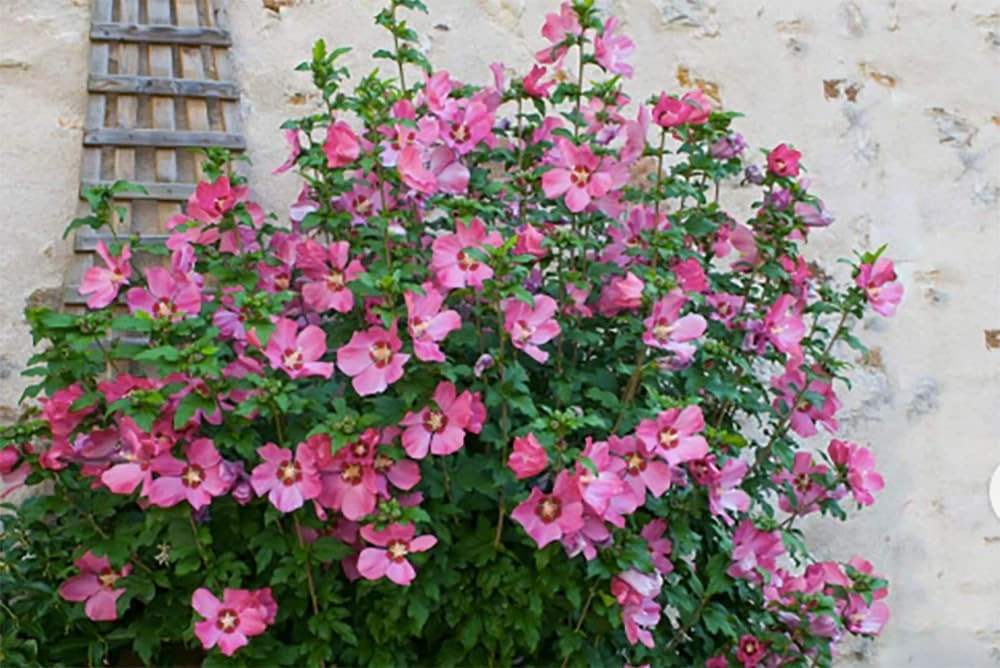
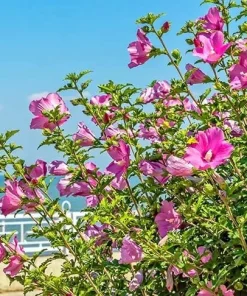
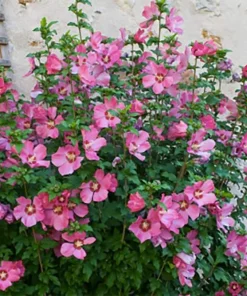
The Pink Aphrodite Rose of Sharon is a versatile plant, ideal for creating impressive hedges, defining borders, or serving as a magnificent stand-alone focal point in your yard. Its resilience and adaptability make it a favorite among both novice and experienced gardeners. With its upright growth habit and abundant floral display, it promises to transform any garden into a lively and colorful sanctuary. Embrace the charm and low-maintenance beauty of this exceptional flowering shrub, and enjoy months of spectacular pink blooms that will surely draw admiration from all who see it.
Key Benefits
The Pink Aphrodite Rose of Sharon offers numerous advantages that make it an excellent choice for your garden. Its striking visual appeal combined with its hardy nature ensures a rewarding gardening experience. You will appreciate the continuous beauty and ecological benefits this plant brings.
- Prolific & Long-Lasting Blooms: Enjoy an abundance of large, showy pink flowers with a deep red center that bloom continuously from summer into fall. These vibrant blossoms add consistent color and elegance to your landscape when other plants are past their prime, creating a captivating display.
- Attracts Pollinators: The nectar-rich flowers are a favorite of butterflies, hummingbirds, and bees, actively helping to support a thriving and healthy garden ecosystem. By planting this flowering hibiscus bush, you contribute to biodiversity and pollination efforts.
- Low Maintenance & Drought-Tolerant: This resilient shrub is remarkably easy to care for, requiring minimal attention once established. It is known for its drought tolerance, making it a sustainable choice for various climates and busy gardeners.
- Versatile Landscaping Use: Perfect for a variety of landscaping applications, including creating dense privacy hedges, defining garden borders, or serving as a stunning specimen plant. Its upright form and beautiful flowers make it suitable for both formal and informal garden designs.
- Hardy & Adaptable: The Hibiscus syriacus Aphrodite is well-suited for a wide range of growing conditions, thriving in full sun and adaptable to various soil types. Its hardiness ensures it will flourish in many USDA zones, providing reliable beauty year after year.
- Deer Resistant: Generally, deer tend to leave Rose of Sharon plants alone, making it a good choice for gardens in areas where deer are a concern, allowing its beauty to remain undisturbed.
Plant Care & Growing Tips
Caring for your Pink Aphrodite Rose of Sharon is straightforward, ensuring a magnificent display of blooms with minimal effort. This resilient shrub thrives in conditions that mimic its natural environment, making it a joy to grow. Proper attention to sunlight, watering, and soil will guarantee a healthy and vibrant plant for years to come. Understanding Rose of Sharon care is key to maximizing its flowering potential and overall vigor.
For optimal growth and abundant flowering, plant your Pink Aphrodite Rose of Sharon in a location that receives full sun, meaning at least 6 hours of direct sunlight per day. While it can tolerate partial shade, too little sun may result in fewer blooms. It prefers well-draining soil, ideally a loamy or sandy loam that is rich in organic matter. Good drainage is crucial to prevent root rot, so avoid heavy clay soils where water might sit. Once established, this shrub is quite drought-tolerant, but consistent moisture during dry spells, especially in its first year, will promote stronger growth. Water deeply a few times a week rather than frequent shallow watering, allowing the top few inches of soil to dry out between waterings.
The Hibiscus syriacus Aphrodite is hardy in USDA Zones 5-9, making it suitable for a broad range of climates. It tolerates both heat and cold well within these zones. Fertilize in early spring with a balanced, slow-release granular fertilizer formulated for flowering shrubs to encourage robust growth and prolific blooming. Pruning can be done in late winter or early spring to shape the plant, remove dead or crossing branches, and encourage more flower production, as it blooms on new wood. Watch out for common pests like aphids, which can be managed with insecticidal soap if necessary. With these simple care guidelines, your Pink Aphrodite Rose of Sharon will flourish and become a cherished centerpiece in your garden.
Size & Details
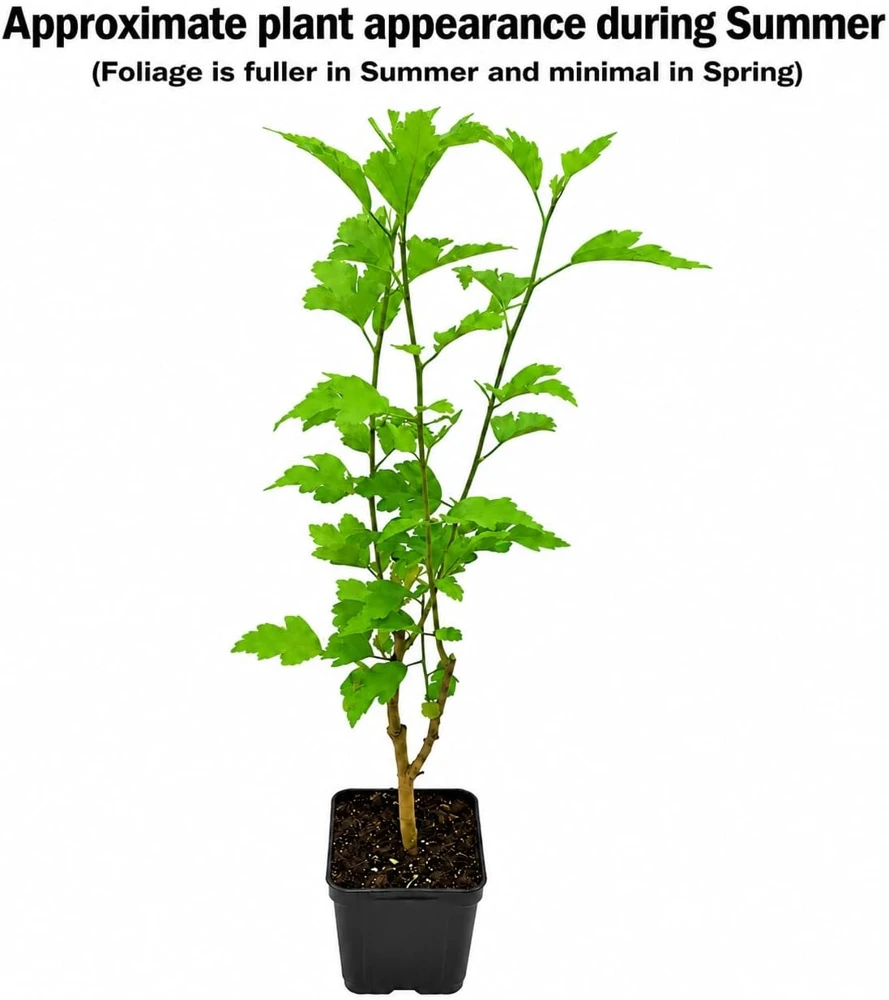
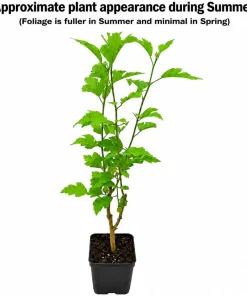
This offering is for one vigorous Pink Aphrodite Rose of Sharon live plant. Each shrub is approximately 6-16 inches tall upon arrival, measured from the top of the soil, and is carefully shipped in a quart-sized nursery pot. This size provides a well-established root system, allowing for a smooth transition to your garden. The plant’s mature height typically ranges from 8 to 12 feet, with a spread of 6 to 10 feet, forming an attractive upright, vase-shaped silhouette. Its growth rate is moderate, adding about 1 to 2 feet per year once established, ensuring it will quickly fill out your desired space. Expect the first stunning pink blooms to appear in its initial growing season, with increasingly abundant flowers in subsequent years.
The Althea tree plant will arrive with healthy foliage and a strong root ball, ready for immediate planting. Its deciduous nature means it will shed its leaves in winter and re-emerge with fresh growth in spring. The vibrant pink flowers, each typically 3-4 inches across, feature a distinctive red eye and will provide a continuous display of color from mid-summer through fall. This plant is a long-lived addition to the landscape, providing beauty and ecological benefits for many years.
Frequently Asked Questions
- Q: How big does this Pink Aphrodite Rose of Sharon get? A: This shrub typically grows to a mature height of 8 to 12 feet tall with a spread of 6 to 10 feet. It has an upright, vase-shaped growth habit that can be maintained with pruning.
- Q: What size pot does it come in? A: The live plant is shipped in a quart-sized nursery pot, providing a healthy root system ready for planting in your garden or a larger container.
- Q: Is this an indoor or outdoor plant? A: The Pink Aphrodite Rose of Sharon is an outdoor plant, best suited for gardens and landscapes. It is a hardy deciduous shrub that thrives in full sun conditions.
- Q: How much sunlight does it need? A: This flowering hibiscus bush requires full sun, meaning at least 6 hours of direct sunlight per day, to produce the most abundant and vibrant blooms. It can tolerate partial shade, but flowering may be reduced.
- Q: Is this plant easy to care for? A: Yes, the Hibiscus syriacus Aphrodite is considered a low-maintenance and easy-to-grow shrub, making it suitable for gardeners of all experience levels. It is quite resilient once established.
- Q: What condition will it arrive in? A: Your plant will arrive healthy and well-rooted in its quart pot, carefully packaged to ensure its safe journey. It will be ready for immediate planting upon arrival.
- Q: How long until it blooms? A: You can expect this Althea tree plant to produce its beautiful pink flowers in its first growing season, typically from mid-summer through fall. Flowering will become more prolific as the plant matures.
- Q: When is the best time to plant? A: The best time to plant your Rose of Sharon is in spring or early fall when temperatures are moderate. This allows the plant to establish its root system before extreme heat or cold.
- Q: Will it survive winter in my zone? A: The Pink Aphrodite Rose of Sharon is hardy in USDA Zones 5-9, meaning it can tolerate winter temperatures within these zones. In colder zones, it will go dormant and return in spring.
- Q: Is the Rose of Sharon care difficult? A: No, Rose of Sharon care is relatively simple. It primarily involves providing adequate sunlight, well-draining soil, and occasional watering, especially during dry periods, along with optional spring fertilization and pruning.
Be the first to review “Pink Aphrodite Rose of Sharon Shrub – 6-16″ Live Plant – Quart Pot – Outdoor Flowering”
People Also Viewed

Vegetable Seeds
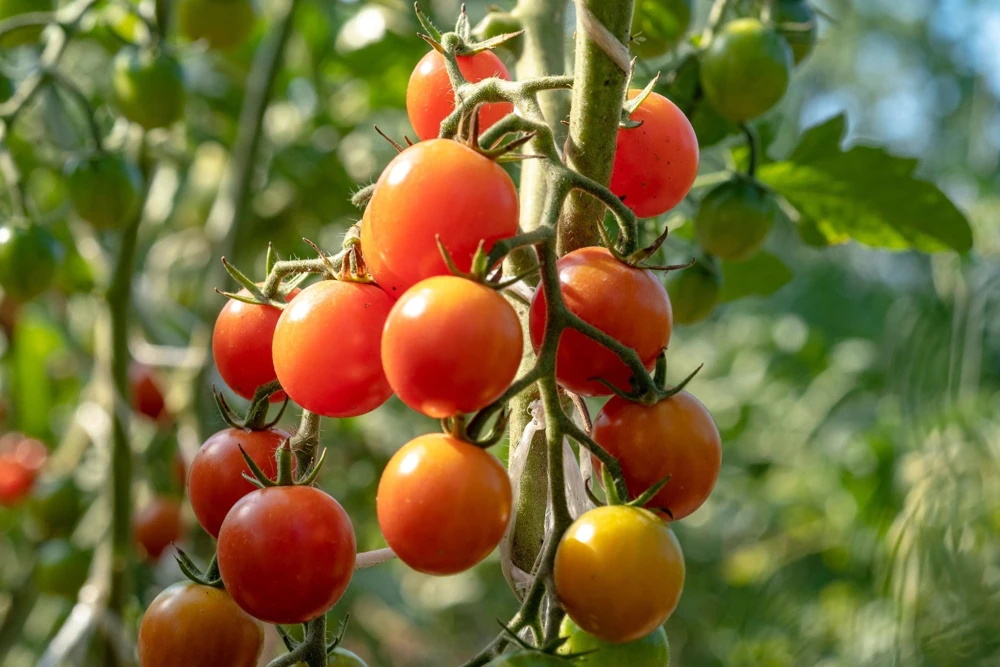
Large Red Cherry Tomato Seeds – Sweet & Juicy Fruit, 300 Seeds

Reviews
There are no reviews yet.