
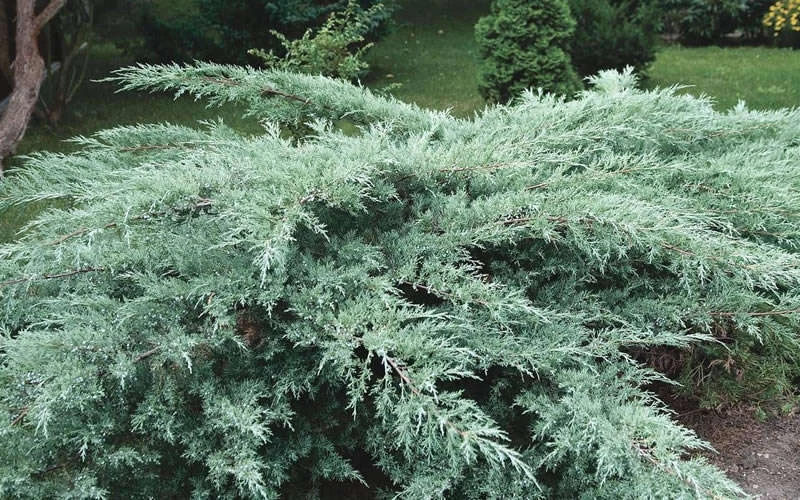
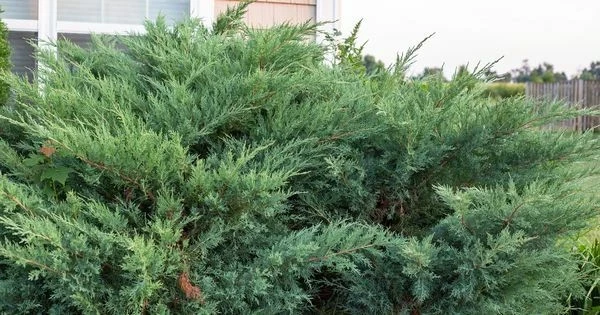
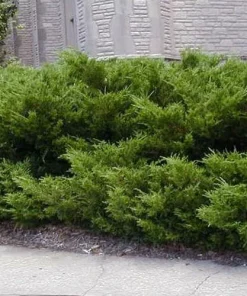
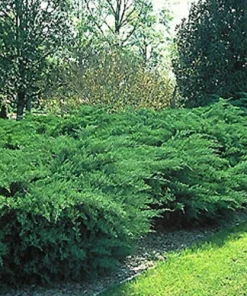
Juniper Hedge Plant Cuttings – Unrooted Evergreen Bushes, Set of 12+
Original price was: $31.29.$11.29Current price is: $11.29.
Start your own beautiful juniper hedge plant cuttings with this set of 12+ unrooted juniper cuttings. These evergreen hedge plants are perfect for landscaping projects, offering dense foliage for privacy and year-round interest.
Estimated arrival
Oct 15
Oct 20 - Oct 22
Oct 25 - Oct 29
Shop With Confidence
30-Day Plant Health Guarantee
Arrives damaged? We’ll replace it free — see our return policy.
Responsive Support
Email us anytime, we reply within 1 business day.
Expert Packaging
Temperature-controlled shipping to protect your plants in transit.
Secure Checkout
Pay safely with Visa, Mastercard, PayPal.
Plant Specifications
-
USDA Hardiness Zone
USDA zones 3-9 (varies by species) -
Soil Type
Well-draining soil, sandy or loamy -
Sunlight Exposure
Full sun -
Expected Planting Period
Year-round for rooting; spring/fall for transplanting
Overview
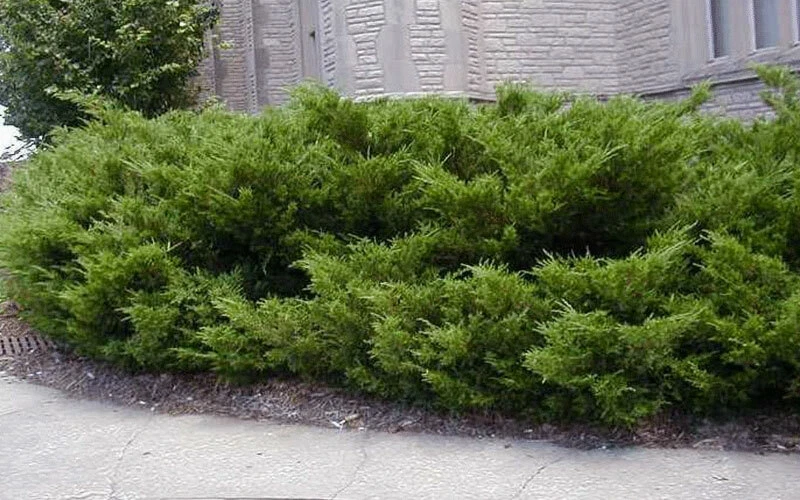
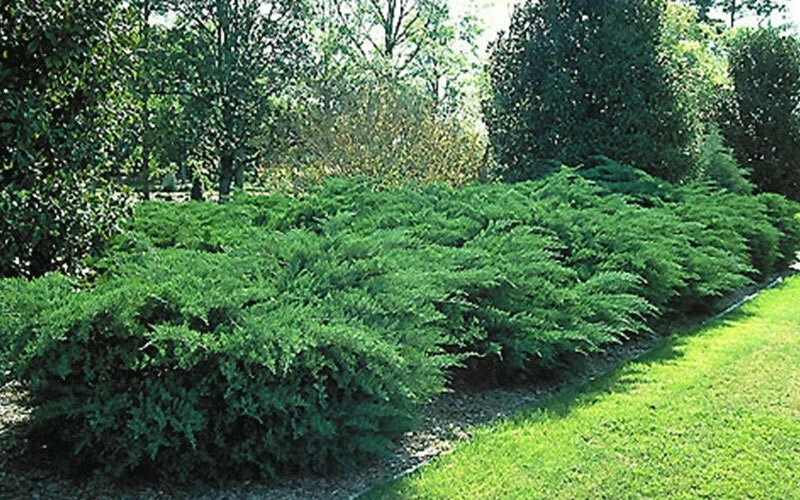
Embark on a rewarding gardening project by propagating your own juniper hedge. This offering consists of 12 or more juniper hedge plant cuttings, provided as fresh, unrooted stems ready for you to cultivate. Junipers (Juniperus spp.) are highly versatile evergreen conifers known for their resilience and attractive needle-like or scale-like foliage. They are a popular choice for creating natural barriers, windbreaks, and adding structure to garden landscapes. These unrooted juniper cuttings allow you to grow new plants cost-effectively, making them an excellent option for expanding your garden or starting a new hedge row. With proper care and attention, these cuttings will develop roots and grow into robust, mature juniper plants, contributing to a lush and vibrant outdoor space. Growing juniper hedge from cuttings is a sustainable and satisfying way to enhance your garden.
Key Benefits
Cultivating juniper hedge plant cuttings offers numerous advantages, from enhancing your landscape’s aesthetic to providing ecological benefits. These cuttings are the first step towards a beautiful, long-lasting garden feature.
- Dense Evergreen Foliage: Junipers provide year-round greenery, ensuring your garden maintains its appeal even in colder months. The dense foliage of these evergreen hedge plants creates excellent privacy screens and windbreaks.
- Low Maintenance Once Established: After the initial rooting phase, juniper plants are remarkably hardy and require minimal care, making them suitable for busy gardeners. They are known for their drought tolerance and adaptability.
- Versatile Landscaping Use: Ideal for hedges, borders, ground cover, or as specimen plants, junipers offer flexibility in garden design. They can be pruned to various shapes and sizes, fitting diverse landscape needs.
- Wildlife Habitat: Established juniper hedges provide shelter and nesting sites for various bird species, and their berries can be a food source, contributing to local biodiversity. This makes growing juniper from cuttings beneficial for nature.
- Soil Erosion Control: The extensive root systems of mature juniper plants help stabilize soil, preventing erosion on slopes and in areas prone to runoff.
- Aromatic Qualities: Many juniper varieties release a pleasant, distinctive aroma, especially when their foliage is brushed or after rain, adding a sensory dimension to your garden.
- Cost-Effective Garden Expansion: Starting with unrooted juniper cuttings is a budget-friendly way to acquire multiple plants for a large hedging project compared to purchasing established plants.
Plant Care & Growing Tips
Successful rooting and growth of your juniper hedge plant cuttings depend on providing the right conditions. While junipers are generally hardy, the initial rooting phase requires specific attention to detail. Begin by preparing a well-draining rooting medium, such as a mix of peat and perlite or sand. Dip the cut end of each juniper cutting into rooting hormone powder or gel to encourage root development. Insert the treated end into the prepared medium, ensuring at least one node is buried. Maintain consistent moisture in the rooting medium without waterlogging, and provide high humidity, perhaps by covering the tray with a clear dome or plastic bag.
For optimal growth, juniper hedge plants thrive in full sun, meaning at least 6-8 hours of direct sunlight per day. They prefer well-drained soil and are quite tolerant of various soil types once established, including sandy or rocky soils. For the cuttings, a warm environment (around 65-75°F or 18-24°C) will aid in root formation. Overwatering is a common pitfall, so allow the top inch of the rooting medium to dry slightly between waterings. Once rooted, gradually acclimate the young plants to outdoor conditions before transplanting them to their permanent location. Established junipers are drought-tolerant, but consistent watering during their first year will help them develop strong root systems. Fertilize sparingly with a balanced, slow-release fertilizer in early spring if needed.
Size & Details
This offering includes a set of 12 or more juniper hedge plant cuttings. These are fresh, unrooted stems, typically 6-10 inches in length, ready for propagation. The exact species of juniper may vary, but all are suitable for developing into robust hedge plants. Upon successful rooting, these cuttings will grow into mature shrubs, with sizes varying based on the specific juniper variety and growing conditions. Many juniper species used for hedges can reach heights of 5-15 feet and widths of 3-10 feet over several years, forming a dense and attractive barrier. The growth rate is generally moderate, allowing for gradual shaping and maintenance as your hedge develops. These cuttings are meant for outdoor planting once established, and are ideal for those interested in growing juniper from cuttings for landscaping purposes.
Frequently Asked Questions
- Q: How big do these juniper hedge plant cuttings get once grown? A: The mature size of juniper plants grown from these cuttings will depend on the specific juniper species and growing conditions. Many hedge varieties can reach heights of 5-15 feet and widths of 3-10 feet, creating a substantial evergreen hedge.
- Q: What condition will the unrooted juniper cuttings arrive in? A: The unrooted juniper cuttings will arrive as fresh, healthy stem segments, typically 6-10 inches long, without roots. They will be carefully packaged to ensure their vitality during transit, ready for immediate propagation upon arrival.
- Q: Is this an indoor or outdoor plant? A: Juniper plants are primarily outdoor plants. While you might root the cuttings indoors in a controlled environment, the mature juniper hedge plants are intended for outdoor landscaping, thriving in full sun and well-drained soil.
- Q: How much sunlight does a juniper hedge need? A: For optimal growth and health, evergreen hedge plants like junipers require full sun exposure, meaning at least 6-8 hours of direct sunlight daily. This ensures dense foliage and strong development.
- Q: Is growing juniper from cuttings difficult for beginners? A: While rooting cuttings requires some patience and attention to detail, growing juniper from cuttings is a rewarding process that can be successfully undertaken by beginners with proper research and consistent care. Using rooting hormone greatly increases success rates.
- Q: When is the best time to plant these juniper hedge plant cuttings? A: The best time to take and root juniper cuttings is typically late summer to early fall, or in late winter to early spring, when the plant is actively growing but not yet stressed by extreme temperatures. This allows for root development before extreme weather.
- Q: What kind of soil is best for juniper hedge plants? A: Junipers prefer well-drained soil. A mixture of peat moss and perlite or sand is ideal for rooting the cuttings. Once established, they can tolerate a range of soil types, including sandy or rocky soils, as long as drainage is good.
- Q: Will these juniper hedge plants survive winter in my zone? A: Juniper species are generally very hardy. Most varieties used for hedges are suitable for a wide range of USDA hardiness zones. You will need to identify the specific juniper variety if you require precise zone information, but generally, they are cold-tolerant.
- Q: Can I use these cuttings to create ground cover? A: While some juniper varieties are specifically low-growing and used for ground cover, these juniper hedge plant cuttings are typically from varieties that grow into upright or spreading shrubs, suitable for hedges and larger landscape features.
- Q: How long does it take for the juniper cuttings to root? A: Juniper cuttings can take anywhere from 6 weeks to several months to develop a strong root system, depending on the conditions provided (temperature, humidity, rooting hormone use). Patience is key during this propagation phase.
Be the first to review “Juniper Hedge Plant Cuttings – Unrooted Evergreen Bushes, Set of 12+”
People Also Viewed

Reviews
There are no reviews yet.