









Dwarf Creeping Thyme Seeds – Thymus Serpyllum Ground Cover – 10,000 Seeds
Original price was: $58.99.$33.99Current price is: $33.99.
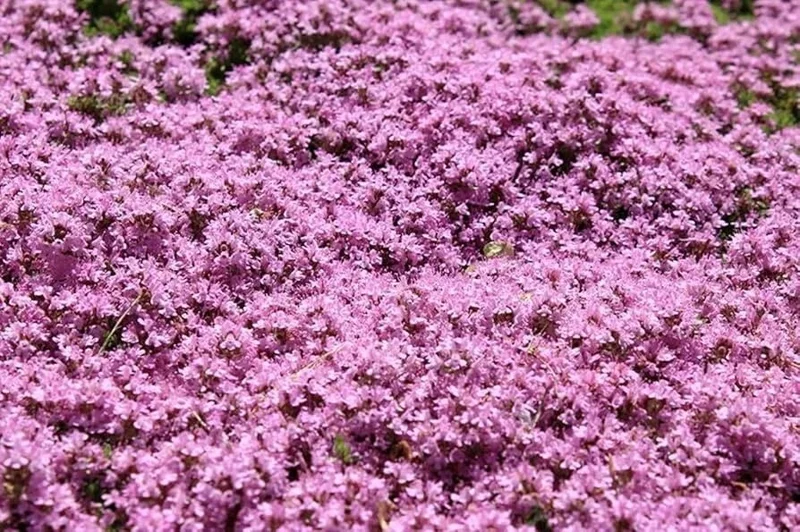
Cultivate a vibrant, fragrant landscape with dwarf creeping thyme seeds. This low-maintenance Thymus Serpyllum ground cover is ideal for filling in pathways, rock gardens, or creating a lush, mat-forming carpet of greenery. Enjoy beautiful purple blooms and an aromatic scent.
Estimated arrival
Oct 15
Oct 20 - Oct 22
Oct 25 - Oct 29
Shop With Confidence
30-Day Plant Health Guarantee
Arrives damaged? We’ll replace it free — see our return policy.
Responsive Support
Email us anytime, we reply within 1 business day.
Expert Packaging
Temperature-controlled shipping to protect your plants in transit.
Secure Checkout
Pay safely with Visa, Mastercard, PayPal.
Plant Specifications
-
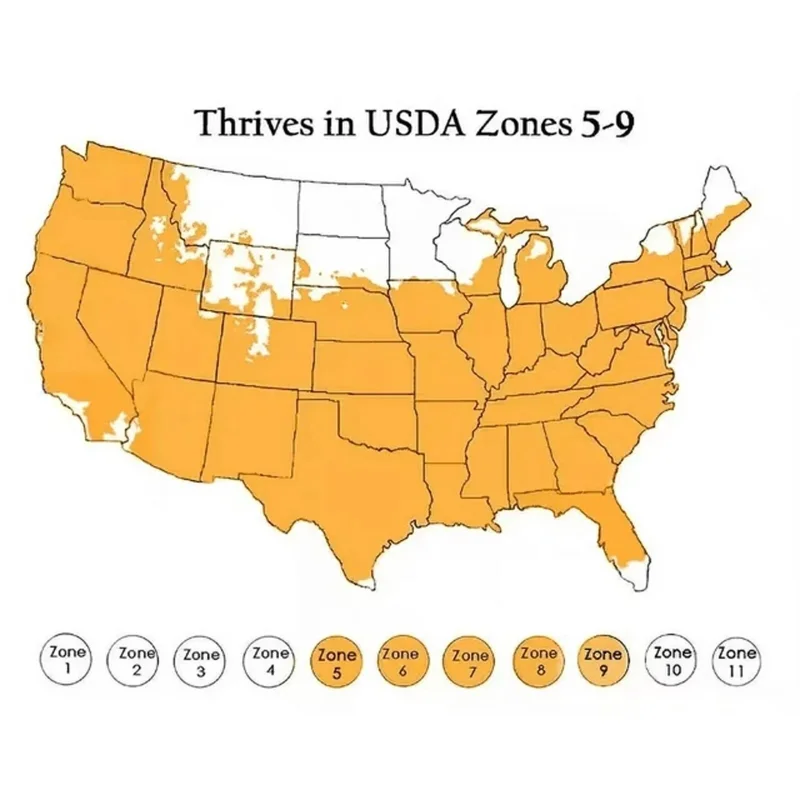
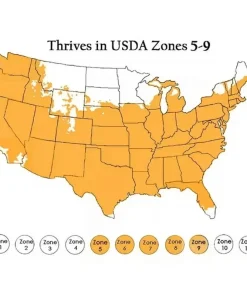
USDA Hardiness Zone
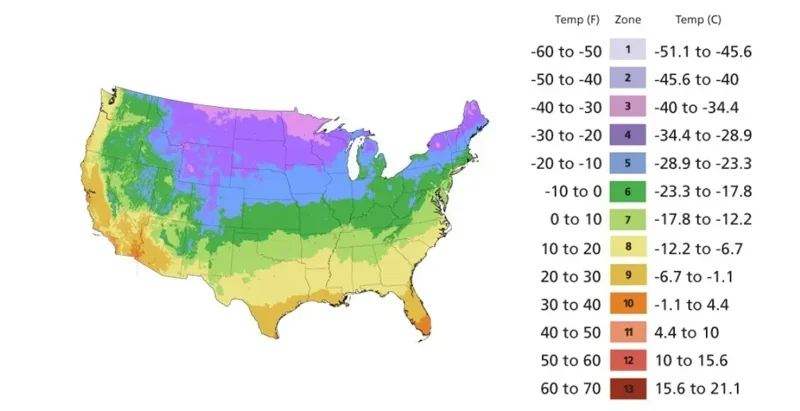
Zones 5-9 -
Soil Type
Loam, Peat, Sand (well-draining) -
Sunlight Exposure
Full Sun, Partial Shade -
Expected Planting Period
Spring, Fall
Overview
Transform your garden into a picturesque haven with these premium dwarf creeping thyme seeds. Known scientifically as Thymus Serpyllum, this resilient perennial is a popular choice for gardeners seeking a low-growing, mat-forming ground cover. Each packet contains 10,000 seeds, providing ample opportunity to establish a dense, beautiful carpet of foliage that will thrive in various outdoor settings. Thymus Serpyllum ground cover is celebrated for its delicate purple flowers and aromatic leaves, which release a pleasant fragrance when walked upon. It’s an excellent solution for erosion control, filling in gaps between stepping stones, or creating a soft, green alternative to traditional lawns. This particular variety, being dwarf, maintains a compact habit, making it perfect for intricate landscape designs and ensuring an easy grow ground cover experience for both novice and experienced gardeners.
Key Benefits
Choosing dwarf creeping thyme seeds offers a multitude of advantages for your landscape. This versatile plant not only enhances aesthetic appeal but also provides practical benefits, making it an indispensable addition to any garden.
- Beautiful Ground Cover: Creates a dense, mat-forming carpet of green foliage adorned with charming purple flowers, offering a visually appealing and fragrant alternative to grass. The purple creeping thyme blooms add a delightful splash of color.
- Low Maintenance: Once established, Thymus Serpyllum ground cover requires minimal care, tolerating drought and poor soil conditions, making it an excellent choice for busy gardeners. Its robust nature makes it an easy grow ground cover.
- Aromatic Fragrance: Releases a delightful, subtle scent when brushed or walked upon, enhancing the sensory experience of your garden or pathway.
- Erosion Control: Its extensive root system helps stabilize soil, preventing erosion on slopes and in other vulnerable areas.
- Attracts Pollinators: The small purple flowers attract beneficial insects like bees and butterflies, contributing to a healthier garden ecosystem.
- Weed Suppression: The dense growth habit of this mat-forming thyme helps to naturally suppress weeds, reducing the need for manual weeding.
- Versatile Use: Perfect for rock gardens, pathways, between stepping stones, as a lawn substitute, or in containers, adapting well to various garden designs.
Plant Care & Growing Tips
Growing dwarf creeping thyme seeds is a rewarding experience, especially when following these essential care guidelines. This plant thrives with proper attention, ensuring a lush and vibrant display. For optimal germination, sow the tiny seeds directly onto well-draining soil in early spring or fall. Lightly press them into the soil surface but do not cover, as they require light to germinate. Maintain consistent moisture until seedlings emerge, typically within 12 weeks.
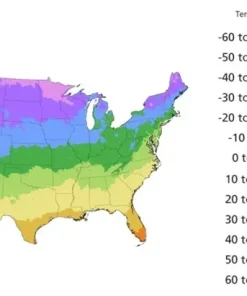
Once established, Thymus Serpyllum ground cover is quite hardy. It prefers full sun to partial shade, meaning it needs at least 6 hours of direct sunlight daily for robust growth and abundant flowering. While tolerant of various soil types, loamy, sandy, or peat-based soils with neutral pH are ideal, provided they offer excellent drainage. Overwatering is a common pitfall; allow the soil to dry out between waterings. Mature plants are drought-tolerant, requiring less frequent irrigation. Fertilization is rarely needed; if your soil is particularly poor, a light application of a balanced, slow-release fertilizer in spring can encourage growth. This easy grow ground cover is generally resistant to pests and diseases, but ensure good air circulation to prevent fungal issues in humid conditions. It is hardy in USDA Zones 5-9, tolerating a wide range of temperatures.
Size & Details
These dwarf creeping thyme seeds (Thymus Serpyllum) are designed to produce a low-growing, spreading plant. Each packet contains approximately 10,000 seeds, providing ample coverage for larger areas or multiple planting projects. When mature, dwarf creeping thyme ground cover typically reaches a height of only 2-4 inches, with a vigorous spreading habit that can create a dense mat up to 18-24 inches wide per plant over time. The growth rate is moderate, establishing a significant presence within one to two seasons after planting. The seeds are shipped in a protective packet, ensuring their viability upon arrival. Expect the first delicate purple blooms to appear from late spring through summer, offering continuous color and fragrance.
Frequently Asked Questions
- Q: How big does this plant get? A: Dwarf creeping thyme typically grows to a height of 2-4 inches, spreading out to form a dense mat up to 18-24 inches wide. It’s perfect for a low-profile ground cover.
- Q: Is this an indoor or outdoor plant? A: Thymus Serpyllum ground cover is primarily an outdoor plant, ideal for gardens, pathways, and rockeries. While it can be grown in containers, it thrives best with direct outdoor exposure.
- Q: How much sunlight does it need? A: This plant prefers full sun to partial shade, ideally receiving at least 6 hours of direct sunlight per day for the best growth and flowering of the purple creeping thyme.
- Q: Is this plant easy to care for? A: Yes, dwarf creeping thyme seeds are known for producing an easy grow ground cover. Once established, it is very low-maintenance, drought-tolerant, and relatively pest-free.
- Q: What condition will it arrive in? A: Your 10,000 dwarf creeping thyme seeds will arrive in a sealed seed packet, ensuring their protection and viability for planting.
- Q: When is the best time to plant these seeds? A: The best time to plant dwarf creeping thyme seeds is in early spring after the last frost, or in the fall, allowing them to establish before winter.
- Q: Will it survive winter in my zone? A: This mat-forming thyme is hardy in USDA Zones 5-9, meaning it can tolerate winter temperatures in these regions and will return year after year as a perennial.
- Q: What kind of soil does it prefer? A: Thymus Serpyllum ground cover thrives in well-draining soil, such as loamy, sandy, or peat-based mixes, with a neutral pH. Good drainage is crucial to prevent root rot.
Be the first to review “Dwarf Creeping Thyme Seeds – Thymus Serpyllum Ground Cover – 10,000 Seeds”
People Also Viewed


Reviews
There are no reviews yet.