

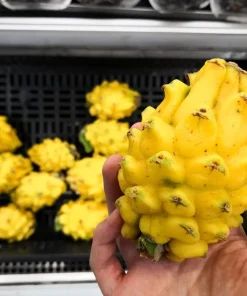
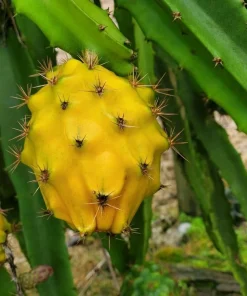
Yellow Dragon Fruit Live Plant – Selenicereus Megalanthus Starter
Original price was: $60.70.$35.70Current price is: $35.70.
Cultivate your own exotic harvest with a yellow dragon fruit plant. This vibrant Selenicereus megalanthus live plant is a starter specimen, perfect for gardeners looking to grow sweet, tropical fruit. Known for its unique appearance and delicious taste, it’s a rewarding addition to any fruit-loving garden or patio.
Estimated arrival
Oct 25
Oct 30 - Nov 01
Nov 04 - Nov 08
Shop With Confidence
30-Day Plant Health Guarantee
Arrives damaged? We’ll replace it free — see our return policy.
Responsive Support
Email us anytime, we reply within 1 business day.
Expert Packaging
Temperature-controlled shipping to protect your plants in transit.
Secure Checkout
Pay safely with Visa, Mastercard, PayPal.
Plant Specifications
-
USDA Hardiness Zone
USDA zones 9–11 -
Soil Type
Well-draining, slightly acidic potting mix -
Sunlight Exposure
Full sun (6-8 hours direct light) -
Expected Planting Period
Year-round in warm climates; spring to summer in others
Overview
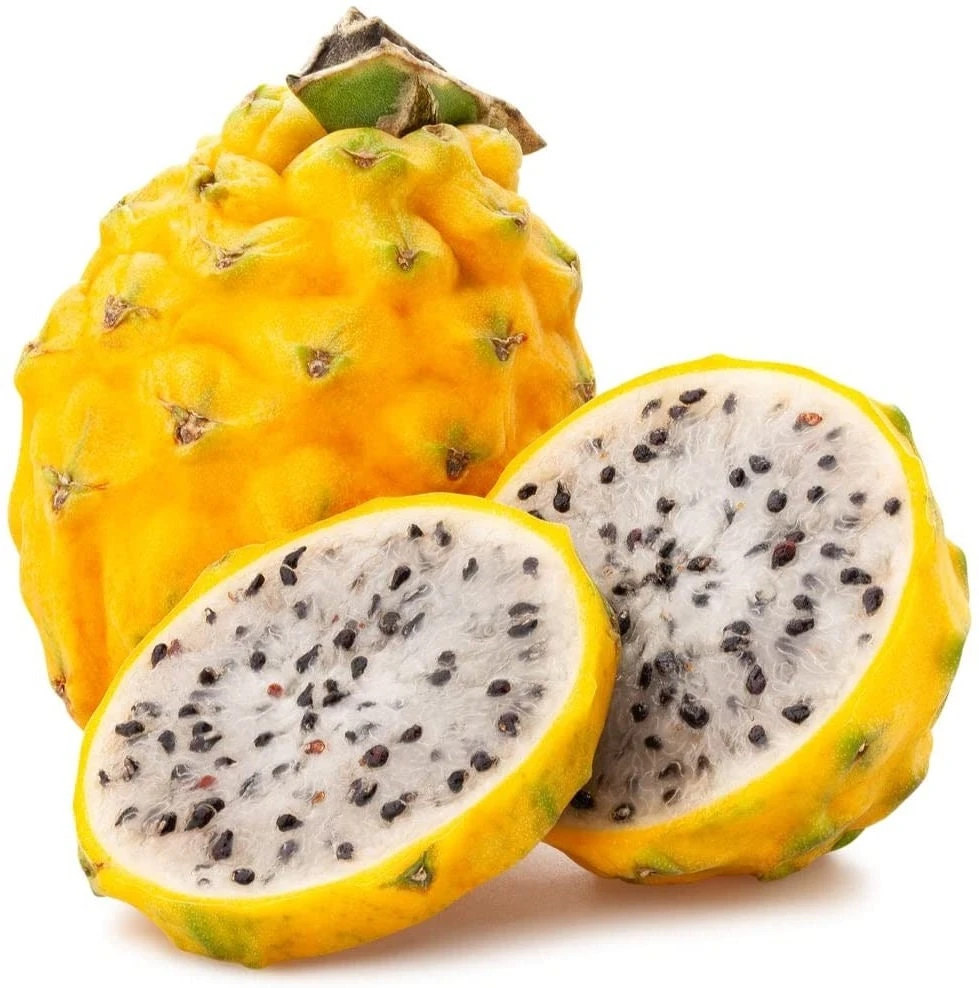
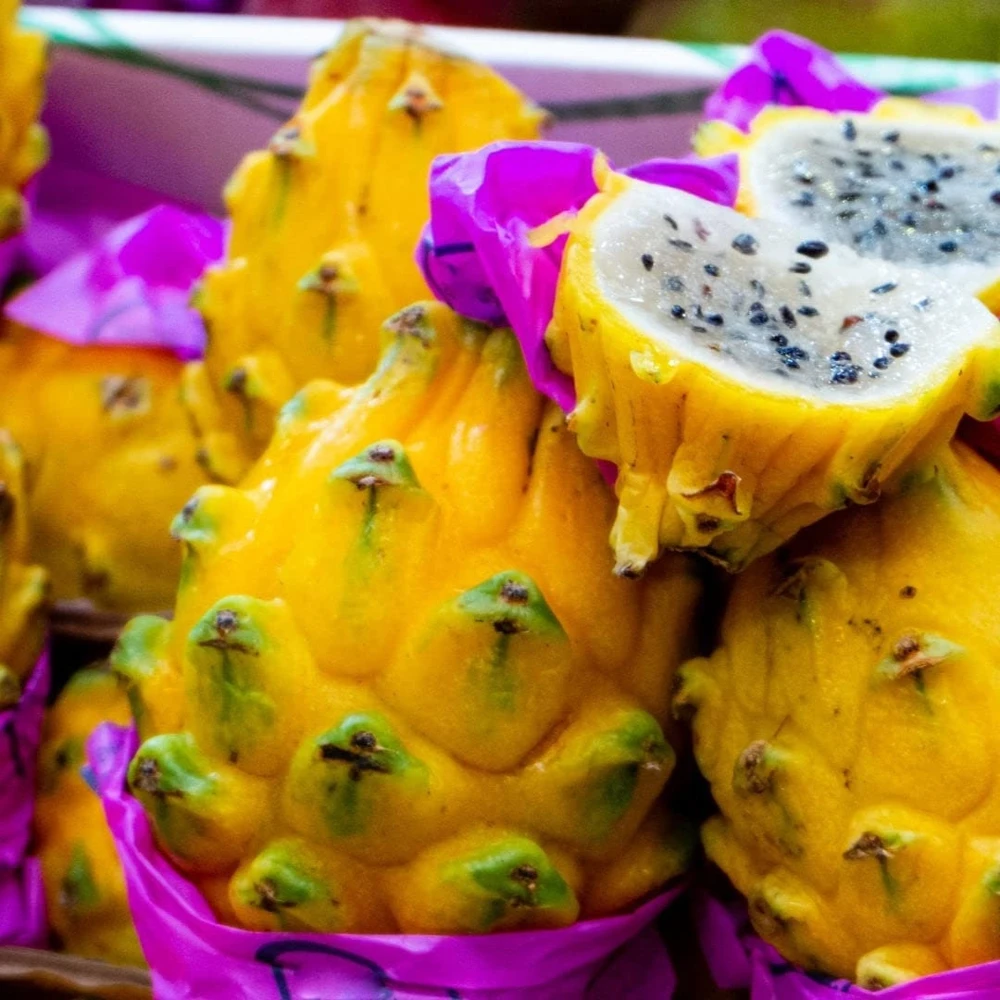
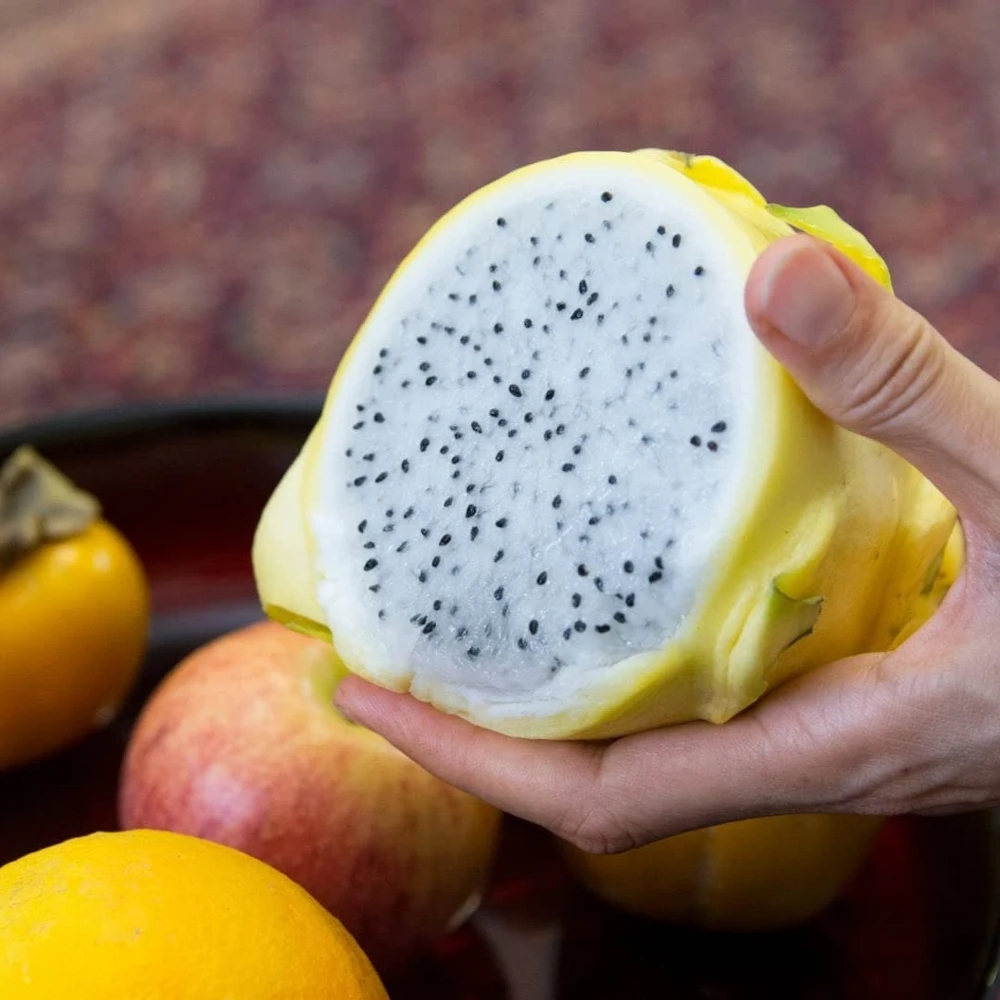
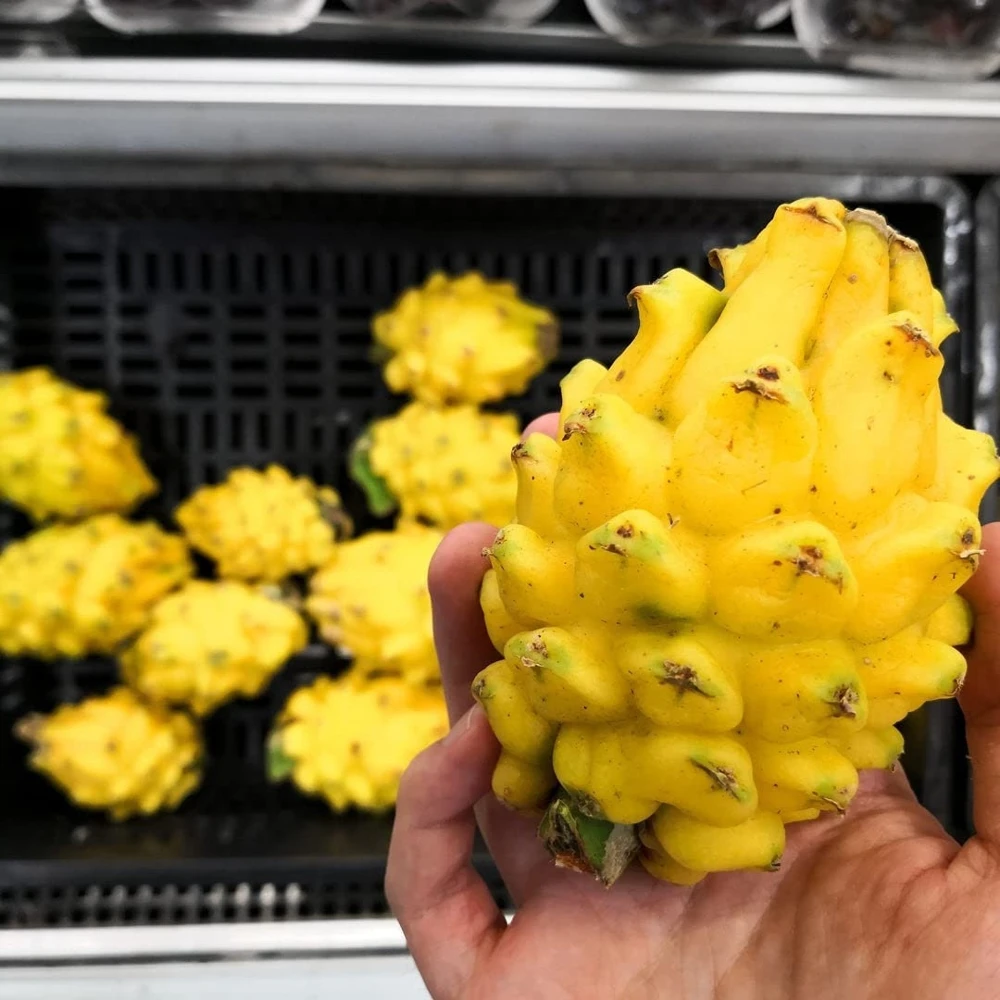
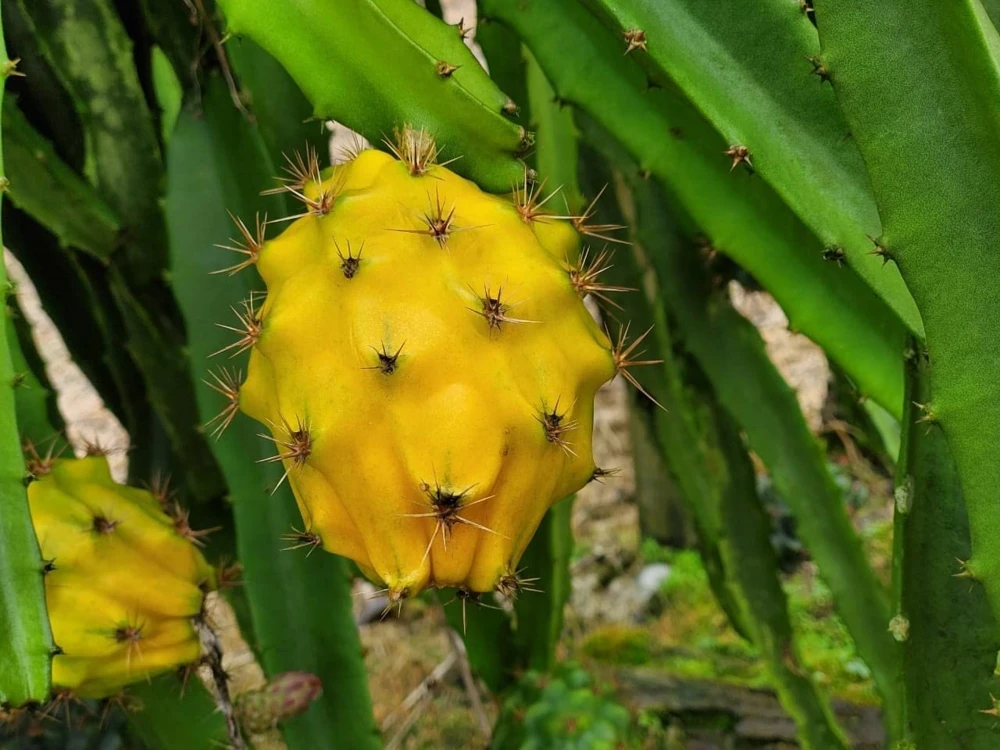
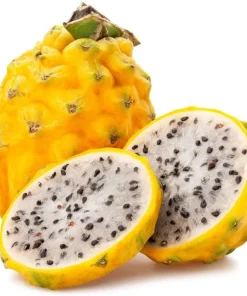
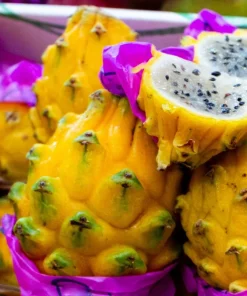
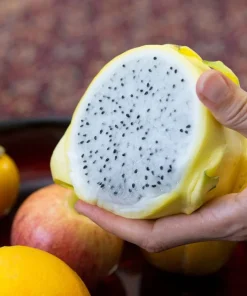
Embark on a tropical gardening adventure with the exquisite yellow dragon fruit plant, scientifically known as Selenicereus megalanthus. This fascinating vine is celebrated for its stunning, otherworldly fruit, which boasts a bright yellow skin and sweet, translucent white flesh speckled with tiny, edible black seeds. Unlike its red-skinned counterparts, the yellow variety is often considered to be the sweetest and most intensely flavored, offering a truly gourmet experience. Our offering is a healthy, live starter plant, ready to establish itself in your garden or a suitable container. Growing your own dragon fruit is not only a rewarding horticultural endeavor but also provides access to fresh, exotic produce right at your fingertips.
The Selenicereus megalanthus live plant is a climbing cactus that thrives in warm climates, making it an excellent choice for sunny locations. It produces beautiful, large nocturnal flowers that are often fragrant, adding another layer of allure to this already captivating plant. As a starter plant, it provides the perfect foundation for developing a robust and productive vine. With proper care and support, you can look forward to enjoying your own homegrown, succulent yellow dragon fruit.
Key Benefits
Growing a yellow dragon fruit plant offers a multitude of advantages, from its unique aesthetic appeal to the delicious, healthy fruit it provides. This exotic vine is a conversation starter and a source of fresh, vibrant produce.
- Exotic Fruit Production: Enjoy the unparalleled sweetness and unique flavor of homegrown yellow dragon fruit. This variety is often considered superior in taste to the more common red dragon fruit, offering a truly tropical treat. The fruit is rich in antioxidants, fiber, and Vitamin C.
- Stunning Ornamental Value: Beyond its fruit, the Selenicereus megalanthus live plant features striking, vining stems and large, beautiful night-blooming flowers. These fragrant white blooms add a dramatic touch to your garden or patio, especially under the moonlight.
- Rewarding Gardening Experience: Cultivating an exotic plant like dragon fruit is a fulfilling hobby. Watching the plant grow, flower, and eventually bear fruit is incredibly satisfying for any gardener, from novice to expert.
- Adaptable Growth Habit: While a climbing cactus, this plant can be trained to grow on trellises, poles, or even in large containers. This versatility allows it to fit into various garden designs and spaces, including smaller urban gardens or patios.
- Health Benefits: Dragon fruit is a nutrient-dense superfood, packed with vitamins, minerals, and antioxidants. Growing your own ensures you have access to fresh, organic fruit free from pesticides and chemicals. Understanding how to grow dragon fruit also means you control the quality of your food.
- Unique Culinary Ingredient: The sweet and mildly tangy flesh of yellow dragon fruit is perfect for fresh eating, smoothies, fruit salads, desserts, and even exotic cocktails. It adds a vibrant color and flavor to any dish.
- Drought Tolerance: As a cactus, the yellow dragon fruit plant exhibits good drought tolerance once established, making it a relatively low-maintenance option compared to some other fruit-bearing plants, particularly in regions with limited water.
Plant Care & Growing Tips
To ensure your yellow dragon fruit plant thrives and produces abundant fruit, understanding its specific care requirements is crucial. This vining cactus prefers conditions that mimic its native tropical environment, with plenty of sun and warmth. Proper support is essential as it grows.
Sunlight requirements: Dragon fruit plants need ample sunlight to flourish and fruit. Provide at least 6-8 hours of direct sunlight per day. In very hot climates, some afternoon shade can prevent sunburn, but generally, full sun is best. If growing indoors, place it near a south-facing window or use grow lights to supplement natural light. Understanding the light needs is key to successful dragon fruit care.
Watering schedule and soil moisture preferences: While a cactus, dragon fruit is not as drought-tolerant as desert cacti. It prefers consistently moist, but not waterlogged, soil. Water thoroughly when the top 2-3 inches of soil feel dry. Reduce watering during cooler months. Ensure excellent drainage to prevent root rot. Overwatering is a common mistake when learning how to grow dragon fruit.
Soil type and drainage requirements: Use a well-draining, slightly acidic to neutral soil mix (pH 6-7). A good blend for dragon fruit includes a mix of potting soil, compost, and perlite or coarse sand to improve drainage. Heavy clay soils should be amended to prevent waterlogging. Good drainage is paramount for the health of your yellow dragon fruit plant.
Temperature range and USDA hardiness zone: Dragon fruit thrives in warm temperatures, ideally between 65°F and 85°F (18°C-29°C). It is sensitive to frost and should be protected if temperatures drop below 40°F (4°C). It is generally suitable for USDA Zones 9-11 for outdoor cultivation. In cooler zones, it can be grown in containers and brought indoors during winter.
Fertilization schedule and type: Fertilize during the growing season (spring and summer) with a balanced, slow-release fertilizer or a liquid fertilizer with a slightly higher phosphorus content to encourage flowering and fruiting. Apply every 2-4 weeks according to product instructions. Reduce or stop fertilizing in fall and winter. Regular feeding supports the vigorous growth of this exotic fruit plant.
Common problems and solutions: Watch out for pests like aphids, mealybugs, and scale, which can be treated with insecticidal soap. Fungal diseases, often caused by overwatering, can lead to stem rot; ensure good air circulation and proper drainage. Sunburn can occur in extreme heat if not acclimated, causing yellowing or browning of stems.
Size & Details
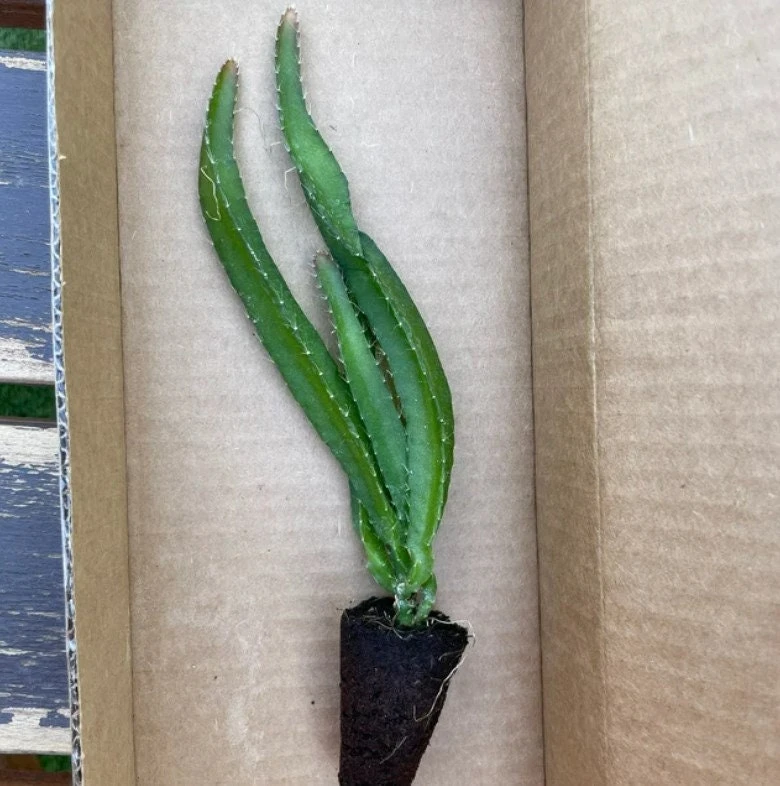
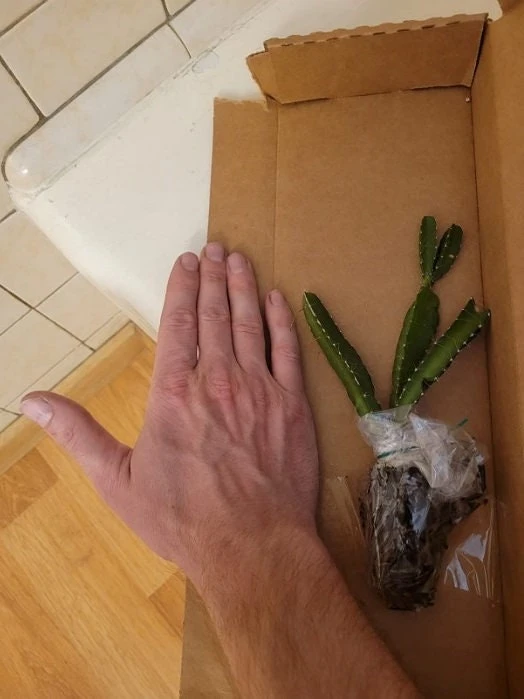
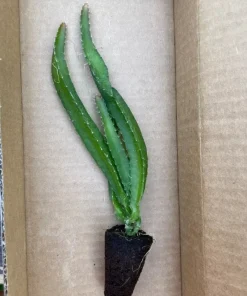
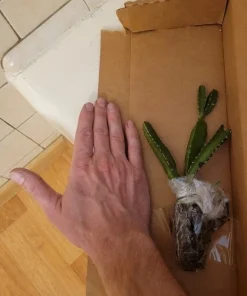
This offering is for a live yellow dragon fruit plant starter, typically shipped as a healthy, rooted cutting or a young plant in a small nursery pot. The exact size will vary based on growth stage, but it will be well-established and ready for transplanting into a larger container or directly into the ground in suitable climates. Dragon fruit vines are vigorous growers, and with proper support, they can reach lengths of 10-20 feet or more. The growth rate is relatively fast, especially in warm conditions, allowing you to quickly establish a substantial vine.
Expect your Selenicereus megalanthus live plant to begin flowering and fruiting within 2-3 years, though some well-cared-for plants may produce sooner. The plant will benefit greatly from a sturdy trellis, pole, or other support structure as it matures, as its stems will need something to climb. Each plant is carefully packaged to ensure it arrives in optimal condition, ready for its new home. This exotic fruit plant promises a unique addition to your edible landscape.
Frequently Asked Questions
- Q: How big does this plant get? A: As a vining cactus, the yellow dragon fruit plant can reach lengths of 10-20 feet or more when mature. It requires a sturdy support structure to climb, which will also help manage its size and encourage fruiting.
- Q: Is this an indoor or outdoor plant? A: While it is primarily an outdoor plant in USDA Zones 9-11, it can be grown in containers and brought indoors during colder months in other regions. It thrives in warm, sunny conditions.
- Q: How much sunlight does it need? A: Dragon fruit needs full sun, ideally 6-8 hours of direct sunlight daily, to produce fruit. In extremely hot climates, some afternoon shade can be beneficial to prevent scorching.
- Q: Is this plant easy to care for? A: With proper understanding of dragon fruit care, it can be relatively easy. The key is providing ample sunlight, well-draining soil, proper watering, and a strong support system for its vining growth.
- Q: What condition will it arrive in? A: Your Selenicereus megalanthus live plant will arrive as a healthy, rooted starter plant, carefully packaged to minimize stress during transit, ready for planting.
- Q: How long until it blooms and fruits? A: Most dragon fruit plants begin to flower and fruit within 2-3 years after planting, though this can vary depending on growing conditions and specific care.
- Q: What’s the minimum temperature it can tolerate? A: This exotic fruit plant is sensitive to cold and should not be exposed to temperatures below 40°F (4°C) for extended periods. Protection from frost is crucial for its survival.
- Q: What kind of soil is best for dragon fruit? A: A well-draining, slightly acidic to neutral soil mix is ideal. Incorporate organic matter and perlite or coarse sand to ensure good drainage and aeration, which are vital for root health.
- Q: Do I need more than one plant for fruit production? A: While some varieties are self-pollinating, having multiple plants or hand-pollinating your nocturnal flowers can increase fruit set and yield. It’s a good practice for optimal fruit production.
- Q: Can I grow this plant in a pot? A: Yes, dragon fruit can be successfully grown in large containers (20-gallon or larger) with adequate drainage and a sturdy central support. This allows for easy relocation indoors during colder weather.
Be the first to review “Yellow Dragon Fruit Live Plant – Selenicereus Megalanthus Starter”
People Also Viewed

Flower Plants
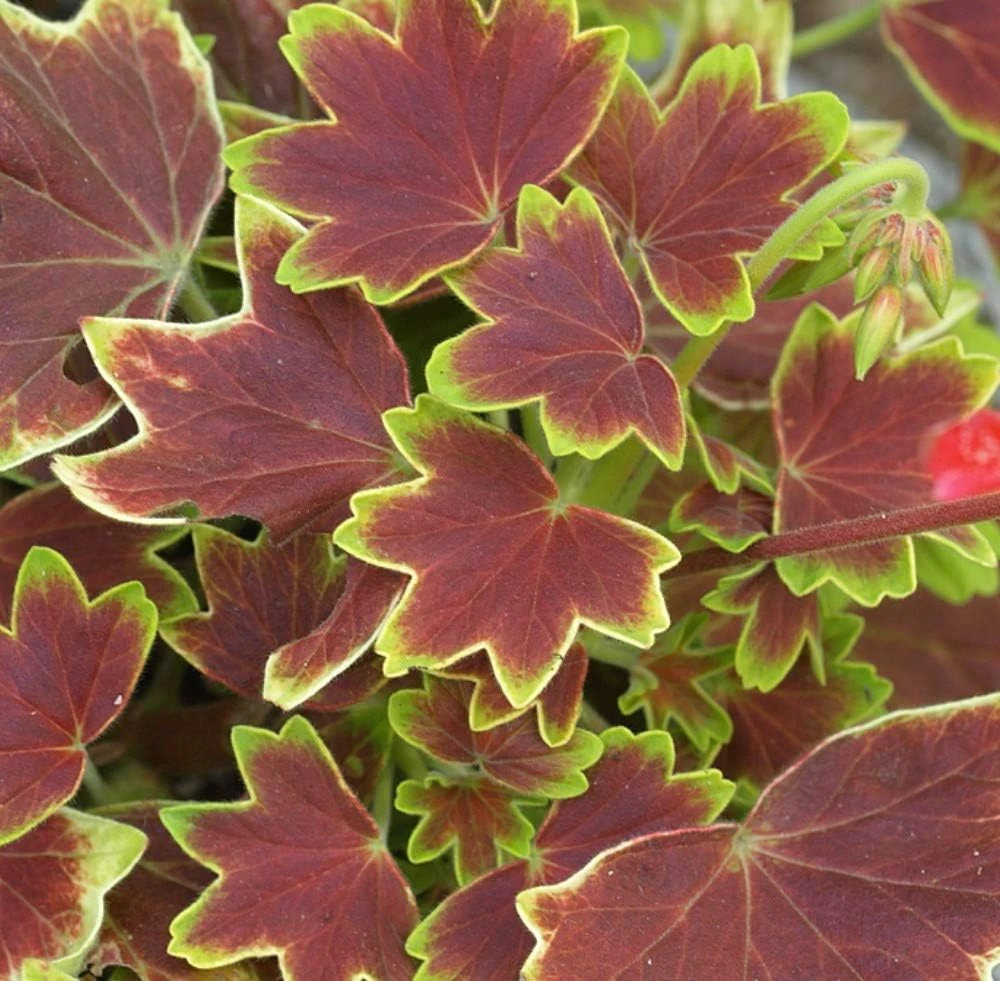
Vancouver Centennial Geranium Live Plant – 3.75″ Pot – Indoor/Outdoor – Bronze & Gold Leaves
Reviews
There are no reviews yet.