
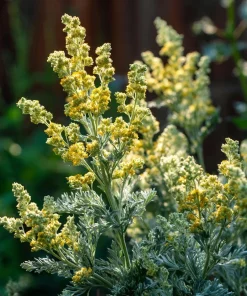
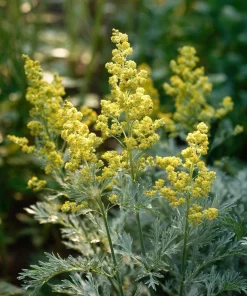
Wormwood Seeds – Heirloom Medicinal & Aromatic Herb – 100 Seeds for Outdoor Gardens
Original price was: $31.99.$11.99Current price is: $11.99.
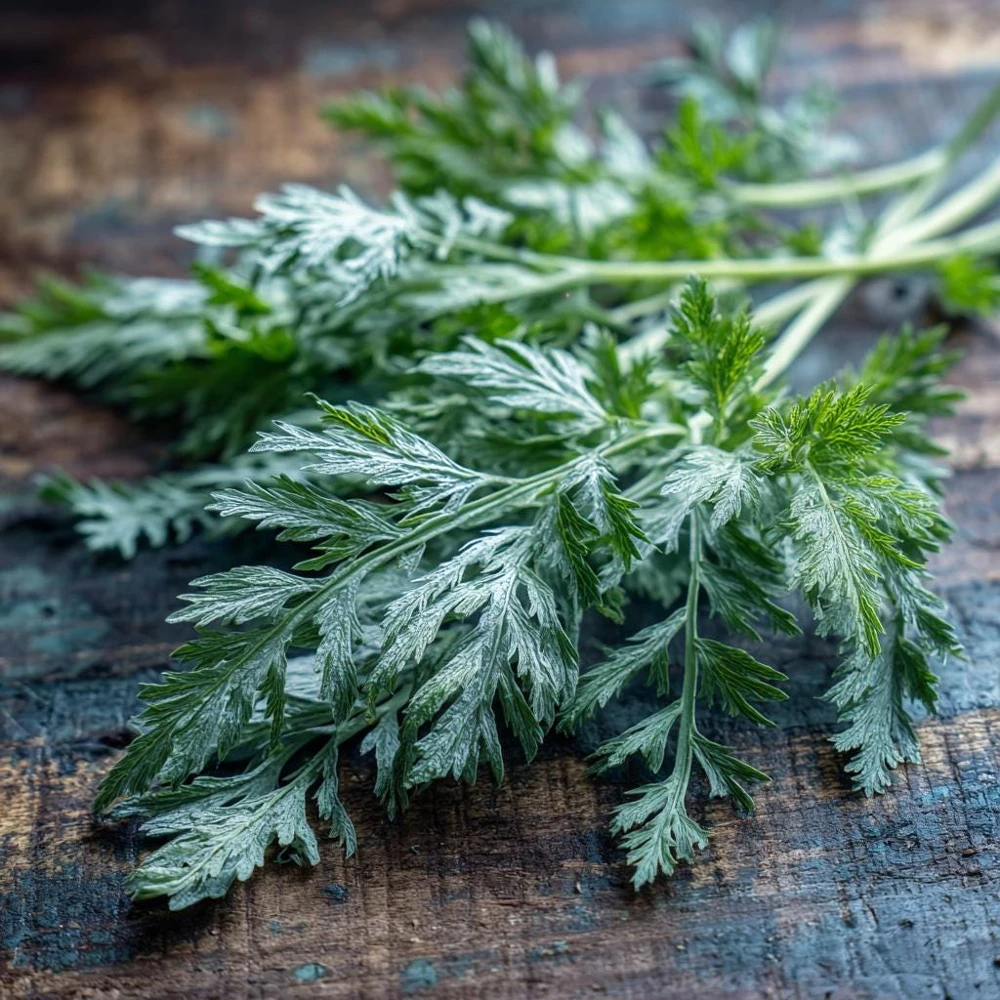
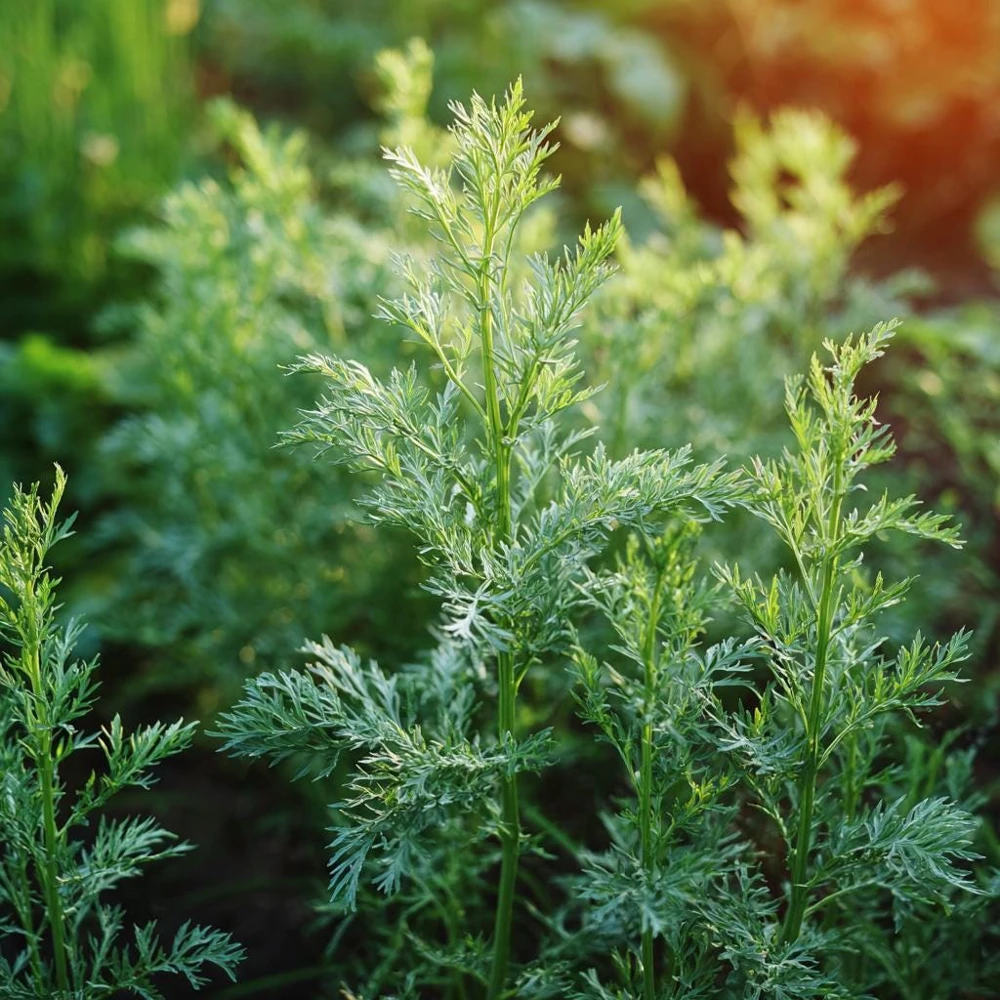
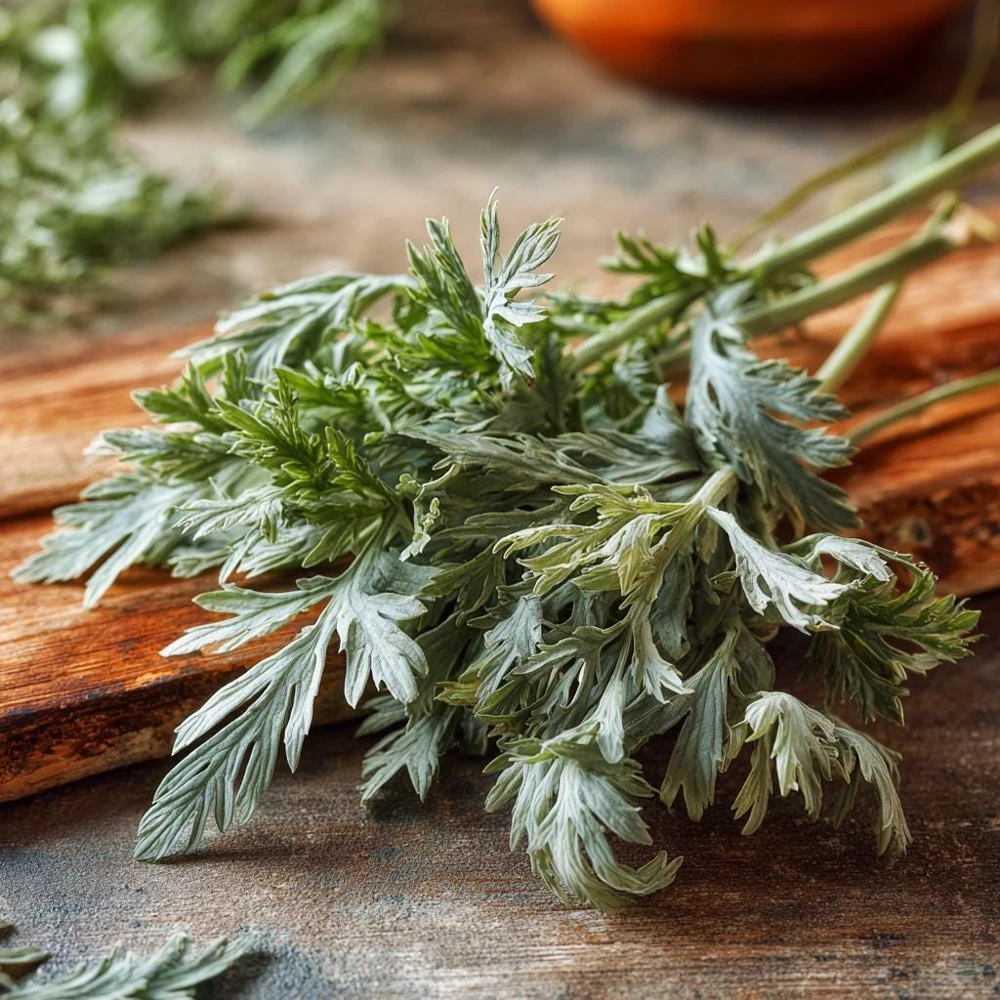
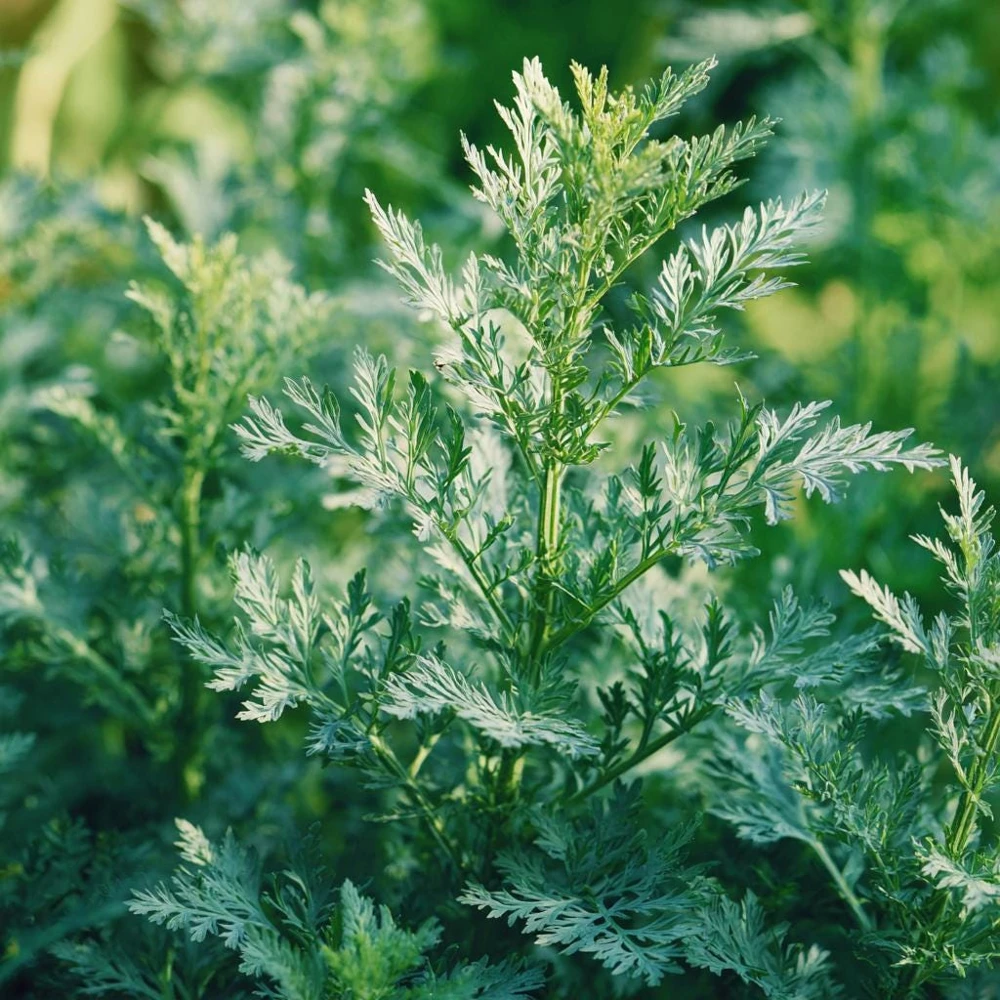
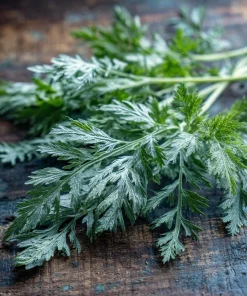
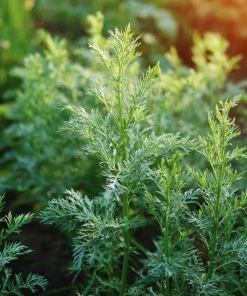
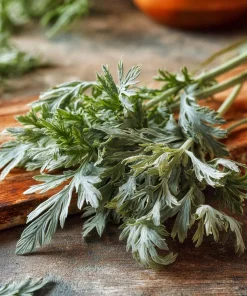
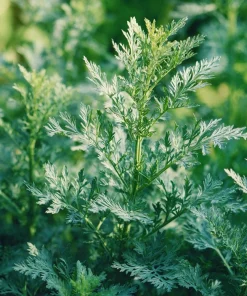
Cultivate wormwood seeds (Artemisia absinthium), an heirloom medicinal and aromatic herb, perfect for enriching your garden. These aromatic plant seeds produce beautiful silvery-green foliage, ideal for herb gardens and attracting pollinators. Enjoy the historical significance and natural compounds of this hardy perennial.
Estimated arrival
Oct 14
Oct 19 - Oct 21
Oct 24 - Oct 28
Shop With Confidence
30-Day Plant Health Guarantee
Arrives damaged? We’ll replace it free — see our return policy.
Responsive Support
Email us anytime, we reply within 1 business day.
Expert Packaging
Temperature-controlled shipping to protect your plants in transit.
Secure Checkout
Pay safely with Visa, Mastercard, PayPal.
Plant Specifications
-
USDA Hardiness Zone
USDA Zones 3-9 -
Soil Type
Well-draining, moderately fertile soil (sandy or rocky preferred) -
Sunlight Exposure
Full sun -
Expected Planting Period
Start indoors 6-8 weeks before last frost; transplant outdoors after last frost
Overview
Discover the ancient allure of wormwood seeds, offering a unique opportunity to cultivate this historically significant plant in your own garden. Artemisia absinthium seeds grow into a beautiful perennial herb, renowned for its distinctive silvery-green, aromatic foliage and natural bitter compounds. Often referred to as the ‘Absinthe plant,’ wormwood has been cherished for centuries for its traditional uses in herbal remedies, culinary applications, and the creation of aromatic liqueurs. Whether you’re an experienced gardener looking to expand your herb collection or a novice eager to explore medicinal plants, these heirloom wormwood seeds provide an excellent starting point for a rewarding gardening journey. This hardy plant thrives in various outdoor conditions and adds a touch of historical elegance to any landscape.
Key Benefits
Cultivating wormwood from seed offers a multitude of benefits, from its aesthetic appeal to its practical uses. This versatile herb is a fantastic addition to any garden, providing both beauty and functionality. Growing wormwood seeds allows you to experience the full lifecycle of this remarkable plant.
- Medicinal and Aromatic Properties: Wormwood is highly valued for its natural bitter compounds and distinctive aroma. Historically used in various herbal preparations, it offers a unique addition to your home apothecary or garden.
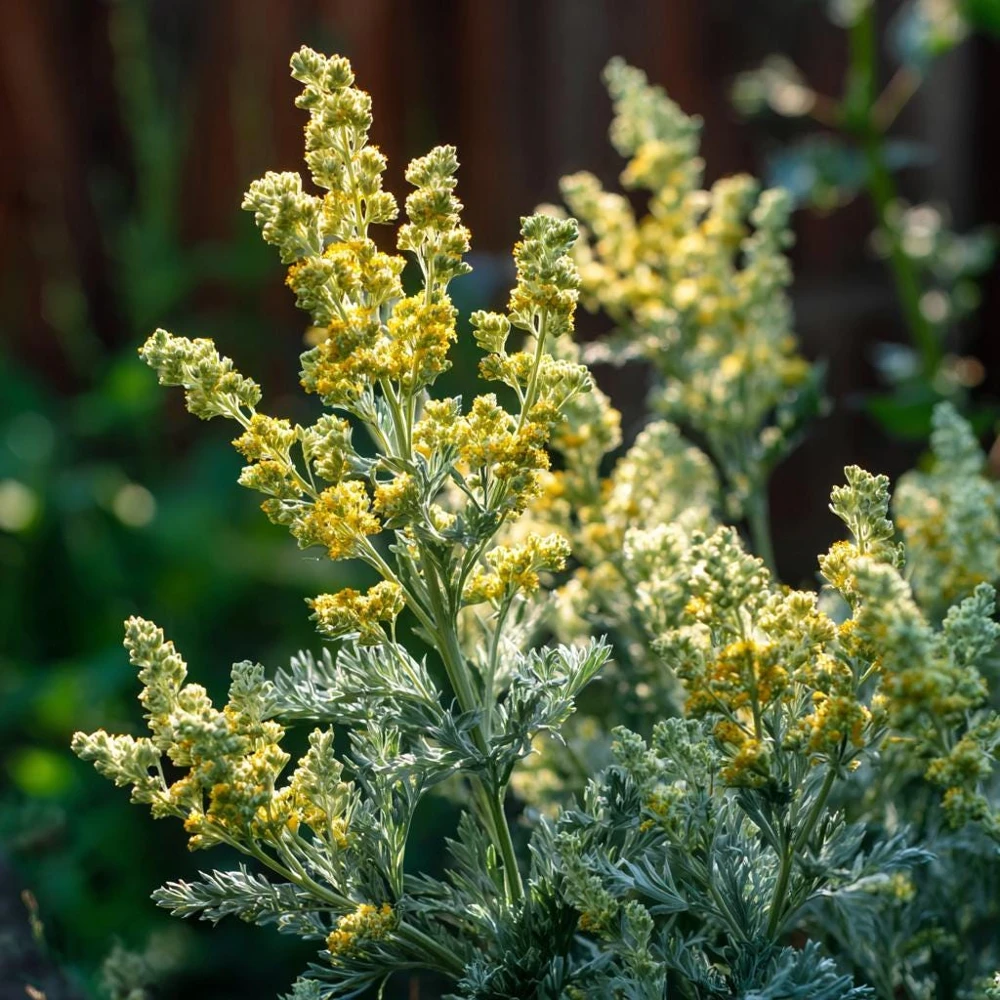
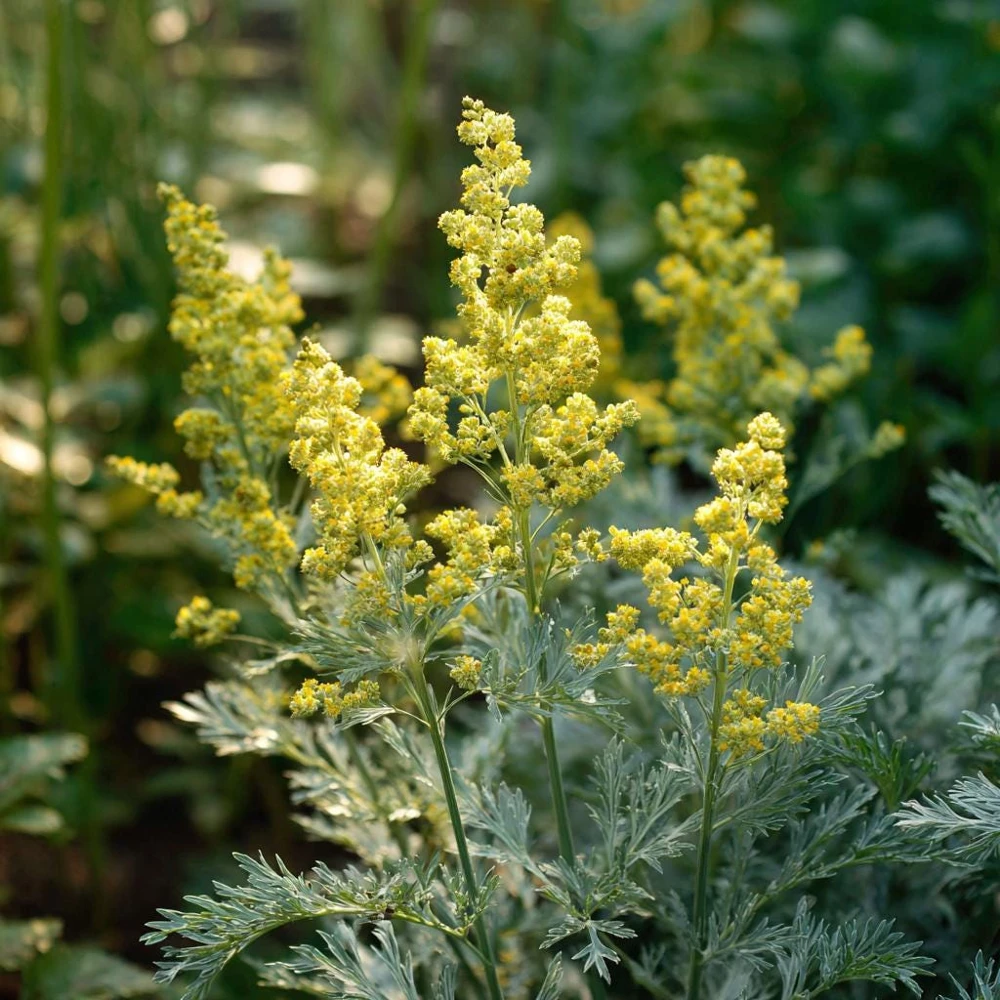
- Pollinator Attraction: The plant’s subtle flowers attract a variety of beneficial insects and pollinators, contributing to a healthier garden ecosystem and supporting local wildlife.
- Drought Tolerance: Once established, wormwood is remarkably drought-tolerant, making it a low-maintenance choice for gardeners in drier climates or those seeking water-wise landscaping solutions.
- Heirloom Variety: These heirloom wormwood seeds ensure you’re growing a plant with a rich history and genetic purity, preserving traditional plant varieties for future generations.
- Deer and Pest Resistant: The strong aroma and bitter compounds of wormwood naturally deter many common garden pests and animals, including deer, protecting nearby plants.
- Unique Garden Texture: The silvery-green, finely dissected foliage of Artemisia absinthium adds a beautiful textural contrast to other plants in your herb garden or mixed borders.
- Versatile Use: Beyond its traditional medicinal uses, wormwood can be used in crafting, potpourri, or simply enjoyed for its captivating fragrance in the garden. These medicinal herb seeds provide a fascinating plant.
Plant Care & Growing Tips
Growing wormwood seeds successfully requires attention to a few key environmental factors to ensure healthy, robust plants. Start seeds indoors 6–8 weeks before the last expected frost. Sow the tiny seeds lightly on the surface of a well-drained seed-starting mix, pressing them gently into the soil, as they require light for germination. Maintain a consistent soil temperature between 65–75°F (18–24°C). Germination typically occurs within 14–21 days. Once seedlings are strong enough, transplant them outdoors after all danger of frost has passed, spacing plants 18–24 inches apart to allow for mature growth.
Wormwood thrives in full sun, requiring at least 6-8 hours of direct sunlight daily for optimal growth and foliage development. It prefers well-drained, moderately fertile soil, ideally slightly sandy or rocky conditions. Avoid heavy, waterlogged soils, which can lead to root rot. Once established, wormwood is quite drought-tolerant, so water sparingly, allowing the soil to dry out completely between waterings. Overwatering is a common mistake that can harm this plant. Pruning is beneficial to maintain a compact, bushy shape and to encourage new growth. You can harvest the fragrant leaves for various uses once the plant is well-established. These aromatic plant seeds will reward you with a resilient and beautiful herb.
For best results, ensure good air circulation around the plants to prevent fungal issues. While generally pest-resistant, keep an eye out for aphids or spider mites, especially in dry conditions. A healthy plant grown from artemisia absinthium seeds will naturally be more resistant to problems. Fertilization is usually not heavily required; a light application of a balanced, slow-release fertilizer in spring is often sufficient, particularly if your soil is poor. Avoid excessive nitrogen, which can lead to leggy growth and reduce the plant’s aromatic qualities.
Size & Details
Each packet contains 100 wormwood seeds, providing ample opportunity to start a significant patch of this valuable herb. The seeds are heirloom quality, ensuring genetic purity and true-to-type plants. Once mature, wormwood plants typically reach a height of 2-4 feet (60-120 cm) and spread about 1.5-3 feet (45-90 cm) wide, forming attractive, mounded clumps of silvery foliage. The growth rate is moderate, with plants establishing themselves well within their first growing season. These seeds are ideal for outdoor cultivation in herb gardens, perennial borders, or naturalized areas, offering a striking visual and aromatic presence. The mature plants are hardy perennials, returning year after year to enrich your garden with their unique characteristics. Expect robust plants from these medicinal herb seeds.
Frequently Asked Questions
- Q: How big does a wormwood plant get? A: A mature wormwood plant typically grows 2-4 feet tall and spreads 1.5-3 feet wide, forming a bushy, aromatic clump. Proper spacing when transplanting seedlings will help ensure good air circulation and robust growth.
- Q: Is this an indoor or outdoor plant? A: Wormwood is primarily an outdoor plant, thriving in full sun and well-drained soil in gardens. While it can be grown in containers, it’s best suited for outdoor cultivation where it can reach its full size and potential.
- Q: How much sunlight does wormwood need? A: Wormwood requires full sun, meaning at least 6-8 hours of direct sunlight per day, to flourish. Ample sunlight is crucial for developing its characteristic aromatic foliage and maintaining plant health.
- Q: Is this plant easy to care for? A: Yes, once established, wormwood is considered a relatively easy-care plant. It’s drought-tolerant and generally resistant to pests and diseases, making it suitable for gardeners of various experience levels. Starting with wormwood seeds is a straightforward process.
- Q: What condition will the seeds arrive in? A: Your wormwood seeds will arrive as a packet of dry seeds, ready for sowing. They are carefully packaged to ensure viability and protection during transit, ensuring you receive high-quality seeds for planting.
- Q: When is the best time to plant wormwood seeds? A: The best time to start wormwood seeds indoors is 6-8 weeks before the last frost date in your region. Transplant seedlings outdoors after the last frost has passed, typically in late spring or early summer.
- Q: Will wormwood survive winter in my zone? A: Wormwood is a hardy perennial and can survive winters in USDA Zones 3-9. In colder zones, the foliage may die back, but the plant will typically regrow from the roots in spring.
- Q: What type of soil does wormwood prefer? A: Wormwood prefers well-drained, moderately fertile soil. It thrives in slightly sandy or rocky conditions and does not tolerate heavy, waterlogged soils. Good drainage is key to preventing root issues for these heirloom wormwood plants.
- Q: Can I use wormwood for culinary purposes? A: While historically used in liqueurs like absinthe, wormwood has a very bitter taste and is not typically used as a culinary herb in the same way as basil or oregano. Its use is more specialized and often medicinal or aromatic.
- Q: Are these medicinal herb seeds suitable for attracting pollinators? A: Yes, mature wormwood plants produce small, inconspicuous flowers that are attractive to various pollinators, including bees and butterflies, making them a beneficial addition to a pollinator-friendly garden.
Be the first to review “Wormwood Seeds – Heirloom Medicinal & Aromatic Herb – 100 Seeds for Outdoor Gardens”
People Also Viewed
Fruits
Canby Thornless Red Raspberry Starter Plug – Rubus idaeus Live Plant, June-Bearing, Cold-Hardy
Reviews
There are no reviews yet.