
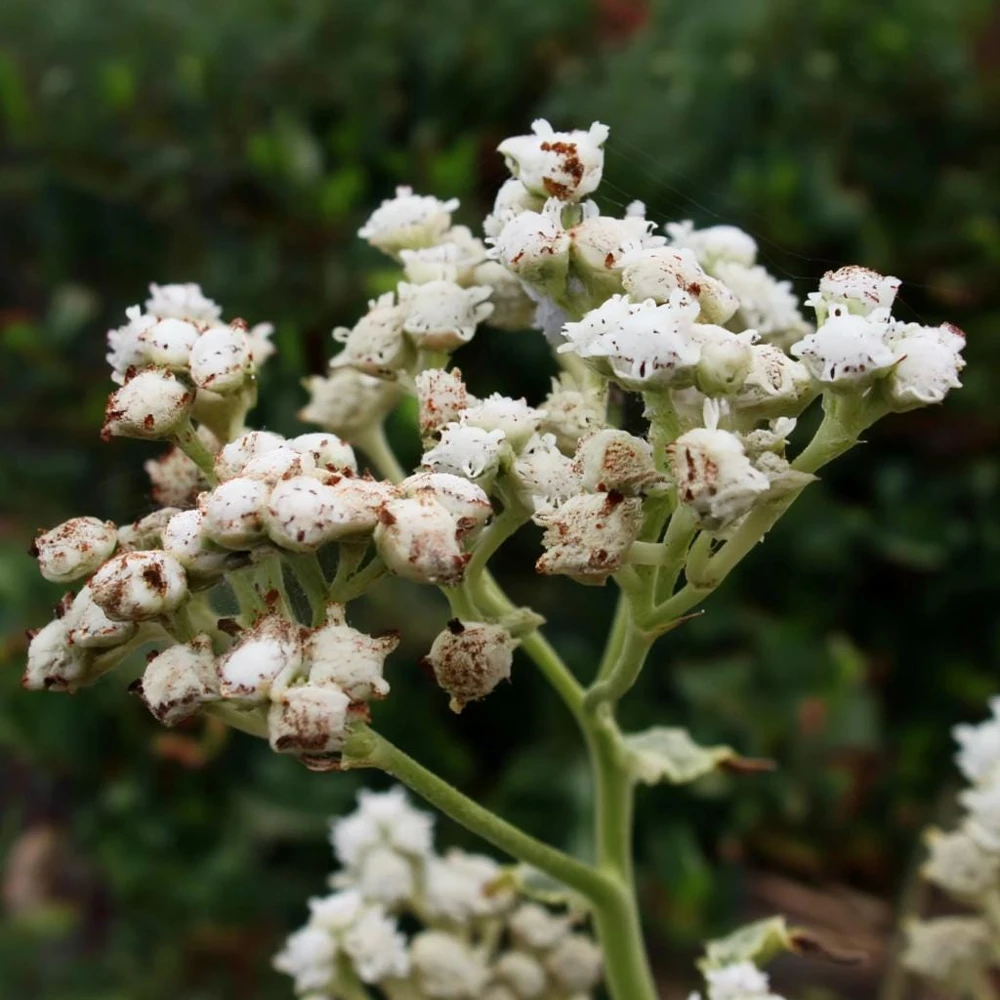
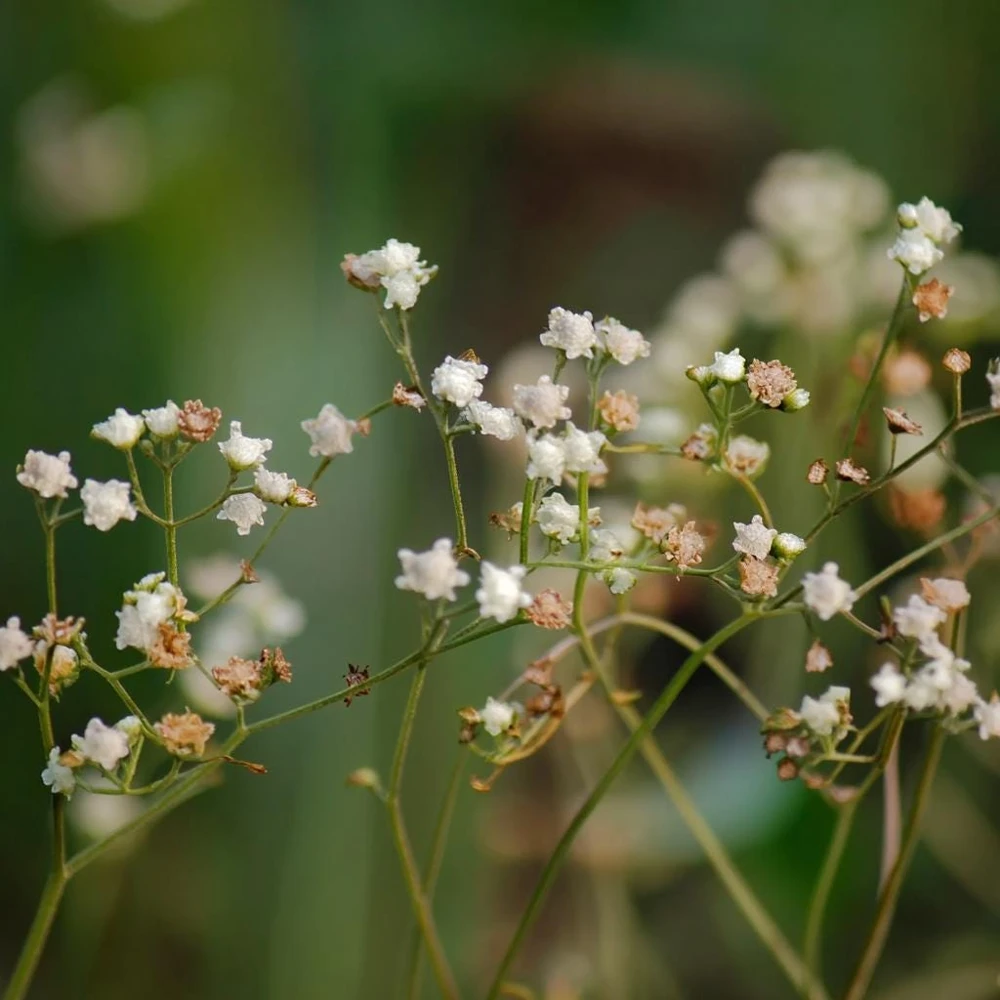
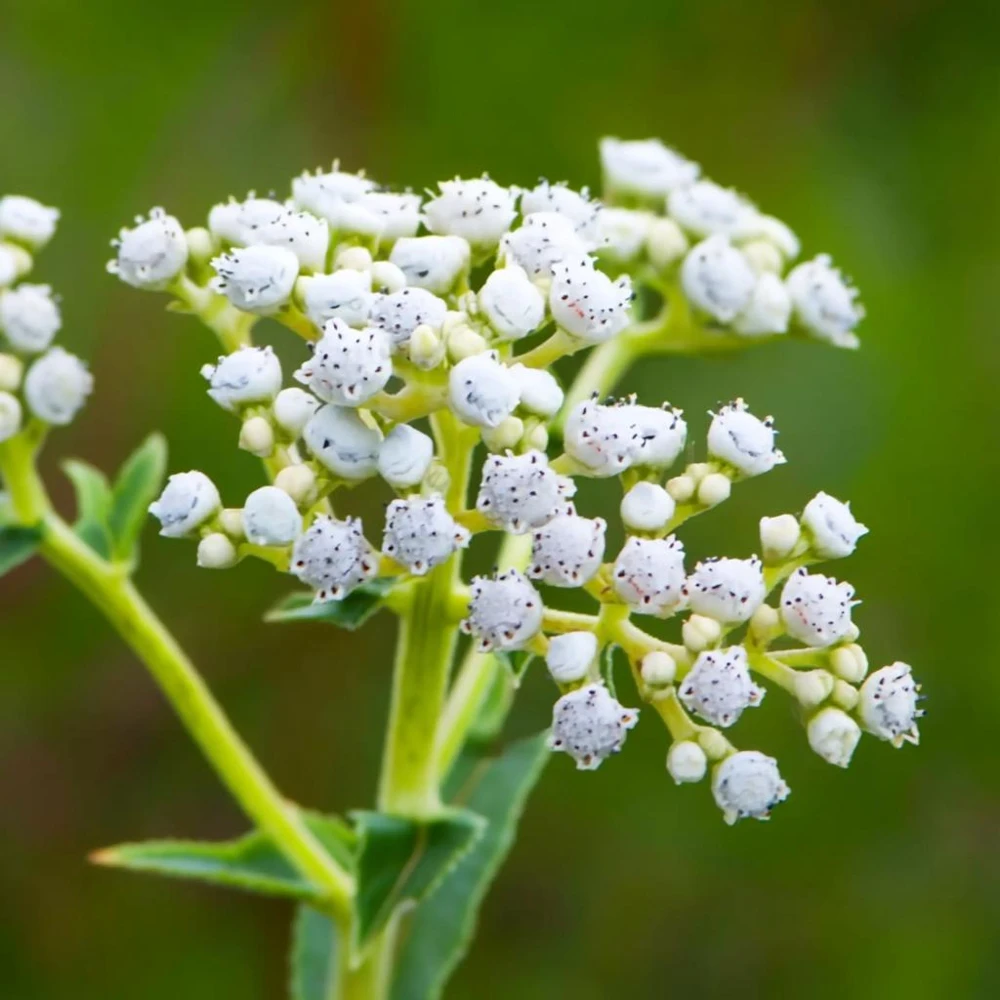
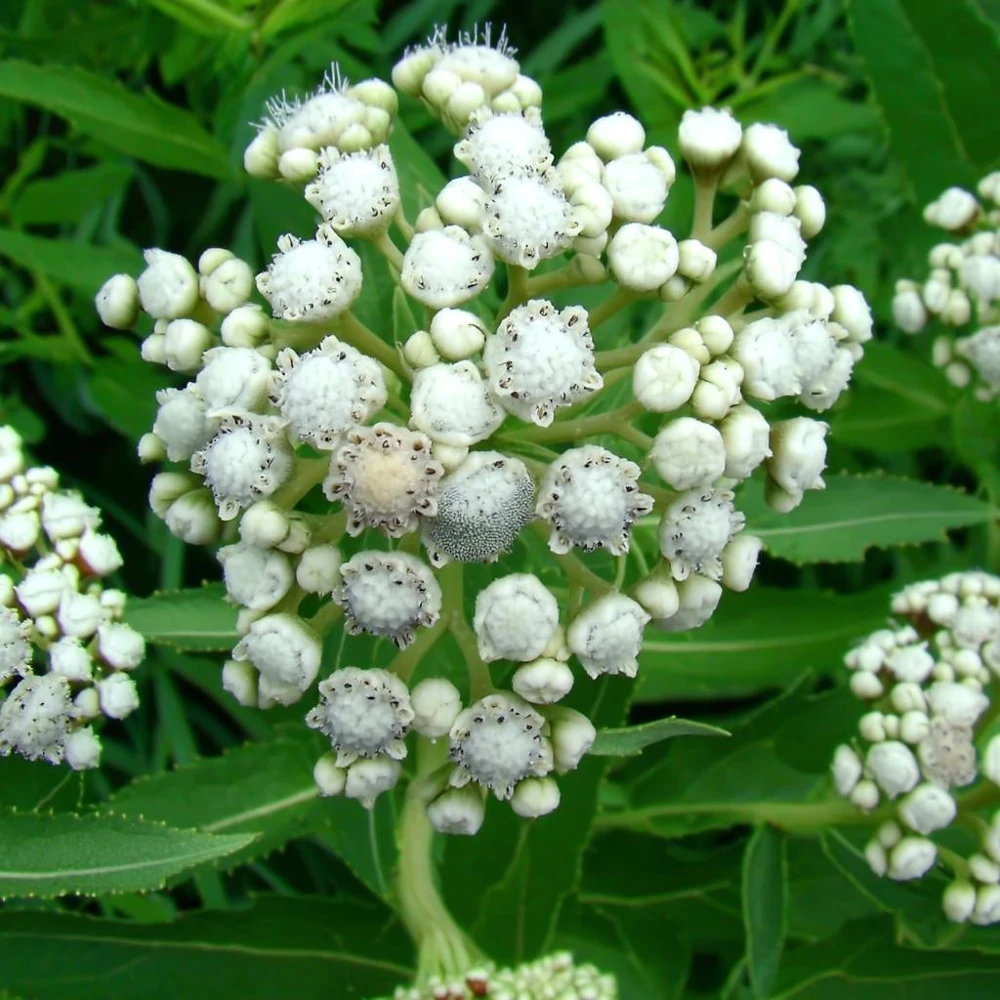
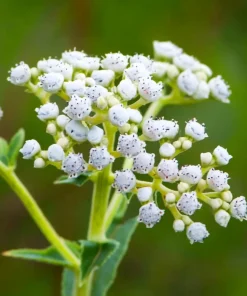
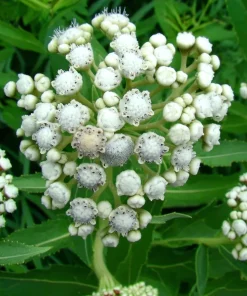
Wild Quinine Seeds – 50 Count, American Feverfew, Heirloom Medicinal Herb
Original price was: $30.99.$10.99Current price is: $10.99.
Cultivate the beautiful and beneficial Wild Quinine seeds (Parthenium integrifolium), also known as American Feverfew seeds. This heirloom perennial attracts pollinators and holds historical medicinal significance, perfect for native gardens and herbal uses.
Estimated arrival
Oct 14
Oct 19 - Oct 21
Oct 24 - Oct 28
Shop With Confidence
30-Day Plant Health Guarantee
Arrives damaged? We’ll replace it free — see our return policy.
Responsive Support
Email us anytime, we reply within 1 business day.
Expert Packaging
Temperature-controlled shipping to protect your plants in transit.
Secure Checkout
Pay safely with Visa, Mastercard, PayPal.
Plant Specifications
-
USDA Hardiness Zone
USDA zones 3-8 -
Soil Type
Well-draining soil -
Sunlight Exposure
Full sun to partial shade -
Expected Planting Period
Spring or fall outdoors; 6-8 weeks before last frost indoors
Overview
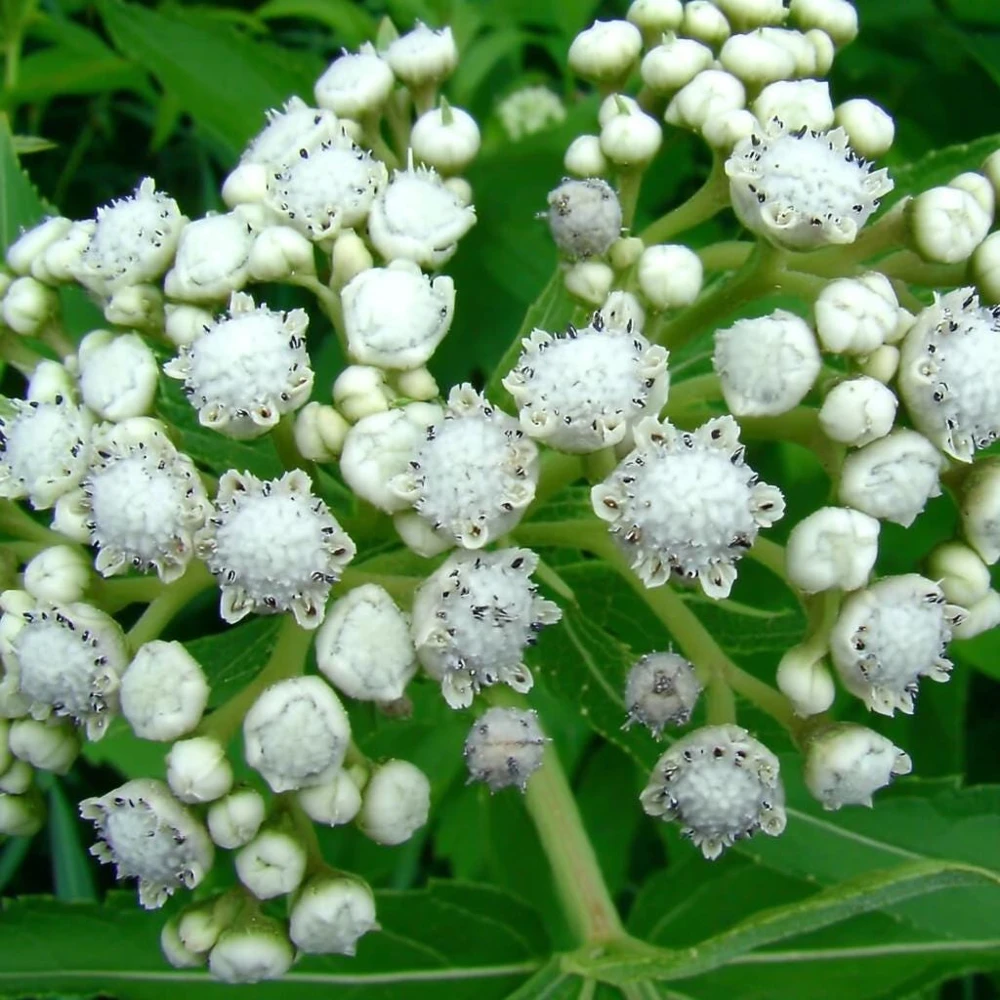
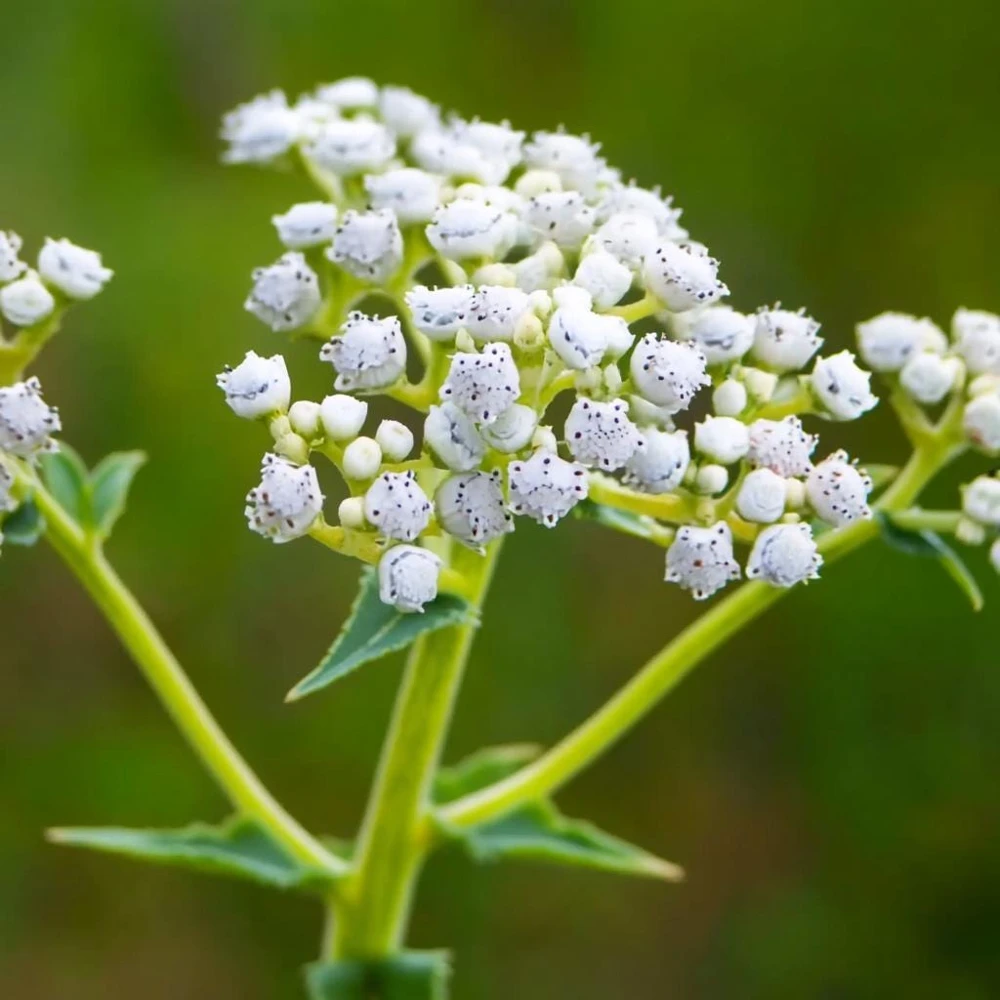
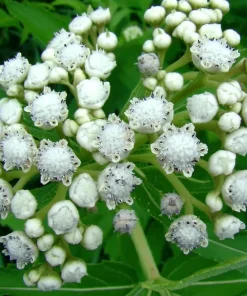
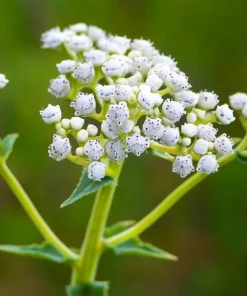
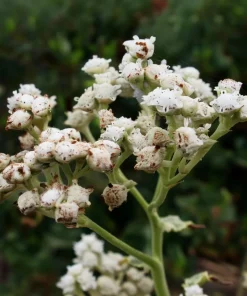
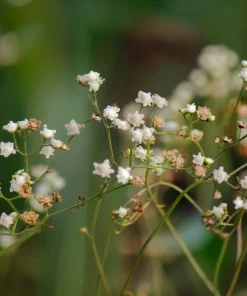
Discover the beauty and ecological value of Wild Quinine seeds, an excellent choice for any gardener interested in native plants and beneficial herbs. Also known as American Feverfew seeds (Parthenium integrifolium), this hardy perennial is native to North America, making it a robust and adaptable addition to your landscape. Each packet contains 50 heirloom seeds, offering a generous start to cultivating this unique plant. Wild Quinine produces charming clusters of daisy-like flowers, ranging from soft pink to lavender, atop sturdy, tall stems. These blossoms are a magnet for bees, butterflies, and other essential pollinators, enhancing biodiversity in your garden. Historically, Wild Quinine has been valued for its medicinal properties and is a staple in traditional herbal remedies. Its upright growth habit and long blooming period make it an ideal candidate for native plant gardens, perennial borders, and naturalized meadows, contributing both aesthetic appeal and ecological support.
Growing Parthenium integrifolium seeds allows you to establish a low-maintenance, drought-tolerant plant once mature. This plant thrives in various conditions and is known for its resilience. By planting these seeds, you’re not just growing a flower; you’re cultivating a piece of natural heritage that supports local ecosystems and offers potential herbal benefits. Whether you’re an experienced gardener or just starting, these heirloom seeds provide an opportunity to grow a truly special perennial.
Key Benefits
Growing Wild Quinine seeds offers a multitude of benefits for both your garden and the environment. This remarkable plant is much more than just a pretty flower; it’s a valuable ecological asset and a historically significant herb.
- Pollinator Magnet: The daisy-like, soft pink to lavender flowers are highly attractive to a wide array of pollinators, including bees and butterflies, which are crucial for a healthy ecosystem. Planting these seeds directly contributes to supporting local pollinator populations.
- Native & Hardy Perennial: As a native North American species, Wild Quinine is exceptionally hardy and well-adapted to regional climates. Once established, it requires minimal care and can withstand various environmental stresses, making it a sustainable choice.
- Historical Medicinal Value: Known as American Feverfew seeds, this plant has a long history of use in traditional herbal remedies. Cultivating it provides access to a plant revered for its potential health benefits, though always consult a professional for medicinal use.
- Drought-Tolerant: After its initial establishment, Wild Quinine exhibits excellent drought tolerance, reducing the need for frequent watering. This makes it an ideal plant for xeriscaping or gardens in areas with water conservation concerns.
- Low Maintenance: This perennial is relatively low-maintenance, requiring little attention once mature. It’s a perfect choice for gardeners seeking beautiful, beneficial plants that don’t demand constant care.
- Versatile Landscape Use: Its upright habit and long-blooming nature make it suitable for a variety of garden settings, including native plant gardens, naturalized meadows, perennial borders, and even cottage gardens.
- Ecological Contribution: By introducing Parthenium integrifolium seeds into your garden, you are actively participating in native plant restoration, enhancing local biodiversity, and providing habitat and food sources for wildlife.
Plant Care & Growing Tips
Cultivating Wild Quinine seeds is a rewarding experience, leading to a resilient and beneficial perennial. To ensure successful germination and robust growth, follow these detailed care instructions. You can start your American Feverfew seeds indoors 6–8 weeks before the last expected frost, or sow them directly outdoors in either spring or fall. When sowing, simply place the seeds on the soil surface and press lightly; they require light to germinate effectively. Maintain consistent moisture in the soil, keeping it evenly moist at a temperature range of 65–70°F (18–21°C). Germination typically occurs within 14–21 days. Once seedlings are established and large enough to handle, thin them to a spacing of 12–18 inches apart. This spacing is crucial for allowing healthy growth, proper air circulation, and preventing overcrowding, which can lead to disease.
Once established, Wild Quinine is a remarkably low-maintenance plant. It thrives best in full sun to partial shade, meaning it prefers at least 6 hours of direct sunlight daily but can tolerate some afternoon shade, especially in hotter climates. Well-drained soil is essential, as this plant does not tolerate soggy conditions. While it is relatively drought-tolerant once mature, moderate watering during prolonged dry spells will help ensure continuous blooming and overall plant health. Removing spent flower heads (deadheading) is recommended to encourage the plant to produce more blooms throughout its season. This practice not only extends the flowering period but also maintains a tidy appearance. This hardy perennial is perfect for creating vibrant, pollinator-friendly gardens, naturalized meadows, and native plant landscapes, showcasing the enduring appeal of Parthenium integrifolium seeds.
Size & Details
These Wild Quinine seeds will grow into a robust and attractive perennial, typically reaching a height of 3 to 5 feet (around 90 to 150 cm) with a spread of 1 to 2 feet (30 to 60 cm) once mature. Each packet contains 50 high-quality heirloom seeds, providing ample opportunity to establish a healthy patch of Wild Quinine in your garden. The plant exhibits an upright growth habit, forming a sturdy clump of foliage from which tall flower stalks emerge. The flowers are daisy-like and come in soft pink to lavender hues, blooming profusely from mid-summer through fall, offering a long season of visual interest and pollinator attraction. The seeds are best started indoors or direct-sown, with germination typically occurring within 2-3 weeks under optimal conditions. Plants grown from these American Feverfew seeds will generally establish within their first year, with full blooming potential reached in the second year and beyond. This plant is known for its vigorous growth and ability to naturalize in suitable conditions, creating a beautiful and ecologically beneficial landscape component.
Frequently Asked Questions
- Q: How big does Wild Quinine get? A: Wild Quinine typically grows to a height of 3 to 5 feet (90-150 cm) and spreads about 1 to 2 feet (30-60 cm) wide, forming an upright clump. Its tall stems support numerous daisy-like flowers.
- Q: Is this an indoor or outdoor plant? A: Wild Quinine is an outdoor plant, native to North America. It thrives in garden settings, naturalized landscapes, and perennial borders, especially when grown from Parthenium integrifolium seeds.
- Q: How much sunlight does Wild Quinine need? A: This plant prefers full sun to partial shade, ideally receiving at least 6 hours of direct sunlight per day. It can tolerate some afternoon shade, particularly in hotter climates.
- Q: Is Wild Quinine easy to care for? A: Yes, once established, Wild Quinine is considered a low-maintenance perennial. It is relatively drought-tolerant and requires minimal attention, making these Wild Quinine seeds a great choice for various gardeners.
- Q: What condition will the seeds arrive in? A: The product consists of 50 heirloom Wild Quinine seeds, packaged to ensure viability and readiness for planting. They are not live plants but seeds for cultivation.
- Q: When is the best time to plant Wild Quinine seeds? A: You can sow American Feverfew seeds indoors 6-8 weeks before the last frost, or directly outdoors in spring after the last frost, or in the fall.
- Q: Will Wild Quinine survive winter in my zone? A: Wild Quinine is a hardy perennial, typically thriving in USDA zones 3-8. It is well-adapted to cold winters and will return year after year in these regions.
- Q: What type of soil does Wild Quinine prefer? A: This plant thrives in well-drained soil. While it’s adaptable to various soil types, good drainage is crucial to prevent root rot and ensure healthy growth from your Parthenium integrifolium seeds.
- Q: Is Wild Quinine considered a medicinal herb? A: Yes, Wild Quinine has a history of use in traditional herbal medicine, particularly for its fever-reducing and anti-inflammatory properties, earning it the common name American Feverfew.
- Q: How long does it take for Wild Quinine to bloom from seed? A: While germination takes 2-3 weeks, plants grown from Wild Quinine seeds typically establish in the first year and begin to flower in their second year, continuing to bloom profusely in subsequent seasons.
Be the first to review “Wild Quinine Seeds – 50 Count, American Feverfew, Heirloom Medicinal Herb”
People Also Viewed
Reviews
There are no reviews yet.