
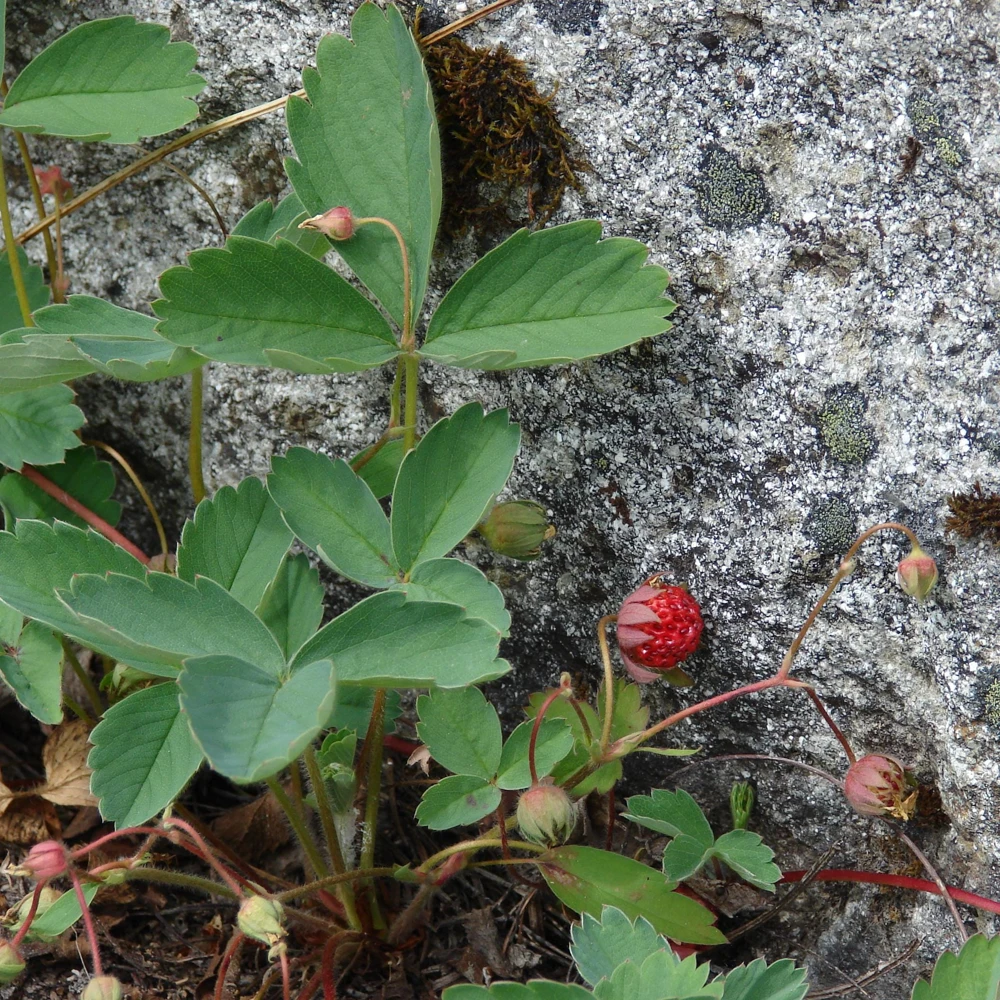
Wild Strawberry Live Plant – Fragaria virginiana – 3.5 Inch Pot – Zones 5-9
Original price was: $38.99.$21.99Current price is: $21.99.
Bring the charm of nature to your garden with a wild strawberry live plant (Fragaria virginiana). This hardy perennial is perfect for use as an edible groundcover, providing sweet, petite berries and attractive foliage. Grown in a 3.5 inch pot, it’s ready for planting in USDA Zones 5-9, thriving in part to full sun conditions.
Estimated arrival
Oct 25
Oct 30 - Nov 01
Nov 04 - Nov 08
Shop With Confidence
30-Day Plant Health Guarantee
Arrives damaged? We’ll replace it free — see our return policy.
Responsive Support
Email us anytime, we reply within 1 business day.
Expert Packaging
Temperature-controlled shipping to protect your plants in transit.
Secure Checkout
Pay safely with Visa, Mastercard, PayPal.
Plant Specifications
-
USDA Hardiness Zone
5-9 -
Soil Type
Well-draining, fertile soil -
Sunlight Exposure
Part to Full Sun -
Expected Planting Period
Spring to Fall
Overview
Introduce the delightful and resilient wild strawberry live plant (Fragaria virginiana) to your garden, a charming addition that offers both ornamental beauty and delicious, small fruits. Native to Eastern North America, this species is a fantastic choice for gardeners looking to create a naturalized look or an edible landscape. Unlike its larger cultivated cousins, the wild strawberry produces intensely flavored, sweet berries that are a true taste of the forest. This particular offering is a healthy, established plant cultivated in a 3.5 inch pot, ensuring it’s ready for immediate planting and robust growth in your outdoor space. Known for its vigorous spreading habit, it quickly forms a lush groundcover, suppressing weeds and creating a beautiful green carpet adorned with delicate white flowers in spring, followed by its signature red berries. The Fragaria virginiana is not only a treat for humans but also a valuable food source for local wildlife, making it an excellent choice for supporting biodiversity in your garden. Its adaptability to various conditions and low maintenance requirements make it a favorite among both novice and experienced gardeners seeking a rewarding and easy-to-grow plant.
Key Benefits
Adding a wild strawberry live plant to your landscape brings a multitude of advantages, enhancing both the aesthetic and ecological value of your outdoor space. Its natural beauty and practical uses make it an exceptional choice for diverse gardening needs.
- Delicious Edible Fruits: Enjoy small, intensely sweet, and aromatic berries that are far more flavorful than many store-bought varieties. These berries are perfect for fresh eating, jams, or adding to desserts.
- Effective Groundcover: With its spreading runners, this plant quickly forms a dense, attractive green carpet, effectively suppressing weeds and reducing maintenance in garden beds or sloped areas. It’s an ideal native groundcover plant.
- Low Maintenance & Hardy: Once established, Fragaria virginiana requires minimal care, tolerating a range of soil conditions and thriving in USDA Zones 5-9. It’s a resilient plant that bounces back year after year.
- Pollinator Attractor: The delicate white flowers produced in spring provide an early nectar source for bees and other beneficial pollinators, supporting local ecosystems and encouraging fruit set.
- Erosion Control: Its extensive root system helps to stabilize soil, making it an excellent choice for preventing erosion on banks and hillsides, contributing to a healthier landscape.
- Wildlife Friendly: Beyond human consumption, the berries are a valuable food source for birds and small mammals, enriching your garden’s biodiversity and attracting interesting visitors.
- Naturalized Aesthetic: Creates a beautiful, naturalized look in gardens, woodlands, or meadows, blending seamlessly with native plant designs and offering a rustic charm. This makes it an ideal edible landscaping plant.
Plant Care & Growing Tips
Caring for your wild strawberry live plant is relatively straightforward, ensuring you’ll enjoy its beauty and bounty with minimal effort. This hardy perennial is forgiving and adaptable, making it a great choice for various garden settings. When considering how to grow wild strawberries, understanding their basic needs will lead to a thriving patch.
Sunlight Requirements: The wild strawberry thrives in a range of light conditions from part sun to full sun. In hotter climates, some afternoon shade can prevent scorching, while in cooler regions, full sun will encourage more prolific flowering and fruiting. Aim for at least 4-6 hours of direct sunlight daily for optimal berry production. If you’re using it as a groundcover where fruit isn’t the primary goal, it will tolerate more shade.
Watering Schedule and Soil Moisture: While established plants are somewhat drought-tolerant, consistent moisture is key, especially during flowering and fruiting periods. Water deeply when the top inch of soil feels dry to the touch. Avoid overwatering, as this can lead to root rot. Well-draining soil is crucial. During dry spells, supplemental watering will help ensure a healthy crop of berries.
Soil Type and Drainage Requirements: Fragaria virginiana prefers well-draining, fertile soil with a slightly acidic to neutral pH (6.0-7.0). It tolerates a variety of soil types, including sandy or clay soils, as long as drainage is adequate. Incorporating organic matter, such as compost, into the planting area will improve soil structure, fertility, and drainage, providing an ideal environment for your Fragaria virginiana to flourish. Good drainage is essential to prevent waterlogged roots.
Temperature Range and USDA Hardiness Zone: This plant is incredibly cold-hardy, suitable for USDA Zones 5-9. It can withstand winter temperatures well below freezing, often going dormant and re-emerging vigorously in spring. Protection in extreme cold is generally not necessary, but a layer of mulch can help insulate the roots in very harsh winters.
Fertilization Schedule and Type: Wild strawberries are not heavy feeders. A light application of a balanced organic fertilizer in early spring, just as new growth begins, is usually sufficient. Alternatively, top-dressing with a layer of compost each spring will provide a slow release of nutrients and improve soil health. Avoid excessive nitrogen, which can lead to lush foliage at the expense of fruit production.
Common Problems and Solutions: Generally pest and disease resistant, wild strawberries can occasionally encounter issues. Slugs and birds may be attracted to ripening berries; netting can protect your harvest from birds, and various organic methods can deter slugs. Ensuring good air circulation and proper spacing can help prevent fungal issues. Overall, this is a very resilient edible landscaping plant.
Size & Details
This offering is for one healthy wild strawberry live plant, specifically Fragaria virginiana, carefully grown and shipped in a 3.5 inch nursery pot. This pot size ensures the plant has a well-established root system, providing a strong start for its new home in your garden. Upon planting, the plant typically reaches a height of 6-12 inches, creating a low-growing, dense groundcover. Its spreading habit means it will expand horizontally through runners, gradually colonizing an area. The growth rate is moderate to fast, allowing it to establish itself relatively quickly. Expect the plant to bloom with small white flowers in spring, followed by the development of delicious, small red berries in late spring to early summer. It will continue to produce foliage throughout the growing season until dormancy in winter, making it a reliable native groundcover plant for years to come. The mature spread can vary depending on conditions, but it will readily fill in available space, making it perfect for an edible landscaping plant.
Frequently Asked Questions
- Q: How big does this plant get? A: This wild strawberry live plant typically reaches a height of 6-12 inches. It spreads horizontally via runners, forming a dense groundcover.
- Q: What size pot does it come in? A: The plant is shipped in a 3.5 inch nursery pot, providing a strong, established root system for successful transplanting.
- Q: Is this an indoor or outdoor plant? A: This is primarily an outdoor plant, ideally suited for garden beds, groundcover, or naturalized areas. It is cold-hardy for USDA Zones 5-9.
- Q: How much sunlight does it need? A: The Fragaria virginiana thrives in part to full sun, meaning it needs at least 4-6 hours of direct sunlight per day for optimal growth and fruit production.
- Q: Is this plant easy to care for? A: Yes, wild strawberries are known for being very low-maintenance and hardy once established, making them an excellent choice for beginners and experienced gardeners alike.
- Q: What condition will it arrive in? A: Your wild strawberry live plant will arrive as a healthy, actively growing plant, carefully packaged to ensure its safe journey.
- Q: Is it shipped in soil? A: Yes, the plant is shipped in its 3.5 inch nursery pot with soil, allowing for a smooth transition to your garden.
- Q: Can I use wild strawberries in cooking? A: Absolutely! The berries from this edible landscaping plant are intensely sweet and flavorful, perfect for fresh eating, jams, pies, or as a garnish.
- Q: Is it pet-safe? A: Wild strawberries (Fragaria virginiana) are generally considered non-toxic to pets, but it’s always best to monitor your pets to ensure they don’t consume large quantities of any plant material.
- Q: How long until it blooms? A: Typically, the plant will bloom in spring with white flowers, followed by berries in late spring to early summer, depending on your climate and planting time.
- Q: When is the best time to plant? A: Spring or early fall are generally the best times to plant this native groundcover plant, allowing it to establish its root system before extreme weather.
- Q: Will it survive winter in my zone? A: Yes, this plant is cold-hardy and will survive winters in USDA Zones 5-9, going dormant and re-emerging in spring.
Be the first to review “Wild Strawberry Live Plant – Fragaria virginiana – 3.5 Inch Pot – Zones 5-9”
People Also Viewed
Reviews
There are no reviews yet.