

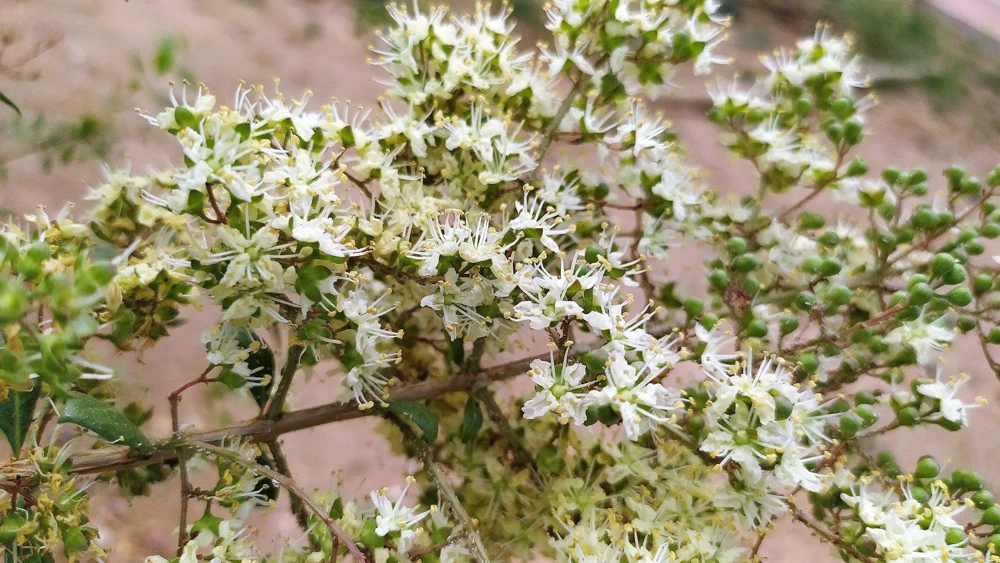
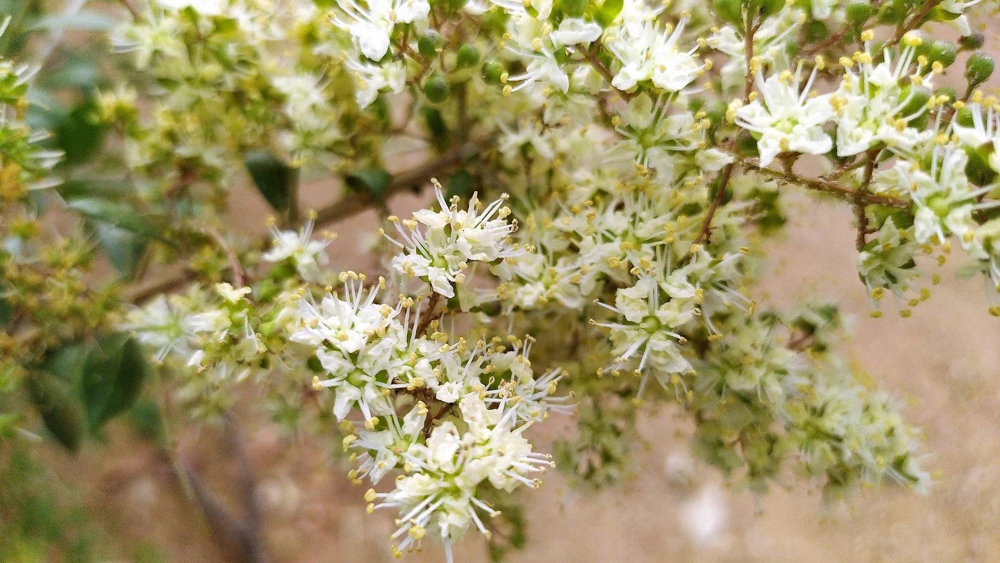
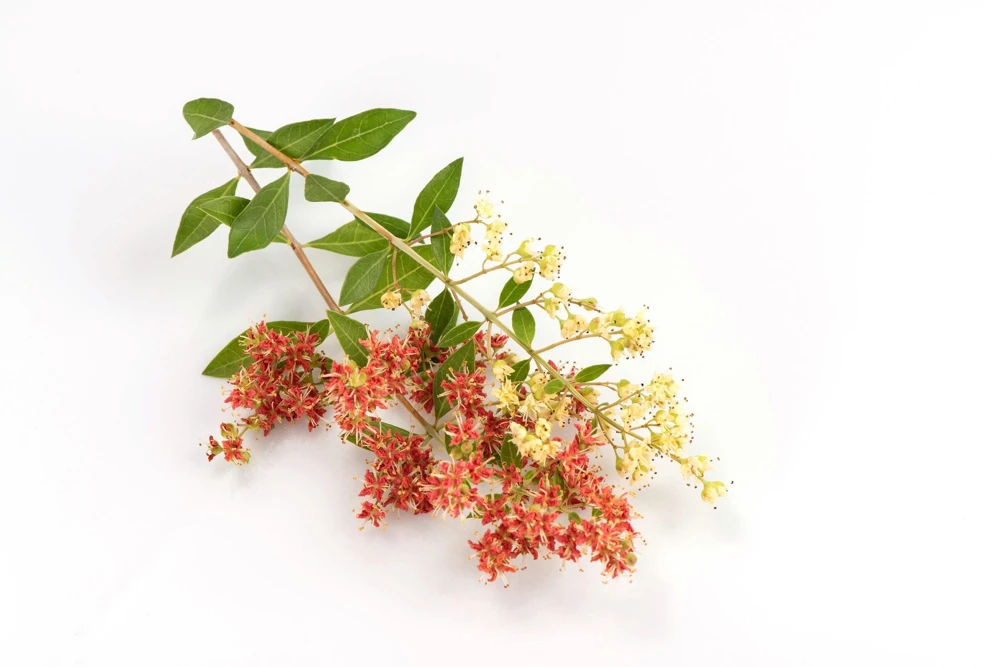
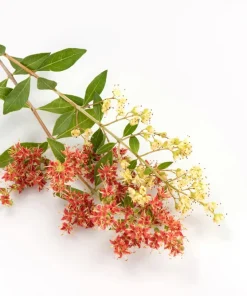
White Flowering Henna Tree Seeds – 40 Count Lawsonia Inermis var. Alba Dye Plant
Original price was: $36.99.$16.99Current price is: $16.99.
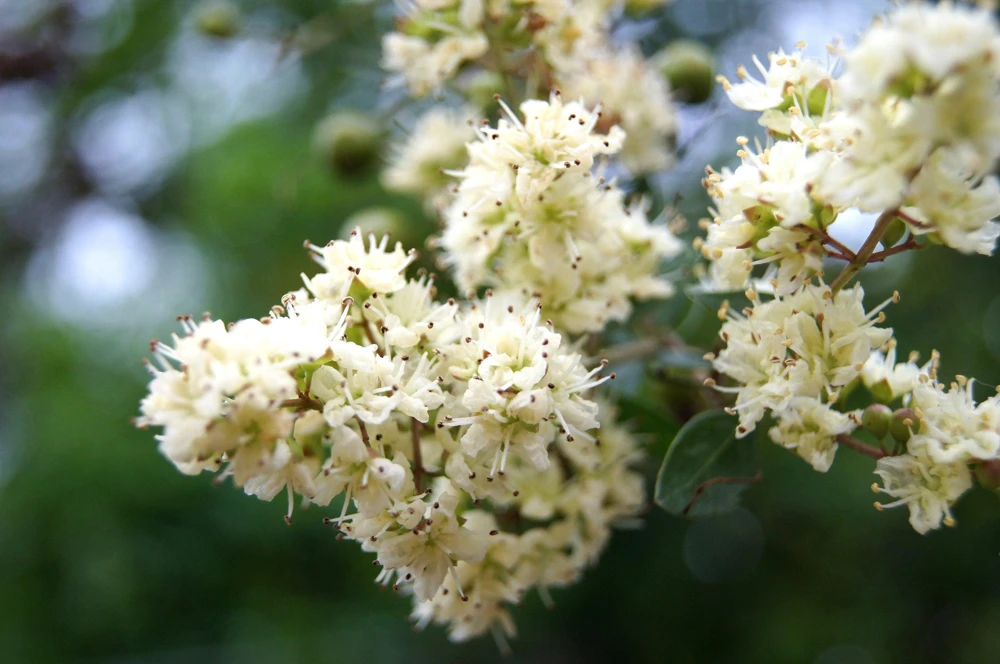
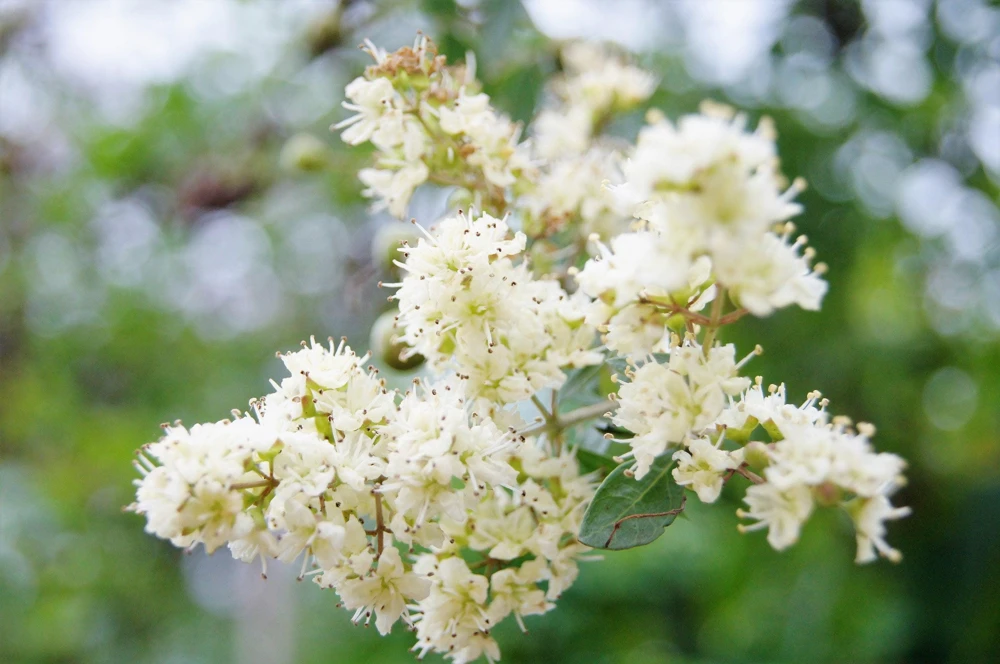
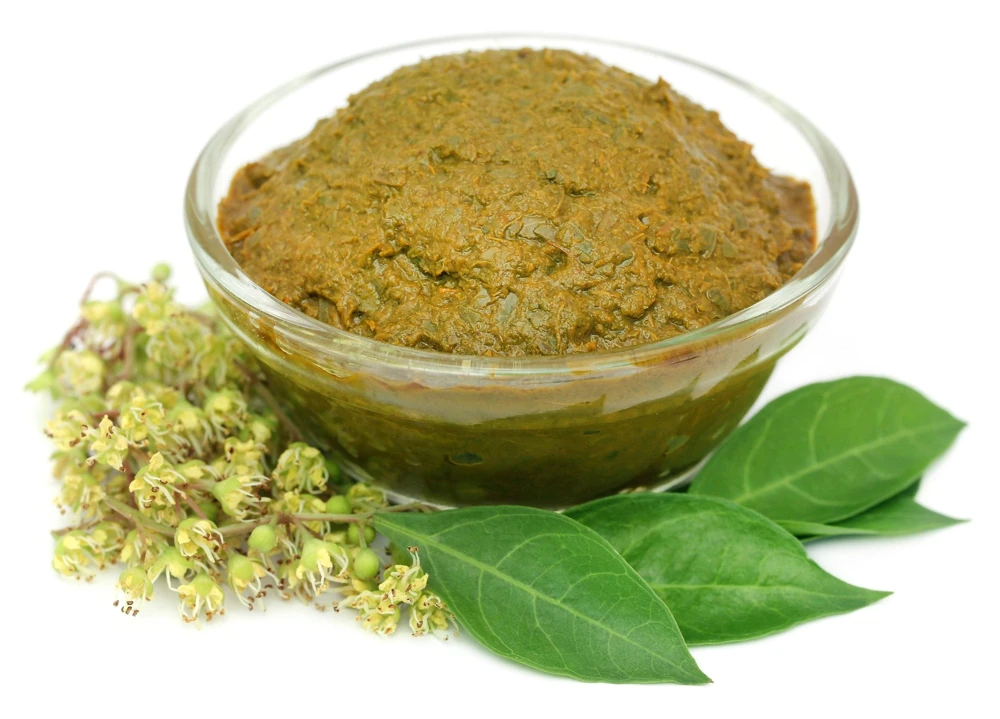
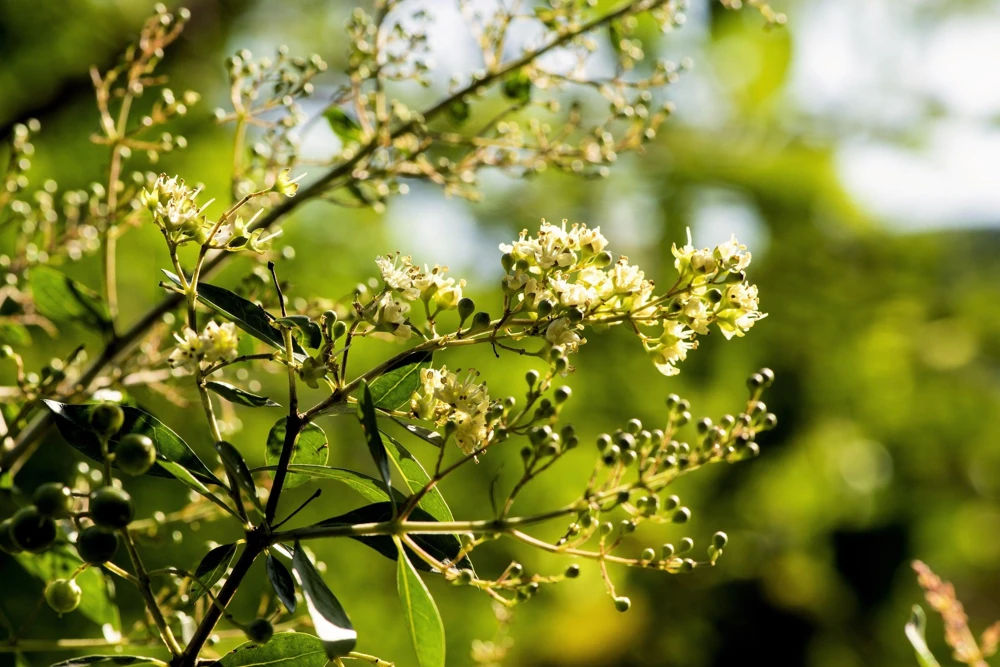
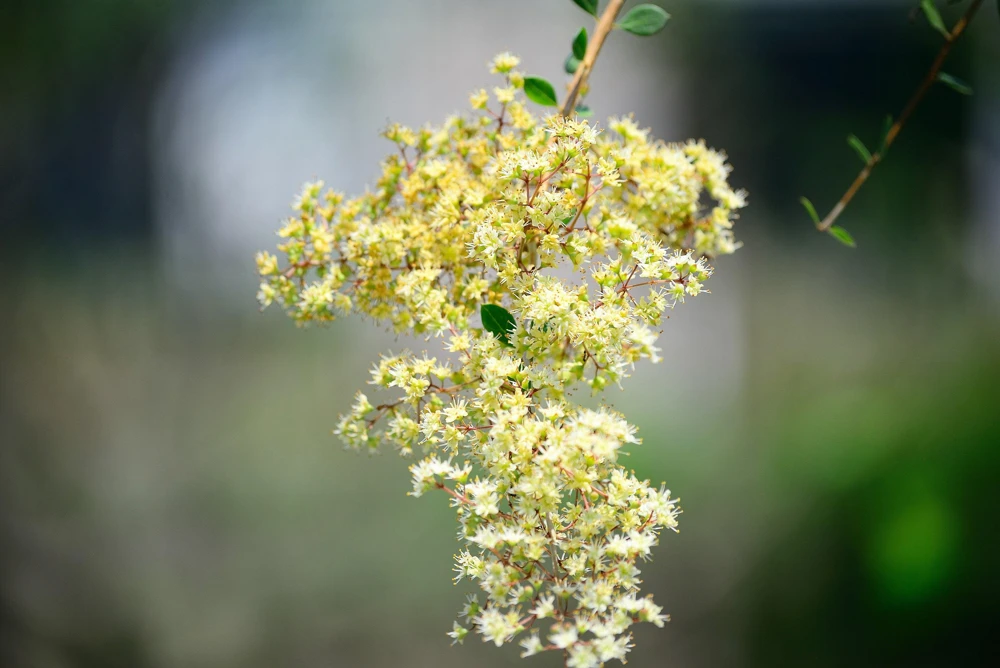
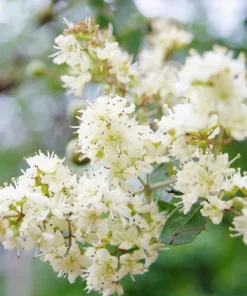
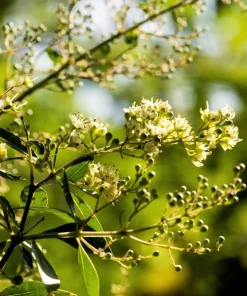
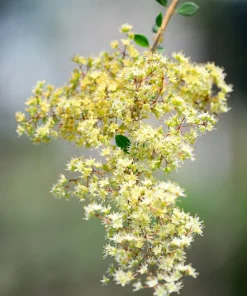
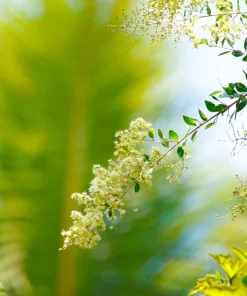
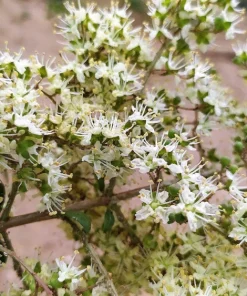
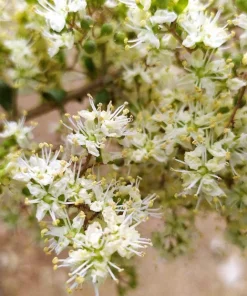
Discover the beauty and utility of the white flowering henna seeds. Each packet contains 40 seeds of Lawsonia Inermis var. Alba, perfect for growing a fragrant dye plant. Enjoy delicate white blooms and leaves historically used for natural dyes and tattoos.
Estimated arrival
Sep 14
Sep 19 - Sep 21
Sep 24 - Sep 28
Shop With Confidence
30-Day Plant Health Guarantee
Arrives damaged? We’ll replace it free — see our return policy.
Responsive Support
Email us anytime, we reply within 1 business day.
Expert Packaging
Temperature-controlled shipping to protect your plants in transit.
Secure Checkout
Pay safely with Visa, Mastercard, PayPal.
Plant Specifications
-
USDA Hardiness Zone
9 - 11 -
Soil Type
Average, well-draining soil -
Sunlight Exposure
Full sun - Partial shade -
Expected Planting Period
Outdoors after frost / Indoors weeks before last frost
Overview
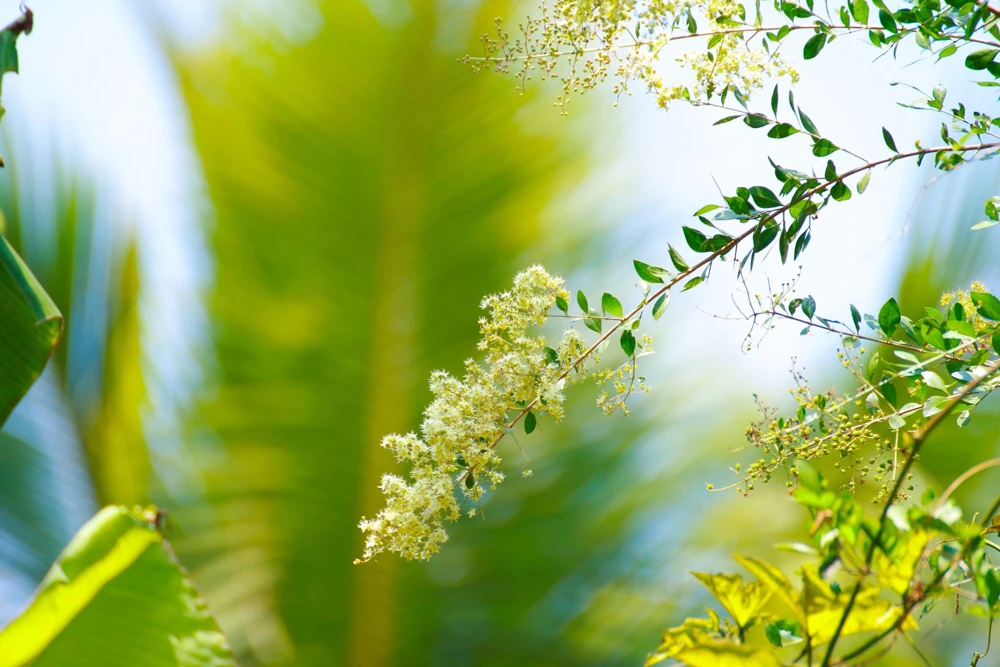
Embark on a rewarding gardening journey with our premium white flowering henna seeds. This packet contains 40 high-quality seeds of Lawsonia Inermis var. Alba, allowing you to cultivate the beautiful and versatile Henna plant right in your home or garden. Also known as Mehandi Dye Plant, Mignonette Tree, or Egyptian Privet, this remarkable species is cherished for its delicate white flowers and its historical use as a natural dye. Growing to a height of 8 to 15 feet, the Henna tree is an evergreen shrub that offers both ornamental beauty and practical applications. Its fragrant blooms add a touch of elegance to any landscape, while its leaves are famously used for creating natural body art (henna tattoos) and hair dyes. This plant is a true marvel, offering a unique blend of aesthetic appeal and cultural significance.
The white flowering henna seeds are ideal for gardeners looking for a heat and drought-tolerant plant that thrives in various conditions. Whether you’re an experienced horticulturist or a budding enthusiast, cultivating this plant from seed provides an immersive and gratifying experience. The Henna plant is known for its resilience and ability to adapt, making it a wonderful addition to xeriscapes or gardens in warmer climates. Its evergreen foliage ensures year-round interest, and the sweet fragrance of its white flowers will enchant your outdoor spaces, especially during its bloom time from late spring to early summer, or even year-round in optimal conditions.
Key Benefits
Growing your own henna dye plant offers a multitude of benefits, from enhancing your garden’s beauty to providing a source for natural dyes. The Henna plant is more than just an attractive specimen; it’s a living piece of history and culture, offering numerous advantages for the discerning gardener.
-
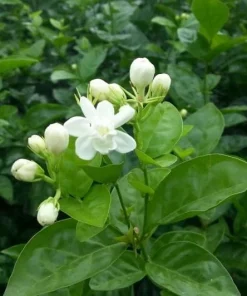
Fragrant White Flowers: Enjoy the delicate, sweet-smelling white blooms that adorn the plant, adding a sensory delight to your garden or indoor space. These flowers are not only beautiful but also contribute a pleasant aroma, enhancing the overall ambiance.
-
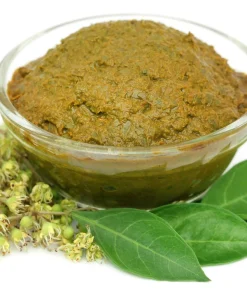
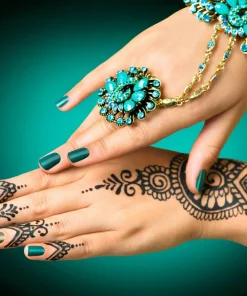
Natural Dye Source: Cultivate your own supply of leaves for creating natural henna dyes for hair, skin (temporary tattoos), textiles, and leather. This traditional use makes the henna dye plant incredibly versatile and culturally rich, providing an authentic, chemical-free alternative.
-
Heat & Drought Tolerant: This resilient plant thrives in warm, arid conditions, making it an excellent choice for gardens in hardiness zones 9-11 or for those seeking low-maintenance options. Its ability to withstand heat and drought reduces the need for frequent watering, saving time and resources.
-
Evergreen Foliage: Maintain year-round visual interest with its lush, evergreen leaves, providing a consistent green backdrop in your garden even during cooler months. The vibrant foliage adds a touch of life and color regardless of the season.
-
Versatile Growth: Can be grown as a shrub or small tree outdoors in suitable climates, or cultivated in pots indoors, offering flexibility for various gardening setups. This adaptability makes it accessible to a wider range of gardeners, including those with limited outdoor space.
-
Cultural Significance: Connect with ancient traditions by growing a plant revered for centuries for its ceremonial and beautifying properties. The mehandi dye plant carries a rich history, allowing you to engage with a plant that has deep cultural roots.
Plant Care & Growing Tips
Successful cultivation of your Lawsonia Inermis var. Alba begins with understanding its specific needs. These white flowering henna seeds can be started indoors several weeks before the last frost or sown directly outdoors once all danger of frost has passed. For indoor sowing, plant seeds about 1/4 inch deep in a well-draining seed starting mix. Maintain consistent moisture and a warm temperature (around 70-80°F or 21-27°C) for optimal germination, which can take several weeks. Once seedlings are robust enough, they can be transplanted outdoors.
The Henna plant thrives in full sun to partial shade, requiring at least 6 hours of direct sunlight per day for the best growth and flowering. While it tolerates average soil conditions, well-draining soil is crucial to prevent root rot. Amend heavy clay soils with organic matter to improve drainage. Once established, the plant is quite drought-tolerant, but regular watering during prolonged dry spells will promote healthier growth and more abundant blooms. For potted plants, ensure the container has drainage holes and use a good quality potting mix. Fertilize sparingly with a balanced liquid fertilizer during the growing season, typically every 4-6 weeks.
Hardiness zones 9-11 are ideal for outdoor cultivation, where the henna plant care is relatively straightforward. In cooler climates, it can be grown as an annual or brought indoors during winter months. Indoors, place it in a bright, sunny window and protect it from cold drafts. Pruning can be done to maintain shape and size, and to encourage bushier growth. Watch out for common pests like spider mites or aphids, especially in dry indoor conditions. Regular inspection and prompt treatment with insecticidal soap can keep your plant healthy. With proper attention to these care guidelines, your Lawsonia Inermis var. Alba will flourish, providing beauty and utility for years to come.
Size & Details
This offering includes 40 high-quality white flowering henna seeds, providing ample opportunity to grow multiple plants. When mature, the Lawsonia Inermis var. Alba typically reaches a height of 8 to 15 feet, forming a beautiful shrub or small tree. For optimal development, allow for a plant spacing of 6 to 12 feet if planting multiple specimens outdoors. The plant begins to bloom from late spring to early summer in most regions, and can flower year-round in consistently warm, frost-free environments. These seeds are ready for planting outdoors after the last frost or can be started indoors weeks prior for an earlier head start. The plants are known for their moderate growth rate, establishing themselves well within a few seasons to become a prominent feature in your garden or a striking potted specimen.
Frequently Asked Questions
-
Q: How big does this plant get? A: The white flowering henna seeds will grow into plants that typically reach a height of 8 to 15 feet, forming either a large shrub or a small tree. Its spread can be between 6 to 12 feet, so ensure adequate space for its growth.
-
Q: Is this an indoor or outdoor plant? A: This plant can be grown outdoors in USDA hardiness zones 9-11, where it will thrive as a perennial. In cooler climates, it can be grown as an annual or cultivated indoors in a pot, making it a versatile choice for various environments.
-
Q: How much sunlight does it need? A: The Lawsonia Inermis var. Alba prefers full sun to partial shade, meaning it requires at least 6 hours of direct sunlight per day to achieve its best growth and most vibrant blooms. Plenty of light is key for healthy development.
-
Q: Is this plant easy to care for? A: Yes, the Henna plant is considered relatively easy to care for, especially due to its heat and drought tolerance once established. Its resilience makes it a good option for both experienced gardeners and those new to plant cultivation, requiring minimal henna plant care.
-
Q: What condition will the seeds arrive in? A: The product consists of 40 high-quality, viable seeds, carefully packaged to ensure their integrity during transit. You will receive seeds ready for planting, not a live plant.
-
Q: How long until it blooms? A: Once established from seed, the Henna plant typically begins to bloom from late spring to early summer. In ideal warm conditions, it can even produce flowers year-round, adding continuous beauty to your space.
-
Q: Can the leaves be used for dye? A: Absolutely! The leaves of the henna dye plant are traditionally harvested and processed to create natural dyes for skin (henna tattoos), hair, and various textiles. This is one of the primary benefits of growing your own Henna plant.
-
Q: What’s the minimum temperature it can tolerate? A: The Henna plant is hardy in USDA zones 9-11, meaning it can tolerate minimum temperatures down to about 20-30°F (-6 to -1°C). In colder zones, it must be protected from frost or grown indoors.
-
Q: What type of soil does it prefer? A: This plant thrives in average, well-draining soil. While not overly particular, ensuring good drainage is essential to prevent waterlogging and promote healthy root development for your mehandi dye plant.
-
Q: When is the best time to plant these seeds? A: You can plant these white flowering henna seeds outdoors after the last frost in your region. For an earlier start, sow them indoors several weeks before the anticipated last frost date, then transplant outside when conditions are favorable.
Be the first to review “White Flowering Henna Tree Seeds – 40 Count Lawsonia Inermis var. Alba Dye Plant”
People Also Viewed
Reviews
There are no reviews yet.