
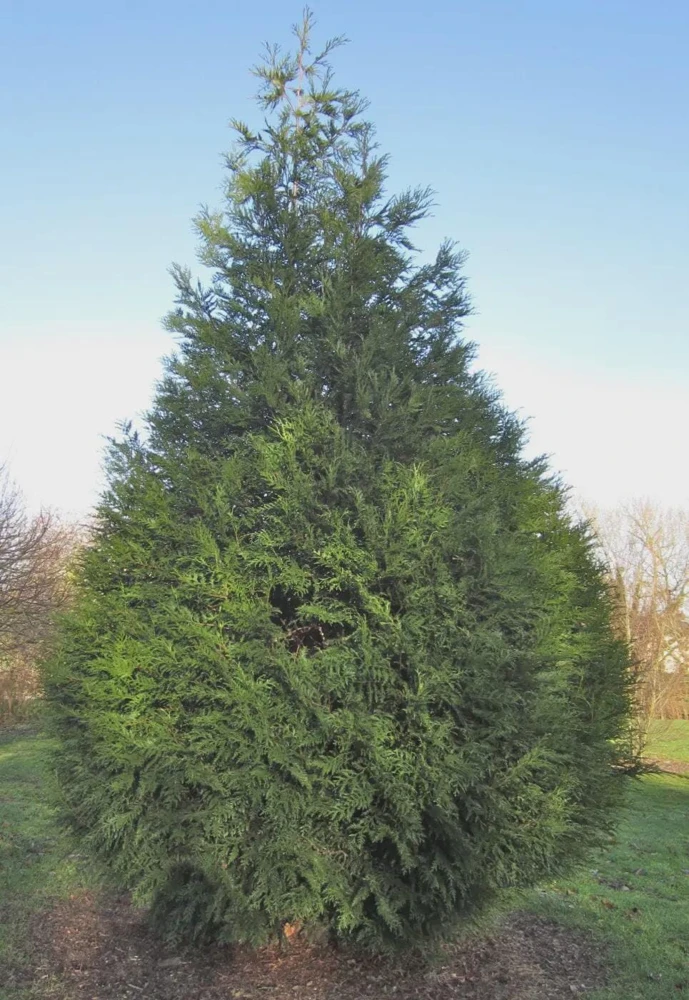
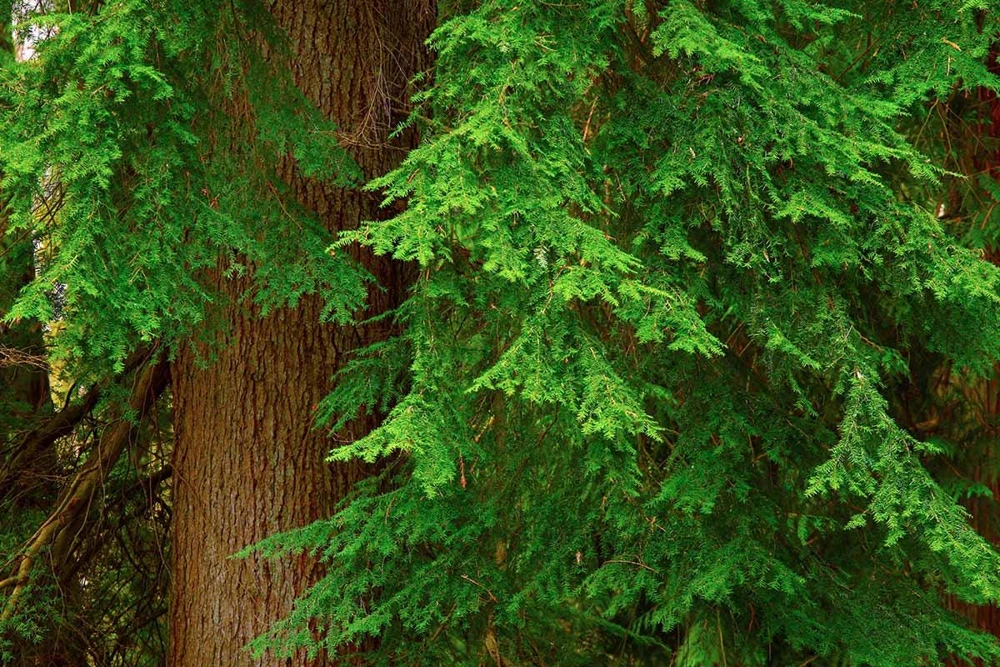
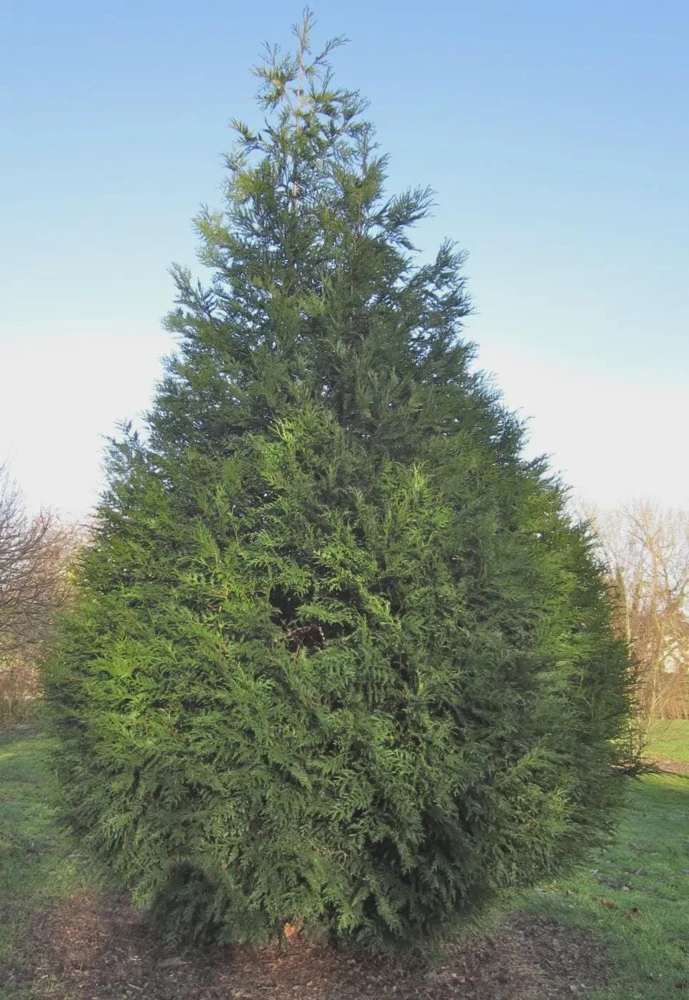
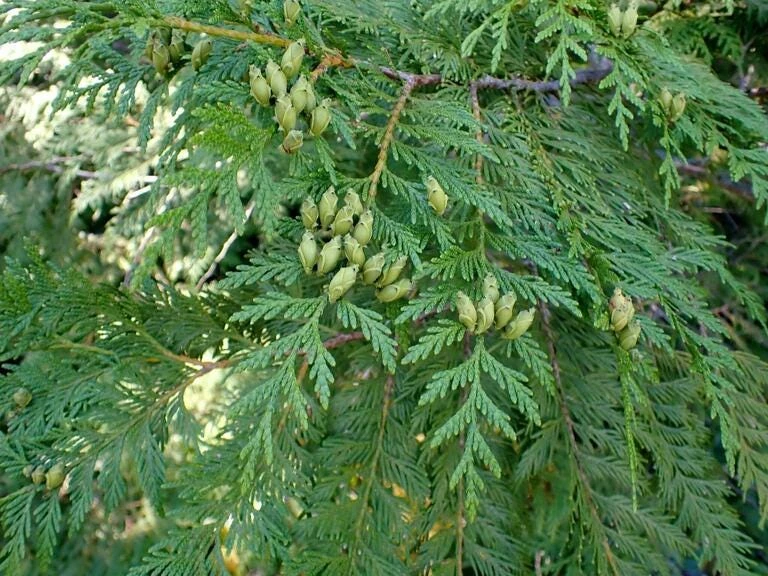
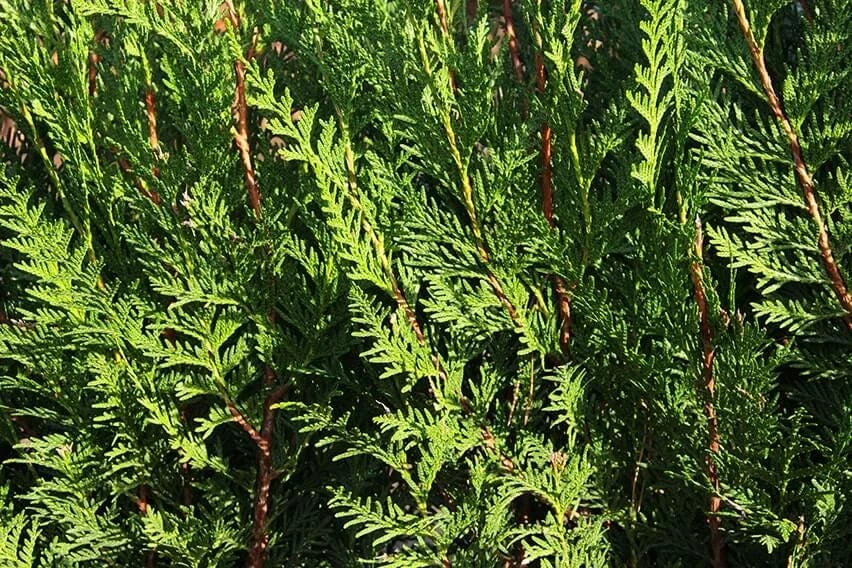
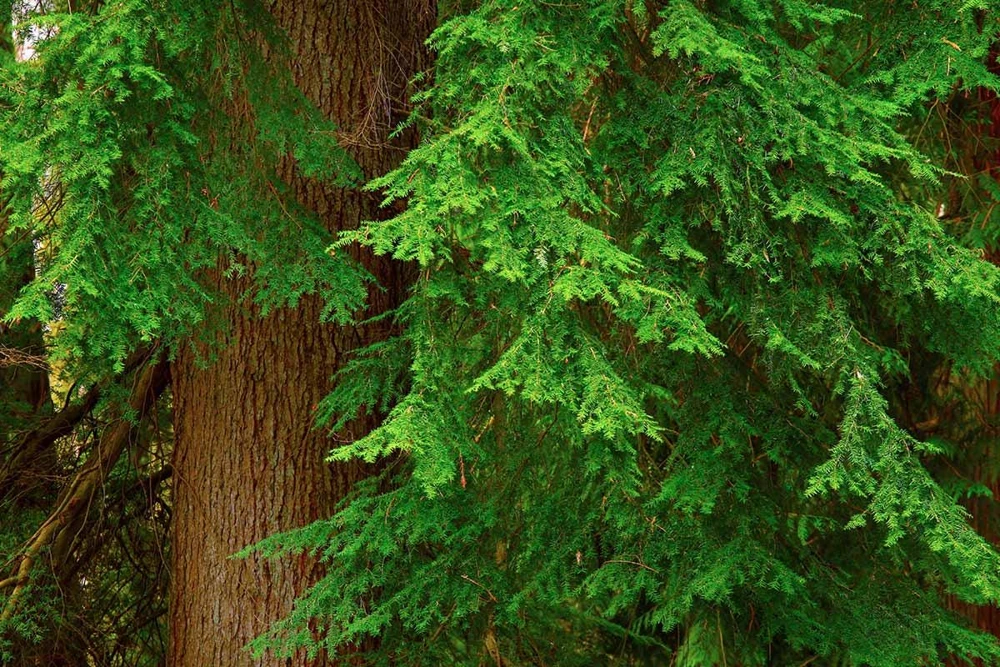
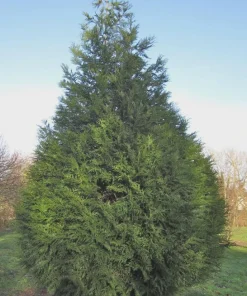
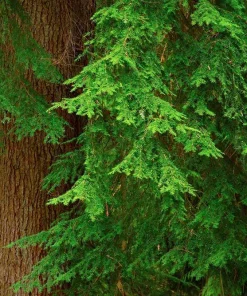
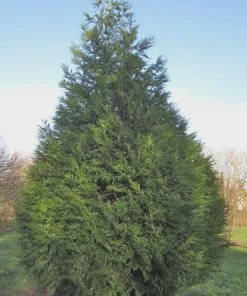
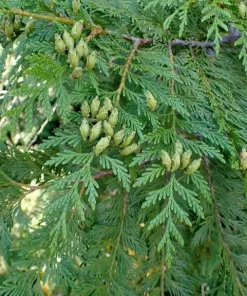
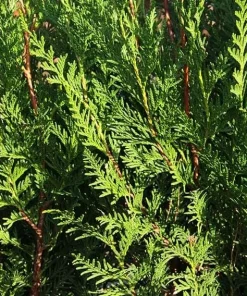
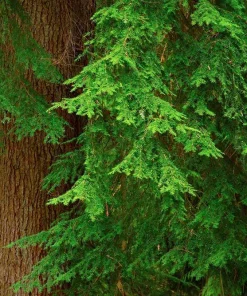
Western Red Cedar Live Plant – Thuja Plicata Bare Root 6-12 inch – Outdoor Tree
Original price was: $134.99.$109.99Current price is: $109.99.
Cultivate a majestic Western Red Cedar live plant (Thuja plicata) in your landscape. These Thuja plicata bare root starter trees, measuring 6-12 inches tall, are perfect for establishing a beautiful, long-lived evergreen. Known for rapid growth and aromatic foliage, they create excellent privacy screens and windbreaks.
Estimated arrival
Sep 29
Oct 04 - Oct 06
Oct 09 - Oct 13
Shop With Confidence
30-Day Plant Health Guarantee
Arrives damaged? We’ll replace it free — see our return policy.
Responsive Support
Email us anytime, we reply within 1 business day.
Expert Packaging
Temperature-controlled shipping to protect your plants in transit.
Secure Checkout
Pay safely with Visa, Mastercard, PayPal.
Plant Specifications
-
USDA Hardiness Zone
USDA Zones 5-7 -
Soil Type
Moist, well-draining, slightly acidic to neutral soil -
Sunlight Exposure
Full sun to partial shade -
Expected Planting Period
Early spring or late fall
Overview
Introduce the grandeur of the Pacific Northwest to your garden with this Western Red Cedar live plant. Known botanically as Thuja plicata, this magnificent evergreen is revered for its impressive size, longevity, and the versatility of its wood. Often referred to as the “tree of life,” the Western Red Cedar live plant is a cornerstone species in its native habitat. Despite its common name, it is not a true cedar (Cedrus) but rather a distinguished member of the cypress family (Cupressaceae). These Thuja plicata bare root starter trees, typically 6-12 inches tall, are an excellent choice for anyone looking to establish a robust and beautiful evergreen. They are ideal for creating natural privacy screens, windbreaks, or simply adding a touch of natural elegance to your property. Planting a cedar tree starter allows you to witness the impressive growth and development of this iconic species from its early stages.
Key Benefits
The Western Red Cedar live plant offers a multitude of benefits for both your landscape and the environment. Its rapid growth and adaptability make it a popular choice for various outdoor settings.
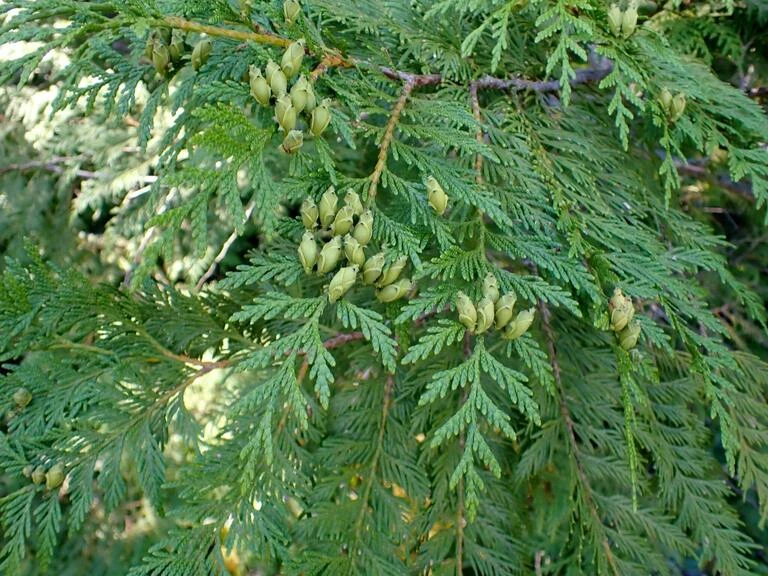
- Excellent Privacy Screen: With its dense, scale-like foliage, the Western Red Cedar live plant forms an effective and attractive privacy screen, providing year-round seclusion and beauty for your property.
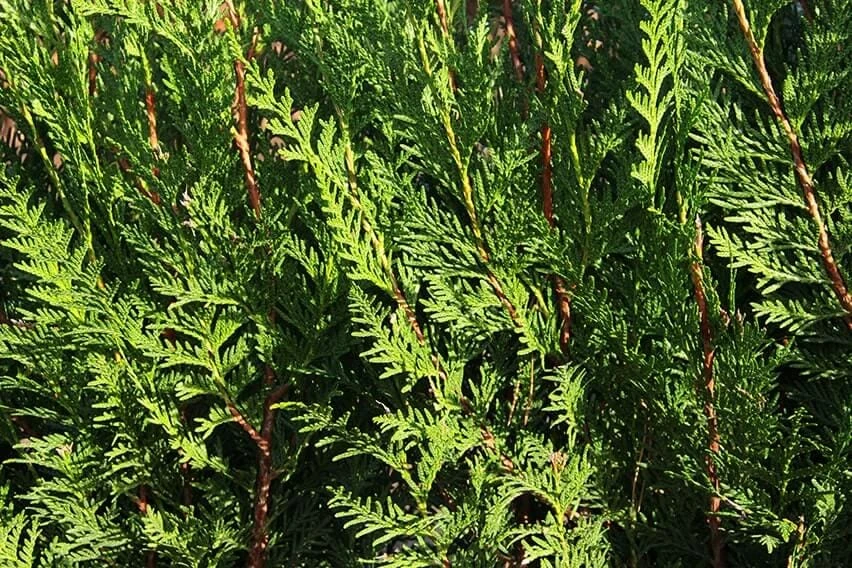
- Aromatic Foliage: The leaves of the Thuja plicata bare root plant emit a pleasant, distinct fragrance, adding a sensory delight to your garden, especially when brushed against or in warm weather.
- Durable and Long-Lived: These trees are known for their resilience and can live for hundreds of years, making them a lasting investment in your landscape. They are a true symbol of endurance.
- Wildlife Habitat: The dense canopy provides shelter and nesting sites for various bird species, while its seeds offer a food source, contributing to local biodiversity.
- Versatile Landscaping Use: Beyond privacy, the Western Red Cedar live plant can be used as a specimen tree, in hedgerows, or for reforestation projects, adapting well to different landscape designs.
- Low Maintenance: Once established, these trees are relatively low-maintenance, requiring minimal care and offering maximum impact. This makes them a great choice for both experienced and novice gardeners.
- Native to Pacific Northwest: Choosing a Pacific Northwest trees species supports local ecosystems and ensures the tree is well-suited to similar climates, promoting healthier growth.
Plant Care & Growing Tips
Caring for your Western Red Cedar live plant is straightforward, especially when starting with a Thuja plicata bare root specimen. These trees thrive in specific conditions that mimic their natural habitat. For optimal growth, ensure your young cedar tree starter receives adequate sunlight. Western Red Cedars prefer full sun to partial shade, meaning they should get at least 6 hours of direct sunlight per day. While they can tolerate some shade, too little light can lead to sparse growth and reduced vigor. They are adaptable to a range of soil types but perform best in moist, well-drained, slightly acidic to neutral soils. Avoid waterlogged conditions, as this can lead to root rot.
When planting your Thuja plicata bare root, ensure the roots are spread out in the planting hole and covered with soil. Water thoroughly after planting and maintain consistent moisture, especially during the first few years of establishment. Young trees will benefit from regular watering, about once a week or more during dry spells, to help them develop a strong root system. Fertilization is not always necessary for established trees, but a balanced slow-release fertilizer can be applied in spring for young plants to encourage growth. Pruning is generally not required for shape, but you can remove any dead or damaged branches to maintain health. These are robust evergreen privacy screen plants, but protecting them from strong winds in their first year can help them establish.
Size & Details
This offering includes 5 Western Red Cedar live plant specimens, each a Thuja plicata bare root starter tree. Each tree measures approximately 6-12 inches in height, providing a solid foundation for growth. These young trees are shipped in their dormant state as bare root plants, which is an excellent method for ensuring successful establishment. Upon planting, they will begin to develop their root system and foliage, growing into magnificent specimens. Western Red Cedars are known for their moderate to fast growth rate, typically adding 1-2 feet per year once established. Mature trees can reach impressive heights of 50-70 feet with a spread of 15-25 feet, forming a dense and beautiful evergreen privacy screen over time. Expect your cedar tree starter to begin actively growing and showing new foliage during the growing season.
Frequently Asked Questions
- Q: How big will these Western Red Cedar live plants get? A: Each Western Red Cedar live plant is a starter tree, typically 6-12 inches tall when shipped. Mature trees can reach impressive heights of 50-70 feet and spread 15-25 feet, making them excellent for large landscapes and privacy screens.
- Q: Is this an indoor or outdoor plant? A: The Thuja plicata bare root is an outdoor tree. It is best suited for planting in gardens, yards, or larger containers outdoors where it can establish and grow to its full potential.
- Q: How much sunlight does a cedar tree starter need? A: These trees thrive in full sun to partial shade, ideally receiving at least 6 hours of direct sunlight per day. Adequate light is crucial for healthy growth and dense foliage.
- Q: What condition will the Thuja plicata bare root plants arrive in? A: The plants will arrive as bare root specimens, meaning they are shipped without soil around their roots while dormant. This is a common and effective method for shipping young trees.
- Q: When is the best time to plant these Pacific Northwest trees? A: Bare root trees are typically best planted in early spring or late fall when the tree is dormant. This allows the root system to establish before the stress of summer heat or winter cold.
- Q: Are these trees good for creating an evergreen privacy screen? A: Yes, the Western Red Cedar live plant is an excellent choice for an evergreen privacy screen due to its dense foliage, rapid growth, and ability to form a tall, thick barrier.
- Q: What USDA hardiness zones are suitable for Western Red Cedar? A: Western Red Cedar is generally hardy in USDA Zones 5-7. It is well-adapted to cool, moist climates, making it a robust choice for many regions.
Be the first to review “Western Red Cedar Live Plant – Thuja Plicata Bare Root 6-12 inch – Outdoor Tree”
People Also Viewed



Reviews
There are no reviews yet.