
Shinseiki Asian Pear Tree Live Plant – 3-4 ft Tall in 3 Gallon Pot – Outdoor Fruit Tree
$141.76
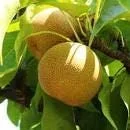
Bring home a Shinseiki Asian Pear Tree, a robust 3 to 4 feet tall live plant shipped in a 3-gallon pot. Known for its round, yellow, smooth-skinned fruit with crisp, sweet, and mildly spiced white flesh, this fruit tree for sale is a delightful addition to any garden.
Estimated arrival
Sep 14
Sep 19 - Sep 21
Sep 24 - Sep 28
Shop With Confidence
30-Day Plant Health Guarantee
Arrives damaged? We’ll replace it free — see our return policy.
Responsive Support
Email us anytime, we reply within 1 business day.
Expert Packaging
Temperature-controlled shipping to protect your plants in transit.
Secure Checkout
Pay safely with Visa, Mastercard, PayPal.
Plant Specifications
-
USDA Hardiness Zone
USDA Zones 5-9 -
Soil Type
Well-draining loamy soil -
Sunlight Exposure
Full sun -
Expected Planting Period
Spring to Fall
Overview
Introducing the Shinseiki Asian Pear Tree, a superb choice for home gardeners looking to cultivate their own delicious fruit. This live plant, typically measuring 3 to 4 feet tall upon arrival, is carefully nurtured and shipped in a 3-gallon pot, ensuring a healthy start in your garden. The name "Shinseiki" translates to "new century," a fitting moniker for a cultivar developed from some of the best Asian pears in the 1940s. This particular Shinseiki Asian Pear Tree is celebrated for its reliable harvest and distinctive fruit characteristics. It’s an excellent option for those who want to grow Asian pear varieties known for their quality and ease of cultivation. The mature tree will produce abundant fruit, making it a rewarding addition to your landscape.
The fruit of the Shinseiki Asian Pear Tree is truly exceptional. It is typically round, medium to large in size, and boasts an attractive yellow, smooth skin with very little to no russeting, which enhances its visual appeal. Beneath the skin lies crisp, creamy white flesh that is both juicy and refreshing. The flavor profile is mild and sweet, often with a delicate hint of spice, making it a favorite for fresh eating, salads, and desserts. For anyone seeking a high-quality fruit tree for sale, the Shinseiki offers both ornamental beauty and a bountiful yield of delectable pears. Understanding proper Asian pear tree care will ensure a thriving plant and a successful harvest.
Key Benefits
Cultivating a Shinseiki Asian Pear Tree offers numerous advantages, from its delicious fruit to its relatively low-maintenance nature. This tree is a valuable investment for any garden or orchard, providing both aesthetic appeal and culinary rewards.
- Exceptional Fruit Quality: The primary benefit is the production of delicious, crisp, and sweet Asian pears. These medium to large, yellow-skinned fruits are perfect for eating fresh, often described as having a refreshing, mildly spiced flavor that is superior to many store-bought varieties.
- Disease Resistance:Shinseiki Asian Pear Tree varieties are known for their good resistance to common pear diseases, reducing the need for extensive chemical treatments and making Asian pear tree care more straightforward.
- Self-Pollinating: While cross-pollination can increase yields, the Shinseiki is largely self-fertile, meaning you can get a good harvest even with just one tree, simplifying the process to grow Asian pear in smaller spaces.
- Ornamental Value: Beyond its fruit, the tree provides attractive foliage and beautiful white blossoms in spring, adding ornamental value to your landscape before the fruit even begins to develop.
- Reliable Production: This cultivar is known for its consistent and heavy bearing, ensuring a dependable harvest year after year once established. It’s a reliable fruit tree for sale that delivers on its promise.
- Versatile Culinary Use: The crisp texture and sweet flavor make Shinseiki pears versatile in the kitchen, suitable for fresh consumption, baking, canning, or even juicing.
Plant Care & Growing Tips
Proper Asian pear tree care is essential for a healthy, productive Shinseiki Asian Pear Tree. These trees thrive in full sun, meaning they require at least 6-8 hours of direct sunlight daily to produce the best fruit. Choose a location in your garden that receives ample sun exposure throughout the day. When planting, dig a hole that is twice as wide as the root ball and just as deep. Ensure the graft union (the slightly swollen area on the trunk) remains above the soil line. These trees prefer well-draining soil with a pH between 6.0 and 7.0. Amending heavy clay soils with organic matter can significantly improve drainage and aeration, which is crucial for root health.
Watering is critical, especially during the first few years after planting and during dry spells. Deep watering once or twice a week is generally sufficient, ensuring the soil is moist but not waterlogged. Established trees are more drought-tolerant but will benefit from supplemental watering during prolonged dry periods. Fertilize your Shinseiki Asian Pear Tree in early spring before new growth begins, using a balanced slow-release fertilizer or one formulated for fruit trees. Follow the product instructions carefully to avoid over-fertilization. Pruning should be done in late winter while the tree is dormant. Focus on removing dead, damaged, or crossing branches, and thin out overcrowded areas to improve air circulation and sunlight penetration, which helps to grow Asian pear fruits of higher quality and reduce disease risk. This attention to detail in Asian pear tree care will help your tree flourish.
The Shinseiki Asian Pear Tree is generally hardy and tolerant to a range of conditions. It is known to perform well in USDA hardiness zones 5-9. Protecting young trees from harsh winter winds in colder zones can be beneficial. Watch for common pests like aphids or codling moths and address them with appropriate organic or chemical controls if necessary. Good sanitation practices, such as clearing fallen fruit and leaves, can also help prevent disease. With consistent care, your Shinseiki Asian Pear Tree will become a cherished part of your garden, providing fresh, delicious pears for many years to come. This robust fruit tree for sale is a great investment for long-term fruit production.
Size & Details
This offering is for a healthy Shinseiki Asian Pear Tree, a live plant carefully grown to a height of approximately 3 to 4 feet tall at the time of shipment. It arrives securely planted in a 3-gallon nursery pot, providing a substantial root system ready for transplanting into your garden or a larger container. The tree’s mature height can reach 12-15 feet with a similar spread, depending on pruning and growing conditions. The growth rate is moderate, allowing you to enjoy fruit within a few years after planting. The tree is often shipped with some foliage, carefully packed to minimize stress during transit. Once planted, it will quickly acclimate and begin to establish itself, ready to produce the crisp, sweet fruit that makes the Shinseiki Asian Pear Tree so popular. This is an excellent opportunity to grow Asian pear varieties known for their reliable yields.
Frequently Asked Questions
- Q: How big does this Shinseiki Asian Pear Tree get? A: This Shinseiki Asian Pear Tree typically arrives 3 to 4 feet tall in a 3-gallon pot. When mature, it can reach a height of 12-15 feet with a similar spread, depending on pruning and growing conditions in your garden.
- Q: What size pot does it come in? A: The Shinseiki Asian Pear Tree is shipped in a sturdy 3-gallon nursery pot, ensuring the root system is well-established and ready for transplanting into your garden or a larger container.
- Q: Is this an indoor or outdoor plant? A: The Shinseiki Asian Pear Tree is an outdoor fruit tree, best suited for planting directly in the ground in USDA hardiness zones 5-9. It requires full sun exposure to thrive and produce fruit.
- Q: How much sunlight does it need? A: For optimal growth and fruit production, your Shinseiki Asian Pear Tree needs at least 6-8 hours of direct sunlight per day. Choose a sunny location in your garden.
- Q: Is this plant easy to care for? A: Yes, the Shinseiki Asian Pear Tree is considered relatively easy to care for, especially for a fruit tree. It requires consistent watering, proper pruning, and adequate sunlight, making Asian pear tree care manageable for most gardeners.
- Q: What condition will it arrive in? A: Your fruit tree for sale will arrive as a healthy, live plant, carefully packaged to protect it during transit. It will be rooted in its 3-gallon pot, with some foliage, ready for planting.
- Q: When is the best time to plant this Shinseiki Asian Pear Tree? A: The best time to plant your Shinseiki Asian Pear Tree is in early spring or fall, when temperatures are moderate. This allows the tree to establish its root system before extreme heat or cold.
- Q: Will it survive winter in my zone? A: The Shinseiki Asian Pear Tree is hardy in USDA zones 5-9. If you are in zone 5, some winter protection for young trees, such as mulching or wrapping the trunk, may be beneficial.
- Q: How long until it produces fruit? A: You can typically expect your Shinseiki Asian Pear Tree to begin producing fruit within 2-4 years after planting, with increasing yields as the tree matures.
- Q: Do I need more than one tree to get fruit? A: The Shinseiki Asian Pear is largely self-pollinating, meaning you can get fruit with just one tree. However, planting another Asian pear variety nearby can often result in heavier yields.
Be the first to review “Shinseiki Asian Pear Tree Live Plant – 3-4 ft Tall in 3 Gallon Pot – Outdoor Fruit Tree”
People Also Viewed
Reviews
There are no reviews yet.