


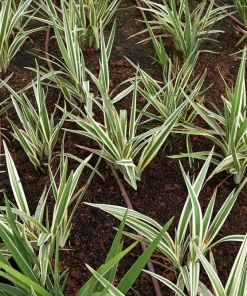
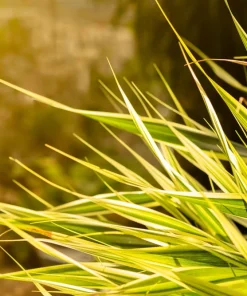
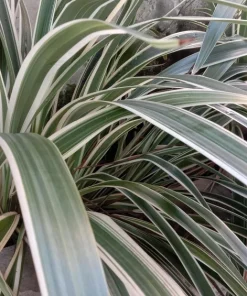
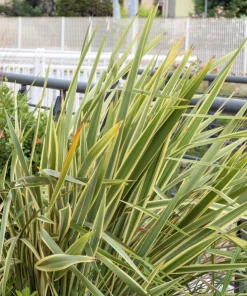
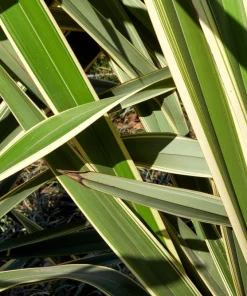
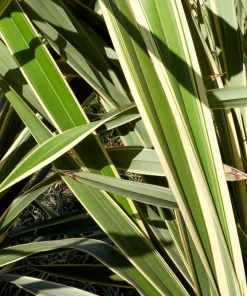
Variegated New Zealand Flax Seeds – Phormium Tenax Variegatum Ornamental Grass Seeds – 10 Seeds
Original price was: $36.99.$16.99Current price is: $16.99.
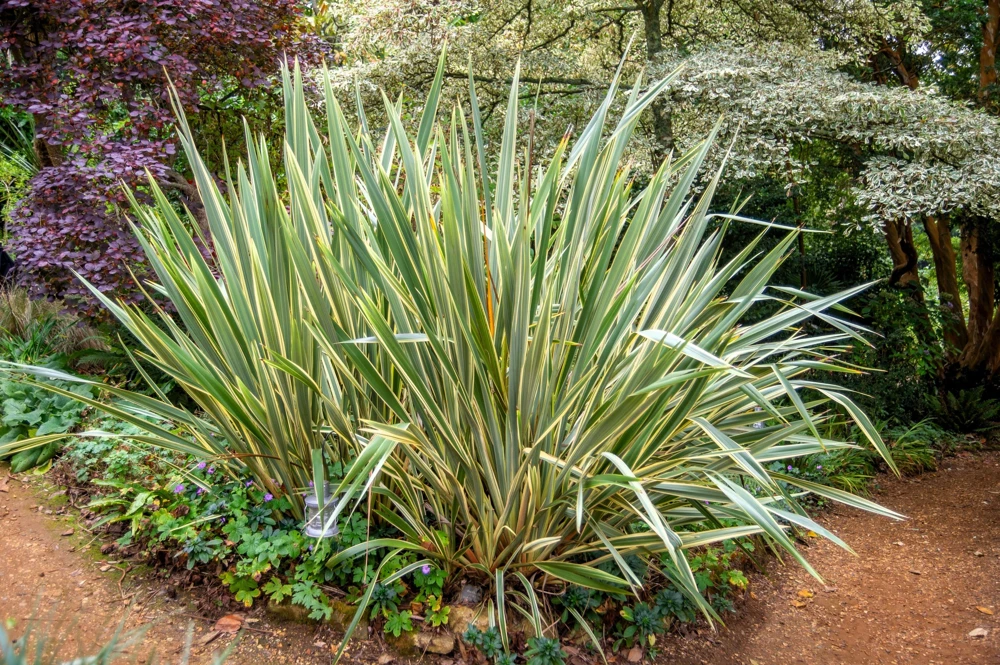
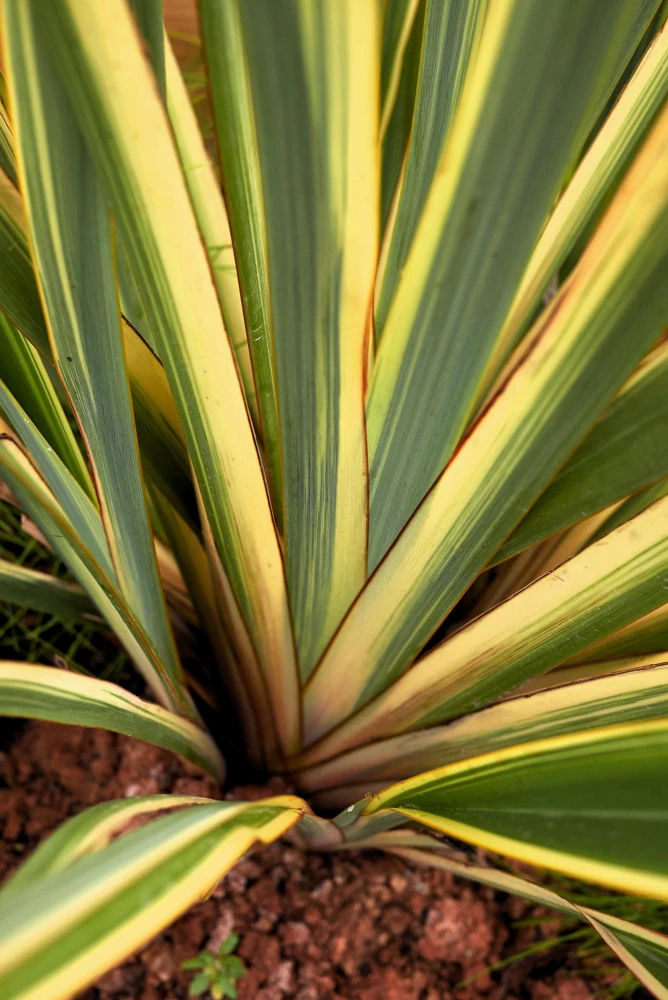
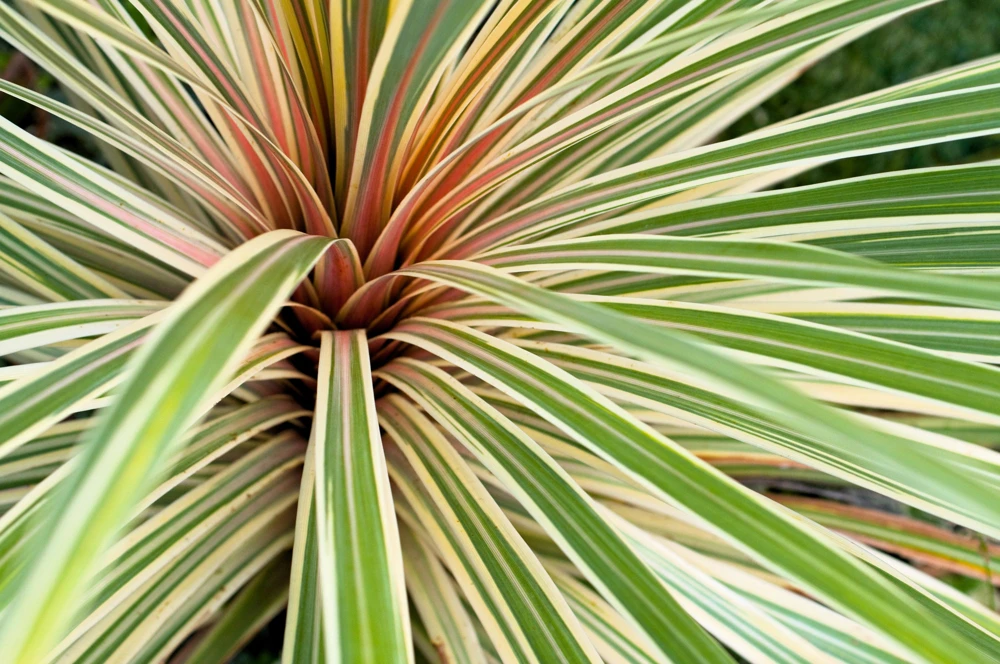
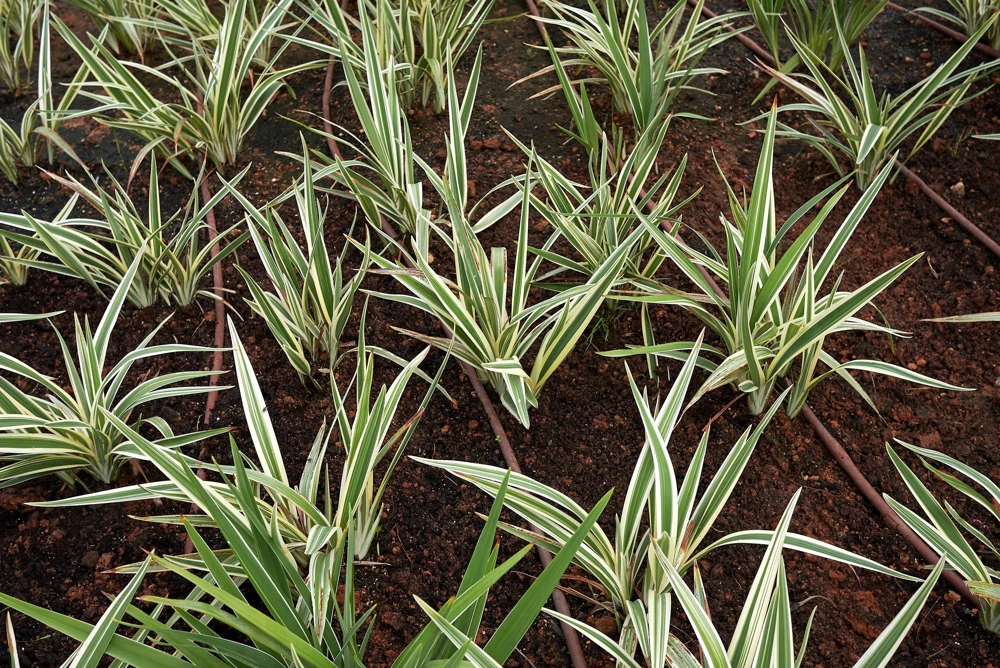
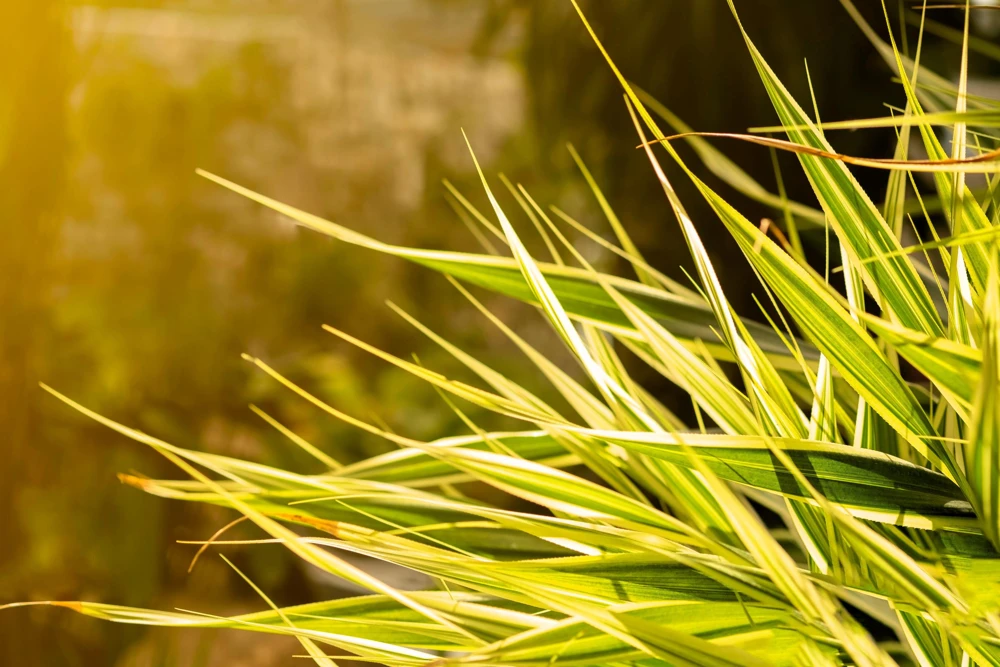
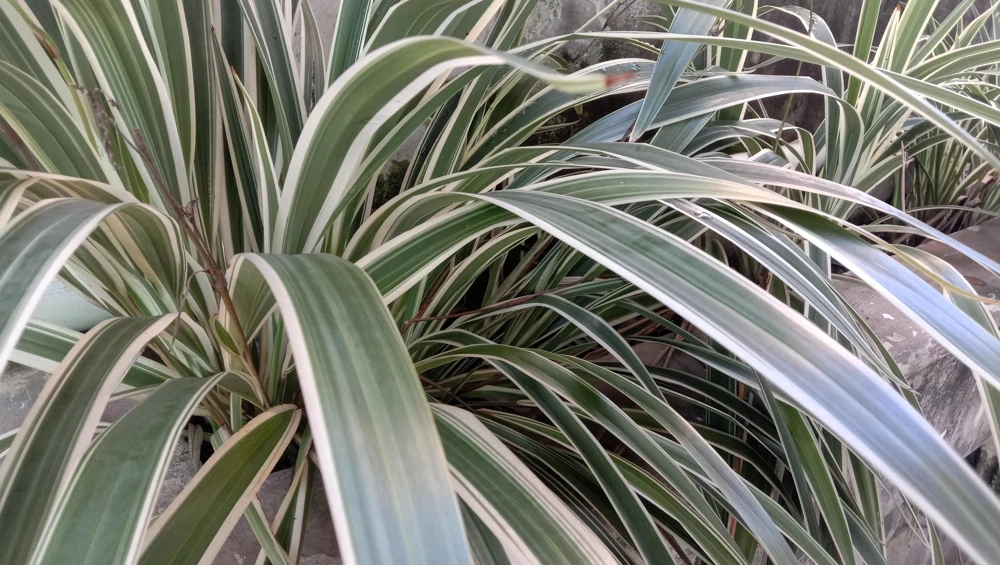
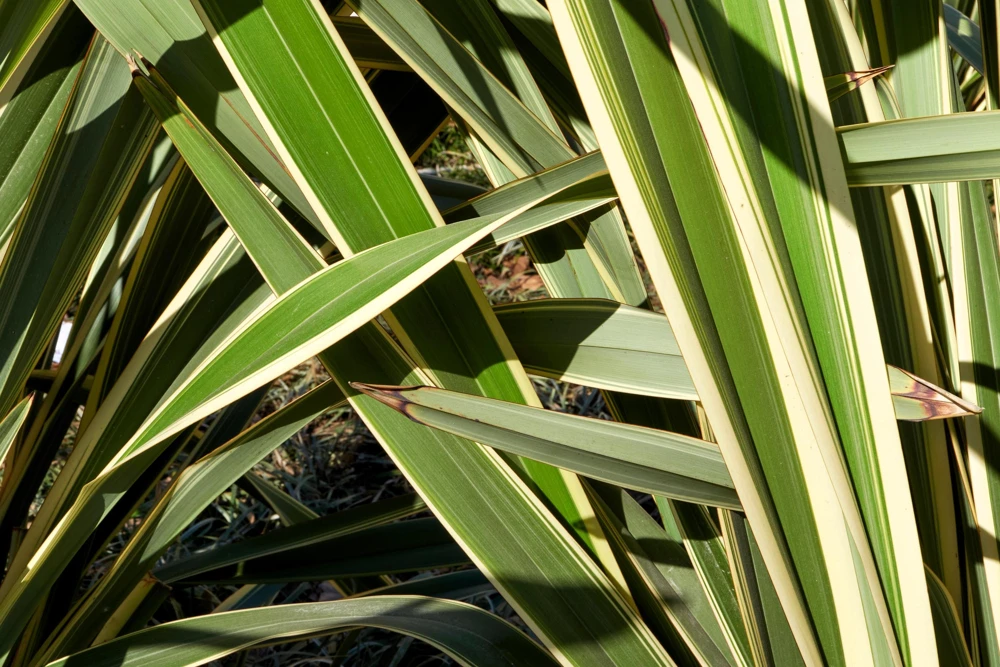
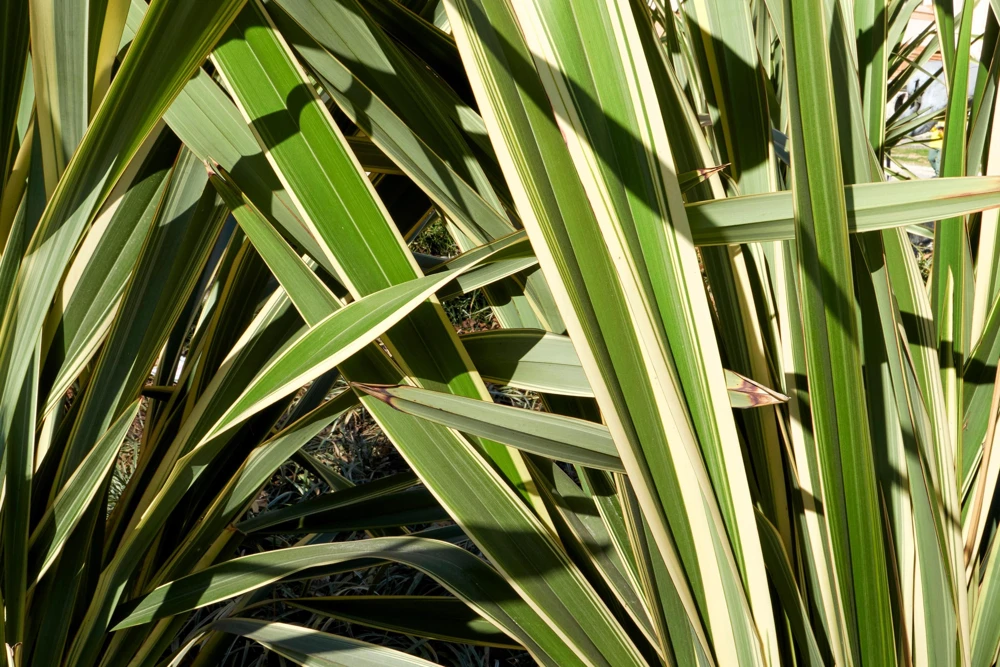
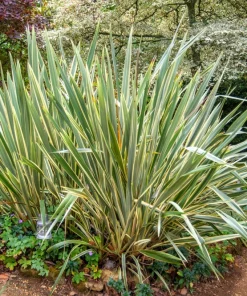
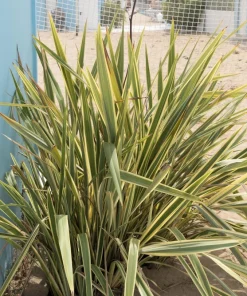
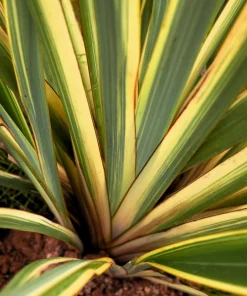
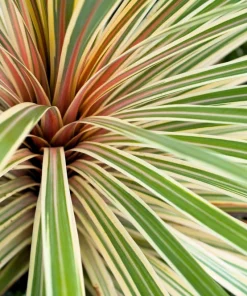
Discover the beauty of Variegated New Zealand Flax seeds, perfect for creating a striking focal point in your landscape. These ornamental grass seeds produce plants with elegant white, creamy yellow, and green striped leaves, offering year-round visual interest. Ideal for zones 7-11, this plant is known for its architectural form and low maintenance.
Estimated arrival
Sep 14
Sep 19 - Sep 21
Sep 24 - Sep 28
Shop With Confidence
30-Day Plant Health Guarantee
Arrives damaged? We’ll replace it free — see our return policy.
Responsive Support
Email us anytime, we reply within 1 business day.
Expert Packaging
Temperature-controlled shipping to protect your plants in transit.
Secure Checkout
Pay safely with Visa, Mastercard, PayPal.
Plant Specifications
-
USDA Hardiness Zone
7 - 11 -
Soil Type
Average, well-draining soil -
Sunlight Exposure
Full sun - Part shade -
Expected Planting Period
Spring, after soil warms (or indoors prior)
Overview
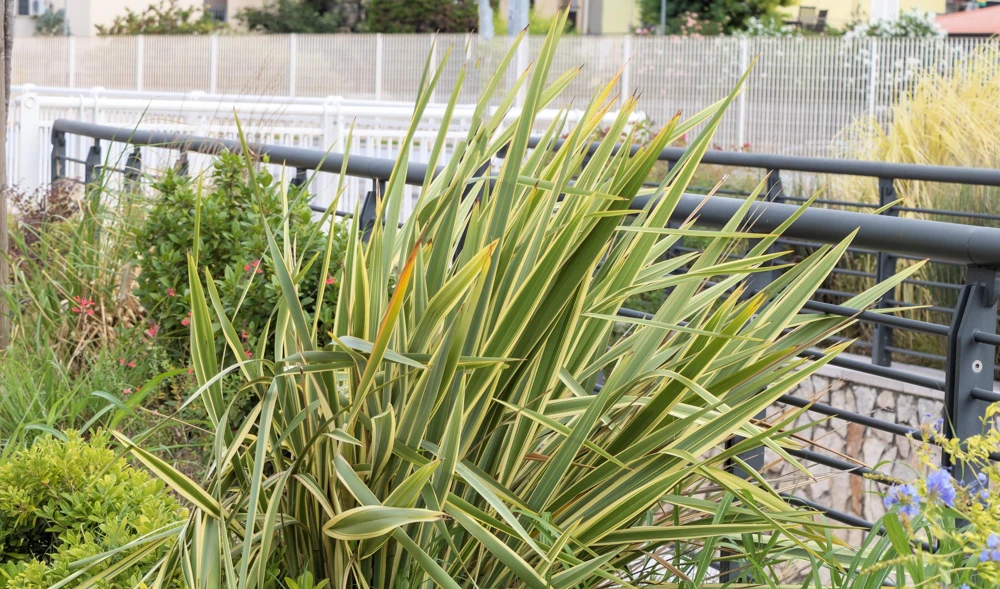
Introduce a touch of exotic elegance to your garden with Variegated New Zealand Flax seeds. This remarkable ornamental grass, scientifically known as Phormium Tenax ‘Variegatum’, is celebrated for its dramatic, sword-like leaves that feature a captivating blend of white, creamy yellow, and green stripes. Commonly referred to as New Zealand Flax Lily, this plant offers a bold architectural presence that can transform any outdoor space. Growing from these high-quality seeds allows you to cultivate a resilient and visually stunning specimen that thrives in a variety of conditions. Whether you’re aiming for a tropical feel or a modern, minimalist design, the Phormium Tenax Variegatum is an excellent choice for adding texture and color to your landscape.
Each packet contains 10 seeds, providing a fantastic opportunity to grow New Zealand Flax from scratch. These perennial plants are native to New Zealand and are highly valued for their hardiness and ability to adapt to different environments. The upright foliage can reach impressive heights, making them ideal for borders, mass plantings, or as a striking standalone feature. With proper care, you can enjoy the unique beauty of this variegated plant for many years to come.
Key Benefits
Cultivating Variegated New Zealand Flax seeds offers numerous advantages for both novice and experienced gardeners. Its striking appearance and robust nature make it a highly desirable addition to diverse garden styles.
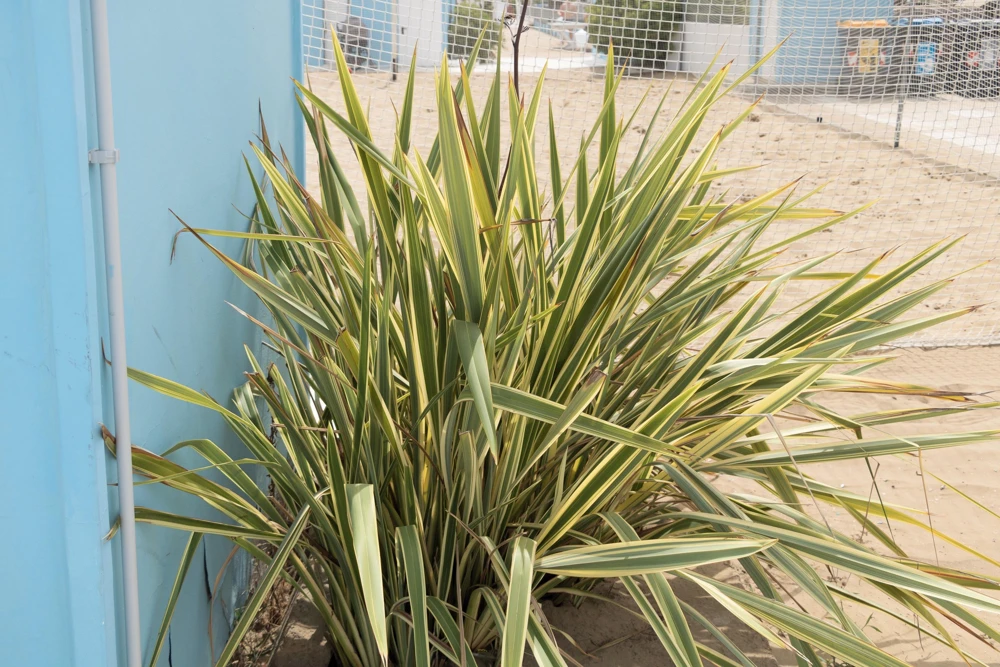
- Dramatic Visual Appeal: The bold, variegated leaves with their distinctive white, cream, and green stripes provide year-round interest and contrast, making it a focal point in any garden design. This plant adds an exotic touch without demanding excessive attention.
- Architectural Structure: Its upright, sword-like foliage creates a strong vertical element, perfect for adding structure and definition to borders, rock gardens, or contemporary landscapes. This unique form helps to define garden spaces effectively.
- Low Maintenance: Once established, Phormium Tenax Variegatum is incredibly drought-tolerant and requires minimal watering, making it an excellent choice for water-wise gardening and busy individuals. It’s a plant that thrives on neglect.
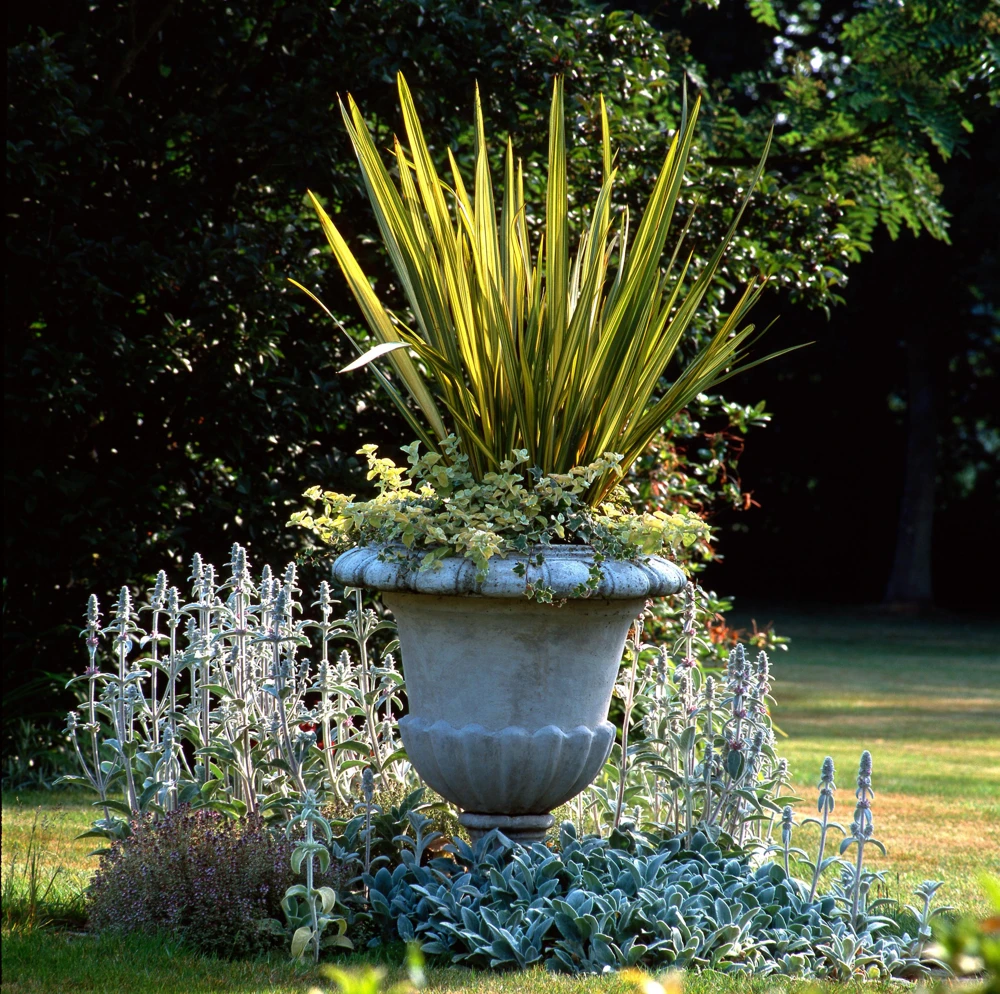
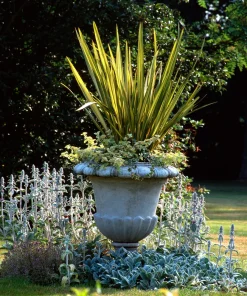
- Versatile Planting Options: Suitable for a wide range of uses, from container planting to mass plantings, coastal gardens, and mixed borders. Its adaptability allows it to fit into many garden schemes.
- Hardy & Resilient: Tolerant of various soil types and capable of withstanding moderate frosts (USDA Zones 7-11), ensuring a robust and long-lasting presence in your garden. This resilience makes it a reliable choice for many climates.
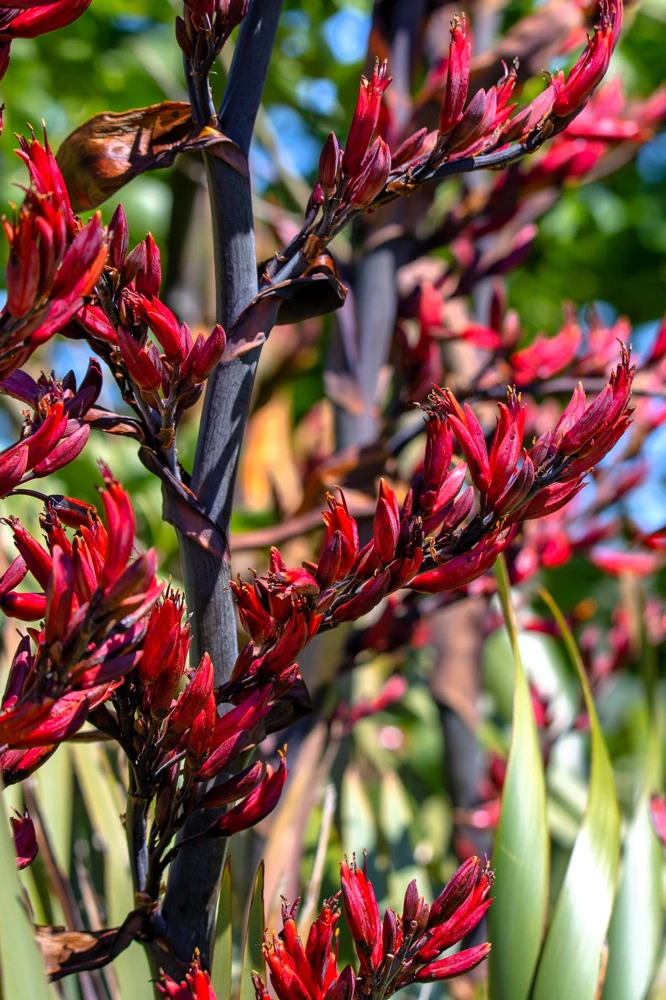
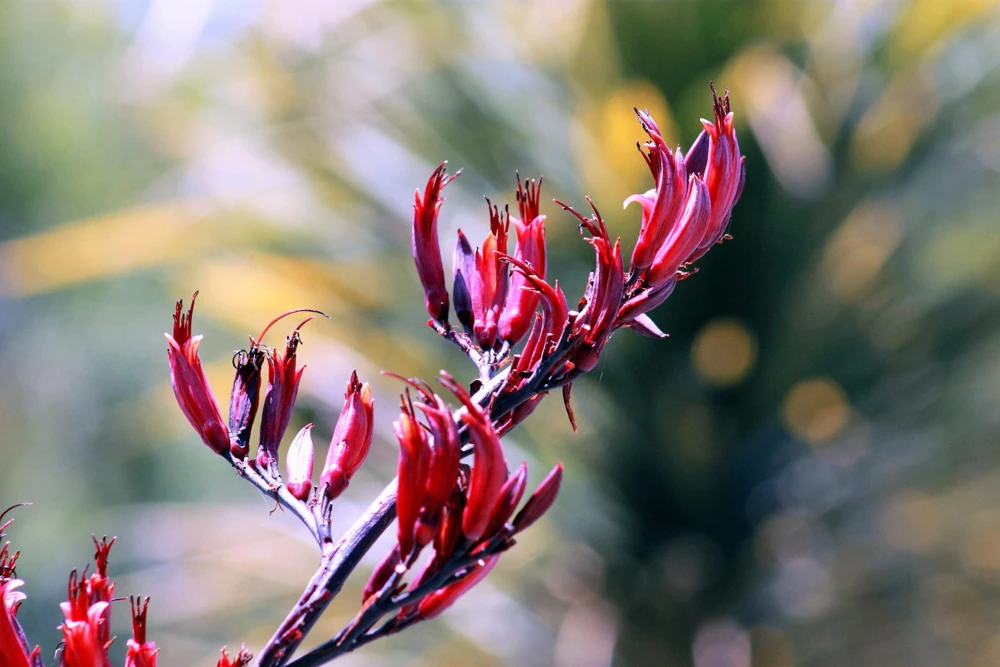
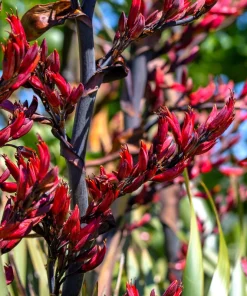
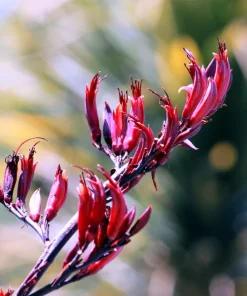
- Attracts Pollinators: While primarily grown for its foliage, mature plants may produce tall flower stalks with red blooms that can attract hummingbirds and other pollinators, adding another layer of ecological benefit.
- Erosion Control: The strong root system of New Zealand Flax can help stabilize soil on slopes and banks, preventing erosion and contributing to a healthier landscape.
Plant Care & Growing Tips
Understanding the proper care for Variegated New Zealand Flax seeds is crucial for successful cultivation and to ensure your plants thrive. These plants are relatively easy to care for once established, making them a great choice for various gardeners. To grow New Zealand Flax successfully, consider the following guidelines.
For optimal growth, Phormium Tenax Variegatum prefers a location with full sun to partial shade. In hotter climates, some afternoon shade can protect the foliage from scorching. Aim for at least 6 hours of direct sunlight daily. The soil should be well-draining, as these plants do not tolerate soggy conditions. They can adapt to a range of soil types, from sandy to clay, but prefer a moderately fertile, slightly acidic to neutral pH. When planting seeds, ensure the soil is consistently moist but not waterlogged until germination occurs. Once established, New Zealand Flax is quite drought-tolerant and will only require occasional watering during prolonged dry spells.
The ideal time to plant your ornamental grass seeds outdoors is after the soil has warmed in spring. For best results, many gardeners choose to start the seeds indoors in containers 6-8 weeks before the last frost. Maintain a consistent temperature of around 65-75°F (18-24°C) for germination. Once seedlings are strong enough and the risk of frost has passed, they can be transplanted into their final outdoor location. Fertilization is generally not heavily required; a balanced, slow-release fertilizer in spring can encourage vigorous growth. Protect young plants from severe winter cold in the lower end of their hardiness range (Zone 7) by applying a layer of mulch around the base. Understanding New Zealand Flax care will lead to a thriving, beautiful plant.
Size & Details
These Variegated New Zealand Flax seeds offer the opportunity to cultivate impressive plants that will become a significant feature in your garden. Each packet contains 10 seeds, providing a good starting point for a small cluster or several individual specimens. When mature, Phormium Tenax ‘Variegatum’ typically reaches a height of 4 to 6 feet, with a similar spread of around 6 feet, creating a substantial and impactful presence. The plant’s growth rate is moderate, allowing you to observe its development over time as it establishes its architectural form.
The plants are hardy in USDA Zones 7 through 11, indicating their tolerance for a range of temperatures. They are best started indoors in containers or directly sown outdoors after the soil has warmed sufficiently. Bloom time for mature plants is typically from summer to fall, where they may produce tall flower stalks with attractive red blooms, though they are primarily grown for their stunning foliage. The seeds are packaged to ensure viability upon arrival, ready for you to begin your gardening journey with this magnificent ornamental grass.
Frequently Asked Questions
- Q: How long does it take for Variegated New Zealand Flax seeds to germinate? A: Germination times can vary, but typically you can expect to see sprouts within 2-4 weeks when conditions are optimal, especially if started indoors with consistent warmth and moisture.
- Q: Is this an indoor or outdoor plant? A: While young seedlings can be started indoors, Variegated New Zealand Flax is primarily an outdoor plant, thriving in garden beds, borders, and large containers in USDA Zones 7-11.
- Q: How much sunlight does Phormium Tenax Variegatum need? A: This plant performs best in full sun (at least 6 hours of direct sunlight daily) to partial shade. In very hot climates, some afternoon shade can prevent leaf scorching.
- Q: What condition will the seeds arrive in? A: Your order will contain 10 high-quality, viable ornamental grass seeds, carefully packaged to ensure their integrity during transit, ready for planting.
- Q: Is New Zealand Flax easy to care for? A: Yes, once established, New Zealand Flax is considered a low-maintenance plant, tolerant of drought and various soil conditions, making New Zealand Flax care relatively simple for gardeners.
- Q: When is the best time to plant these seeds? A: The best time to sow these seeds is in spring after the last frost if planting directly outdoors, or 6-8 weeks before the last frost if starting them indoors.
- Q: How tall does Variegated New Zealand Flax grow? A: Mature plants typically reach a height of 4 to 6 feet, with a similar spread, creating a significant and dramatic presence in the landscape.
- Q: Will these seeds produce plants with variegated leaves? A: Yes, these are specifically Variegated New Zealand Flax seeds (Phormium Tenax ‘Variegatum’), and the resulting plants are expected to display the characteristic white, cream, and green striped foliage.
- Q: Can I grow this plant in a container? A: Absolutely! Phormium Tenax Variegatum can be grown successfully in large containers, especially in areas where it is not hardy enough to be planted directly in the ground, allowing for overwintering indoors.
- Q: What kind of soil is best for growing New Zealand Flax? A: Well-draining soil is crucial. While adaptable to various soil types, it prefers moderately fertile soil with a slightly acidic to neutral pH. Avoid heavy, waterlogged soils.
Be the first to review “Variegated New Zealand Flax Seeds – Phormium Tenax Variegatum Ornamental Grass Seeds – 10 Seeds”
People Also Viewed
Flower Plants
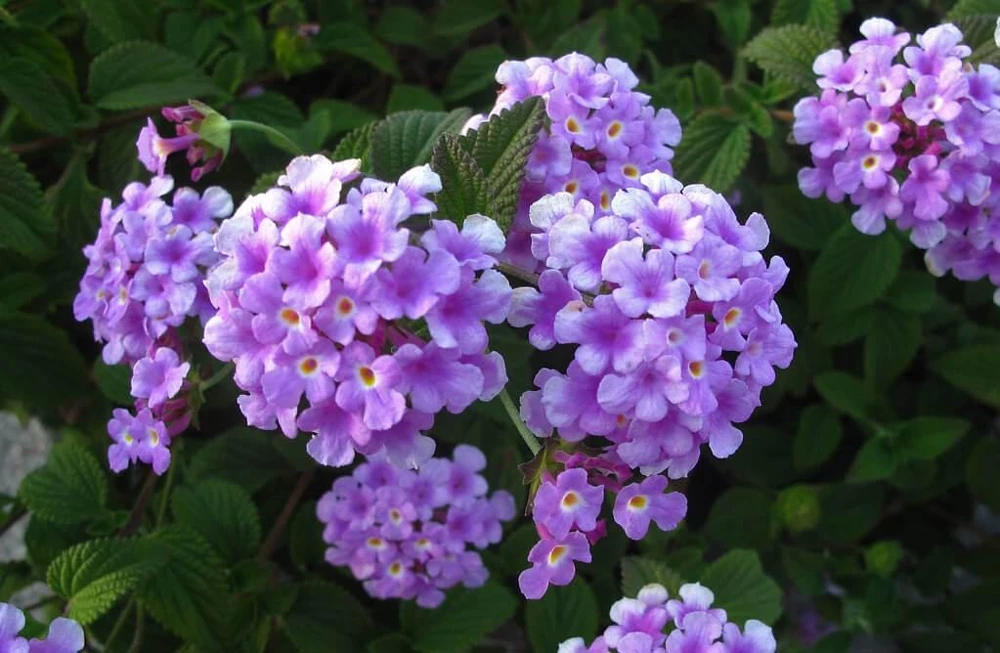
Trailing Lavender Lantana Live Plants (2-Pack) – Purple Weeping Montevidensis, 5-9″ Tall
Uncategorized
Rhododendron PJM – Lilac Purple Blooms Rhododendron Flowers Plant – #3 Container Size Plant
Reviews
There are no reviews yet.