
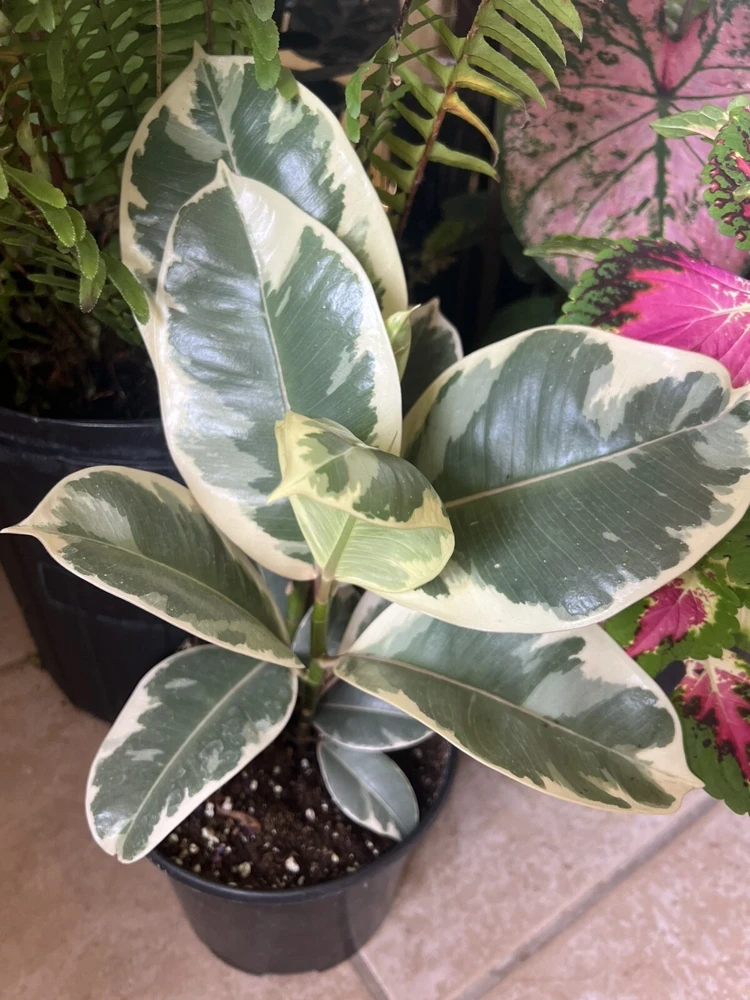
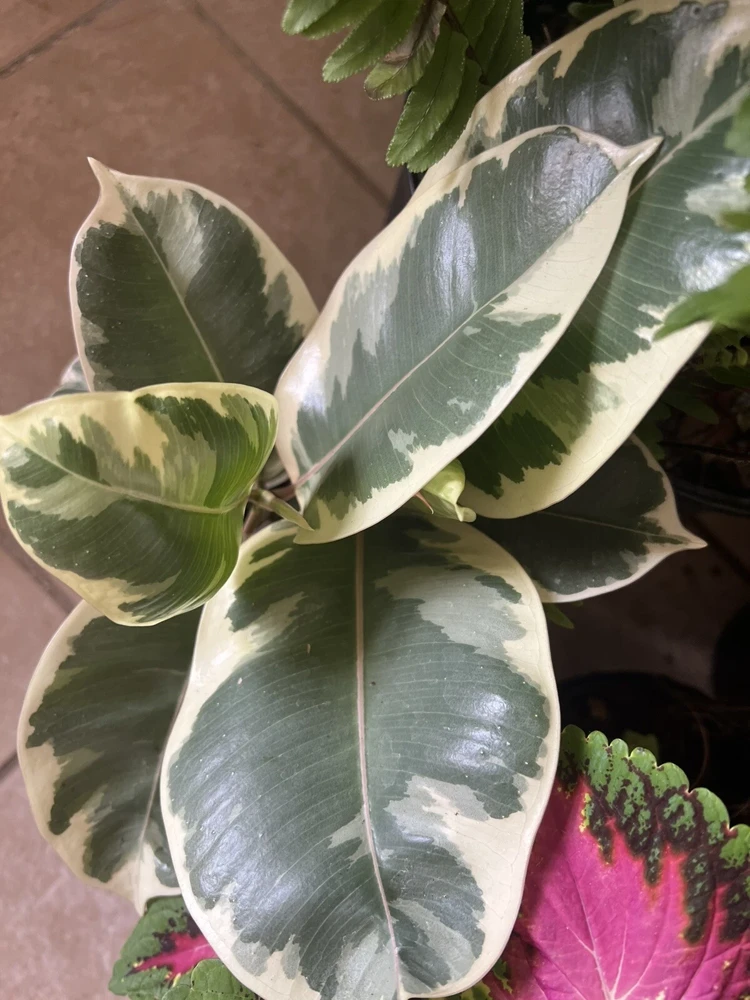
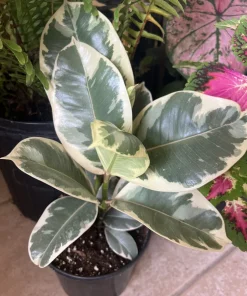
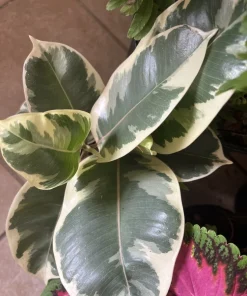
Variegated Fig Tree Live Plant, 36 inch Tall, Potted Indoor/Outdoor
Original price was: $77.99.$57.99Current price is: $57.99.
Introduce a touch of exotic beauty with this impressive 36-inch variegated fig tree live plant. Featuring stunning, multi-colored foliage, it thrives both indoors and outdoors, making it a versatile choice for any plant enthusiast.
Estimated arrival
Oct 27
Nov 01 - Nov 03
Nov 06 - Nov 10
Shop With Confidence
30-Day Plant Health Guarantee
Arrives damaged? We’ll replace it free — see our return policy.
Responsive Support
Email us anytime, we reply within 1 business day.
Expert Packaging
Temperature-controlled shipping to protect your plants in transit.
Secure Checkout
Pay safely with Visa, Mastercard, PayPal.
Plant Specifications
-
USDA Hardiness Zone
USDA zones 8-10 (outdoors), adaptable indoors -
Soil Type
Well-draining potting mix -
Sunlight Exposure
Bright indirect light -
Expected Planting Period
Year-round indoors, spring to early summer outdoors
Overview
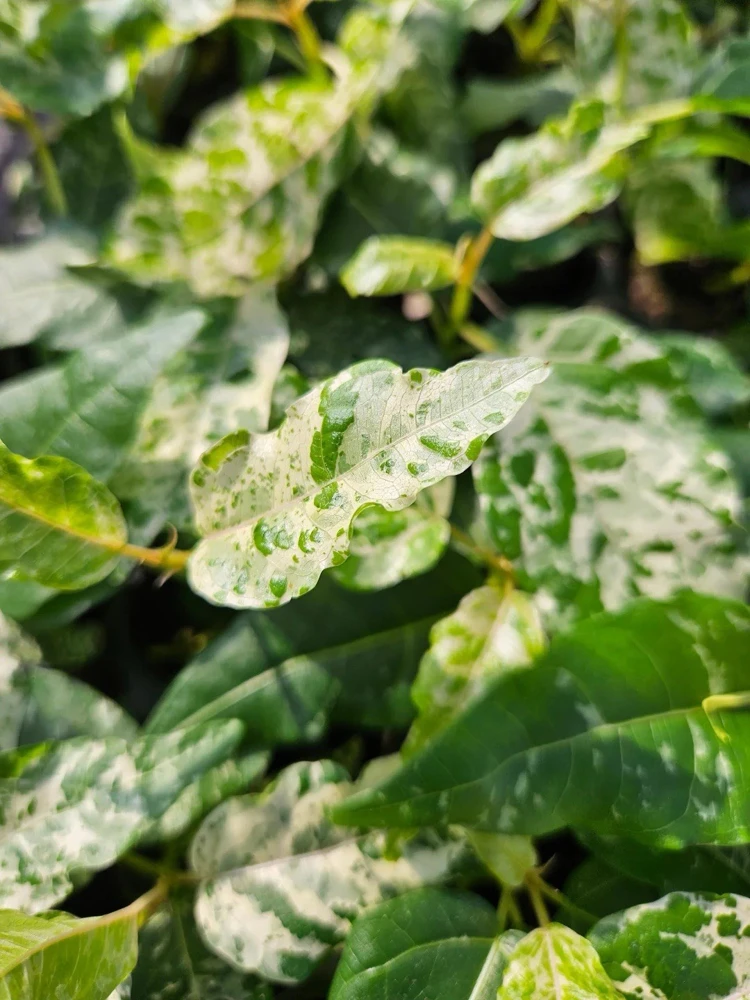
Bring a touch of botanical elegance into your space with this magnificent variegated fig tree live plant. Standing at an impressive 36 inches, this live specimen is a true showstopper, boasting unique foliage that combines shades of green, cream, and sometimes pink, making each leaf a work of art. The variegated fig tree, scientifically known as Ficus carica variegata, is a highly sought-after ornamental plant that offers both visual appeal and a sense of lush tranquility. Unlike common fig trees, its primary allure lies in its decorative leaves rather than fruit production, though it can still produce small, edible figs if grown in optimal conditions. This robust and beautiful plant is perfect for enhancing living rooms, patios, or garden spaces, providing a striking focal point wherever it is placed. Its substantial size makes an immediate impact, offering mature beauty without the wait.
Whether you’re an experienced gardener or just starting your plant journey, the variegated fig tree live plant is a rewarding addition. Its distinctive appearance can transform any ordinary corner into a vibrant, natural sanctuary. This plant arrives ready to thrive, carefully nurtured to reach its impressive height, ensuring you receive a healthy and established specimen. The unique patterns on its leaves ensure that no two plants are exactly alike, promising a personalized natural decor piece for your home or garden. Embrace the beauty and serenity that this exceptional plant can bring.
Key Benefits
The variegated fig tree live plant offers numerous advantages beyond its captivating beauty, making it a superb choice for various settings:
- Stunning Ornamental Value: The striking variegated foliage provides year-round visual interest with its unique green, cream, and often pink patterns, serving as a dynamic centerpiece for any room or garden.
- Versatile Placement: This plant is adaptable and can thrive both as an indoor houseplant in bright, indirect light or outdoors in suitable climates, offering flexibility in your decorating and landscaping plans.
- Air Purification: Like many Ficus varieties, the variegated fig tree contributes to improved indoor air quality by filtering out common toxins, creating a healthier living environment.
- Low to Moderate Maintenance: Once established, this fig tree care is relatively straightforward, requiring consistent watering and appropriate light, making it suitable for those with busy schedules.
- Adds Architectural Interest: Its upright growth habit and substantial size create a living sculpture that adds height and structure to your plant collection or garden design.
- Unique Collector’s Item: The rarity and distinctive patterns of the ficus carica variegata make it a prized possession for plant collectors and enthusiasts looking for something out of the ordinary.
- Potential for Edible Fruit: While primarily ornamental, under ideal conditions, this tree can produce small, sweet figs, adding an unexpected bonus to its many attributes.
Plant Care & Growing Tips
Caring for your variegated fig tree live plant involves understanding its specific needs to ensure its continued health and vibrant growth. For sunlight, this plant thrives in bright, indirect light. When grown indoors, place it near a south or west-facing window where it receives ample light but is shielded from harsh, direct afternoon sun, which can scorch its delicate variegated leaves. If grown outdoors, a spot with morning sun and afternoon shade is ideal, especially in warmer climates. Aim for at least 6 hours of bright light daily. Consistent watering is crucial; allow the top inch or two of soil to dry out completely between waterings. Overwatering can lead to root rot, so ensure good drainage. Test the soil moisture with your finger before watering again.
The ideal soil for a variegated fig tree live plant is a well-draining potting mix. A blend designed for houseplants or general-purpose potting soil amended with perlite or coarse sand will provide the necessary drainage and aeration. Regarding temperature, these plants prefer consistent warmth, ideally between 60-80°F (15-27°C). Protect them from sudden temperature drops and cold drafts. The ornamental fig tree is best suited for USDA hardiness zones 8-10 if planted outdoors year-round, though it can be overwintered indoors in colder regions. Fertilize during the growing season (spring and summer) every 2-4 weeks with a balanced liquid fertilizer diluted to half strength. Reduce fertilization in fall and winter when growth slows.
Common problems to watch out for include spider mites and mealybugs, which can be treated with insecticidal soap. Yellowing leaves can indicate overwatering or nutrient deficiency, while browning leaf edges often suggest underwatering or low humidity. Ensuring proper light, water, and humidity will keep your indoor fig tree thriving and showcasing its beautiful variegation. Regular pruning can help maintain its shape and encourage bushier growth, making it an even more attractive addition to your collection.
Size & Details
This variegated fig tree live plant arrives as a well-established specimen, typically measuring approximately 36 inches in height from the base of the pot to the top of its foliage. It is shipped in a nursery pot, ready for you to transplant into a decorative container of your choice or directly into your garden if your climate permits. The plant exhibits an upright growth habit, with a moderate growth rate, meaning it will gradually fill out and increase in size over time. Expected to reach a mature height of 6-10 feet when grown in ideal conditions, and potentially wider if allowed to spread, it makes a significant statement piece. The impressive size upon arrival means you don’t have to wait years for your plant to mature and add significant green presence to your space.
The plant is carefully packaged to ensure it arrives in optimal health, minimizing stress during transit. Each leaf will display the characteristic cream, green, and sometimes pink variegation, making it a unique addition. While primarily an ornamental variety, under favorable conditions, it may produce small, edible figs. This variegated fig tree live plant is an excellent choice for those seeking a substantial, visually captivating, and relatively easy-to-care-for plant that offers long-lasting beauty.
Frequently Asked Questions
- Q: How big does this variegated fig tree get? A: This variegated fig tree live plant is approximately 36 inches tall upon arrival. With proper care, it can grow to a mature height of 6-10 feet, especially if planted in the ground outdoors.
- Q: Is this an indoor or outdoor plant? A: This plant is versatile and can thrive both indoors as a houseplant in bright, indirect light or outdoors in USDA zones 8-10. In colder climates, it should be brought indoors during winter.
- Q: How much sunlight does the variegated fig tree need? A: Your variegated fig tree live plant prefers bright, indirect light for at least 6 hours a day. Avoid direct, harsh afternoon sun, which can scorch its leaves.
- Q: Is this plant easy to care for? A: Yes, once established, the fig tree care is considered moderate. It requires consistent watering, proper light, and protection from extreme temperatures, making it suitable for many plant enthusiasts.
- Q: What condition will it arrive in? A: Your plant will arrive in a nursery pot, carefully packaged to ensure it is healthy and minimizes stress during shipping, ready for immediate placement or transplanting.
- Q: Can I use the fruit from this ornamental fig tree? A: While primarily grown for its ornamental foliage, the ficus carica variegata can produce small, edible figs under optimal growing conditions, though they may not be as prolific as fruit-specific varieties.
- Q: What is the best soil for this indoor fig tree? A: A well-draining potting mix is best. You can use a standard houseplant potting soil amended with perlite or coarse sand to improve drainage and aeration.
- Q: How often should I water my variegated fig tree? A: Water thoroughly when the top 1-2 inches of soil feel dry to the touch. Ensure the pot has drainage holes to prevent waterlogging, which can lead to root rot.
- Q: Will it survive winter in my zone? A: If you are in USDA zones 8-10, it can typically survive outdoors year-round. In colder zones, you will need to bring your variegated fig tree live plant indoors before the first frost.
- Q: How do I maintain the variegation? A: Providing ample bright, indirect light is key to maintaining the vibrant variegation. Insufficient light can cause the patterns to fade over time.
Be the first to review “Variegated Fig Tree Live Plant, 36 inch Tall, Potted Indoor/Outdoor”
People Also Viewed


Reviews
There are no reviews yet.