
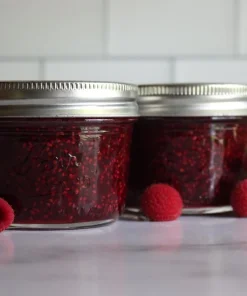
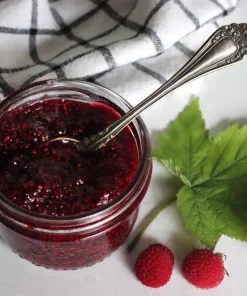
Thimbleberry Live Plant – Rubus parviflorus – 4″ Pot, 1-Foot Tall – Deciduous Berry Shrub
Original price was: $56.99.$36.99Current price is: $36.99.
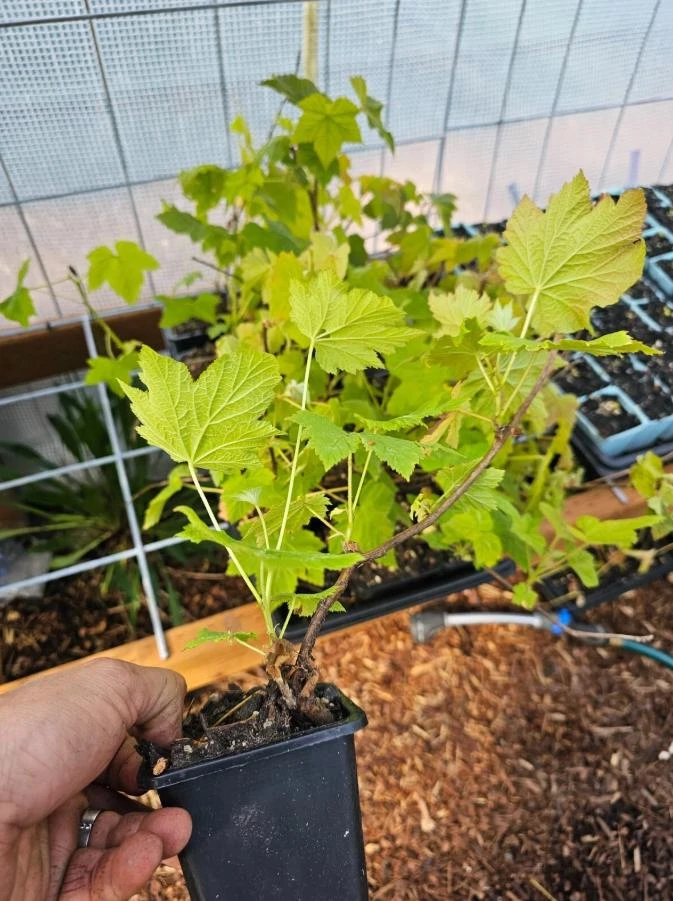
Bring the beauty and bounty of a thimbleberry live plant to your garden. This 1-foot tall, 4-inch potted deciduous shrub offers delicious, thornless red berries and attractive white flowers. Perfect for native gardens and attracting wildlife.
Estimated arrival
Sep 29
Oct 04 - Oct 06
Oct 09 - Oct 13
Shop With Confidence
30-Day Plant Health Guarantee
Arrives damaged? We’ll replace it free — see our return policy.
Responsive Support
Email us anytime, we reply within 1 business day.
Expert Packaging
Temperature-controlled shipping to protect your plants in transit.
Secure Checkout
Pay safely with Visa, Mastercard, PayPal.
Plant Specifications
-
USDA Hardiness Zone
unknown -
Soil Type
Moist, well-drained, rich organic soil -
Sunlight Exposure
Partial shade to full sun -
Expected Planting Period
Spring to early fall
Overview
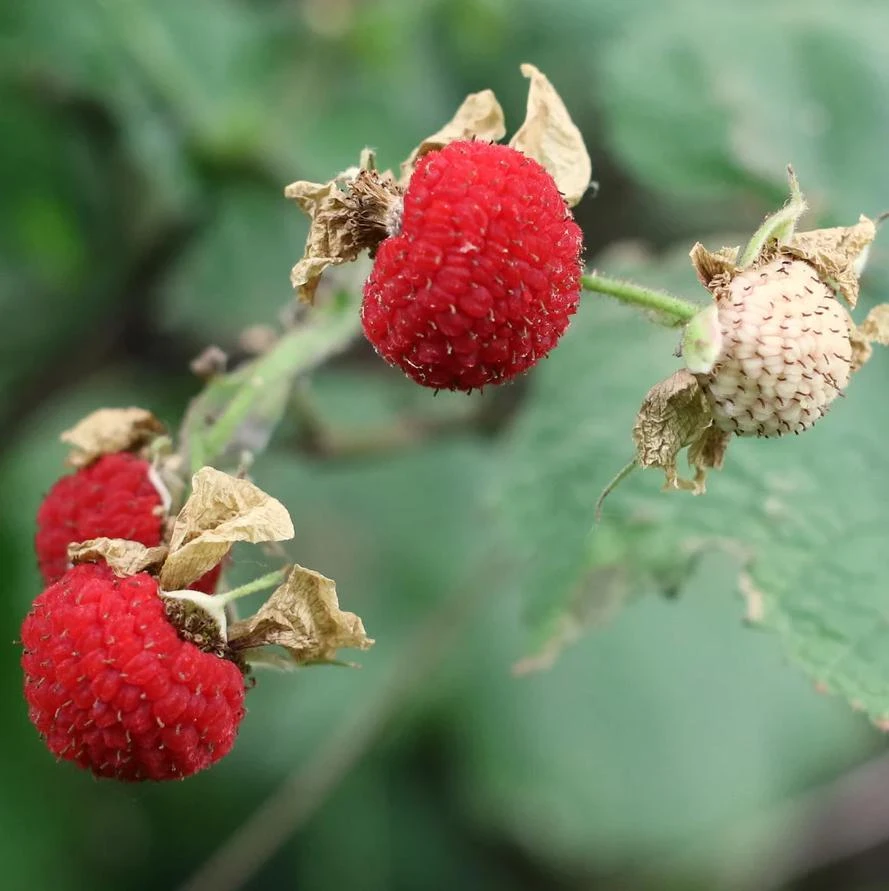
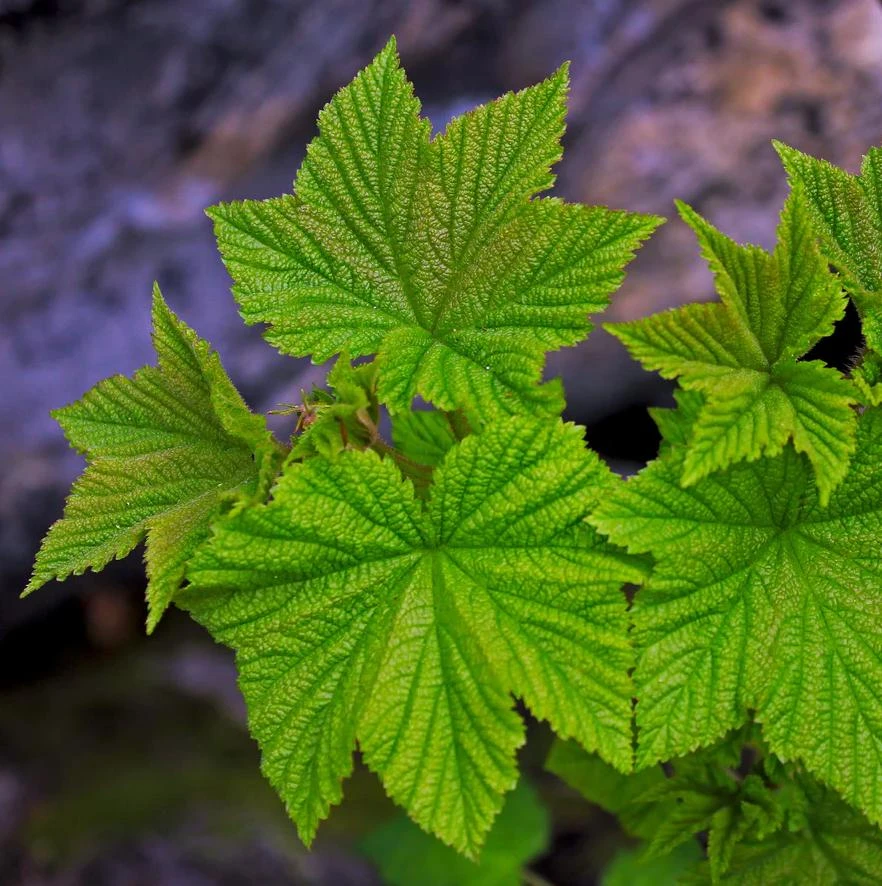
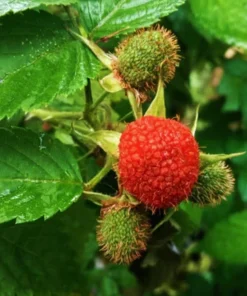
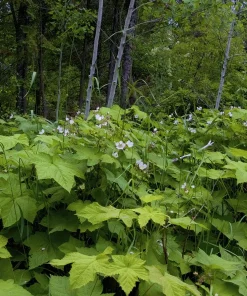
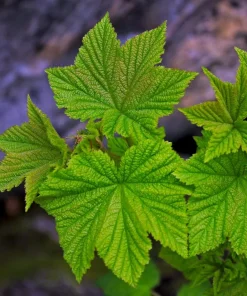
Introduce a touch of native wilderness and delightful edibles to your landscape with the thimbleberry live plant (Rubus parviflorus). This charming deciduous shrub is a North American native, celebrated for its large, soft, maple-like leaves and its sweet, raspberry-like red fruits. Unlike many other berry plants, the thimbleberry is completely thornless, making it a joy to manage and harvest. It’s an excellent choice for gardeners looking to create a naturalized area, support local wildlife, or simply enjoy fresh, flavorful berries straight from their own backyard. Each thimbleberry live plant arrives healthy and ready to thrive, offering both ornamental beauty and a delicious harvest.
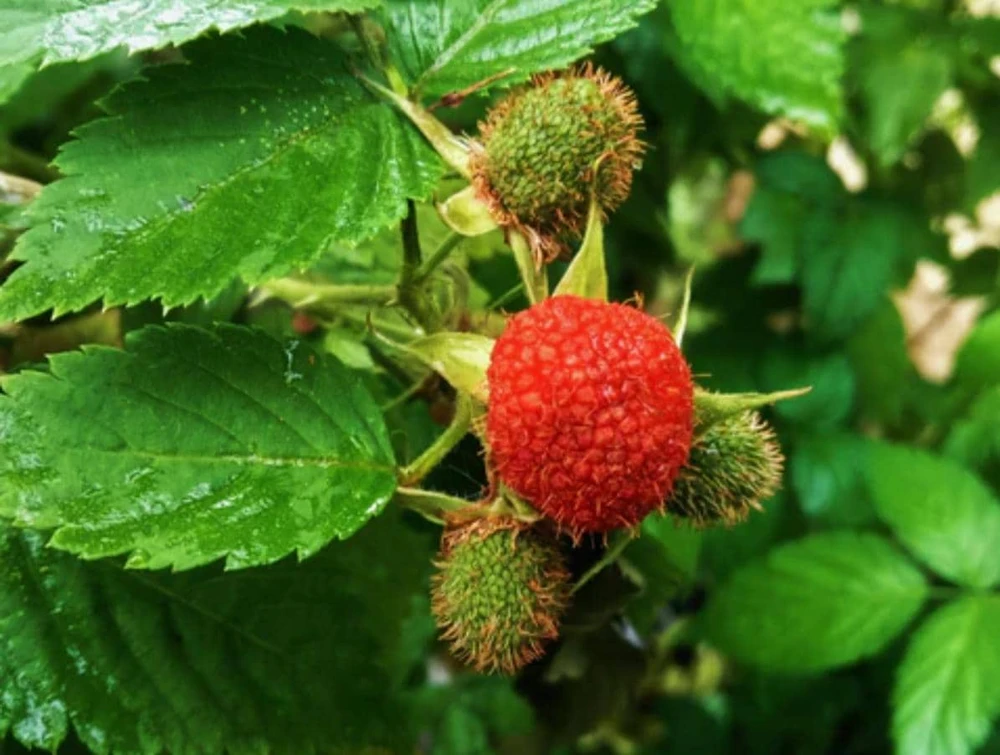
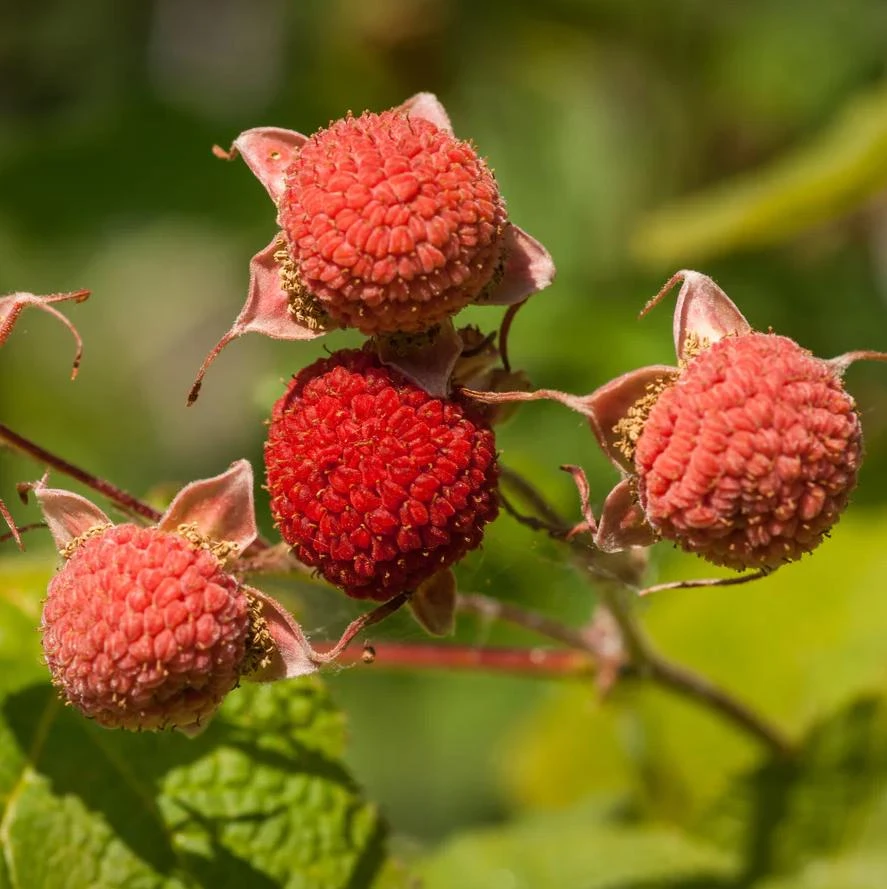
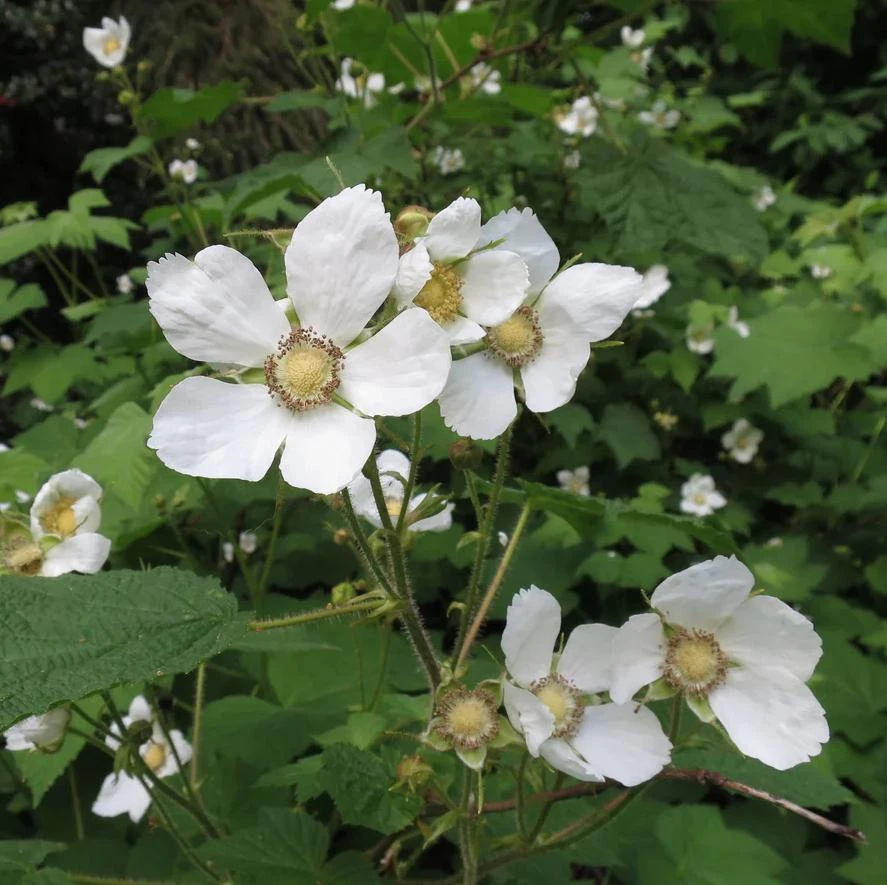
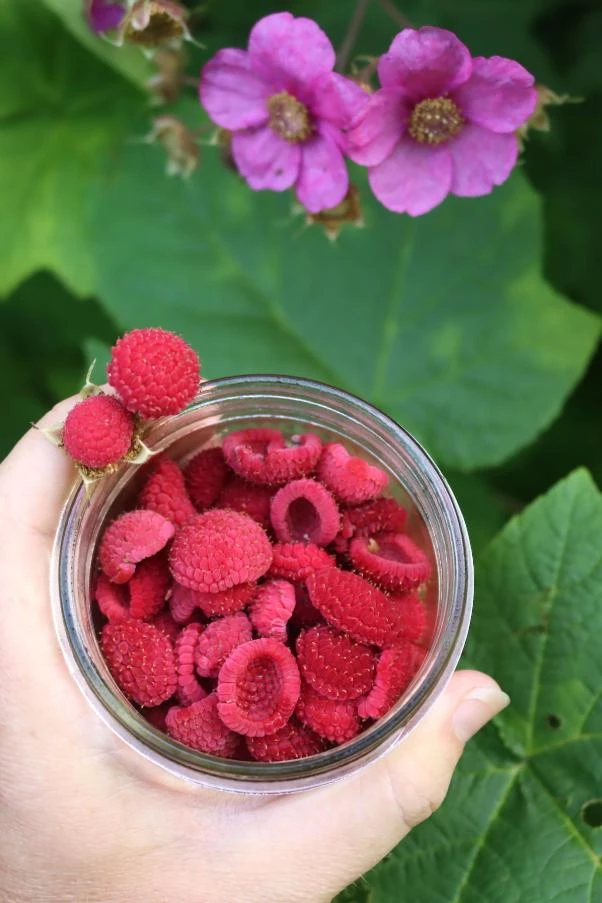
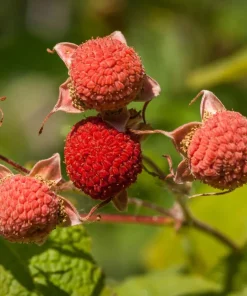
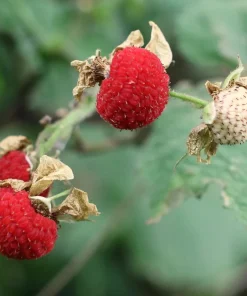
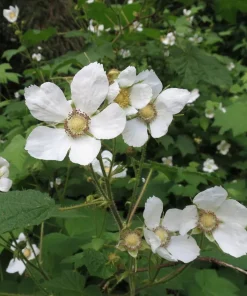
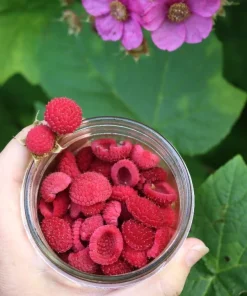
The thimbleberry plant is not only easy on the hands but also on the eyes, producing delicate white, five-petaled flowers in late spring that mature into bright red, soft berries by mid to late summer. These berries are highly versatile, perfect for fresh eating, jams, jellies, or attracting beneficial pollinators and birds to your garden. Its adaptability to various light conditions and soil types makes it a resilient and rewarding addition for both experienced and novice gardeners.
Key Benefits
The thimbleberry live plant offers a multitude of benefits, enhancing both the aesthetic and ecological value of your garden space. Its unique characteristics make it a standout choice for a diverse range of landscapes.
- Thornless Berry Production: Enjoy abundant, delicious red berries without the worry of thorns, making harvesting a pleasant and easy experience. The berries are soft, flavorful, and ideal for fresh consumption or preserves, providing a delightful summer treat.
- Native Plant for Wildlife Support: As a native North American species, the rubus parviflorus is perfectly adapted to local ecosystems. It provides essential food and habitat for native pollinators, birds, and other wildlife, contributing to biodiversity and ecological balance in your garden.
- Attractive Ornamental Features: Beyond its fruits, the thimbleberry boasts large, soft, maple-like leaves that create a lush, inviting texture in the garden. Its delicate white flowers in spring add a touch of elegance before the fruit ripens.
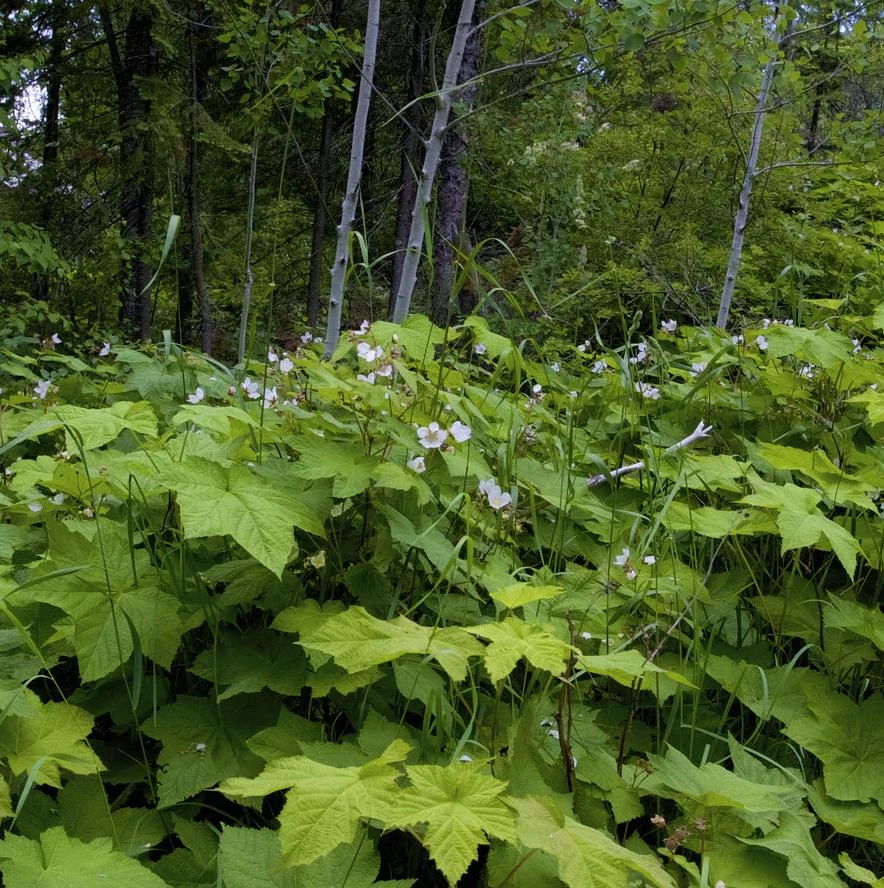
- Versatile Landscape Use: Ideal for native gardens, edible landscapes, forest edges, and naturalized areas. Its adaptable nature allows it to thrive in various settings, from partial shade to full sun, making it a flexible choice for different garden designs.
- Low Maintenance & Cold Hardy: This deciduous shrub is known for its resilience and ease of care. It’s cold-hardy and generally requires minimal intervention once established, making it a great option for gardeners seeking a productive yet undemanding plant.
- Spreading Growth Habit: The thimbleberry spreads via rhizomes, helping to naturalize areas and provide ground cover. This characteristic makes it excellent for erosion control on slopes or for filling in larger garden spaces with attractive foliage and fruit.
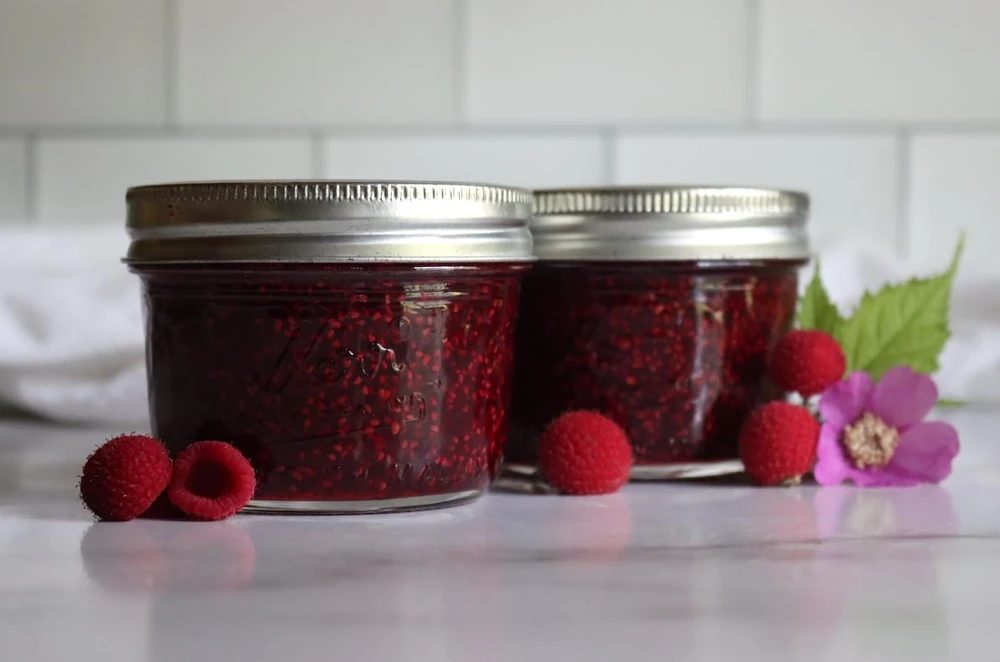
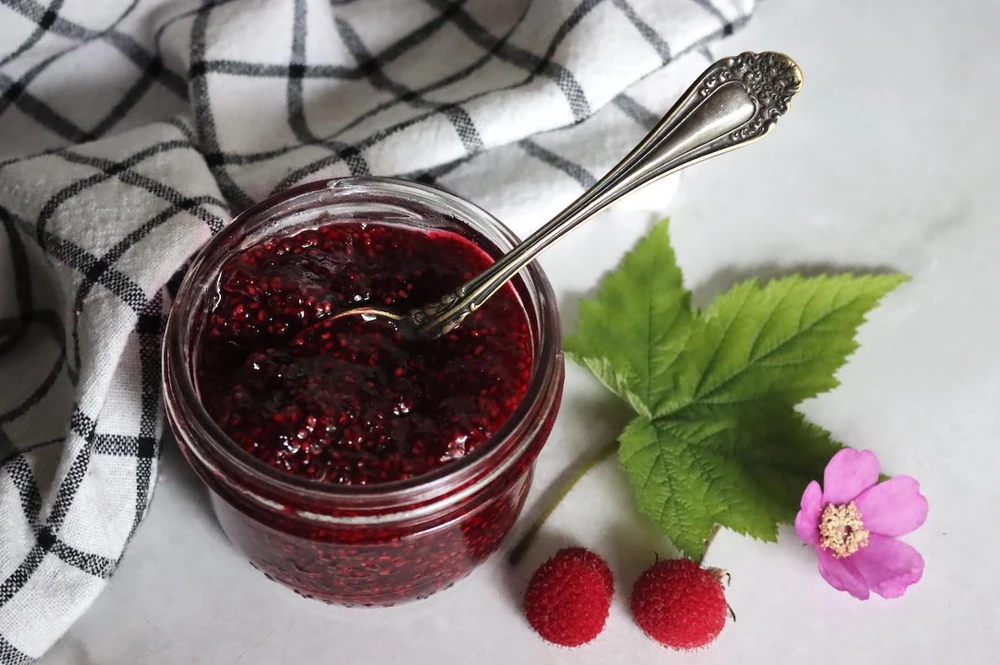
- Edible & Culinary Uses: The bright red berries are not only visually appealing but also offer a sweet, slightly tart flavor profile. They can be enjoyed fresh, baked into pies, or transformed into delicious jams, jellies, and sauces, providing a homegrown culinary delight.
Plant Care & Growing Tips
Caring for your thimbleberry live plant is straightforward, making it an excellent choice for gardeners of all skill levels. Upon arrival, ensure to transplant your thimbleberry plant immediately to its permanent location. Choose a site that allows for its spreading root system, as it can grow vigorously. Dig a hole twice as wide as the root ball and just as deep, gently loosen the roots, and backfill with soil, ensuring the plant is at the same depth as it was in its pot. Water thoroughly after planting to help settle the soil and reduce transplant shock.
For optimal growth, the thimbleberry prefers moist, well-drained, and humus-rich organic soil, though it is quite tolerant of a range of native soil conditions. Consistency in watering is key, especially during its establishment phase and throughout the fruiting period in summer. Avoid letting the soil dry out completely. While it can tolerate partial shade, a location with full sun to partial shade will encourage the best fruit production. In early spring, a feeding of organic compost or a balanced slow-release fertilizer will provide the necessary nutrients for robust growth. Pruning is best done after fruiting; simply cut back older canes to encourage new growth and maintain plant vigor. This thornless berry plant is cold-hardy, typically requiring no special winter protection in most USDA zones.
Monitor your rubus parviflorus for common pests and diseases, though it is generally quite resilient. Adequate air circulation and proper watering practices can prevent many issues. With these simple care instructions, your thimbleberry plant will thrive and provide years of enjoyment and delicious berries.
Size & Details
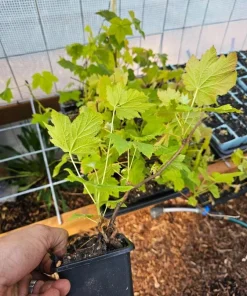
This thimbleberry live plant arrives in a convenient 4-inch nursery pot, standing approximately 1 foot (30 cm) tall from the base of the pot. It is a well-rooted specimen, ready for immediate transplanting into your garden or a larger container. Thimbleberry plants are known for their upright, bushy growth habit and their ability to spread via rhizomes, forming attractive thickets over time. Expect your plant to reach a mature height of 4–6 feet (1.2–1.8 meters) with a similar spread, creating a substantial and productive shrub.
The plant will typically produce its beautiful white flowers in late spring, followed by its distinctive bright red, soft edible berries from mid to late summer. The growth rate is moderate, and with proper care, you can anticipate fruit production within the first year or two after planting. This size is ideal for establishing a new native patch or adding to an existing edible landscape, providing a strong foundation for future harvests of this delightful edible berry shrub.
Frequently Asked Questions
- Q: How big does this thimbleberry live plant get? A: This plant arrives approximately 1 foot tall in a 4-inch pot. At maturity, a thimbleberry live plant typically reaches 4–6 feet (1.2–1.8 meters) in height and can spread similarly via rhizomes, forming a bushy shrub.
- Q: Is this an indoor or outdoor plant? A: The thimbleberry live plant is an outdoor deciduous shrub. It is best suited for planting in native gardens, edible landscapes, forest edges, or naturalized areas where it can thrive in its natural environment.
- Q: How much sunlight does the thimbleberry need? A: Thimbleberry plants prefer partial shade to full sun. While they can tolerate some shade, more sunlight generally leads to better fruit production. Aim for at least 4-6 hours of direct sun daily for optimal results.
- Q: Is this plant easy to care for? A: Yes, the rubus parviflorus is considered a relatively easy-care plant. It’s cold-hardy and resilient, requiring consistent moisture, well-drained soil, and occasional pruning after fruiting. It’s a great option for beginner gardeners interested in native plants.
- Q: What condition will the thimbleberry plant arrive in? A: Your thimbleberry live plant will arrive in a 4-inch nursery pot, approximately 1 foot tall, healthy and well-rooted, ready for immediate transplanting into your garden. We pack carefully to ensure safe transit.
- Q: When is the best time to plant a thimbleberry? A: The best time to plant your native garden plant is in spring or early fall when temperatures are moderate. This allows the plant to establish its root system before the stress of extreme heat or cold.
- Q: Are the berries on this thornless berry plant edible? A: Yes, the bright red berries produced by the thornless berry plant are completely edible and delicious. They have a sweet, raspberry-like flavor and are excellent for fresh eating, preserves, or attracting wildlife.
- Q: What kind of soil does a thimbleberry prefer? A: Thimbleberry plants thrive in moist, well-drained, and humus-rich organic soil. However, they are quite adaptable and can tolerate a range of native soil conditions as long as drainage is good.
- Q: How often should I water my thimbleberry plant? A: Keep the soil consistently moist, especially during the establishment period and while the plant is fruiting. Avoid letting the soil dry out completely, but also ensure good drainage to prevent waterlogging.
- Q: Will this plant attract wildlife? A: Absolutely! As a native species, the thimbleberry live plant is an excellent choice for attracting pollinators like bees and butterflies with its flowers, and birds and other small wildlife with its delicious berries, enhancing your garden’s biodiversity.
Be the first to review “Thimbleberry Live Plant – Rubus parviflorus – 4″ Pot, 1-Foot Tall – Deciduous Berry Shrub”
People Also Viewed
Reviews
There are no reviews yet.