


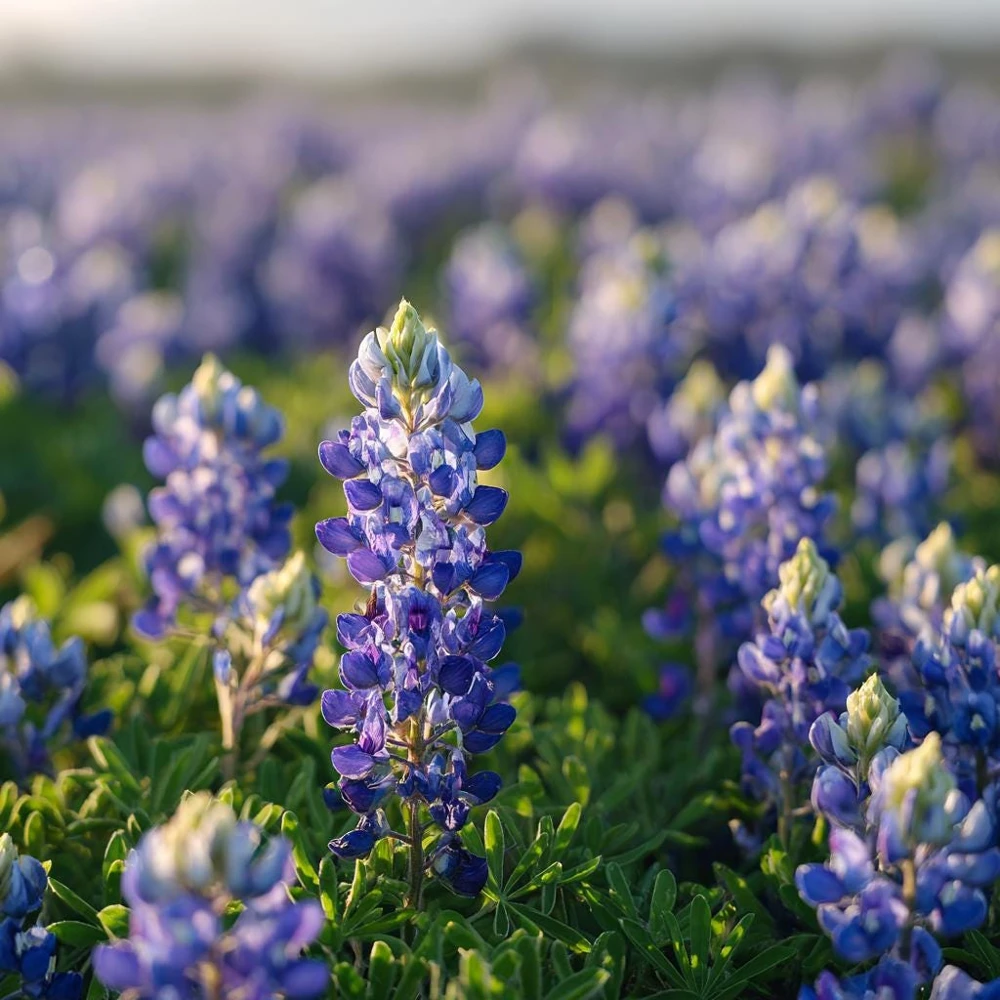
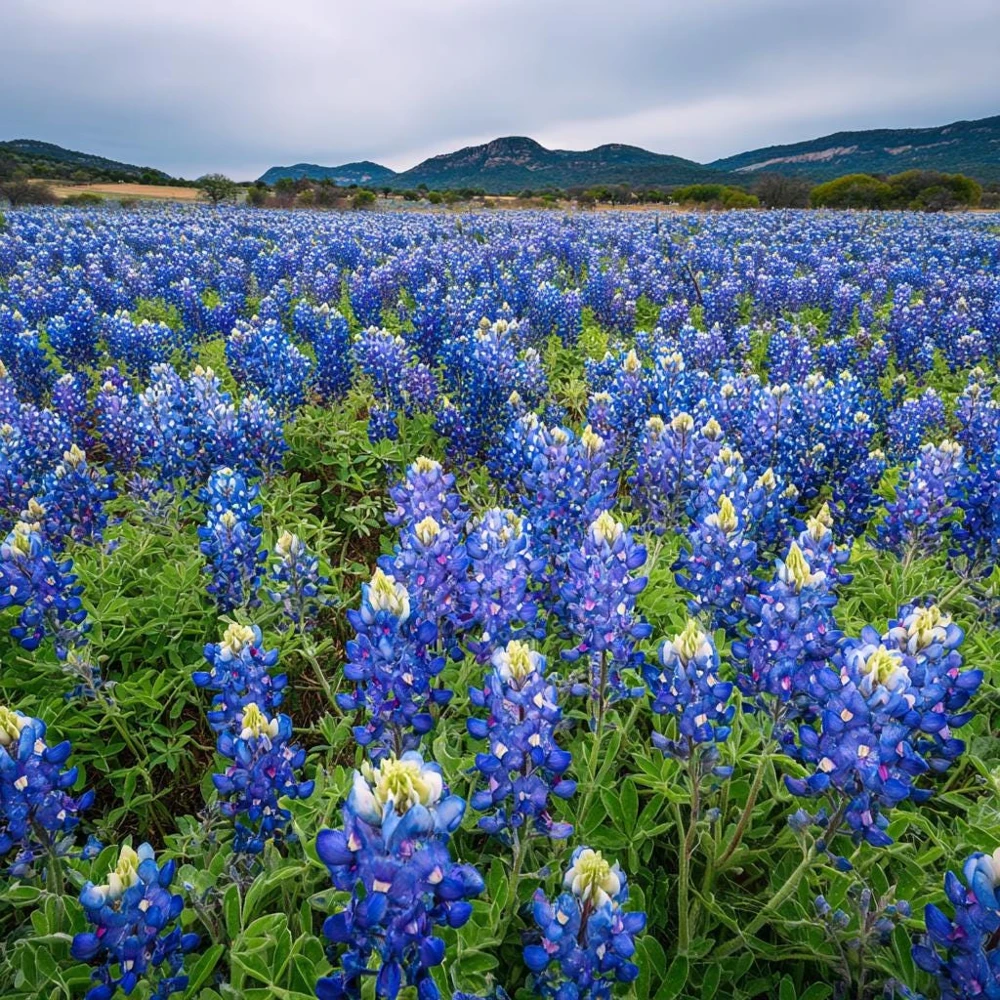
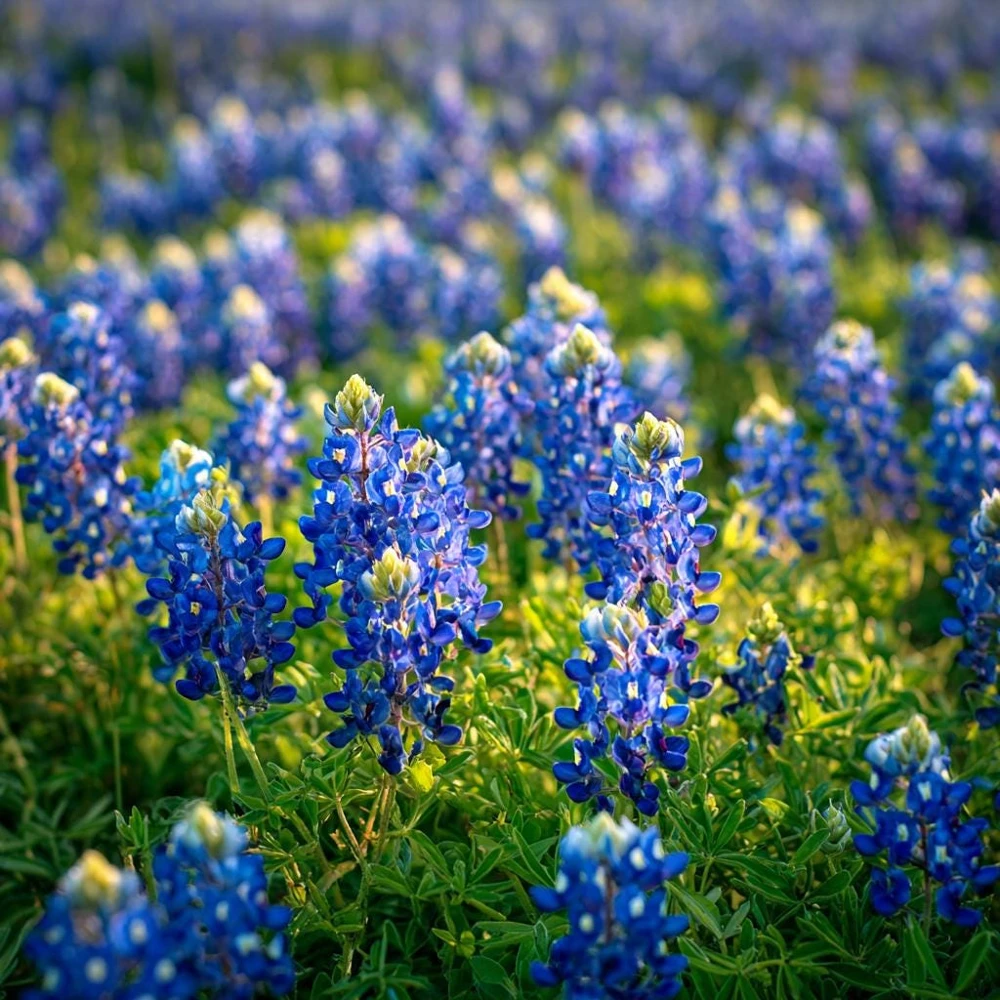
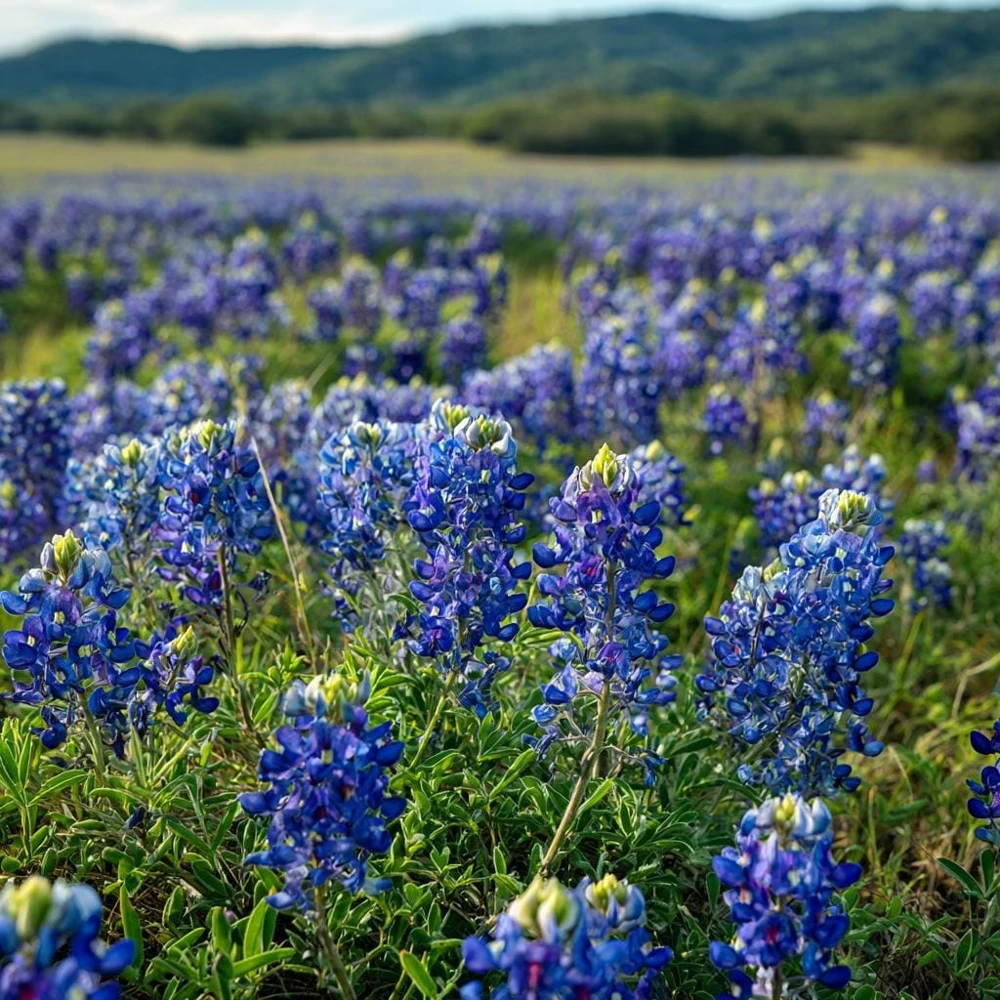
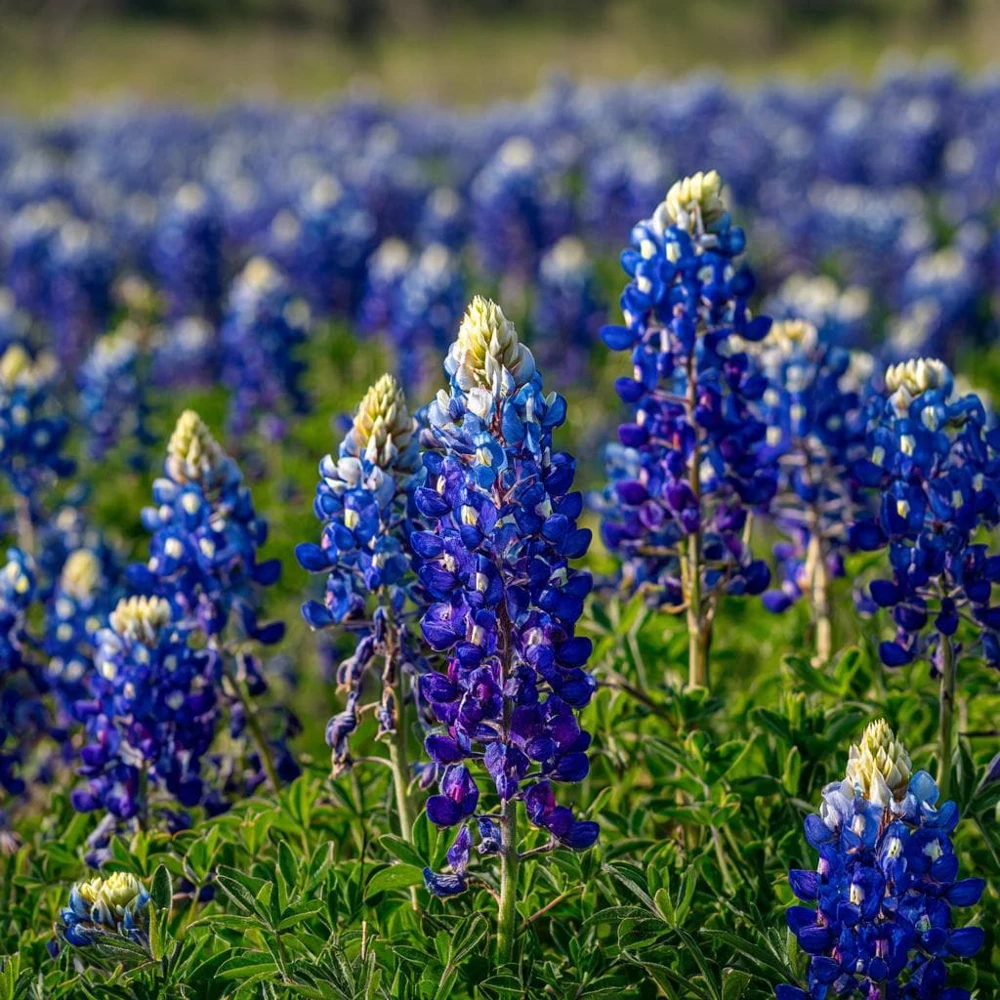
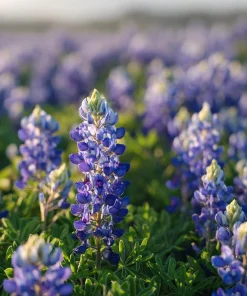
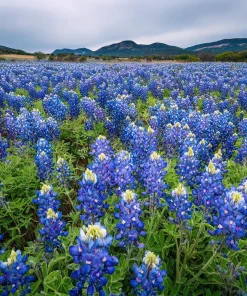
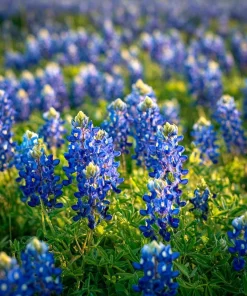
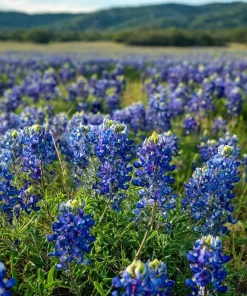
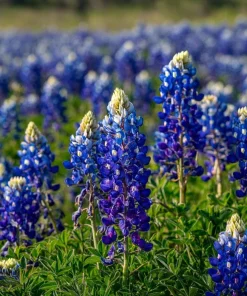
Texas Bluebonnet Seeds – 50 Lupinus texensis Seeds for Blue Wildflowers
Original price was: $33.99.$13.99Current price is: $13.99.
Cultivate the iconic beauty of Texas with our Texas Bluebonnet seeds. Each packet contains 50 Lupinus texensis seeds, perfect for creating stunning blue spring displays in your garden or meadow. These native wildflower seeds are easy to grow and pollinator friendly seeds, attracting bees and butterflies.
Estimated arrival
Oct 14
Oct 19 - Oct 21
Oct 24 - Oct 28
Shop With Confidence
30-Day Plant Health Guarantee
Arrives damaged? We’ll replace it free — see our return policy.
Responsive Support
Email us anytime, we reply within 1 business day.
Expert Packaging
Temperature-controlled shipping to protect your plants in transit.
Secure Checkout
Pay safely with Visa, Mastercard, PayPal.
Plant Specifications
-
USDA Hardiness Zone
USDA zones 7-10 (as annuals/self-seeding) -
Soil Type
Well-draining, moderately fertile soil -
Sunlight Exposure
Full sun -
Expected Planting Period
Fall or early spring
Overview
Experience the captivating charm of the Lone Star State right in your own garden with our premium Texas Bluebonnet seeds. This offering provides 50 high-quality Lupinus texensis seeds, allowing you to cultivate the iconic wildflower of Texas, cherished for its vibrant blue spikes and charming white tips. Known scientifically as Lupinus texensis, the Texas Bluebonnet is a hardy annual native that thrives in sunny, well-drained gardens and natural landscapes, providing stunning spring displays. These beautiful flowers are not only a visual delight but also play a crucial role in supporting local ecosystems, making them an excellent choice for any gardener looking to add both beauty and ecological value to their outdoor space. Whether you’re creating a dedicated wildflower meadow, enhancing borders, or adding a touch of natural elegance to container displays, these seeds offer an accessible way to grow this beloved native.
Our Texas Bluebonnet seeds are sourced to ensure robust growth and prolific flowering, allowing you to enjoy the classic Texan beauty in your garden. The ease of cultivation, combined with their drought-tolerant nature once established, makes them a low-maintenance yet high-impact addition. They are perfect for gardeners of all experience levels, from beginners to seasoned enthusiasts, who wish to bring a piece of the Texan landscape to their home. Plant these seeds and watch your garden transform into a sea of brilliant blue.
Key Benefits
Incorporating Lupinus texensis seeds into your garden design brings a multitude of advantages, enhancing both aesthetic appeal and ecological health. These benefits make them a highly desirable choice for various gardening projects.
- Iconic Beauty: Grow the official state flower of Texas, known for its striking blue and white blooms that create a breathtaking visual spectacle. These vibrant flowers are a true garden highlight each spring.
- Pollinator Friendly: Bluebonnets are highly attractive to bees and butterflies, making them an essential addition to any pollinator friendly seeds garden or wildlife habitat. They support local biodiversity and contribute to a healthy ecosystem.
- Native Wildflower: As native wildflower seeds, they are well-adapted to regional conditions, requiring less intervention and thriving naturally once established. This resilience makes them a sustainable choice for your landscape.
- Drought Tolerant: Once established, Texas Bluebonnets are remarkably drought-tolerant, requiring minimal watering. This makes them ideal for xeriscaping or gardens in arid and semi-arid regions, conserving water resources.
- Easy to Grow: These seeds are straightforward to sow and care for, making them suitable for gardeners of all skill levels. With basic instructions, you can successfully cultivate a vibrant display of bluebonnets.
- Versatile Landscaping: Perfect for meadows, naturalized areas, borders, rock gardens, and even container plantings. Their adaptability allows for diverse uses in various garden settings.
- Natural Reseeding: Allow spent blooms to go to seed, and your bluebonnets will naturally reseed, ensuring a continuous display year after year without the need for replanting.
Plant Care & Growing Tips
Growing Texas Bluebonnet seeds successfully involves understanding their specific needs, though they are generally quite forgiving. To achieve the best results, sow seeds directly outdoors in fall or early spring. Fall planting allows for natural stratification over winter, which can improve germination rates. Before planting, it’s beneficial to scarify the seeds lightly or soak them in water for 24 hours. This process helps to break down the hard seed coat, aiding in water absorption and promoting quicker germination. Sow seeds approximately 1/4 inch deep in well-drained soil. Keep the soil lightly moist until germination, which typically occurs within 14–21 days.
Once seedlings emerge, thin them to 6–12 inches apart. This spacing is crucial for ensuring adequate airflow and allowing each plant to develop fully and produce abundant flowers. Texas Bluebonnets prefer full sun exposure, meaning at least 6-8 hours of direct sunlight per day, and thrive in moderately fertile, well-drained soil. Avoid heavy, clayey soils that retain too much moisture. Water sparingly once the plants are established, as they are highly drought-tolerant. Overwatering is a common mistake and can lead to root rot. Deadhead spent blooms if you wish to encourage a prolonged flowering period, or simply allow them to go to seed for natural reseeding in subsequent seasons. Following this bluebonnet planting guide will set you up for a spectacular spring display.
Size & Details
This product includes 50 Lupinus texensis seeds, providing a generous quantity to establish a significant patch of these beautiful wildflowers. Each seed has the potential to grow into a robust plant, typically reaching heights of 12 to 24 inches (30-60 cm) and spreading about 6 to 12 inches (15-30 cm) wide. The plants exhibit an upright growth habit, forming dense clusters of blue flowers. While bluebonnets are annuals, they readily self-seed, creating a continuous cycle of blooms if conditions are favorable. The seeds are packaged to ensure viability and are ready for planting upon arrival. Expect a moderate growth rate, with blooms typically appearing in early to mid-spring, depending on planting time and local climate conditions. These native wildflower seeds are a perfect choice for gardeners seeking both beauty and ease of cultivation.
Frequently Asked Questions
- Q: How big do these Texas Bluebonnet plants get? A: Texas Bluebonnet seeds typically grow into plants that reach heights of 12 to 24 inches (30-60 cm) and spread 6 to 12 inches (15-30 cm) wide, forming a beautiful upright clump of flowers.
- Q: Is this an indoor or outdoor plant? A: Texas Bluebonnets are primarily an outdoor plant. They thrive in full sun and are best suited for gardens, meadows, and naturalized areas, though they can be grown in large outdoor containers.
- Q: How much sunlight do these Lupinus texensis seeds need? A: These plants require full sun, meaning at least 6-8 hours of direct sunlight per day, to produce the most vibrant and abundant blooms.
- Q: Are these plants easy to care for? A: Yes, once established, Texas Bluebonnets are considered easy to care for. They are very drought-tolerant and require minimal watering, making them a low-maintenance option for gardeners.
- Q: What condition will the seeds arrive in? A: The Texas Bluebonnet seeds will arrive as dry, viable seeds, carefully packaged to ensure their quality and readiness for planting according to the bluebonnet planting guide.
- Q: When is the best time to plant Texas Bluebonnet seeds? A: The best time to plant Lupinus texensis seeds is in the fall or early spring. Fall planting often yields the best results as it allows for natural cold stratification.
- Q: Will Texas Bluebonnets survive winter in my zone? A: Texas Bluebonnets are annuals. However, they are cold hardy and their seeds can survive winter to germinate in spring, especially in USDA zones 7-10. They will naturally reseed for future seasons.
- Q: What type of soil do these native wildflower seeds prefer? A: They prefer well-drained, moderately fertile soil. Avoid heavy clay soils that retain too much moisture, as this can lead to issues.
- Q: Are these pollinator friendly seeds? A: Absolutely! Texas Bluebonnets are highly attractive to various pollinators, including bees and butterflies, making them an excellent choice for supporting local wildlife.
- Q: Can I grow them in containers? A: Yes, you can grow Texas Bluebonnets in containers, provided the containers are large enough to accommodate their root system and have excellent drainage.
Be the first to review “Texas Bluebonnet Seeds – 50 Lupinus texensis Seeds for Blue Wildflowers”
People Also Viewed

Flower Seeds
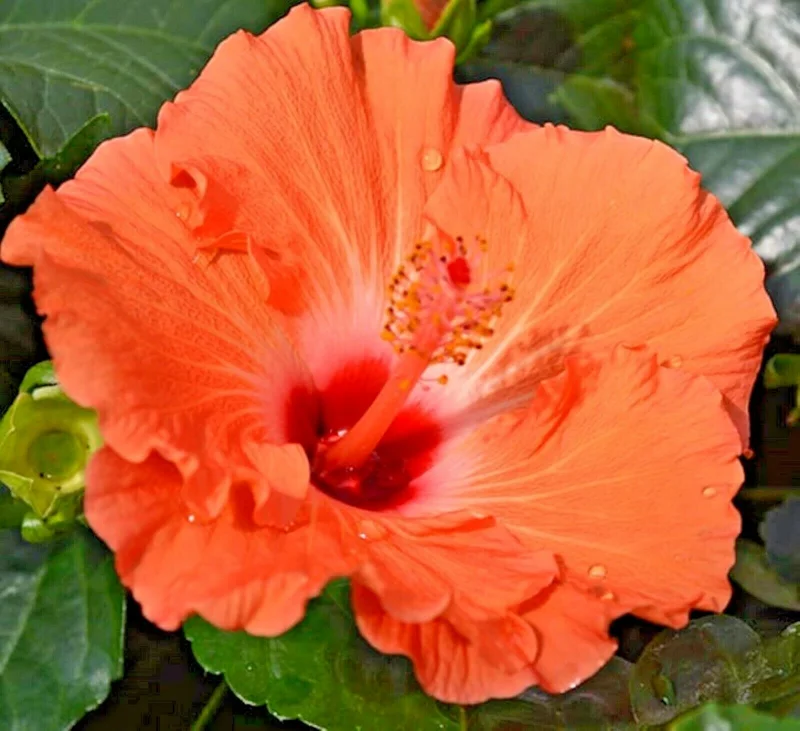
Madagascar Hibiscus Moscheutos Seeds – Rose of Sharon Starter Seeds – Pink Flowers – Indoor/Outdoor
Shrubs
Double Play Gold Spiraea Live Plant – Golden Foliage, Pink Flowers, Outdoor Shrub, 4 inch Pot
Reviews
There are no reviews yet.