

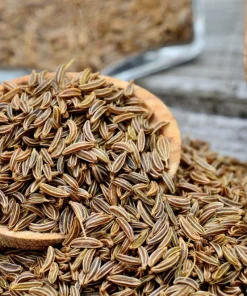
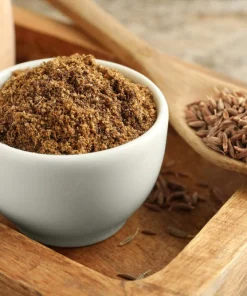
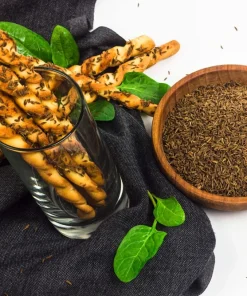

Caraway Seeds – 400 Count – Carum Carvi Herb Flower Seeds for Culinary & Garden
Original price was: $37.99.$17.99Current price is: $17.99.
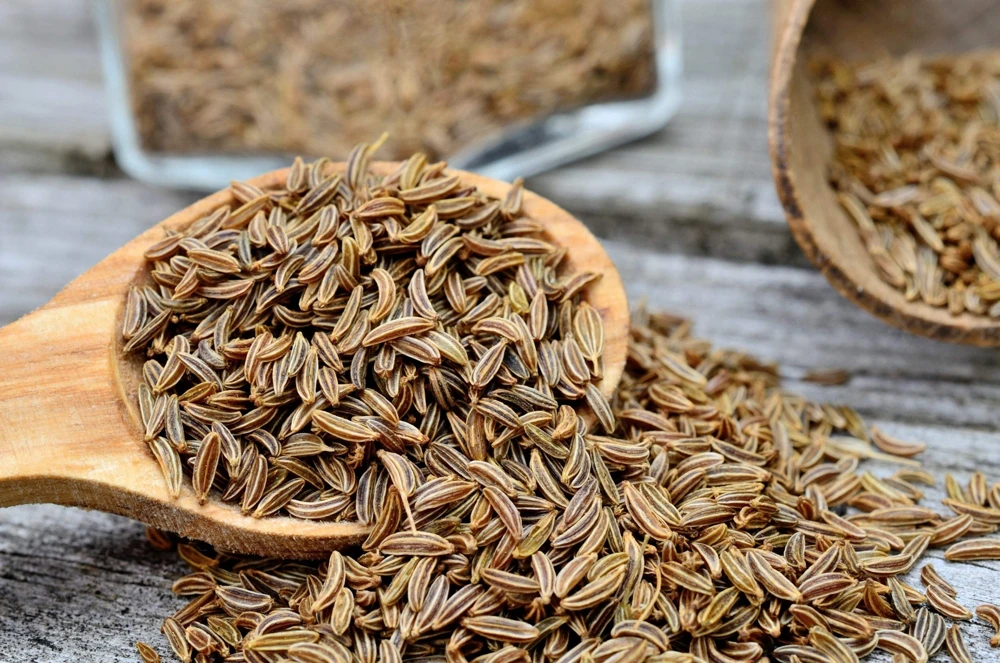
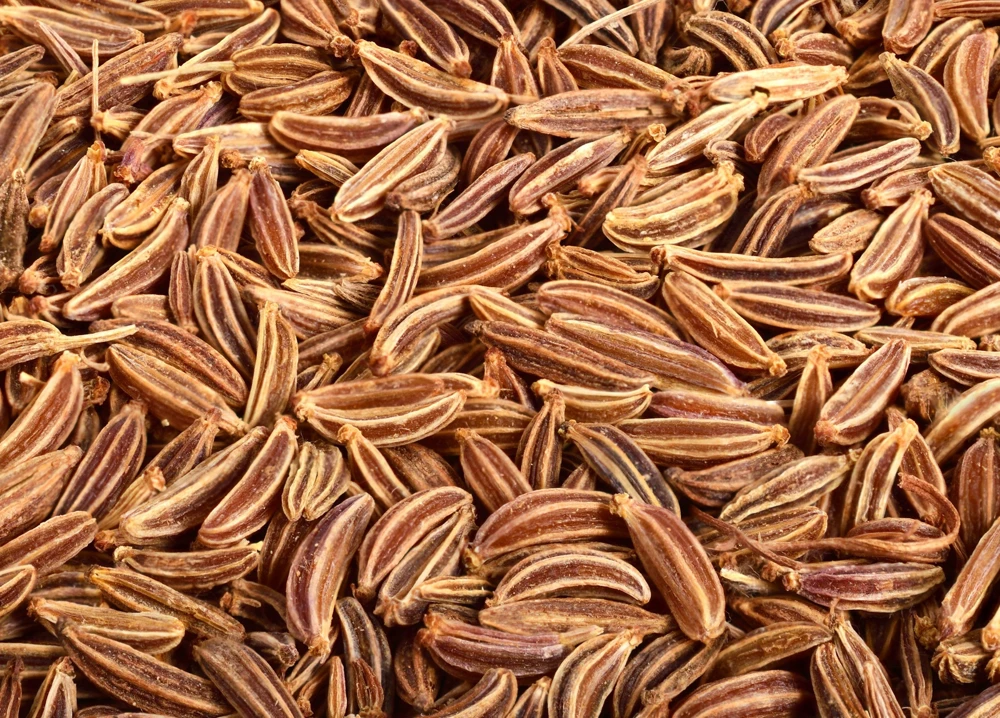
Cultivate your own aromatic and versatile caraway seeds with this generous 400-count packet of Carum carvi seeds. Ideal for adding a distinctive flavor to your cooking and baking, these herb seeds are easy to grow and thrive in a variety of garden settings. Perfect for gardeners looking to expand their culinary herb collection.
Estimated arrival
Sep 17
Sep 22 - Sep 24
Sep 27 - Oct 01
Shop With Confidence
30-Day Plant Health Guarantee
Arrives damaged? We’ll replace it free — see our return policy.
Responsive Support
Email us anytime, we reply within 1 business day.
Expert Packaging
Temperature-controlled shipping to protect your plants in transit.
Secure Checkout
Pay safely with Visa, Mastercard, PayPal.
Plant Specifications
-
USDA Hardiness Zone
USDA Zones 3-10 -
Soil Type
Well-draining, moderately fertile soil -
Sunlight Exposure
Full sun -
Expected Planting Period
Early spring or late summer
Overview
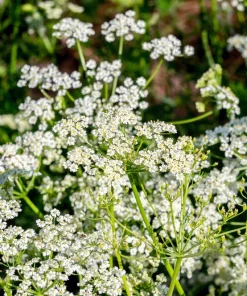
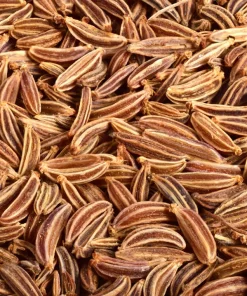
Embark on a rewarding gardening journey with our premium caraway seeds. This packet contains 400 high-quality Carum carvi seeds, offering an abundant supply for your herb garden. Caraway, scientifically known as Carum carvi, is a biennial herb celebrated for its distinctive, aromatic seeds, which are a staple in many culinary traditions. These seeds are not just for cooking; the plant itself produces delicate white flowers that can add a touch of natural beauty to your garden. Growing your own caraway herb from seed is an economical and satisfying way to ensure a fresh supply of this beloved spice. Whether you’re a seasoned gardener or just starting out, these seeds provide an excellent opportunity to cultivate a versatile and beneficial plant.
Our caraway seeds are selected for their viability and robust growth potential, ensuring you have the best start for a successful harvest. Caraway plants are relatively low-maintenance once established, making them a fantastic choice for busy gardeners or those new to growing herbs. Beyond its culinary uses, the caraway plant has a rich history in traditional medicine, valued for its digestive properties. Adding these seeds to your garden means you’re not just planting an herb; you’re cultivating a piece of culinary and historical heritage.
Key Benefits
Growing caraway seeds in your garden offers a multitude of advantages, from enhancing your culinary endeavors to providing a visually appealing and low-maintenance plant. Here are some of the key benefits you can expect:
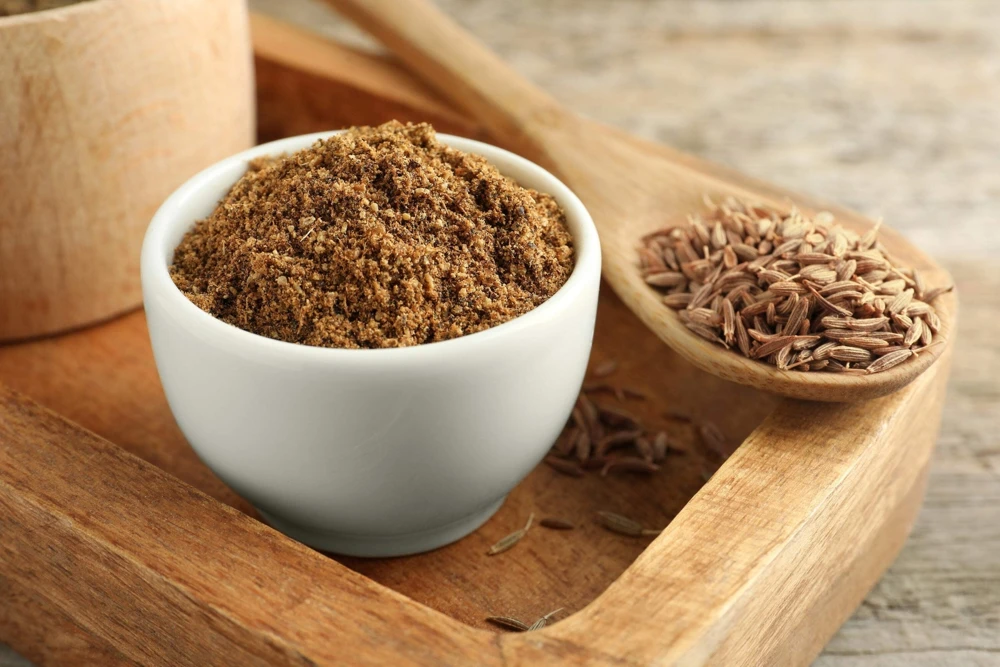
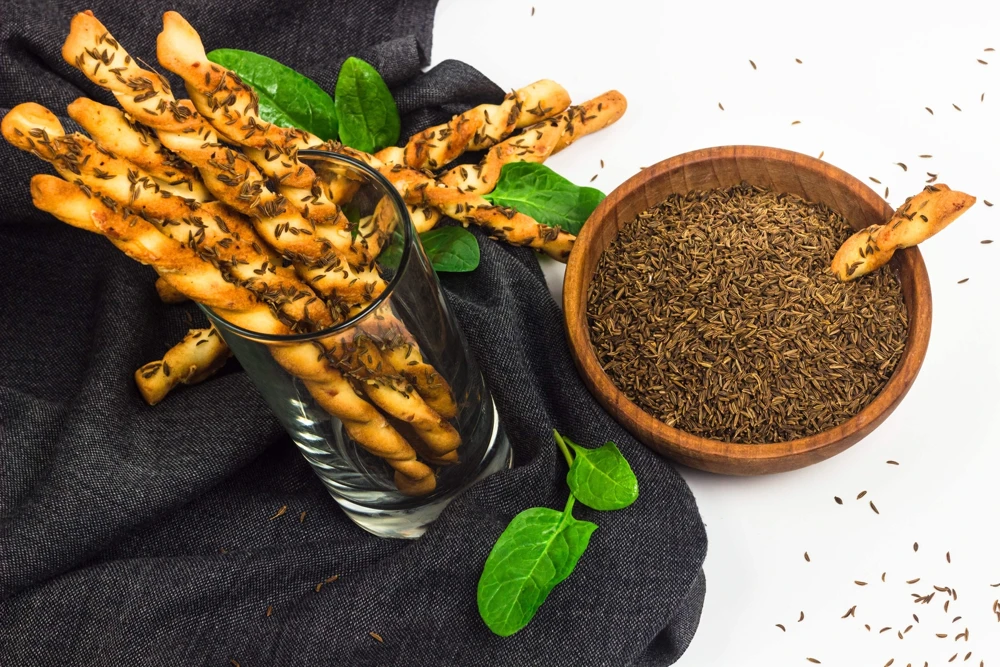
- Culinary Versatility: The primary benefit of growing caraway seeds is their incredible versatility in the kitchen. They are essential for rye bread, sauerkraut, cheeses, and various savory dishes. Having a fresh supply means you can elevate your cooking with their unique, slightly sweet, and peppery flavor.
- Easy to Grow: Caraway is a relatively hardy and undemanding herb. Once established, it requires minimal intervention, making it suitable for gardeners of all experience levels. It tolerates various soil types and conditions, simplifying the growing process.
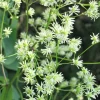
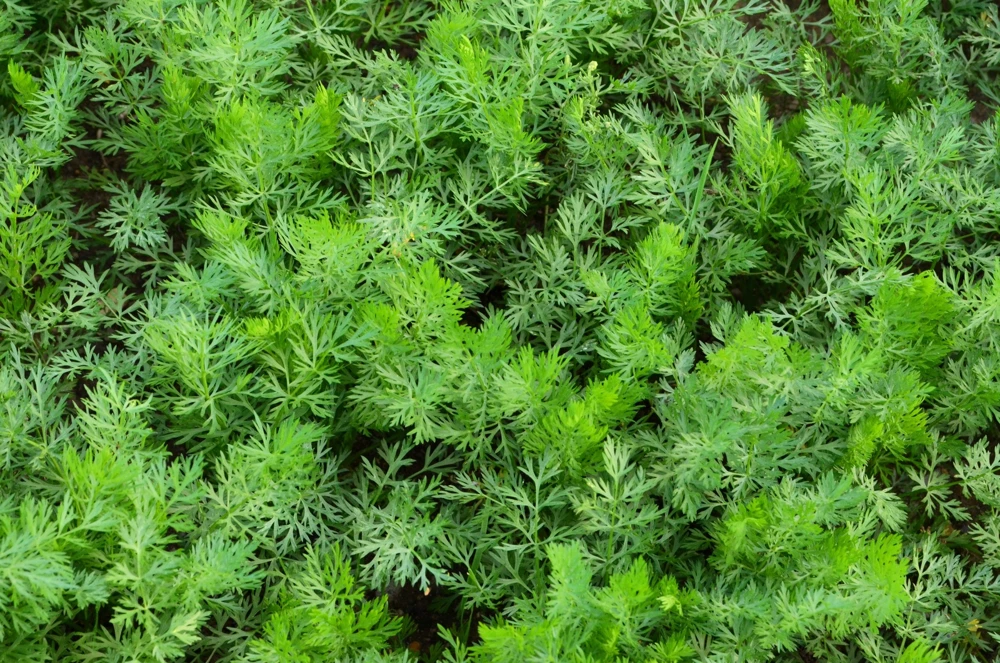
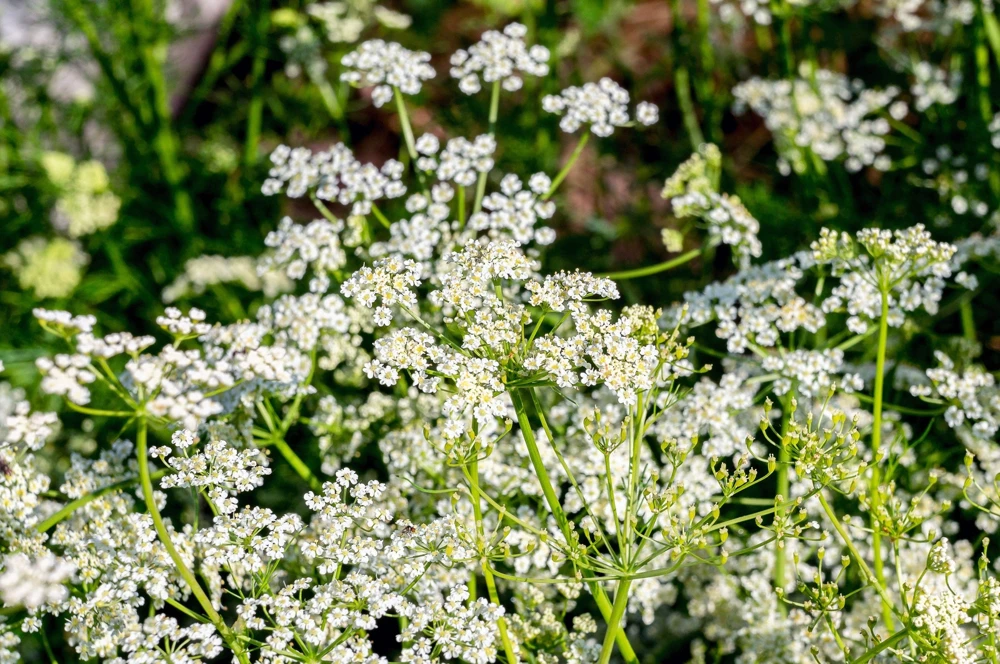
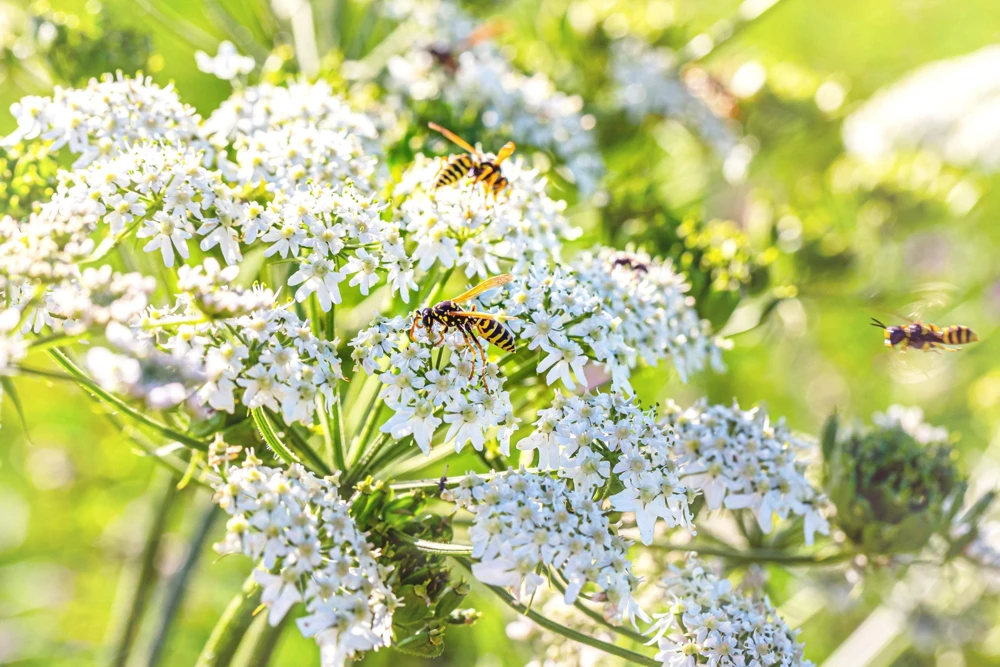
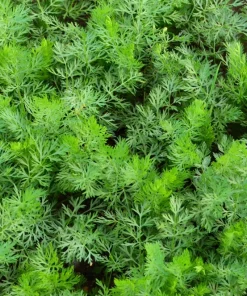
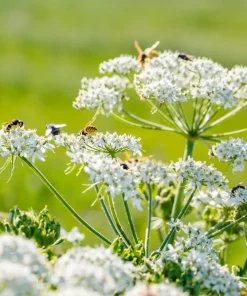
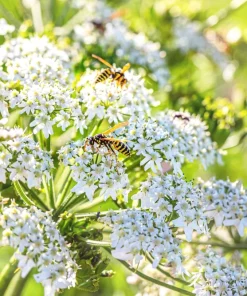
- Attractive Garden Addition: While primarily grown for its seeds, the caraway plant itself is quite attractive. Its feathery foliage and delicate white flower clusters can add texture and visual interest to herb beds, cottage gardens, or even mixed perennial borders.
- Traditional Medicinal Uses: Historically, caraway has been used for its digestive properties. The seeds are often consumed to help alleviate indigestion, bloating, and gas. Growing your own allows you to explore these traditional benefits.
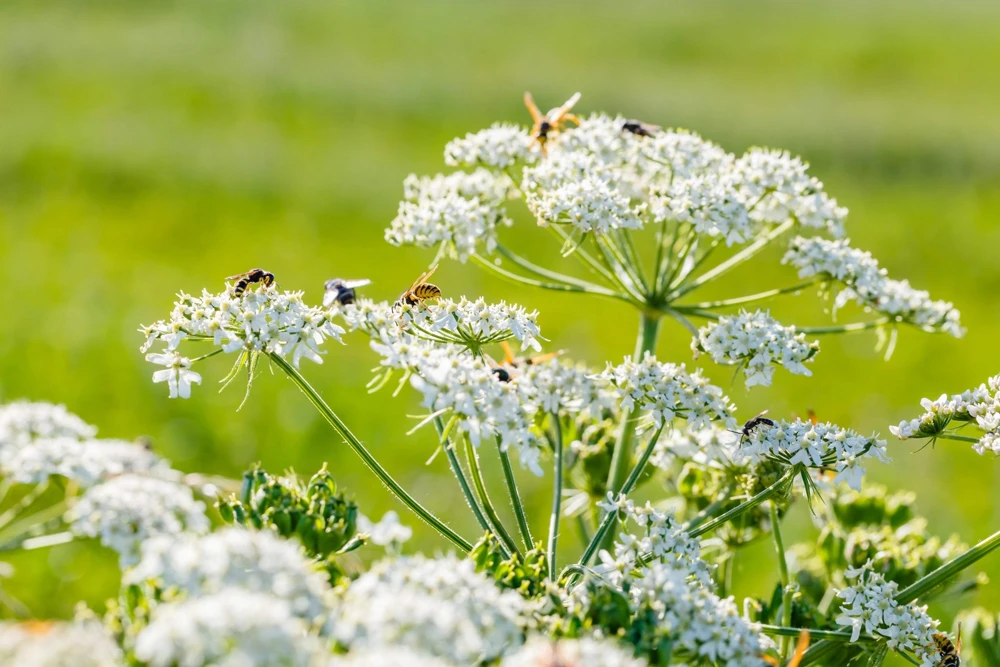
- Pollinator Friendly: The small, umbrella-like flower clusters of caraway are attractive to beneficial insects, including bees and other pollinators. Incorporating caraway into your garden can help support local pollinator populations and enhance the health of your garden ecosystem.
- Cost-Effective Spice: Buying caraway seeds regularly can add up. Growing your own provides a continuous and cost-effective source of this valuable spice, allowing you to enjoy its flavor without the recurring expense.
Plant Care & Growing Tips
Successfully growing caraway seeds begins with proper planting and attentive care. Caraway (Carum carvi) is a biennial plant, meaning it completes its life cycle over two years. In the first year, it develops foliage, and in the second year, it flowers, produces seeds, and then dies. Understanding this cycle is crucial for harvesting the best caraway herb.
For optimal growth, plant your caraway seeds in a location that receives full sun, meaning at least 6-8 hours of direct sunlight per day. While caraway can tolerate partial shade, full sun encourages stronger growth and more abundant seed production. The soil should be well-draining, moderately fertile, and have a pH between 6.0 and 7.0. Heavy clay soils should be amended with organic matter like compost to improve drainage and aeration. Sow seeds directly outdoors in early spring or late summer. Plant them about 1/4 inch deep and 6-8 inches apart in rows, with rows spaced 18-24 inches apart. Keep the soil consistently moist until germination, which typically occurs within 2-3 weeks.
Once established, caraway plants are relatively drought-tolerant but will benefit from regular watering during prolonged dry spells, especially during their flowering and seed-setting period in the second year. Avoid overwatering, as this can lead to root rot. Fertilization is generally not heavily required; a light application of a balanced organic fertilizer in the spring of the second year can boost seed production. Pests are usually not a major issue for caraway, but occasionally aphids or carrot rust flies might appear. Good garden hygiene and encouraging beneficial insects can help manage these. The plants are hardy and generally tolerate cooler temperatures, making them suitable for many temperate climates. Knowing how to grow caraway successfully will reward you with a continuous supply of this fragrant spice.
Size & Details
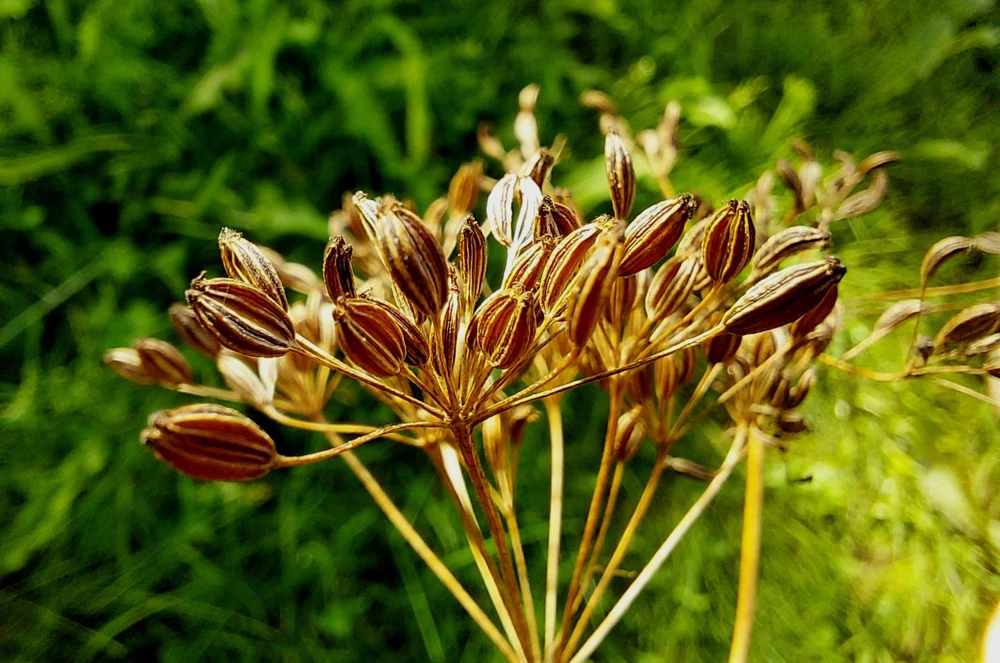
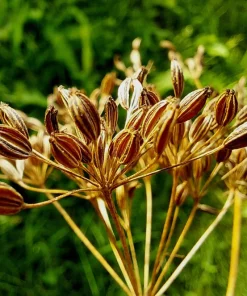
This packet contains approximately 400 caraway seeds (Carum carvi), providing ample opportunity to establish a thriving patch of this versatile herb. Caraway plants typically grow to an average height of 18 to 24 inches (45-60 cm) with a spread of about 12 inches (30 cm) at maturity during their second year. The delicate white flower clusters, which are the precursor to the prized seeds, emerge in late spring to early summer of the plant’s second year. The seeds are ready for harvest when the flower heads turn brown and the seeds begin to fall off easily. These seeds are shipped in a protective packet, ensuring their viability upon arrival.
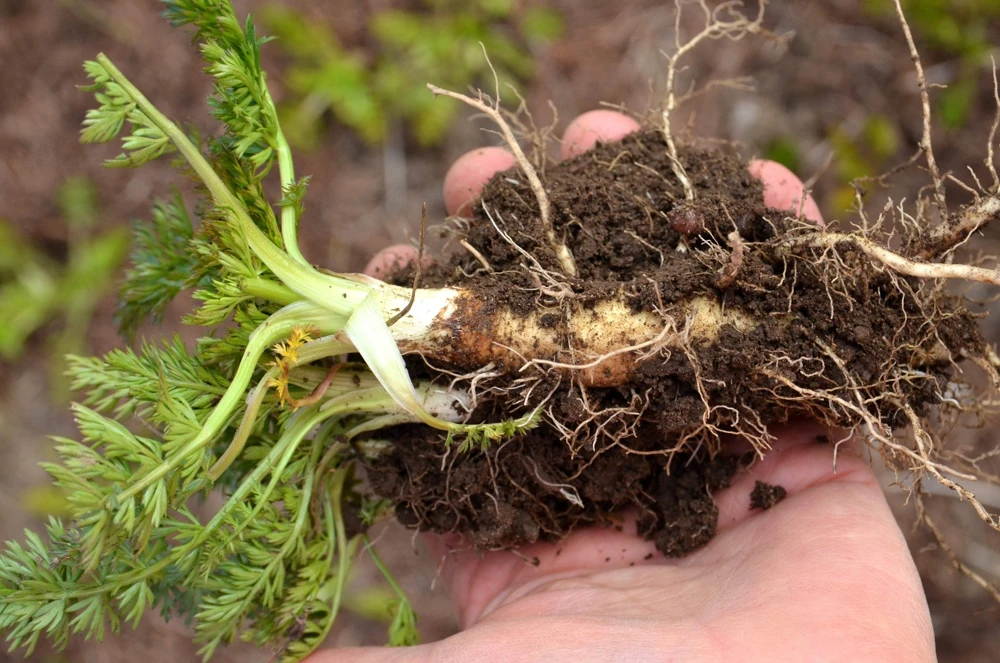
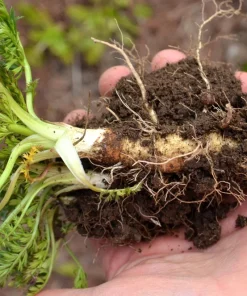
Caraway is a biennial plant, meaning it will establish foliage in its first year and then flower and produce seeds in its second year before completing its life cycle. This generous count of caraway seeds allows for multiple plantings or a larger cultivation area, ensuring you can enjoy fresh caraway for an extended period. The plants have a moderate growth rate and are best planted directly in the garden rather than started indoors and transplanted, as they can be sensitive to root disturbance. You can expect to harvest your first batch of culinary seeds in the second growing season.
Frequently Asked Questions
- Q: How many caraway seeds are included in this packet? A: This packet contains approximately 400 caraway seeds, providing a generous quantity for your gardening needs. This allows for a substantial planting or succession planting over time.
- Q: Is caraway an annual or perennial plant? A: Caraway (Carum carvi) is a biennial plant. It grows foliage in its first year and then flowers, produces seeds, and dies in its second year. This life cycle is important to consider when planning your garden.
- Q: What are the best conditions to grow caraway? A: Caraway thrives in full sun (at least 6-8 hours of direct sunlight daily) and well-draining, moderately fertile soil with a neutral pH. Consistent moisture during germination and flowering is beneficial.
- Q: When is the best time to plant caraway seeds? A: The ideal times to plant caraway seeds directly outdoors are in early spring after the last frost or in late summer for plants to establish before winter, producing seeds the following year.
- Q: What are the main uses for the caraway herb? A: The primary use for the caraway herb is its seeds, which are a popular spice in baking (especially rye bread), cooking savory dishes, and making liqueurs. The leaves can also be used in salads when young.
- Q: How long does it take for caraway seeds to germinate? A: Caraway seeds typically germinate within 2 to 3 weeks, provided they have consistent moisture and suitable soil temperatures. Patience is key during this initial stage.
- Q: Can I grow caraway in containers? A: Yes, caraway can be grown in containers, especially if you choose larger pots (at least 8-10 inches deep) to accommodate its taproot. Ensure good drainage and regular watering.
- Q: How do I harvest caraway seeds? A: Harvest caraway seeds in the second year when the flower heads turn brown and the seeds begin to fall off easily. Cut the entire stalk and hang it upside down in a paper bag to catch the falling seeds.
- Q: Is caraway pest-resistant? A: Caraway is generally robust and not heavily plagued by pests. Occasionally, aphids or carrot rust flies might affect plants, but good garden practices usually keep them at bay.
- Q: What is the USDA Hardiness Zone for caraway? A: Caraway is typically hardy in USDA Zones 3-10, making it suitable for a wide range of climates. This hardiness contributes to its ease of cultivation for those who want to grow caraway.
Be the first to review “Caraway Seeds – 400 Count – Carum Carvi Herb Flower Seeds for Culinary & Garden”
People Also Viewed
Flower Plants
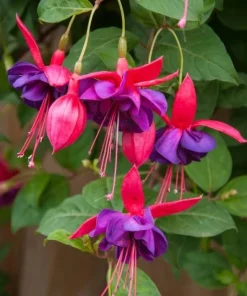
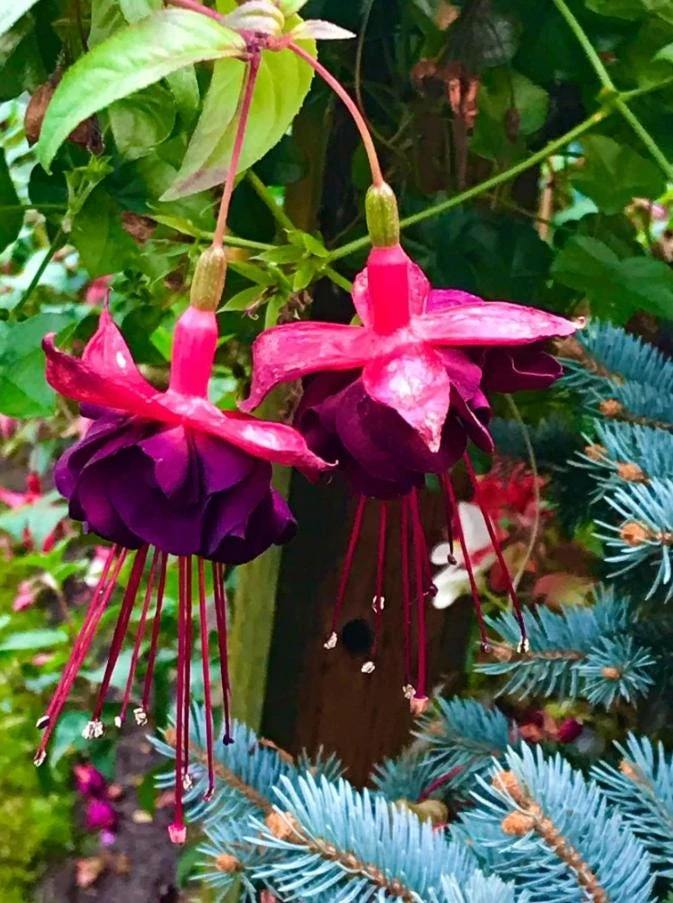
Voodoo Fuchsia Live Plant – Exotic Flowering Ornamental – 6″ Pot – Shade-Loving Hanging Basket

Flower Seeds
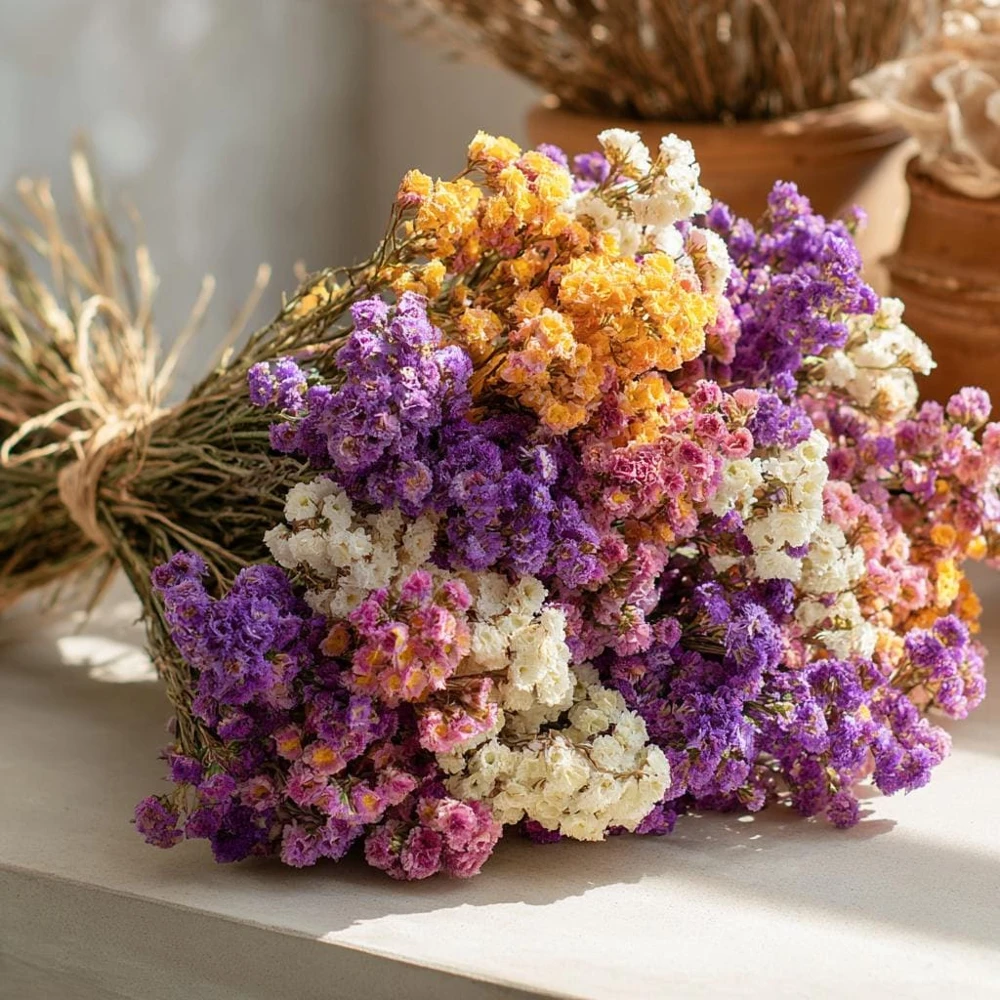
Colorful Statice Seeds Mix – Limonium Sinuatum – 50 Seed Pack for Fresh & Dried Bouquets
Uncategorized
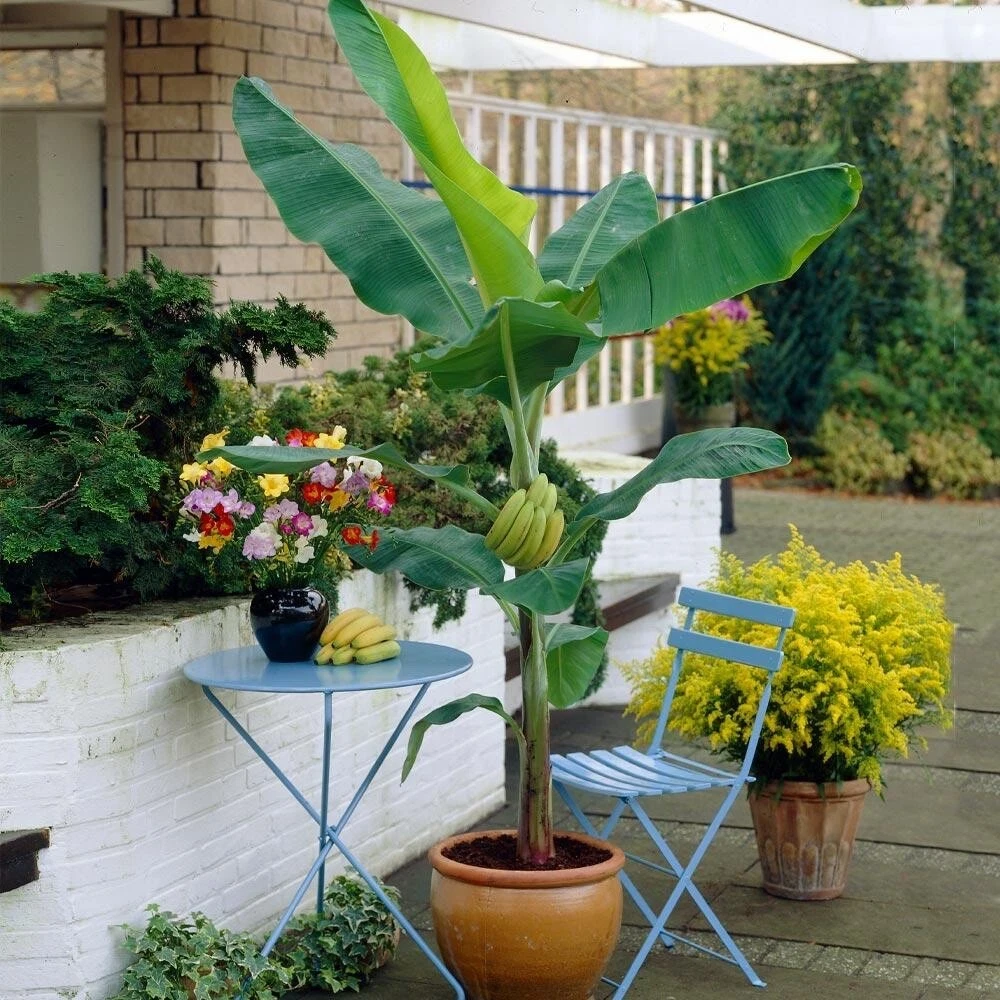
Organic Banana Gran Nain Musa Live Starter Plant Ships in Pot, Banana Tree, Tropical Fruit Plant
Reviews
There are no reviews yet.