


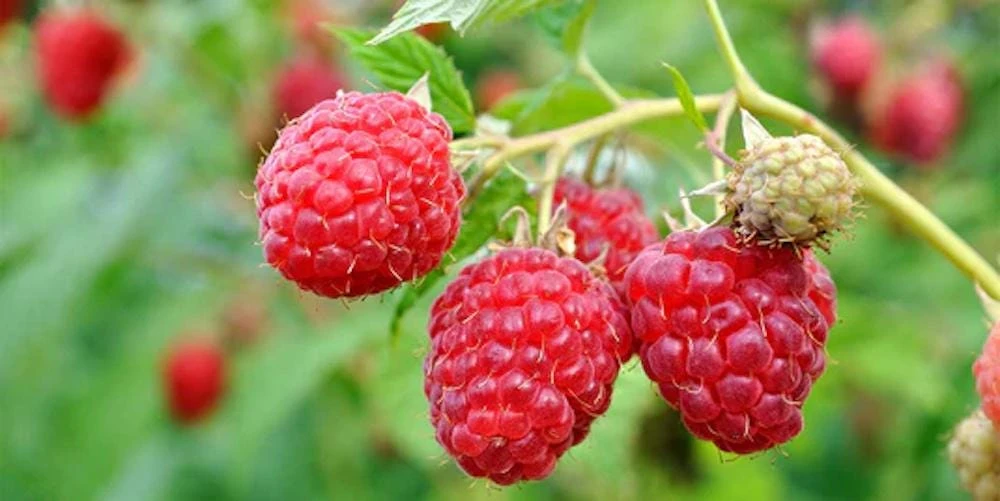
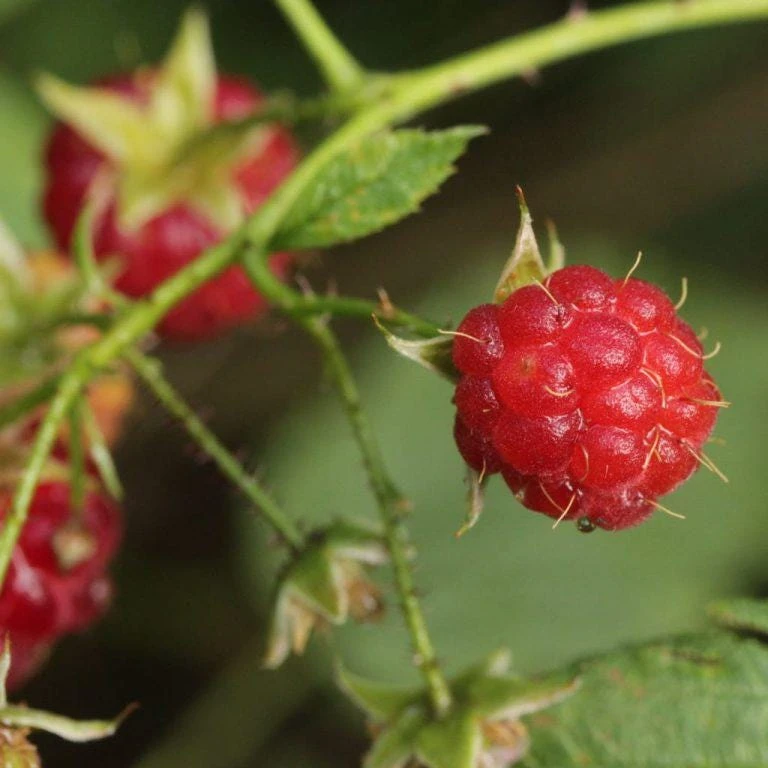
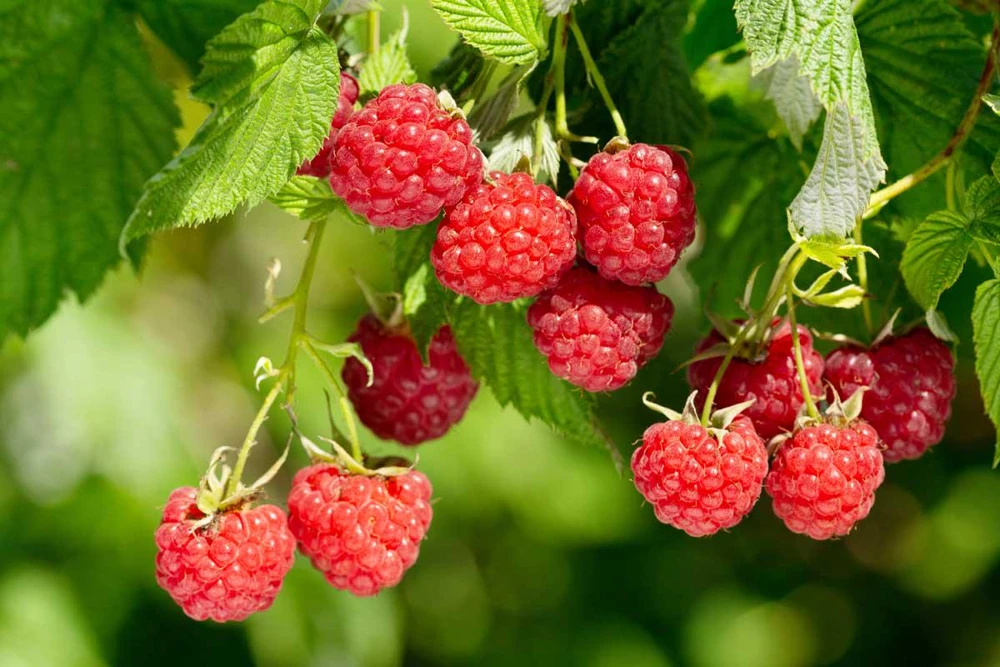
September Red Raspberry Live Plant – Everbearing, Cold-Hardy, Zones 4-8
Original price was: $69.99.$44.99Current price is: $44.99.
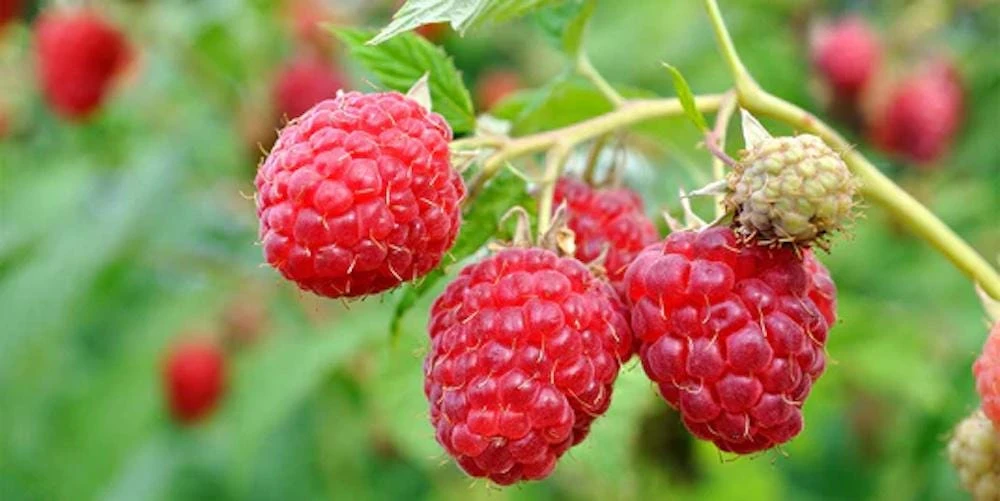
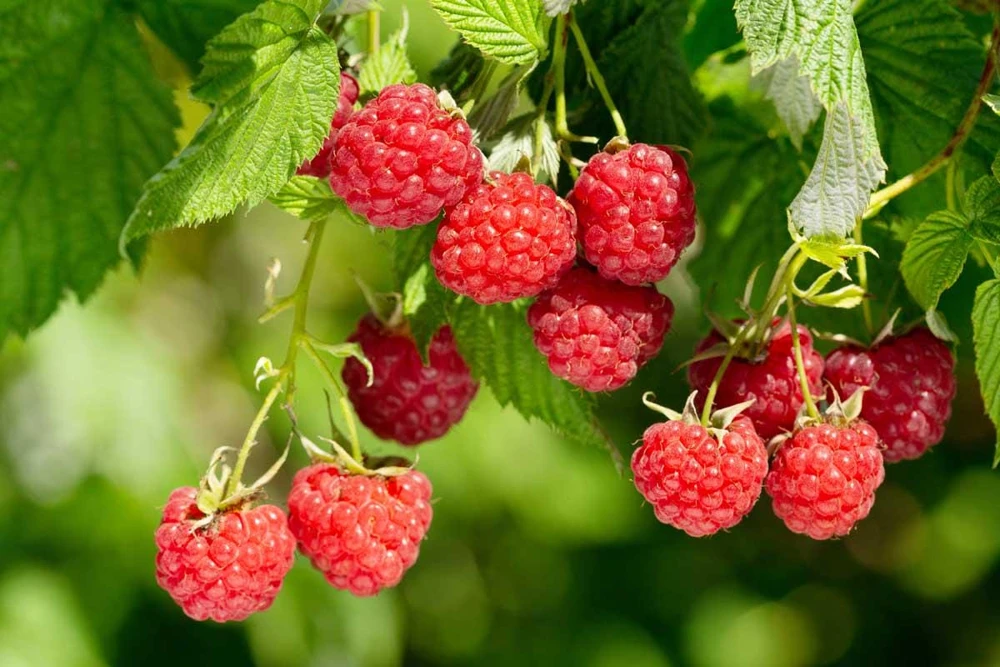
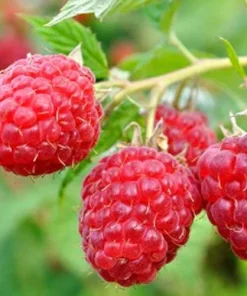
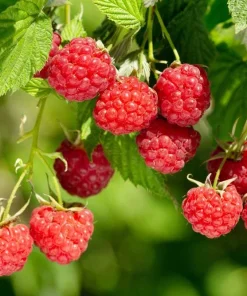
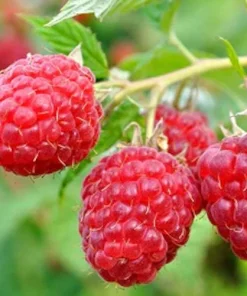
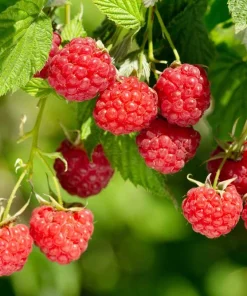
Cultivate your own fruitful garden with the September Red raspberry live plant. This robust, everbearing raspberry care variety delivers two bountiful harvests annually, providing sweet, succulent berries from summer through fall. Known for its exceptional cold-hardiness, it’s an ideal choice for many climates.
Estimated arrival
Sep 29
Oct 04 - Oct 06
Oct 09 - Oct 13
Shop With Confidence
30-Day Plant Health Guarantee
Arrives damaged? We’ll replace it free — see our return policy.
Responsive Support
Email us anytime, we reply within 1 business day.
Expert Packaging
Temperature-controlled shipping to protect your plants in transit.
Secure Checkout
Pay safely with Visa, Mastercard, PayPal.
Plant Specifications
-
USDA Hardiness Zone
USDA zones 4-8 -
Soil Type
Well-draining, slightly acidic to neutral (pH 6.0-6.8), rich in organic matter -
Sunlight Exposure
Full sun (6-8+ hours daily) -
Expected Planting Period
Early spring
Overview
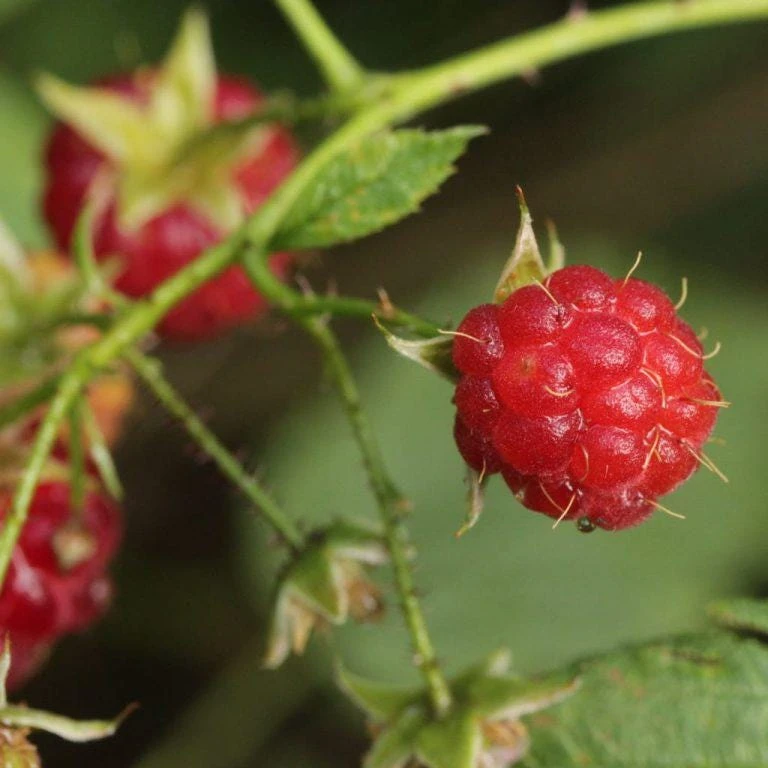
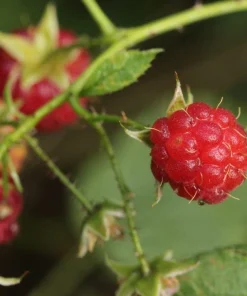
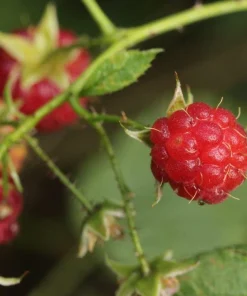
Bring the joy of fresh, homegrown berries to your garden with the September Red raspberry live plant. This remarkable variety of Rubus idaeus, commonly known as the September Red raspberry, is celebrated for its everbearing nature, offering a prolonged harvest season. Unlike many other raspberry types, the September Red raspberry live plant produces two distinct crops each year: a lighter yield in early summer (around July) and a significantly heavier, more abundant harvest from late summer through October. This makes it a highly desirable choice for gardeners seeking a continuous supply of delicious fruit. Its vigorous growth and adaptability ensure a rewarding experience for both novice and experienced growers, providing a continuous source of fresh raspberries for snacking, baking, or preserving.
Originating from a lineage known for resilience, the September Red raspberry is a self-pollinating variety, meaning you only need one plant to start enjoying its bounty. It’s particularly noted for its exceptional cold-hardiness, thriving in a wide range of climates and making it a popular choice for northern regions. Gardeners often seek out the September Red raspberry live plant for its reliable performance and the superior flavor of its berries. This plant transforms any garden space into a productive berry patch, inviting wildlife and providing a beautiful, edible landscape feature.
Key Benefits
Choosing the September Red raspberry for your garden offers a multitude of advantages, making it a standout selection among berry plants. Its unique characteristics contribute to both ease of cultivation and generous yields.
- Extended Harvest Season: Enjoy two distinct crops of delicious raspberries each year. A lighter early summer harvest is followed by a heavy, continuous yield from late summer through fall, ensuring a prolonged supply of fresh fruit.
- Exceptional Cold-Hardiness: This variety is remarkably cold-tolerant, thriving in USDA hardiness zones 4 through 8. This makes it a reliable choice for gardeners in cooler climates where other raspberry types might struggle, ensuring successful growth and abundant fruiting.
- Self-Pollinating: The September Red raspberry live plant is self-fertile, so you only need one plant to produce fruit. This simplifies planting and ensures a successful harvest without the need for multiple plants or specific pollinators.
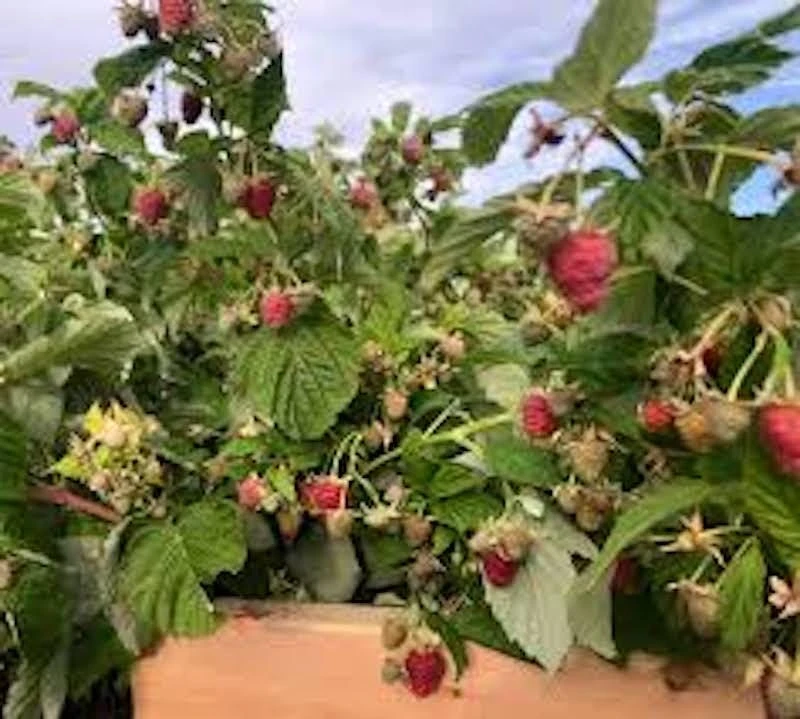
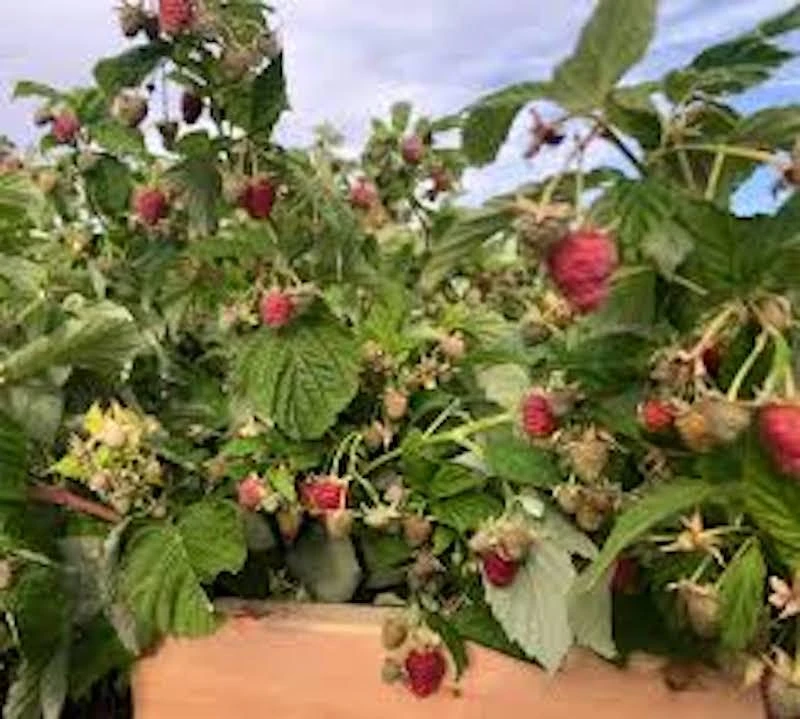
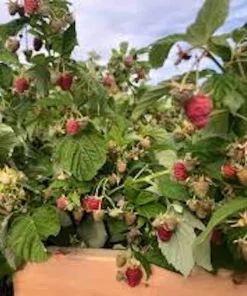
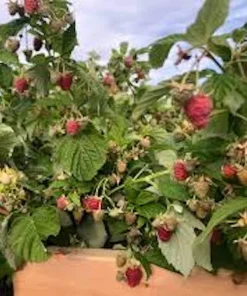
- Vigorous & Bushy Growth: Expect an upright, bushy, and vigorous shrub that typically reaches 3 to 5 feet tall and 3 to 5 feet wide. Its robust growth habit makes it a striking addition to any garden, providing both aesthetic appeal and a productive yield.
- Delicious & Versatile Berries: The berries are sweet, juicy, and perfect for fresh eating, jams, jellies, pies, or freezing. Having a continuous supply of these flavorful berries enhances culinary possibilities throughout the seasons.
- Low Maintenance: Once established, the everbearing raspberry care for this plant is relatively straightforward. With proper planting and initial care, it becomes a resilient and productive member of your garden with minimal ongoing effort.
- Attracts Pollinators: The flowers of the September Red raspberry attract beneficial pollinators like bees, contributing to a healthier garden ecosystem and improving overall fruit set.
Plant Care & Growing Tips
Successful cultivation of the September Red raspberry live plant hinges on providing the right conditions and consistent care. These plants are relatively forgiving, but optimal growth and fruit production come with attention to their specific needs. They prefer a location that receives full sun, meaning at least 6-8 hours of direct sunlight per day. Adequate sunlight is crucial for fruit development and overall plant health. While they are cold-hardy, protecting them from harsh winter winds can be beneficial in the colder ends of their hardiness range (USDA zones 4-8).
The ideal soil for everbearing raspberry care is well-draining, slightly acidic to neutral (pH 6.0-6.8), and rich in organic matter. Before planting, amend heavy clay soils with compost or peat moss to improve drainage, and sandy soils to enhance water retention. Raspberries require consistent moisture, especially during flowering and fruiting periods. Water deeply and regularly, aiming for about 1 inch of water per week, either from rainfall or irrigation. Avoid overhead watering if possible to reduce the risk of fungal diseases. Fertilize in early spring with a balanced slow-release fertilizer or an organic compost to support vigorous growth and abundant fruit production. Pruning is essential for managing growth and maximizing yields. For everbearing varieties like the September Red, prune in late winter or early spring by removing all canes that fruited the previous fall. New canes will emerge to produce the summer crop, and then the fall crop on their tips.
Watch out for common pests like aphids and spider mites, which can be managed with insecticidal soaps or neem oil. Fungal issues like powdery mildew can often be prevented with good air circulation and proper watering techniques. Ensure good air circulation by spacing plants appropriately and pruning away dense growth. Regular inspection of your Rubus idaeus September Red plants will help catch problems early. With these consistent care practices, your raspberry plants will thrive and provide years of delicious harvests, making how to grow raspberries an enjoyable and rewarding experience.
Size & Details
This offering is for one September Red raspberry live plant starter plug, ready for planting in your garden. As a bare root plant, it is shipped without a pot, ensuring it is prepared for direct integration into your chosen garden space. The September Red raspberry is a vigorous and bushy thorned shrub that typically reaches a mature size of 3 to 5 feet tall and 3 to 5 feet wide. Its upright growth habit makes it manageable in various garden settings. This variety is known for its relatively fast growth rate, establishing well once planted and beginning to produce fruit within one to two years.
The plant is a robust specimen of Rubus idaeus, bred for resilience and productivity. It is suitable for USDA hardiness zones 4 through 8, making it a versatile choice for many regions. The everbearing nature of this raspberry means you can expect a light crop in early summer (July) and a more substantial harvest later in the season, typically from August through October. This extended fruiting period provides a generous window for enjoying fresh berries straight from your garden. Proper spacing, typically 2-3 feet apart, will allow for optimal air circulation and development of the plants.
Frequently Asked Questions
- Q: How big does the September Red raspberry plant get? A: The September Red raspberry live plant typically grows to an upright, bushy size of 3 to 5 feet tall and 3 to 5 feet wide. Its vigorous growth provides ample space for fruit production.
- Q: Is this an indoor or outdoor plant? A: The September Red raspberry is an outdoor plant, best suited for garden beds or large containers where it can receive full sun and thrive in its recommended USDA hardiness zones 4-8.
- Q: How much sunlight does it need? A: This raspberry variety requires full sun, meaning at least 6 to 8 hours of direct sunlight per day, to produce the best fruit yields and maintain overall plant health.
- Q: Is this plant easy to care for? A: Yes, with proper initial planting and understanding of everbearing raspberry care, the September Red raspberry is considered relatively easy to care for, especially due to its cold-hardiness and self-pollinating nature.
- Q: What condition will it arrive in? A: The plant will ship as a bare root starter plug, which means it will arrive without soil or a pot, ready for immediate planting upon arrival.
- Q: When is the best time to plant the September Red raspberry? A: The best time to plant bare root raspberries like the Rubus idaeus September Red is in early spring, after the last threat of hard frost, allowing the plant to establish before the growing season.
- Q: How long until it produces fruit? A: You can typically expect the September Red raspberry to start producing fruit within one to two years after planting, with full production achieved in subsequent years.
- Q: Will it survive winter in my zone? A: Yes, this variety is very cold-tolerant and thrives in USDA hardiness zones 4 through 8, making it well-suited for surviving winters in many northern climates.
- Q: Do I need more than one plant for fruit? A: No, the September Red raspberry is a self-pollinating variety, so you only need one plant to produce berries. However, planting multiple can increase your yield.
- Q: What are the best uses for September Red raspberries? A: These sweet and juicy raspberries are excellent for fresh eating, making jams, jellies, pies, and other desserts. They can also be frozen for later use, showcasing how to grow raspberries for versatility.
Be the first to review “September Red Raspberry Live Plant – Everbearing, Cold-Hardy, Zones 4-8”
People Also Viewed
Houseplants
Terrarium Fairy Garden Kit – Create Your Own Living Terrarium with 3 Live Miniature Plants
Reviews
There are no reviews yet.