
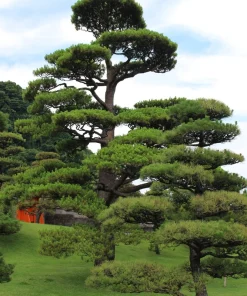
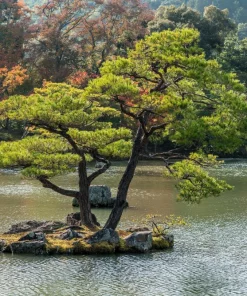
10 Japanese Black Pine Tree Seeds – Evergreen Pinus Thunbergii for Bonsai or Landscape
Original price was: $36.99.$16.99Current price is: $16.99.
Cultivate beautiful Japanese Black Pine tree seeds (Pinus Thunbergii) with this pack of 10 Japanese Black Pine tree seeds. Ideal for creating stunning bonsai specimens or adding a dramatic evergreen presence to your garden landscape. These hardy seeds promise resilient growth and classic aesthetic.
Estimated arrival
Sep 17
Sep 22 - Sep 24
Sep 27 - Oct 01
Shop With Confidence
30-Day Plant Health Guarantee
Arrives damaged? We’ll replace it free — see our return policy.
Responsive Support
Email us anytime, we reply within 1 business day.
Expert Packaging
Temperature-controlled shipping to protect your plants in transit.
Secure Checkout
Pay safely with Visa, Mastercard, PayPal.
Plant Specifications
-
USDA Hardiness Zone
USDA zones 5-9 -
Soil Type
Well-draining, slightly acidic soil -
Sunlight Exposure
Full sun -
Expected Planting Period
Year-round indoors after stratification; outdoors in spring
Overview
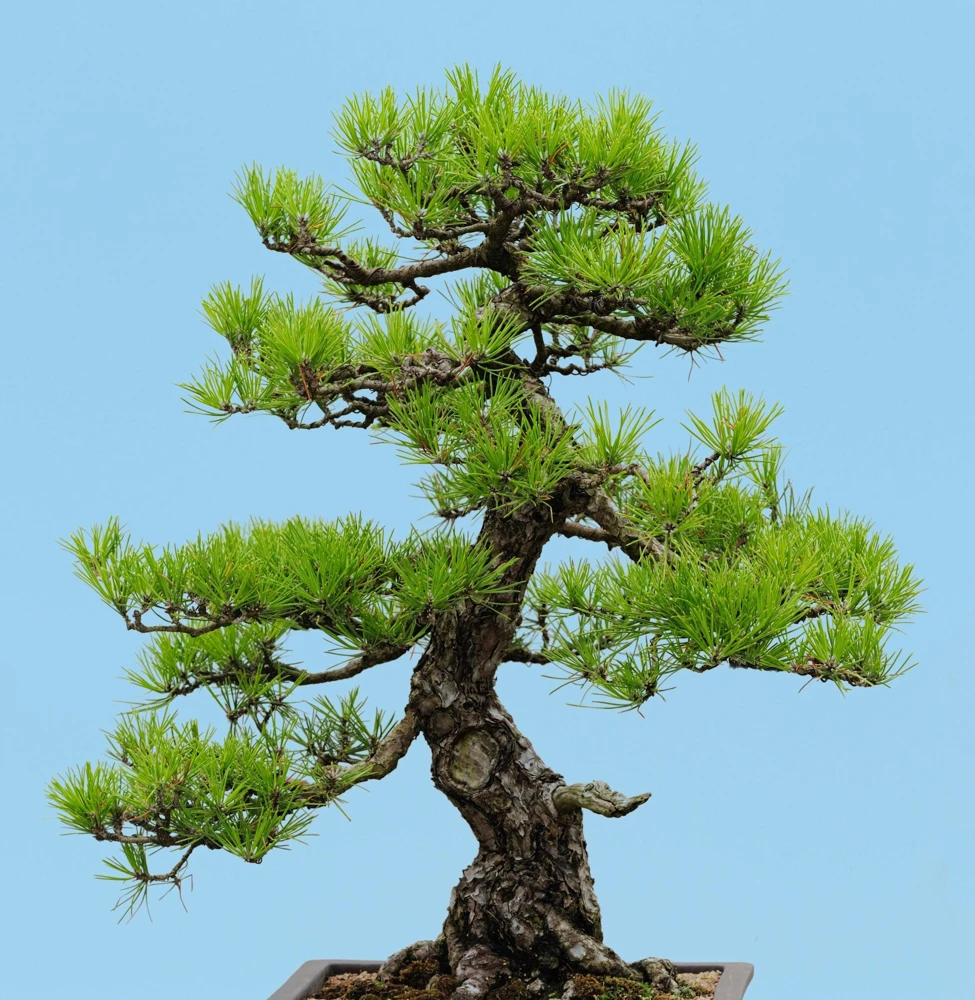
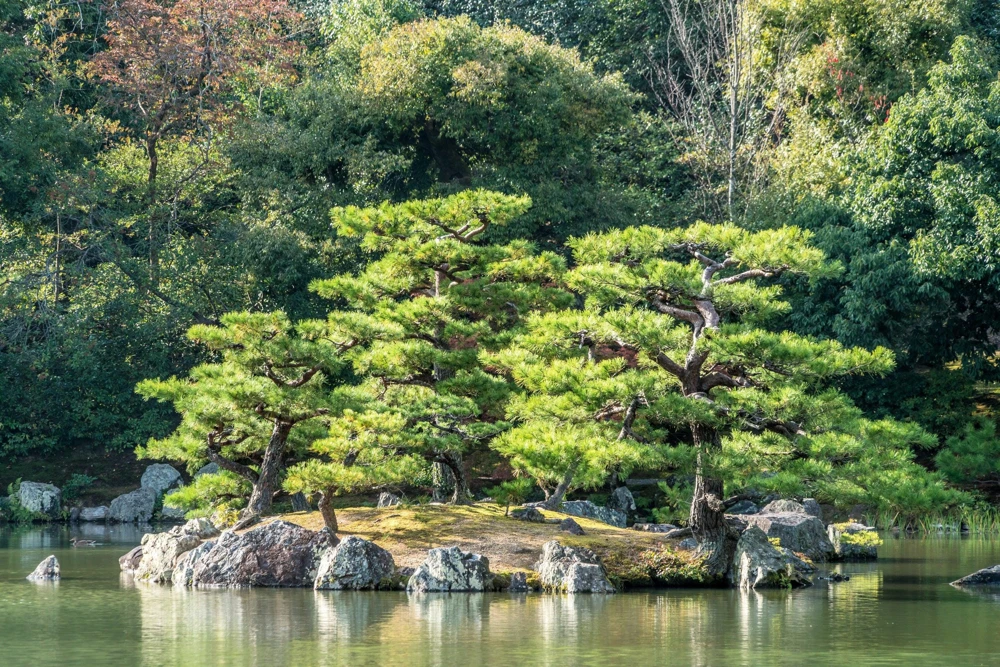
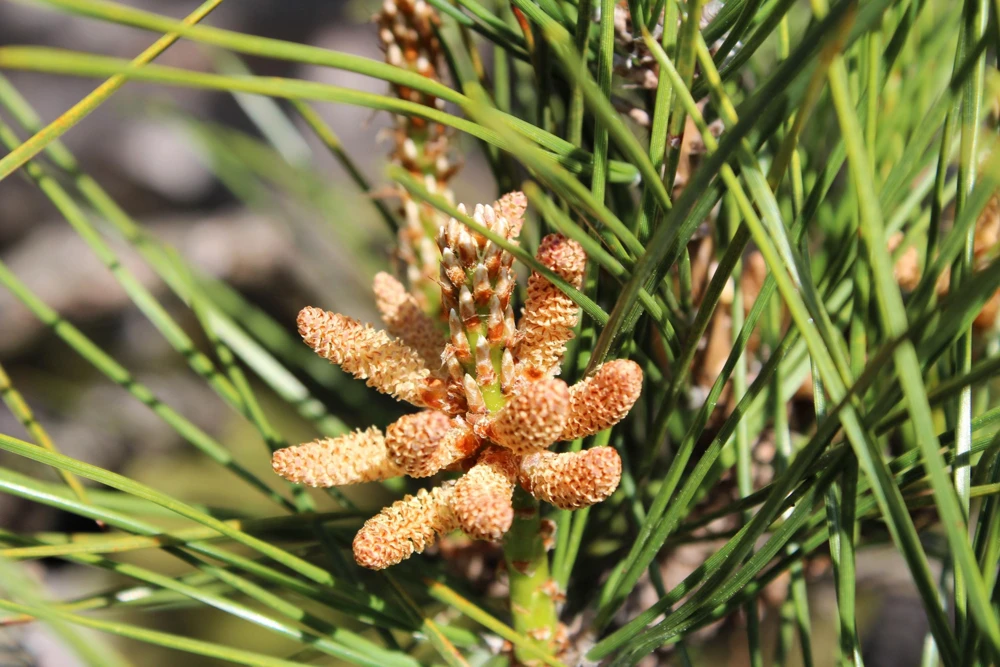
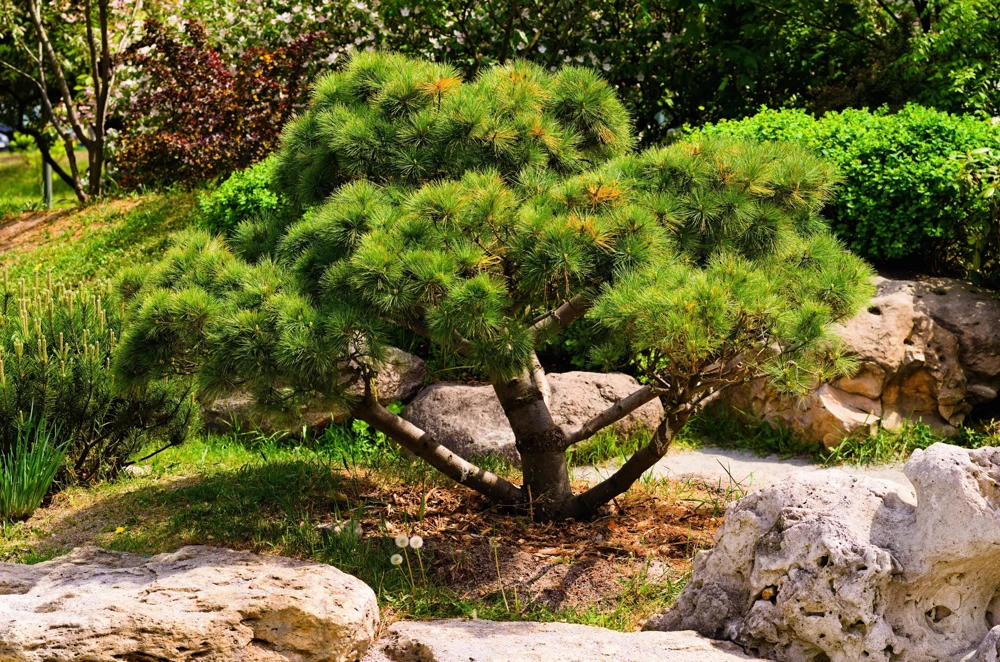
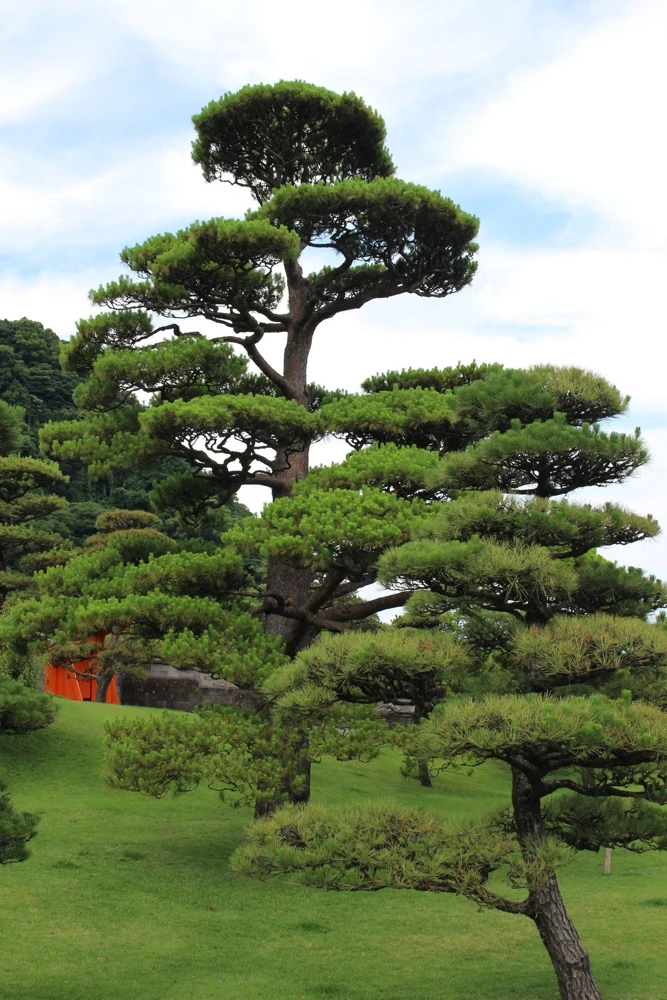
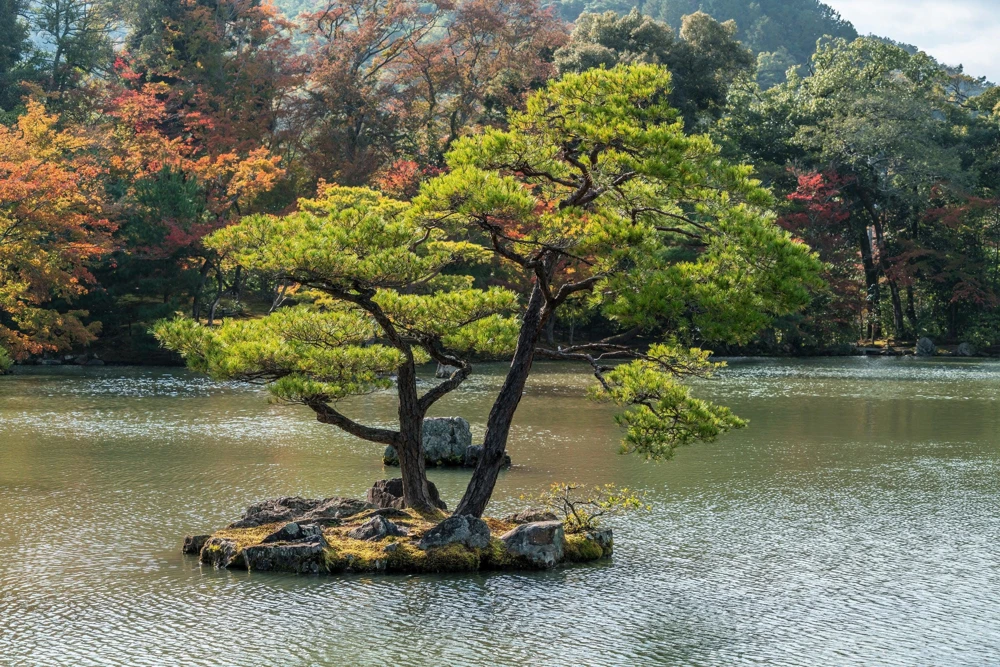
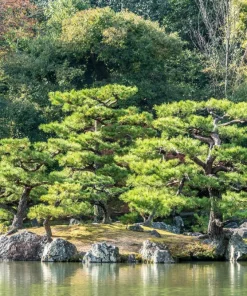
Embark on the rewarding journey of growing your own magnificent Japanese Black Pine tree seeds. This pack contains 10 Japanese Black Pine tree seeds, scientifically known as Pinus Thunbergii, offering a unique opportunity to cultivate one of the most iconic evergreen conifers. Revered for its rugged beauty, dark green needles, and distinctive irregular growth habit, the Japanese Black Pine is a favorite among bonsai enthusiasts and landscape designers alike. Originating from coastal areas of Japan and Korea, this resilient tree adapts well to various conditions, making it a robust choice for many climates. Whether you aspire to create a meticulously shaped bonsai or a stately garden specimen, these Pinus Thunbergii seeds provide the foundation for a truly remarkable living art piece.
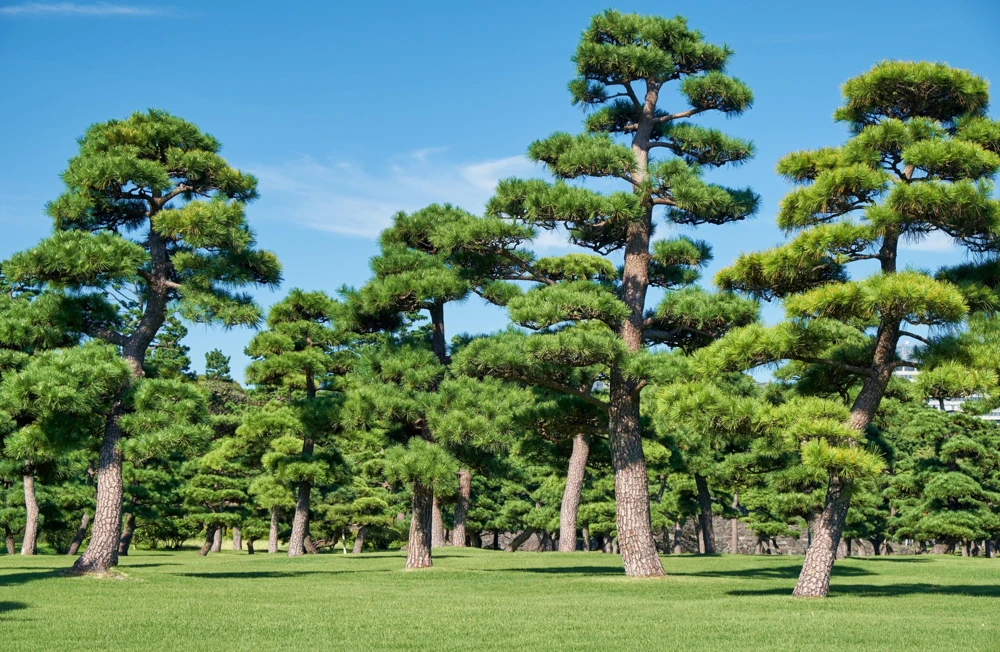
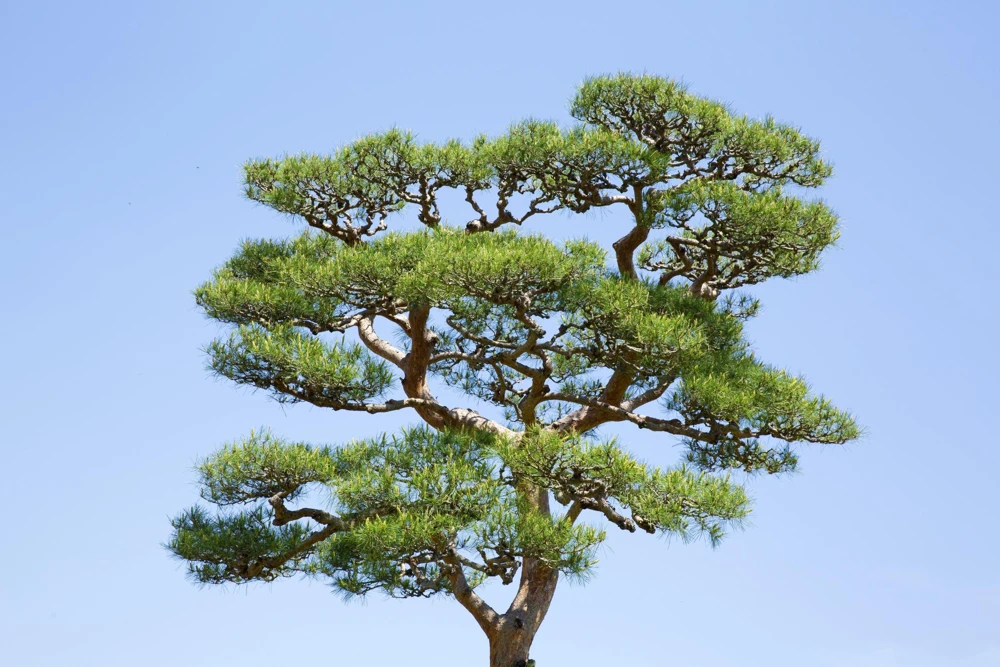
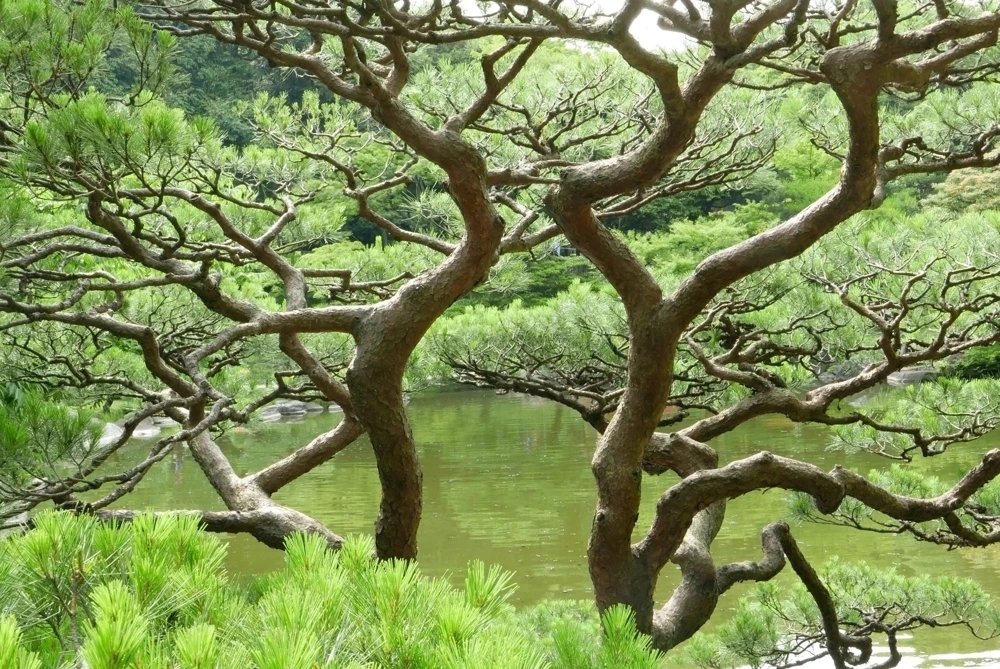
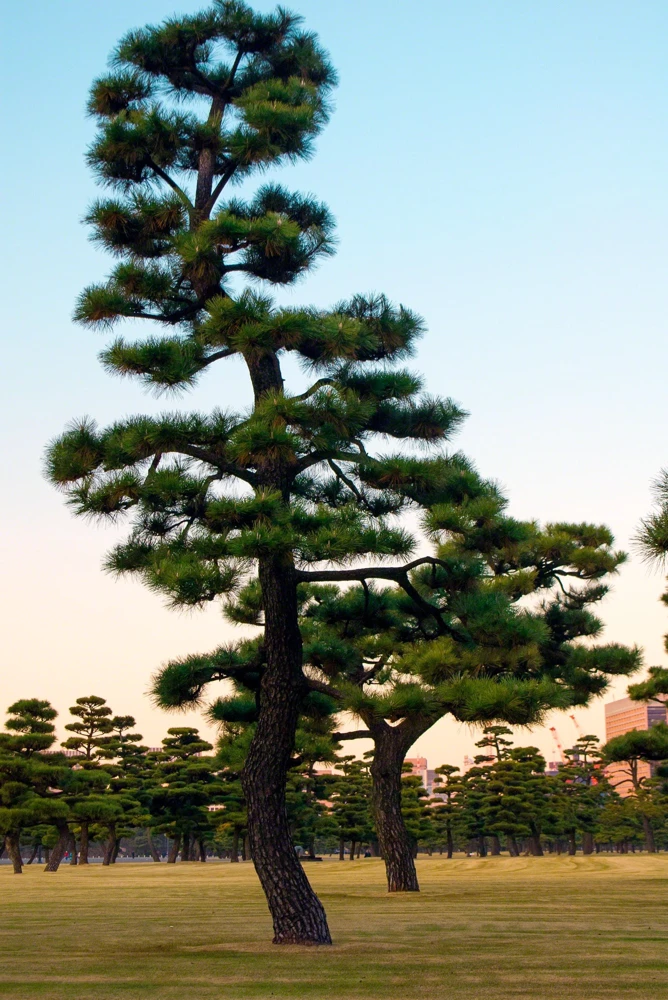
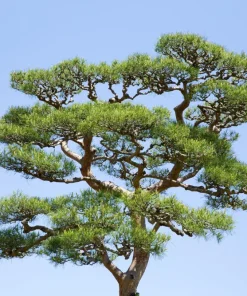
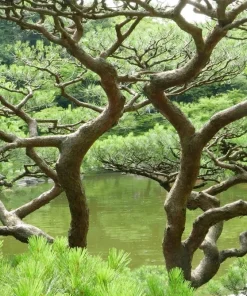
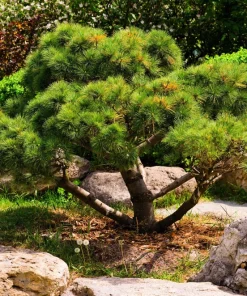
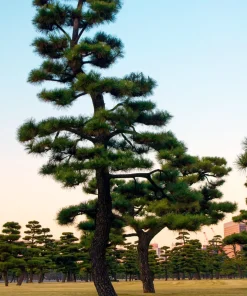
The allure of the Japanese Black Pine tree seeds lies in their potential to develop into trees with strong, picturesque forms, often with windswept branches that evoke a sense of ancient wisdom. Its dense, dark foliage provides year-round interest, while its ability to withstand harsh coastal conditions makes it a surprisingly tough plant. Starting from seed allows for a deep connection with the plant’s development, offering a fulfilling experience as you nurture these tiny seeds into magnificent trees. These seeds are carefully selected to ensure viability, setting you on the path to cultivating a beautiful and long-lived evergreen.
Key Benefits
Growing Japanese Black Pine tree seeds offers numerous advantages, from aesthetic appeal to the sheer satisfaction of cultivating a living masterpiece. This evergreen species is highly versatile and provides significant value to any gardener:
- Exceptional Aesthetic Appeal: The Japanese Black Pine is celebrated for its dramatic, rugged appearance, featuring dark green needles and often twisting branches. It creates a striking focal point in any garden or as a meticulously trained bonsai specimen. Its unique silhouette adds a touch of oriental elegance.
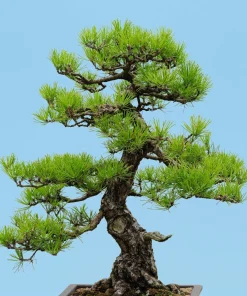
- Bonsai Potential: These Pinus Thunbergii seeds are perfect for those interested in the art of bonsai. The species responds exceptionally well to pruning, wiring, and shaping, allowing you to craft intricate, miniature landscapes that capture the essence of ancient trees.
- Drought Tolerance: Once established, the Japanese Black Pine exhibits remarkable drought resistance, making it an excellent choice for xeriscaping or gardens in drier climates. This reduces water consumption and maintenance efforts.
- Salt Tolerance: Naturally found in coastal regions, this pine is highly tolerant of salt spray, making it an ideal candidate for seaside gardens where other trees might struggle.
- Year-Round Interest: As an evergreen, the Japanese Black Pine provides vibrant green foliage throughout all seasons, ensuring your garden maintains beauty and structure even in winter months.
- Resilience and Hardiness: Known for its adaptability, this pine can thrive in a range of soil types and environmental conditions, demonstrating strong resistance to many common pests and diseases. It’s a robust choice for long-term landscaping.
- Long Lifespan: With proper care, a Japanese Black Pine can live for hundreds of years, becoming a cherished legacy plant that can be passed down through generations. Growing from seed offers the ultimate long-term investment.
Plant Care & Growing Tips
Cultivating Japanese Black Pine tree seeds requires patience and specific care to ensure successful germination and healthy growth. Stratification is crucial for these seeds; they typically require a cold, moist period to break dormancy. Begin by soaking the seeds in warm water for 24-48 hours. After soaking, place the seeds in a moist medium like peat moss or sand, seal them in a plastic bag, and refrigerate for 60-90 days at temperatures between 35-40°F (1-4°C). This process mimics natural winter conditions and prepares the seeds for germination.
Once stratified, sow the Pinus Thunbergii seeds in a well-draining seed-starting mix, just barely covering them with soil. Maintain a consistent soil temperature of around 65-75°F (18-24°C) and ensure adequate moisture without overwatering, which can lead to damping-off. Provide bright, indirect light for your seedlings. As the seedlings grow, they will require careful transplanting into individual pots once they have developed a few sets of true needles. The Japanese Black Pine thrives in full sun, needing at least 6-8 hours of direct sunlight daily for robust growth. Ensure the soil remains well-draining, as pines are susceptible to root rot in waterlogged conditions. Young pines benefit from consistent moisture, but established trees are quite drought-tolerant. Fertilize sparingly with a balanced, slow-release fertilizer designed for evergreens, typically in spring.
Size & Details
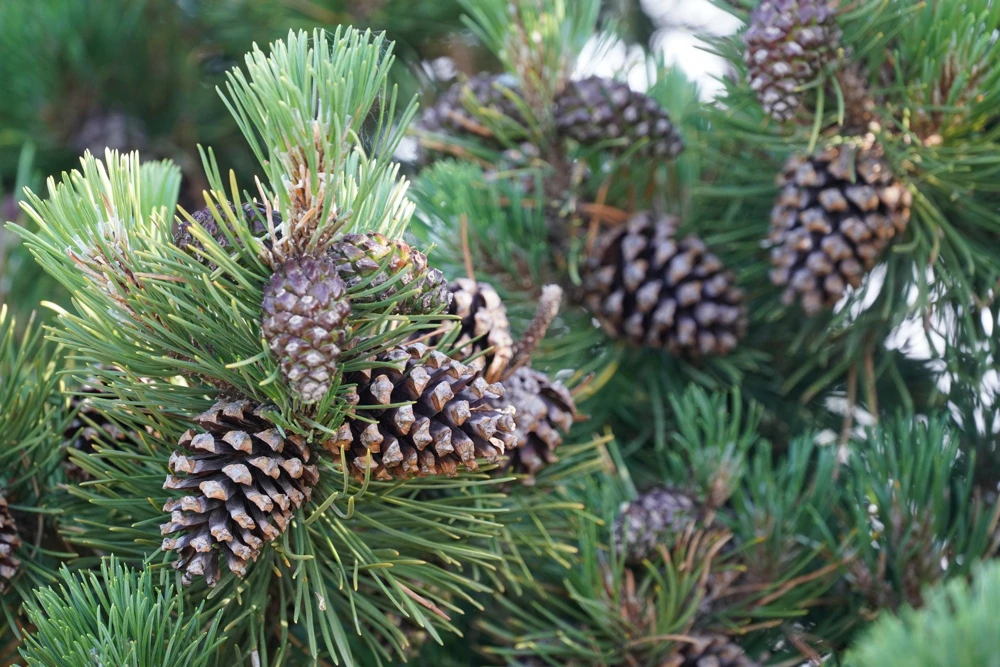
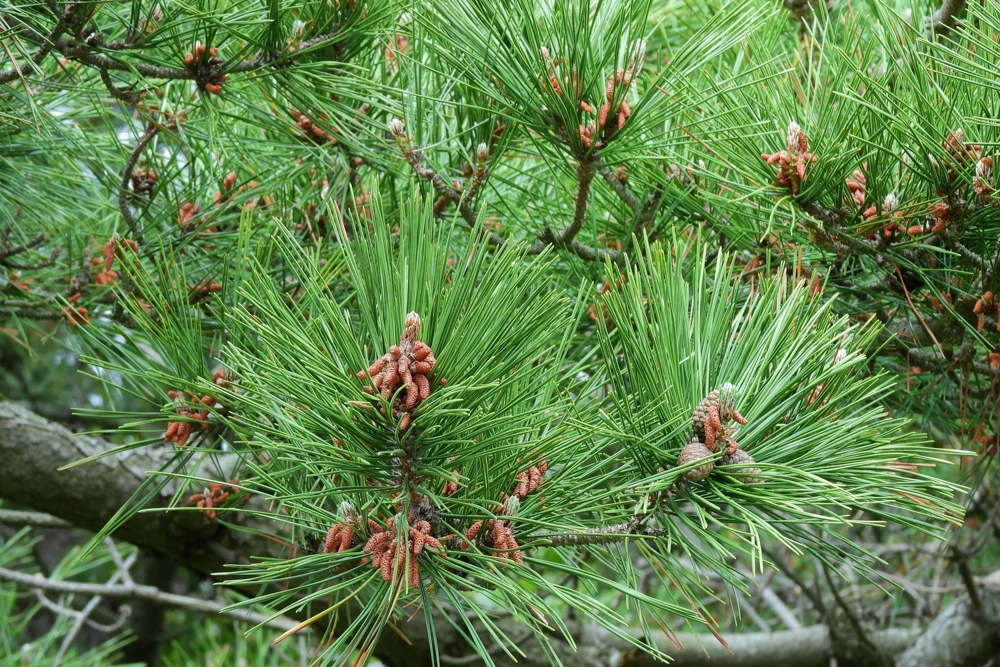
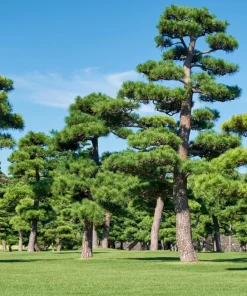
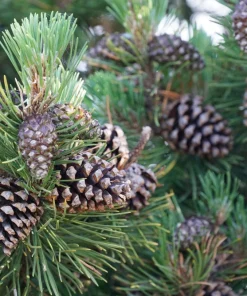
This package contains 10 Japanese Black Pine tree seeds, providing an excellent starting point for cultivating this iconic evergreen. When grown in a landscape setting, a mature Japanese Black Pine can reach heights of 20-60 feet with a spread of 20-40 feet, though its size is highly dependent on environmental conditions and pruning. For bonsai, its size can be meticulously controlled to mere inches or a few feet tall. The growth rate is moderate, typically adding 12-24 inches per year in optimal conditions. The seeds will arrive ready for stratification and planting. Expect germination to occur within several weeks after the stratification period, followed by steady growth. The needles are stiff, dark green, and grow in bundles of two, typically 3-5 inches long. The bark becomes deeply furrowed and dark with age, adding to its distinctive character.
Frequently Asked Questions
- Q: How do I prepare these Japanese Black Pine tree seeds for planting? A: The seeds require cold stratification. Soak them in warm water for 24-48 hours, then place them in a moist medium in the refrigerator for 60-90 days before planting.
- Q: Is this an indoor or outdoor plant? A: The Japanese Black Pine is primarily an outdoor tree, thriving in full sun. While young seedlings can be started indoors, they will need to transition outside to grow into mature trees or bonsai.
- Q: How much sunlight does a Japanese Black Pine need? A: This tree requires full sun, ideally receiving at least 6 to 8 hours of direct sunlight per day for optimal growth and health.
- Q: What type of soil is best for growing Pinus Thunbergii seeds? A: A well-draining, slightly acidic soil is ideal. For seedlings, use a sterile seed-starting mix. For mature trees, a sandy loam or rocky soil with good drainage is preferred.
- Q: How long does it take for Japanese Black Pine tree seeds to germinate? A: After proper cold stratification, germination can take anywhere from a few weeks to several months, depending on conditions and individual seed viability. Patience is key.
- Q: Can I grow a Japanese Black Pine as a bonsai? A: Yes, the Japanese Black Pine is one of the most popular and suitable species for bonsai due to its strong character, ability to be wired, and response to pruning.
- Q: What USDA hardiness zones are suitable for the Japanese Black Pine? A: The Japanese Black Pine is generally hardy in USDA Zones 5-9, tolerating a wide range of climates from cold winters to hot summers.
- Q: How often should I water my young Japanese Black Pine seedlings? A: Keep the soil consistently moist but not waterlogged. Allow the top inch of soil to dry slightly between waterings to prevent root rot.
Be the first to review “10 Japanese Black Pine Tree Seeds – Evergreen Pinus Thunbergii for Bonsai or Landscape”
People Also Viewed



Reviews
There are no reviews yet.