
Sarracenia Carnivorous Plant – Live Pitcher Plant for Home & Garden
Original price was: $81.99.$61.99Current price is: $61.99.
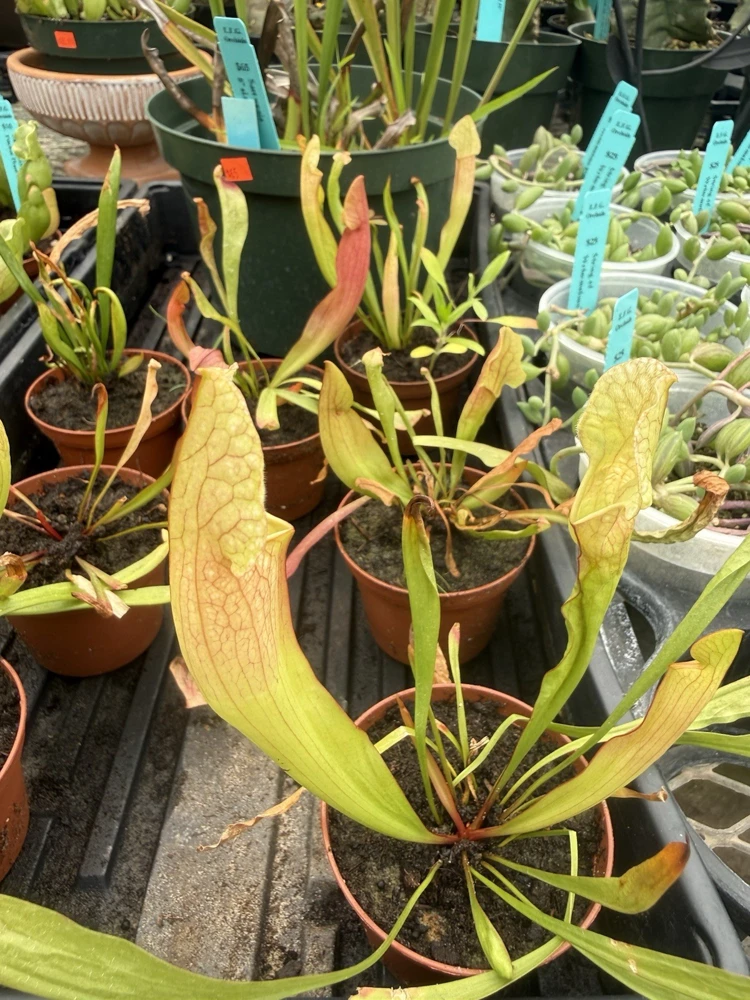
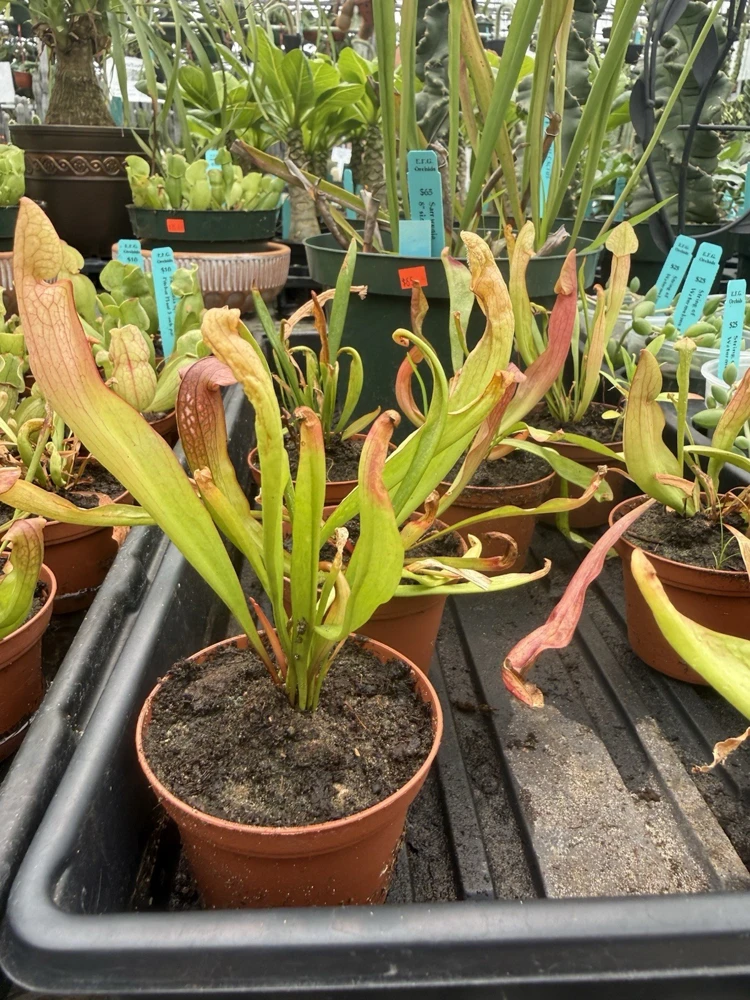
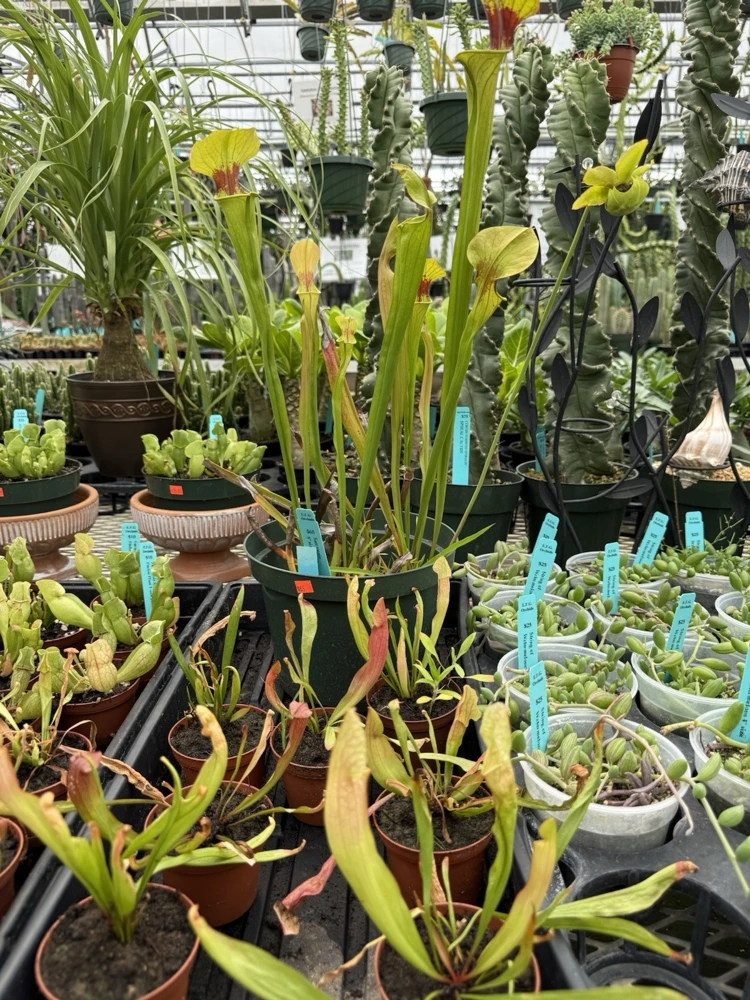
Bring home a fascinating sarracenia carnivorous plant, known for its striking pitcher-shaped leaves that naturally trap insects. This unique pitcher plant for sale is an excellent choice for both beginner and experienced plant enthusiasts, adding an exotic touch to any collection or bog garden. It’s an intriguing and low-maintenance addition to your home or outdoor space.
Estimated arrival
Oct 27
Nov 01 - Nov 03
Nov 06 - Nov 10
Shop With Confidence
30-Day Plant Health Guarantee
Arrives damaged? We’ll replace it free — see our return policy.
Responsive Support
Email us anytime, we reply within 1 business day.
Expert Packaging
Temperature-controlled shipping to protect your plants in transit.
Secure Checkout
Pay safely with Visa, Mastercard, PayPal.
Plant Specifications
-
USDA Hardiness Zone
USDA zones 5-9 (species dependent) -
Soil Type
Sphagnum peat moss and perlite/sand mix -
Sunlight Exposure
Full sun (6-8+ hours direct light) -
Expected Planting Period
Year-round indoors; Spring outdoors
Overview
Introduce an extraordinary botanical specimen to your collection with the sarracenia carnivorous plant. Also known as the North American pitcher plant, this remarkable genus is celebrated for its distinctive, trumpet-shaped leaves that serve as natural traps for insects. Each pitcher is a marvel of evolution, luring prey with its vibrant colors and sweet nectar, then guiding them into a digestive fluid within. These fascinating plants are not only effective pest control agents but also incredibly beautiful, making them a captivating focal point in any indoor display or outdoor bog garden. Our live Sarracenia plants are carefully cultivated to ensure they arrive healthy and ready to thrive in their new environment, providing endless intrigue and a touch of the wild to your home or garden.
Sarracenia species are native to the wetlands of North America, where they play a vital role in their ecosystems. Their unique adaptations allow them to flourish in nutrient-poor soils by supplementing their diet with insects. This makes them a perfect choice for gardeners looking for something out of the ordinary, or for those who appreciate the wonders of the plant kingdom. Growing a sarracenia carnivorous plant offers a unique opportunity to observe nature’s ingenuity up close, providing both educational value and aesthetic pleasure.
Key Benefits
Owning a Sarracenia offers a range of unique benefits, from natural pest control to stunning visual appeal. These plants are more than just decorative; they are living, breathing ecosystems that contribute positively to their surroundings.
- Natural Pest Control: The primary benefit of a sarracenia carnivorous plant is its ability to naturally manage insect populations. Its pitchers effectively trap flies, mosquitoes, and other small insects, reducing the need for chemical pesticides in your home or garden.
- Exotic Visual Appeal: With their vibrant colors, intricate patterns, and unique pitcher shapes, Sarracenia plants are incredibly striking. They add a dramatic and exotic touch to any plant collection, making them a fantastic conversation starter.
- Educational Value: Observing a pitcher plant care and growth cycle provides a fascinating educational experience for all ages. It’s a wonderful way to learn about plant adaptations, ecology, and the natural world.
- Low Maintenance (with proper bog conditions): Once established in the right conditions, Sarracenia plants are surprisingly low-maintenance. They thrive in consistent moisture and sunlight, making them relatively easy to care for compared to some other exotic plants.
- Unique Garden Addition: Perfect for bog gardens, container plantings, or as an indoor specimen, the sarracenia plant for sale offers a distinctive alternative to traditional ornamental plants. It creates a specialized habitat that supports biodiversity.
- Adaptable to Various Settings: While primarily known for outdoor bog gardens, many Sarracenia varieties can also be successfully grown indoors on a sunny windowsill or under grow lights, provided their specific needs are met.
- Sustainable Gardening: By relying on natural insect predation, these plants support a more sustainable and eco-friendly approach to gardening, reducing reliance on artificial pest control methods.
Plant Care & Growing Tips
Caring for your sarracenia carnivorous plant involves understanding its specific needs, which mimic its natural wetland habitat. The key elements are sunlight, water, and appropriate soil. Sarracenia thrive in full sun, meaning at least 6-8 hours of direct sunlight daily. Outdoors, choose a location that receives ample morning sun and some afternoon sun. Indoors, a south-facing window is ideal, or consider supplementing with a strong grow light to ensure robust growth and vibrant pitcher coloration. Insufficient light will result in weak, leggy growth and poor pitcher development.
Watering is perhaps the most crucial aspect of pitcher plant care. Sarracenia require consistently wet soil, as they are bog plants. Always water with distilled water, rainwater, or reverse osmosis water. Tap water, even if filtered, often contains minerals and chemicals that can build up in the soil and harm sensitive carnivorous plants. Keep the pot sitting in a tray of about 1-2 inches of water during the growing season (spring to fall). During dormancy in winter, allow the soil to be slightly damp but not waterlogged. The best soil mix for Sarracenia is a nutrient-poor, acidic blend, typically composed of sphagnum peat moss and perlite or horticultural sand. Avoid standard potting soil, as it contains fertilizers that can kill these plants. Repotting every 1-2 years in fresh media is beneficial.
Temperature and dormancy are also important. Most Sarracenia species are temperate plants and require a winter dormancy period to remain healthy long-term. This typically involves temperatures between 35-50°F (2-10°C) for 3-4 months. During this time, growth will slow or stop, and some pitchers may die back. Reduce watering during dormancy. Common problems include root rot from improper watering (using tap water or insufficient drainage), and spider mites or aphids if humidity is too low or plants are stressed. Ensure good air circulation to prevent fungal issues. Understanding these carnivorous plant types needs will ensure your Sarracenia thrives.
Size & Details
Our sarracenia carnivorous plant typically arrives as a well-established young plant, often with several active pitchers already formed. The exact size will vary depending on the species and time of year, but you can generally expect plants to be 4-8 inches tall upon arrival, ready to continue growing in your chosen environment. These plants are shipped in a nursery pot, ensuring the root system is protected and the plant is minimally stressed during transit. Sarracenia are relatively fast growers during their active season, with new pitchers emerging regularly. Over time, mature plants can reach heights of 12-36 inches, depending on the species and cultivation conditions. They are perennial plants, meaning they will return year after year with proper care, entering a dormant phase in winter and resuming vigorous growth in spring. The vigorous growth makes this an excellent sarracenia plant for sale for enthusiasts.
The growth rate and ultimate size of your Sarracenia will depend on factors such as light intensity, consistent moisture, and the specific variety. Some varieties form compact clumps, while others can spread to create impressive, dense colonies of pitchers. Expect to see significant development and an increase in pitcher size and quantity as the plant matures. They are best suited for outdoor bog gardens in appropriate climates or as dedicated indoor specimens where their environmental needs can be precisely controlled. These captivating bog plants for garden settings are a true delight.
Frequently Asked Questions
- Q: How big does this Sarracenia carnivorous plant get? A: The size of your Sarracenia will vary by species, but most commonly grown varieties can reach heights of 12 to 36 inches when mature. They tend to grow continuously during the active growing season.
- Q: What size pot does it come in? A: Your sarracenia carnivorous plant will typically arrive in a standard nursery pot, usually around 2-4 inches in diameter, depending on the plant’s size and stage of growth. This ensures it’s well-protected during shipping.
- Q: Is this an indoor or outdoor plant? A: Sarracenia can be grown both indoors and outdoors. They thrive in outdoor bog gardens in USDA zones that match their hardiness, but can also be kept indoors on a sunny windowsill or under grow lights, provided they receive adequate light and proper watering.
- Q: How much sunlight does it need? A: This pitcher plant for sale requires a significant amount of sunlight. Aim for at least 6-8 hours of direct, unfiltered sun per day. Full sun exposure is crucial for healthy growth and vibrant pitcher coloration.
- Q: Is this plant easy to care for? A: With an understanding of their specific needs, Sarracenia can be quite easy to care for. The main requirements are consistent watering with distilled or rainwater, a nutrient-poor soil mix, and plenty of direct sunlight.
- Q: What condition will it arrive in? A: Your sarracenia carnivorous plant will arrive as a live, healthy plant, carefully packaged to minimize stress during transit. It will be in its nursery pot with appropriate soil, ready for you to acclimate and plant.
- Q: Is it shipped in soil? A: Yes, the plant is shipped securely in its original growing medium (typically a peat and perlite mix) within its nursery pot to ensure its health and stability upon arrival.
- Q: Can I use tap water for my Sarracenia? A: No, it is critical to only use distilled water, rainwater, or reverse osmosis water for your Sarracenia. Tap water contains minerals and chlorine that can accumulate and harm the plant over time, making proper pitcher plant care essential.
- Q: When is the best time to plant a Sarracenia? A: The best time to plant or repot a Sarracenia is in early spring, just as it is emerging from dormancy and starting its active growth cycle. This gives the plant the entire growing season to establish itself.
- Q: Will it survive winter in my zone? A: Most Sarracenia species are temperate and require a winter dormancy period. Their ability to survive winter outdoors depends on your specific USDA hardiness zone. In colder zones, outdoor plants may need protection, or indoor plants will need a cool, dormant period. These carnivorous plant types are generally resilient.
Be the first to review “Sarracenia Carnivorous Plant – Live Pitcher Plant for Home & Garden”
People Also Viewed
Reviews
There are no reviews yet.