

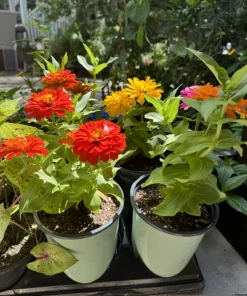
Zinnia Plants – Live Annual Flower for Garden & Pollinators
Original price was: $41.99.$21.99Current price is: $21.99.
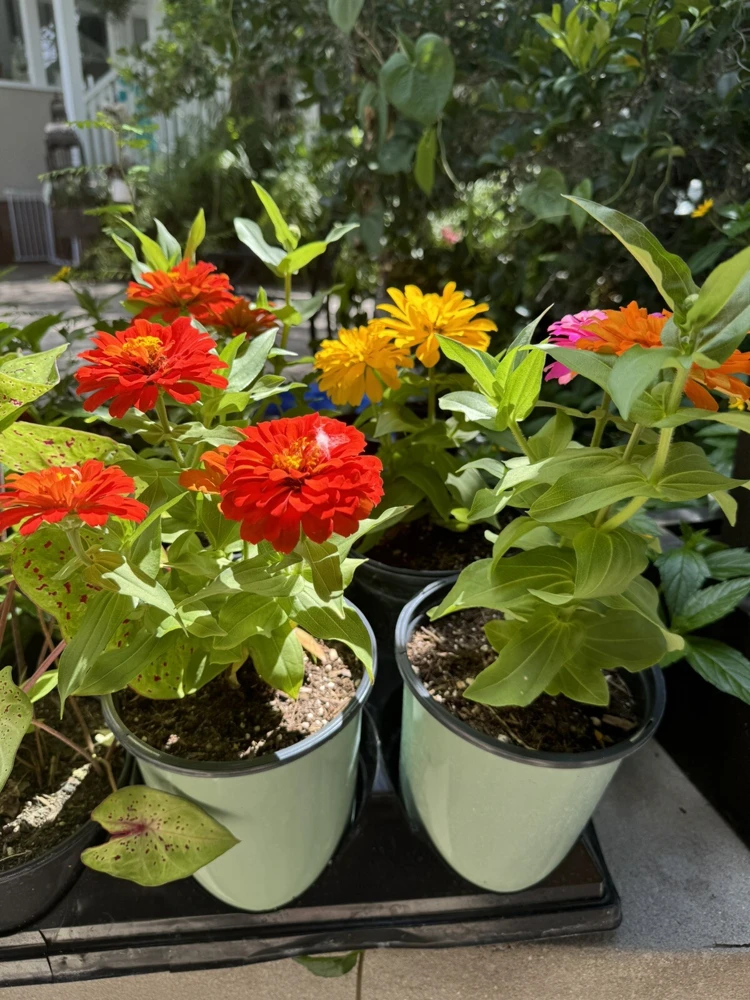
Bring a burst of color to your landscape with healthy zinnia plants. These vibrant annual flowers are incredibly easy to grow and maintain, making them a favorite for both novice and experienced gardeners. Enjoy continuous blooms that attract butterflies and hummingbirds throughout the season.
Estimated arrival
Oct 27
Nov 01 - Nov 03
Nov 06 - Nov 10
Shop With Confidence
30-Day Plant Health Guarantee
Arrives damaged? We’ll replace it free — see our return policy.
Responsive Support
Email us anytime, we reply within 1 business day.
Expert Packaging
Temperature-controlled shipping to protect your plants in transit.
Secure Checkout
Pay safely with Visa, Mastercard, PayPal.
Plant Specifications
-
USDA Hardiness Zone
USDA zones 2-11 (as an annual) -
Soil Type
Well-draining soil, rich in organic matter -
Sunlight Exposure
Full sun (6-8+ hours direct sun) -
Expected Planting Period
Spring to early summer, after last frost
Overview
Welcome to the world of dazzling color and effortless beauty with our premium zinnia plants. These beloved annuals are a must-have for any garden seeking a vibrant display from early summer until the first frost. Known for their cheerful, daisy-like to dahlia-like blooms, zinnias (Zinnia elegans) are incredibly versatile, thriving in various garden settings. Whether you’re creating a cutting garden, filling a border, or adding pops of color to containers, these plants deliver. They are celebrated for their rapid growth and continuous flowering, making them one of the most rewarding annuals to cultivate. Our live zinnia plants arrive healthy and ready to plant, ensuring a head start on a season full of spectacular blooms.
Originating from Mexico, zinnias have adapted to a wide range of climates, making them a robust choice for most regions in the United States. Their diverse forms, sizes, and colors mean there’s a zinnia for every aesthetic. From petite ‘Profusion’ varieties perfect for mass plantings to towering ‘Benary’s Giant’ excellent for cut flowers, the possibilities are endless. These plants are not just beautiful; they are also a lifeline for local ecosystems, supporting a variety of pollinators. Choosing to grow zinnia flowers means inviting nature’s beauty directly into your backyard.
Key Benefits
Our zinnia plants offer a multitude of advantages for any gardener, providing both aesthetic appeal and ecological benefits. They are truly a powerhouse of the garden.
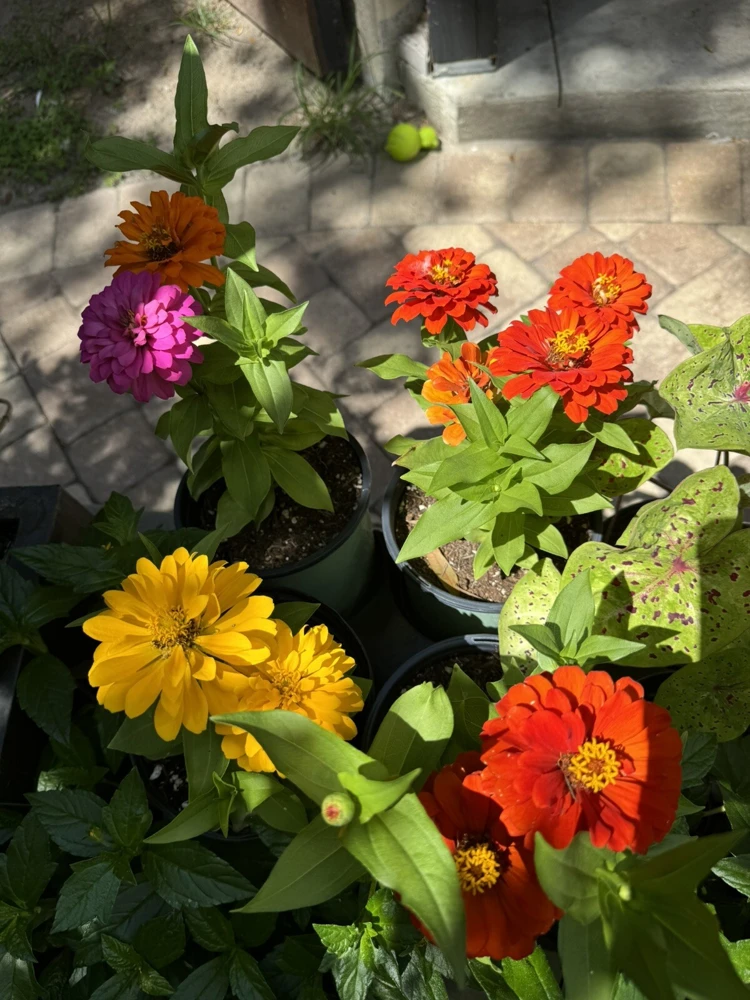
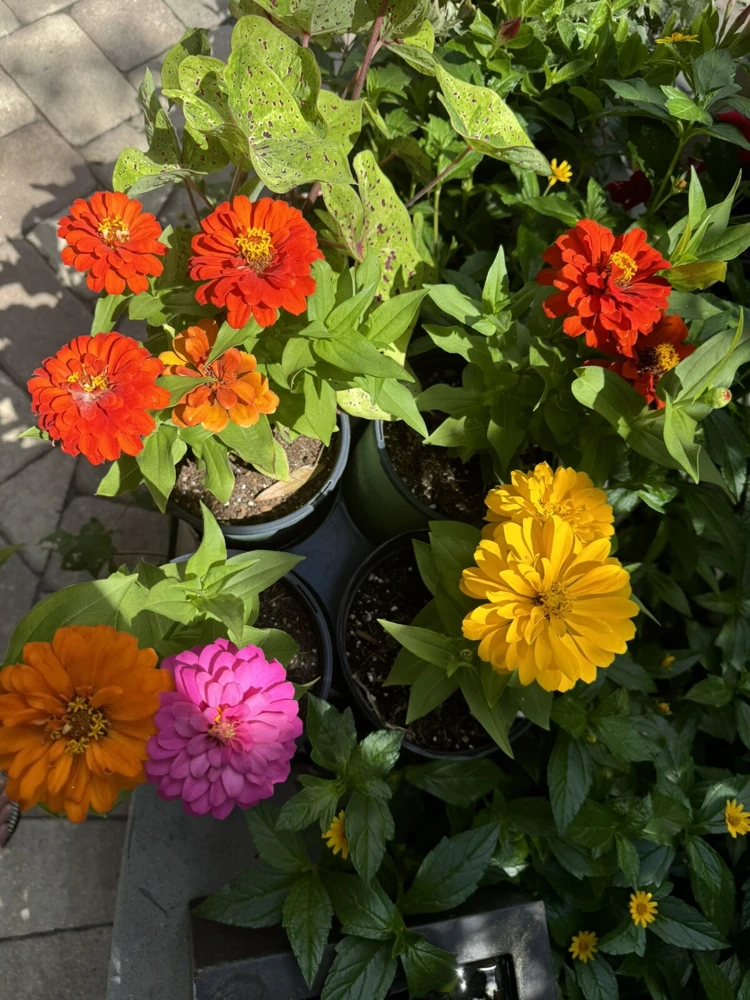
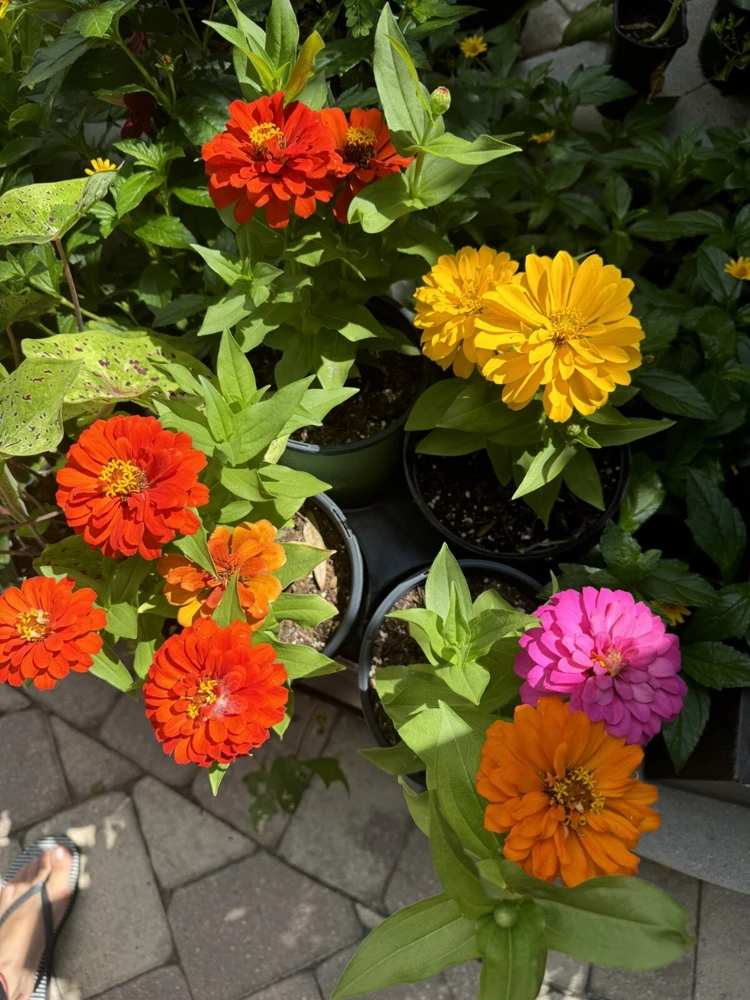
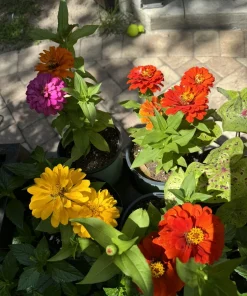
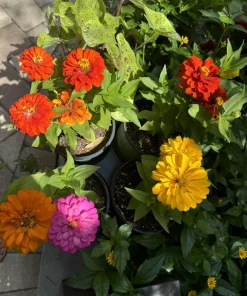
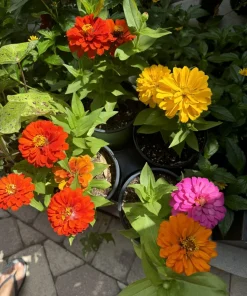
- Vibrant, Long-Lasting Blooms: Zinnias produce an abundance of bright, colorful flowers in shades of red, orange, yellow, pink, purple, and white, blooming continuously from summer through fall.
- Attracts Pollinators: These flowers are a magnet for butterflies, bees, and hummingbirds, making your garden a lively hub of activity and supporting local biodiversity.
- Excellent Cut Flowers: With strong stems and a long vase life, zinnias are perfect for creating beautiful floral arrangements to enjoy indoors.
- Easy to Grow and Maintain: Zinnias are remarkably low-maintenance annuals, tolerant of heat and drought once established, making them ideal for gardeners of all skill levels.
- Disease Resistant Varieties: Many modern zinnia cultivars offer enhanced resistance to common diseases like powdery mildew, ensuring healthier, more robust plants.
- Versatile Garden Use: Suitable for borders, mass plantings, container gardening, and even as informal hedges, adapting to various landscape designs.
- Continuous Color: Deadheading spent blooms encourages the plant to produce even more flowers, extending the show of color throughout the growing season.
Plant Care & Growing Tips
Caring for your zinnia plants is straightforward, ensuring a season of prolific blooms with minimal effort. Zinnias thrive in conditions that mimic their native sunny habitats. For optimal growth, provide them with plenty of sunlight. They require at least 6-8 hours of direct sun per day to produce the most flowers. In hotter climates, some afternoon shade can be beneficial, but too much shade will result in leggy plants and fewer blooms.
When it comes to watering, zinnias prefer consistently moist soil, especially when they are young. Once established, they become quite drought-tolerant, but regular watering during dry spells will promote continuous flowering. Water at the base of the plant to avoid wetting the foliage, which can help prevent fungal diseases. Well-draining soil is crucial; heavy clay soils can lead to root rot. Amend your soil with organic matter like compost to improve drainage and fertility. Zinnias are not heavy feeders, but a balanced, all-purpose fertilizer applied once or twice during the growing season can encourage more vigorous growth and blooming. For the best results and to truly grow zinnia flowers that are spectacular, ensure good air circulation around your plants.
Pinching back young zinnia plants can encourage bushier growth and more blooms. Simply snip off the main stem above a set of leaves when the plant is about 6-8 inches tall. Deadhead spent flowers regularly to prevent the plant from going to seed, which signals the plant to stop producing new blooms. This practice, often referred to as a key part of any good zinnia care guide, will keep your plants flowering until fall. Watch out for pests like aphids and powdery mildew; good air circulation and appropriate spacing can prevent many issues. If you notice powdery mildew, consider using an organic fungicide or a homemade baking soda solution.
Size & Details
Our zinnia plants are shipped as healthy, established live plants, ready to be transplanted into your garden or containers. While exact sizes may vary slightly depending on the specific variety and growing stage, they typically arrive in a compact size, ensuring safe transit and easy establishment. Zinnias are fast growers, and you can expect them to reach their mature height and spread within weeks of planting, usually ranging from 1 to 4 feet tall and 1 to 2 feet wide, depending on the variety. They will begin blooming shortly after establishment and continue to produce flowers until the first hard frost. These annuals complete their life cycle in one growing season, providing a spectacular display before winter. Plant them in succession every few weeks for an even longer bloom period.
Frequently Asked Questions
- Q: How big do zinnia plants get? A: The mature size of zinnia plants varies significantly by cultivar, ranging from compact varieties that grow 12-18 inches tall and wide to towering types that can reach 4 feet in height. Be sure to check the specific variety for its mature dimensions.
- Q: Is this an indoor or outdoor plant? A: Zinnias are primarily outdoor annuals, thriving in full sun and warm temperatures. While they can be started indoors from seed, they are not typically grown as permanent houseplants.
- Q: How much sunlight do zinnia plants need? A: For abundant blooms, zinnia plants require at least 6 to 8 hours of direct sunlight per day. Too little sun will result in leggy plants and reduced flowering.
- Q: Is this plant easy to care for? A: Yes, zinnias are renowned for being one of the easiest annual flowers to grow. They are quite forgiving and resilient, making them an excellent choice for beginner gardeners looking to grow zinnia flowers.
- Q: What condition will the zinnia plants arrive in? A: Your zinnia plants will arrive healthy and carefully packaged, typically in a nursery pot with soil, ready for immediate planting. We ensure they are well-hydrated before shipping.
- Q: When is the best time to plant zinnia plants? A: The best time to plant zinnia plants outdoors is after all danger of frost has passed in spring, when soil temperatures have warmed up. They love warm weather.
- Q: Can I grow zinnia plants in containers? A: Absolutely! Many compact and medium-sized zinnia varieties are perfect for container gardening. Ensure the container has good drainage and is large enough to accommodate the plant’s mature size.
- Q: How often should I water my zinnia plants? A: Water regularly, especially during dry periods, to keep the soil consistently moist but not waterlogged. Once established, they can tolerate some drought, but consistent moisture promotes better blooming.
- Q: Do zinnia plants attract butterflies? A: Yes, zinnias are excellent pollinator-friendly plants. Their bright, nectar-rich flowers are very attractive to butterflies, bees, and hummingbirds, making them ideal for creating a butterfly garden.
- Q: What is a good zinnia care guide for beginners? A: For beginners, focus on full sun, well-draining soil, regular watering, and deadheading spent blooms. These simple steps will lead to a successful and colorful zinnia display.
Be the first to review “Zinnia Plants – Live Annual Flower for Garden & Pollinators”
People Also Viewed
Reviews
There are no reviews yet.