

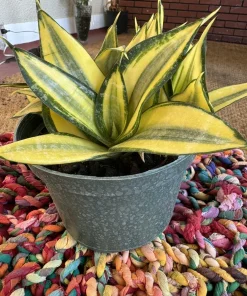
Sansevieria Golden Hahnii Live Plant – Bird’s Nest Snake Plant Indoor Houseplant
Original price was: $36.99.$29.99Current price is: $29.99.
Enhance your home with a beautiful Sansevieria Golden Hahnii live plant. This compact Bird’s Nest Snake Plant is an ideal indoor snake plant, celebrated for its striking variegated foliage and exceptional ease of care. Perfect for beginners and busy plant enthusiasts alike.
Estimated arrival
Oct 27
Nov 01 - Nov 03
Nov 06 - Nov 10
Shop With Confidence
30-Day Plant Health Guarantee
Arrives damaged? We’ll replace it free — see our return policy.
Responsive Support
Email us anytime, we reply within 1 business day.
Expert Packaging
Temperature-controlled shipping to protect your plants in transit.
Secure Checkout
Pay safely with Visa, Mastercard, PayPal.
Plant Specifications
-
USDA Hardiness Zone
year-round indoors -
Soil Type
well-draining potting mix -
Sunlight Exposure
bright indirect light -
Expected Planting Period
year-round indoors
Overview
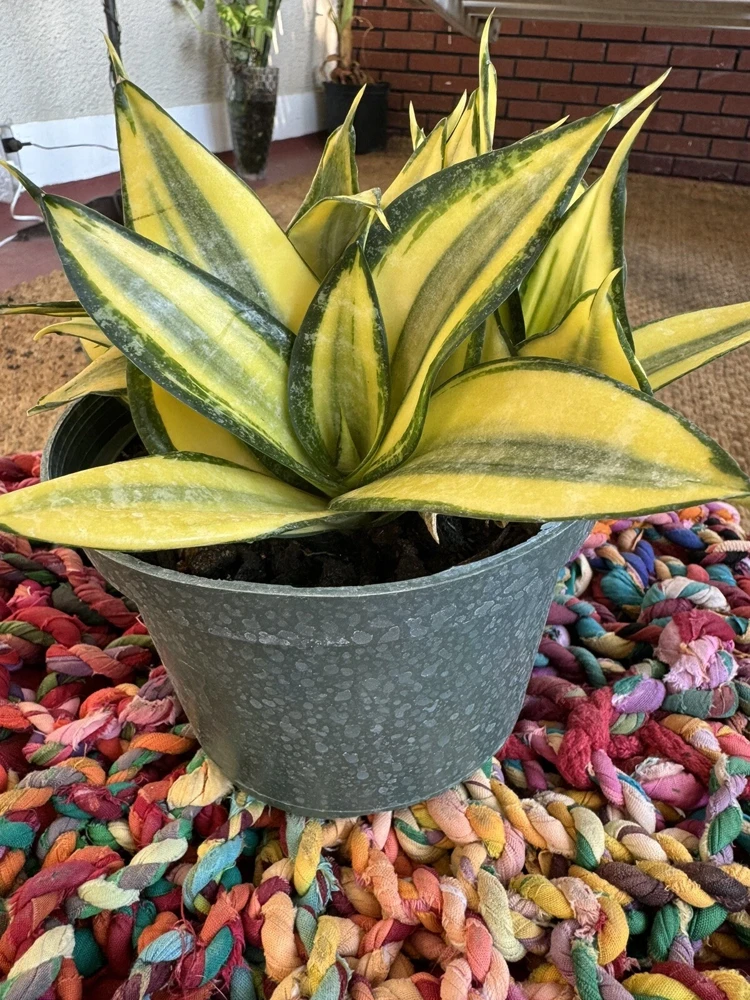
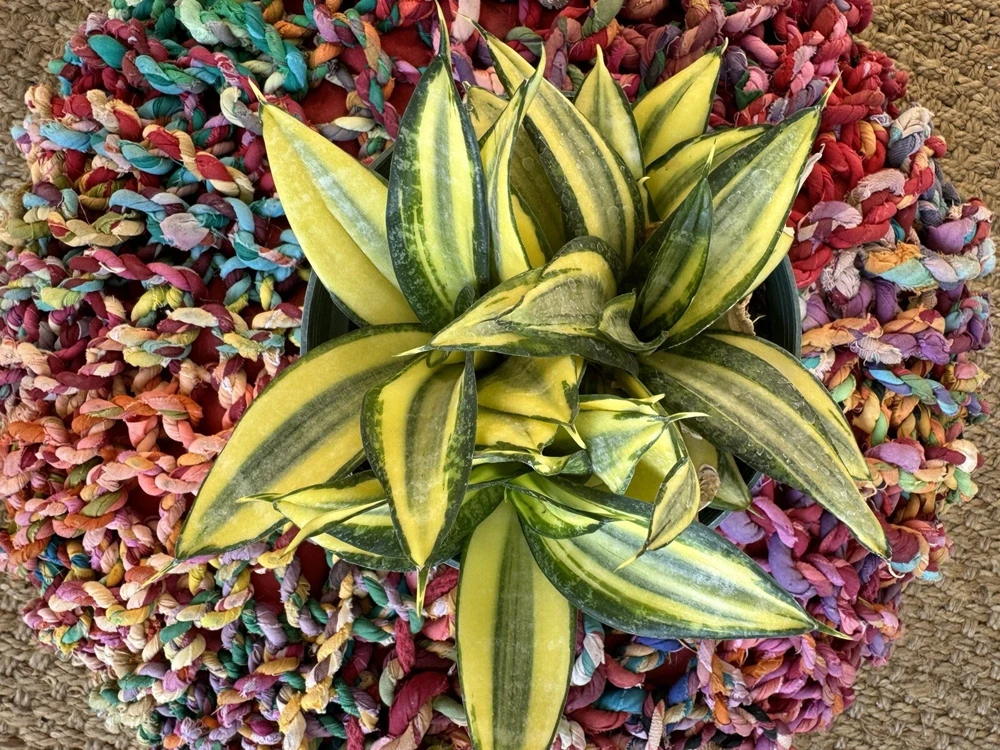
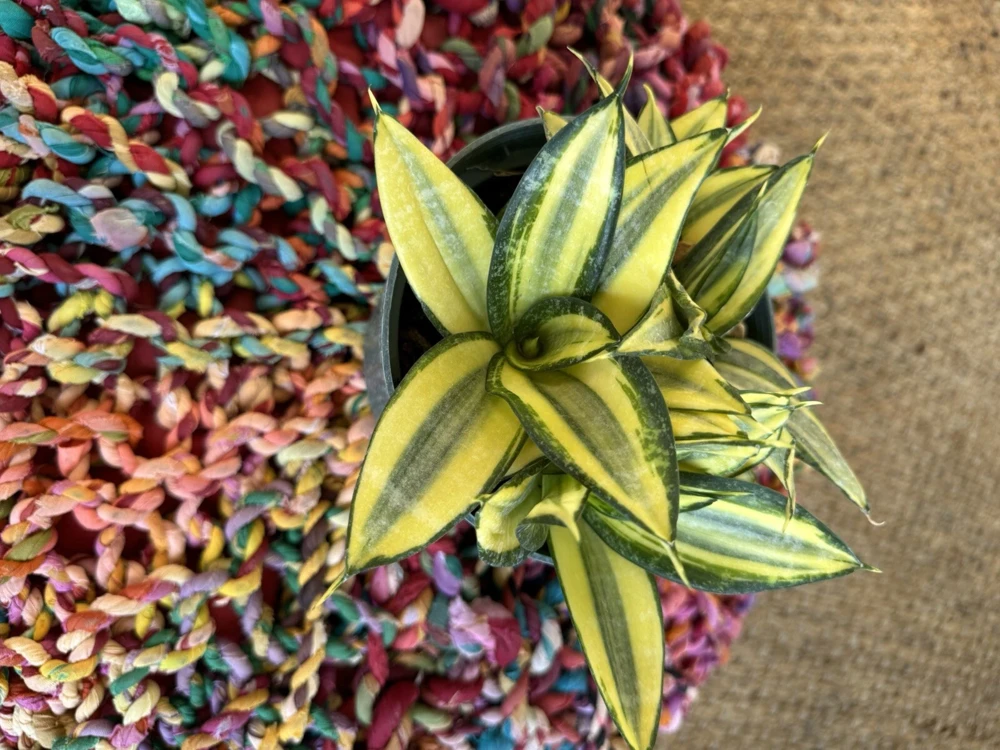
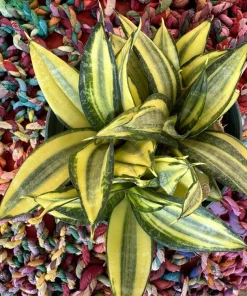
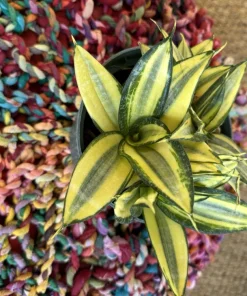
Introduce a touch of elegance and natural air purification to your living space with the Sansevieria Golden Hahnii live plant. Also widely known as the Bird’s Nest Snake Plant, this captivating succulent is a dwarf cultivar of the Sansevieria trifasciata species. Its compact, rosette-forming growth habit makes it an ideal choice for desks, shelves, or small corners, where it adds a vibrant splash of green and gold without taking up too much space. This particular variety, Sansevieria trifasciata ‘Golden Hahnii’, is cherished for its beautiful, variegated leaves that feature rich green centers edged with bright yellow or gold, creating a stunning visual contrast. As a live plant, it arrives ready to thrive in your home, bringing immediate botanical beauty and a sense of calm to any room.
The Sansevieria Golden Hahnii live plant is not just visually appealing; it’s also renowned for its resilience and ability to purify indoor air by removing toxins such as formaldehyde, benzene, and trichloroethylene. This makes it a perfect companion for a healthier home environment. Its hardy nature means it can withstand a range of conditions, making it an excellent choice for both seasoned plant parents and those new to gardening. Whether you’re looking to start your indoor plant collection or add a unique specimen, this Sansevieria Golden Hahnii live plant is a fantastic option.
Key Benefits
The Bird’s Nest Snake Plant offers a multitude of benefits, making it an indispensable addition to any indoor garden. Its unique characteristics contribute to both aesthetic appeal and a healthier living environment.
- Air Purification: This plant is a NASA-certified air purifier, effectively filtering common household toxins from the air, contributing to a cleaner and healthier indoor atmosphere.
- Low Maintenance: Known for its extreme hardiness and drought tolerance, the Sansevieria Golden Hahnii live plant requires minimal care, making it perfect for busy individuals or those new to plant care.
- Compact Size: Its small, rosette-like growth habit ensures it fits perfectly in tight spaces, on shelves, or as a desk plant, adding greenery without overcrowding.
- Striking Aesthetics: The vibrant green leaves with golden-yellow margins provide a beautiful contrast, adding a sophisticated and modern touch to any decor style.
- Drought Tolerant: As a succulent, it stores water in its leaves, allowing it to go for extended periods without watering, reducing the risk of overwatering.
- Adaptable to Light Conditions: While it thrives in bright, indirect light, this indoor snake plant can also tolerate lower light conditions, offering flexibility in placement.
- Symbolic Value: In many cultures, the snake plant symbolizes tenacity, good fortune, and purification, making it a meaningful gift or personal decor item.
Plant Care & Growing Tips
Caring for your Sansevieria Golden Hahnii live plant is remarkably straightforward, making it one of the easiest houseplants to maintain. The key to its success lies in understanding its basic needs for light, water, and soil. For optimal growth, place your Bird’s Nest Snake Plant in an area that receives bright, indirect light. While it can tolerate lower light levels, insufficient light may lead to slower growth and less vibrant variegation. Avoid direct, intense sunlight, especially during the hottest parts of the day, as this can scorch its leaves. A north or east-facing window is often ideal, or a few feet away from a south or west-facing window.
When it comes to watering, less is definitely more for this succulent. Allow the soil to dry out completely between waterings. Overwatering is the most common cause of problems for Sansevieria Golden Hahnii live plant, leading to root rot. During the growing season (spring and summer), you might water every 2-4 weeks, while in fall and winter, watering can be reduced to once a month or even less. Always check the soil moisture with your finger before watering. The ideal soil for an indoor snake plant is a well-draining potting mix, preferably one formulated for succulents and cacti. Good drainage is crucial, so ensure your pot has drainage holes.
This plant prefers average room temperatures, typically between 65-80°F (18-27°C). It is not frost-tolerant, so protect it from cold drafts and temperatures below 50°F (10°C). USDA hardiness zones are typically not applicable for indoor plants, but if grown outdoors in very warm climates, it would thrive in zones 9-11. Fertilization is not strictly necessary, but you can feed your Sansevieria care with a balanced liquid houseplant fertilizer diluted to half strength once or twice during the spring and summer growing season. Repotting is rarely needed as these plants prefer to be slightly root-bound and grow slowly. When repotting, choose a pot only slightly larger than the current one to prevent excess moisture retention.
Size & Details
The Sansevieria Golden Hahnii live plant is a compact and attractive succulent that typically maintains a small, manageable size, making it perfect for various indoor settings. This variety usually grows to a height of about 6 to 12 inches (15-30 cm) and spreads similarly, forming a dense, rosette-like cluster of leaves. It is often shipped as a young, healthy plant, typically in a 2 to 4-inch nursery pot, carefully packaged to ensure safe arrival. Its slow growth rate means it will retain its charming, desk-friendly proportions for a long time without requiring frequent repotting.
When you receive your Bird’s Nest Snake Plant, it will be a fully rooted, thriving specimen ready to be placed in your chosen decorative pot. The plant’s mature size is achieved over several years, making it a long-lasting addition to your home decor. Its robust nature ensures it can withstand the journey and quickly acclimate to its new environment. Expect a healthy, vibrant plant with characteristic green and gold variegated leaves, ready to bring its air-purifying benefits and beautiful form to your space.
Frequently Asked Questions
- Q: How big does this plant get? A: The Sansevieria Golden Hahnii live plant typically reaches a height of 6 to 12 inches and has a similar spread, making it a very compact and space-saving houseplant. Its small size is one of its most appealing features for indoor environments.
- Q: Is this an indoor or outdoor plant? A: This plant is primarily an indoor snake plant, perfectly adapted to household conditions. While it can be grown outdoors in warm, frost-free climates (USDA zones 9-11), it thrives best indoors.
- Q: How much sunlight does it need? A: The Bird’s Nest Snake Plant prefers bright, indirect light but is highly tolerant of lower light conditions. Avoid direct, intense sunlight which can scorch its leaves.
- Q: Is this plant easy to care for? A: Yes, it is considered one of the easiest houseplants to care for, making it ideal for beginners. Its drought tolerance and adaptability contribute to its low-maintenance reputation, requiring minimal Sansevieria care.
- Q: What condition will it arrive in? A: Your plant will arrive as a healthy, fully rooted live plant, typically in its nursery pot, carefully packaged to ensure it reaches you in excellent condition and ready to thrive.
- Q: How often should I water my Sansevieria? A: Water sparingly. Allow the soil to dry out completely between waterings. Overwatering is the most common issue, so it’s always better to underwater than overwater this succulent.
- Q: Is the Sansevieria Golden Hahnii safe for pets? A: No, like other Sansevieria varieties, this plant is mildly toxic if ingested by pets or humans. Keep it out of reach of curious children and animals.
- Q: What type of soil is best for this plant? A: A well-draining potting mix is essential. A cactus or succulent blend works best to prevent waterlogging and ensure healthy root development for your indoor snake plant.
- Q: Does it need fertilizer? A: Fertilization is not strictly necessary, but you can feed it with a diluted, balanced liquid fertilizer once or twice during the spring and summer growing season.
- Q: When is the best time to repot? A: This plant prefers to be slightly root-bound and grows slowly, so repotting is infrequent, typically every 2-5 years or when it outgrows its current pot significantly.
Be the first to review “Sansevieria Golden Hahnii Live Plant – Bird’s Nest Snake Plant Indoor Houseplant”
People Also Viewed
Vines
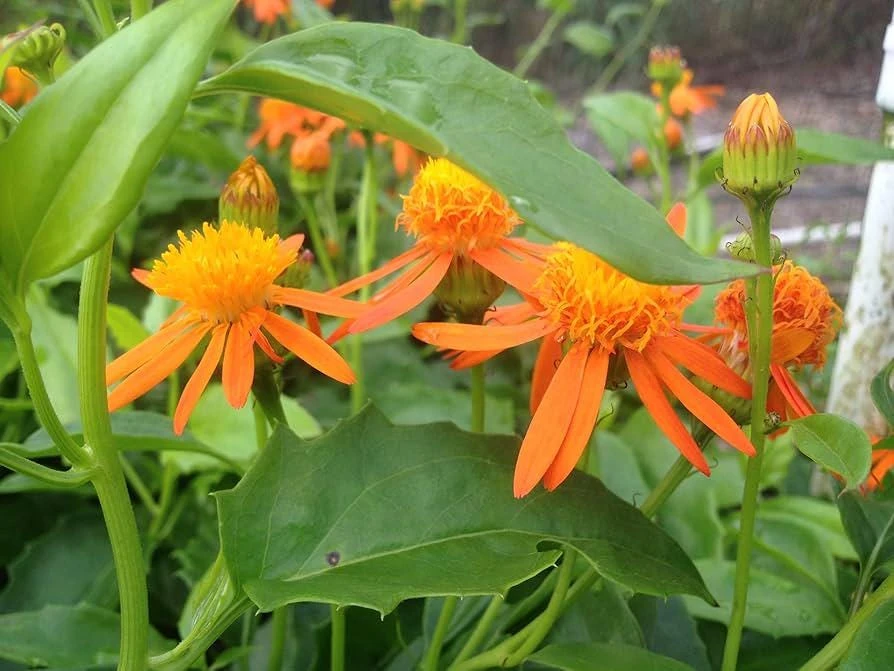
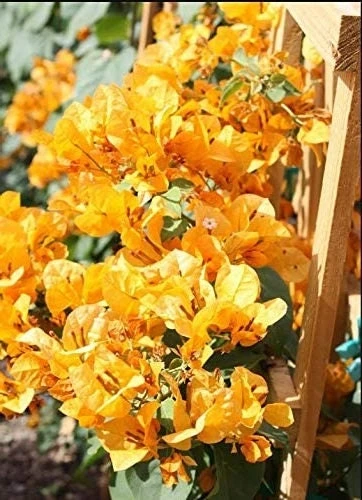
Mexican Flame Vine Live Plant – Senecio confusus Orange Flowering Vine – 1 Gallon Pot – Outdoor
Reviews
There are no reviews yet.