
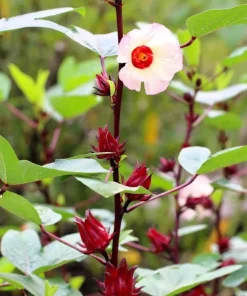
Roselle Hibiscus Live Plants Set of 4 for Planting, 4-8 Inch Tall
Original price was: $69.99.$44.99Current price is: $44.99.
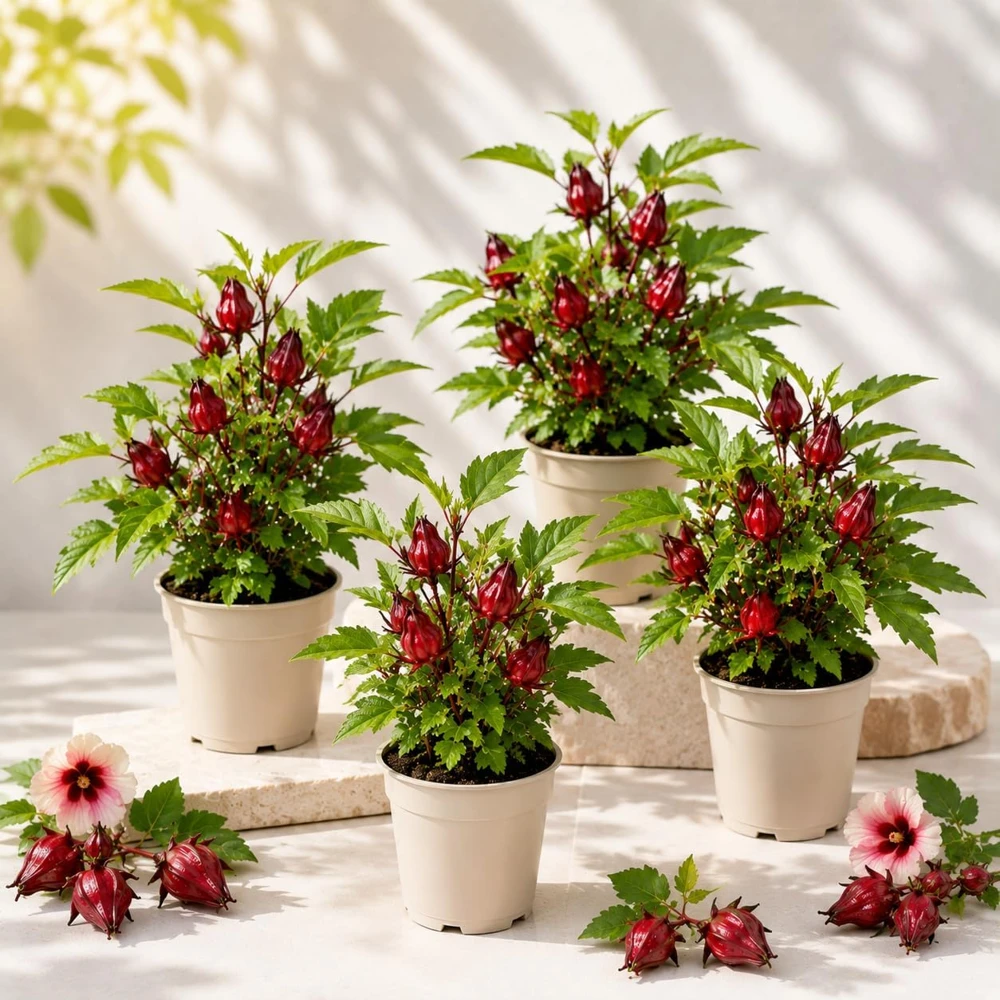
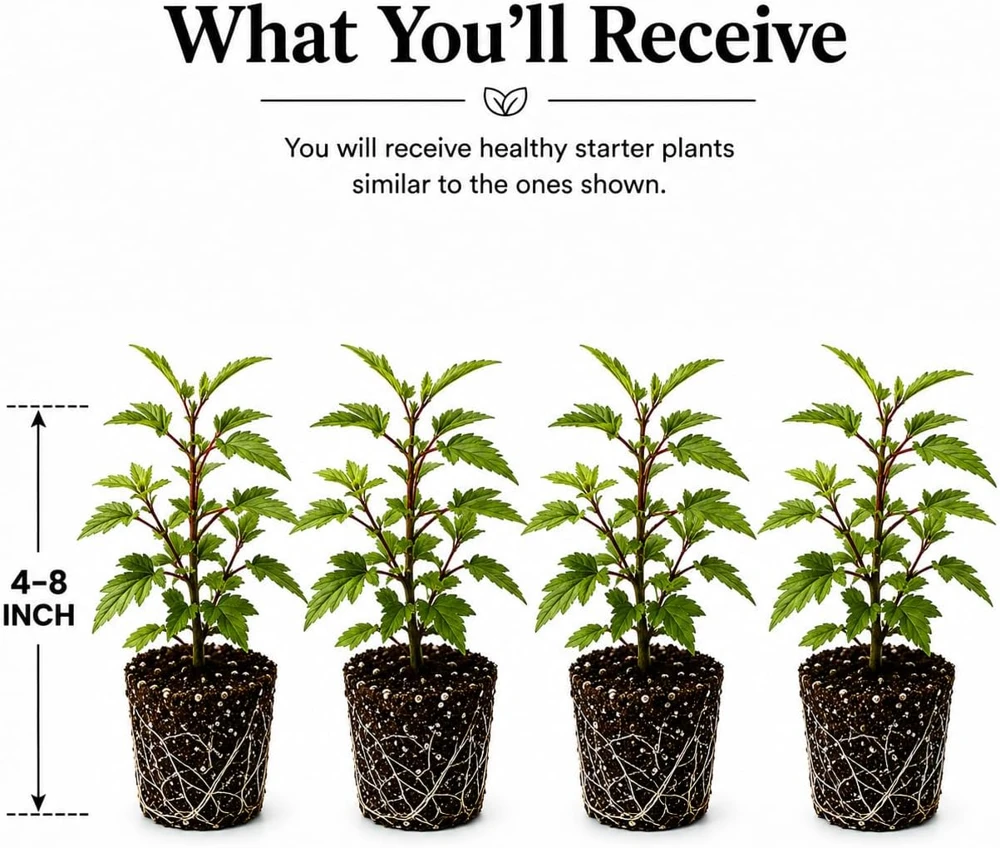
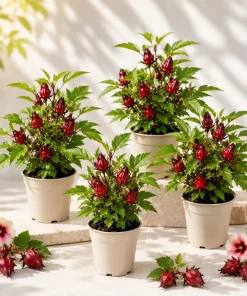
Cultivate your own vibrant roselle hibiscus live plant with this convenient set of four young starter plants. Ideal for home gardens, these 4-8 inch tall plants are ready for planting and promise a rewarding harvest of edible calyces.
Estimated arrival
Oct 27
Nov 01 - Nov 03
Nov 06 - Nov 10
Shop With Confidence
30-Day Plant Health Guarantee
Arrives damaged? We’ll replace it free — see our return policy.
Responsive Support
Email us anytime, we reply within 1 business day.
Expert Packaging
Temperature-controlled shipping to protect your plants in transit.
Secure Checkout
Pay safely with Visa, Mastercard, PayPal.
Plant Specifications
-
USDA Hardiness Zone
8–11 -
Soil Type
Well-draining soil -
Sunlight Exposure
Full sun -
Expected Planting Period
Spring to early summer
Overview
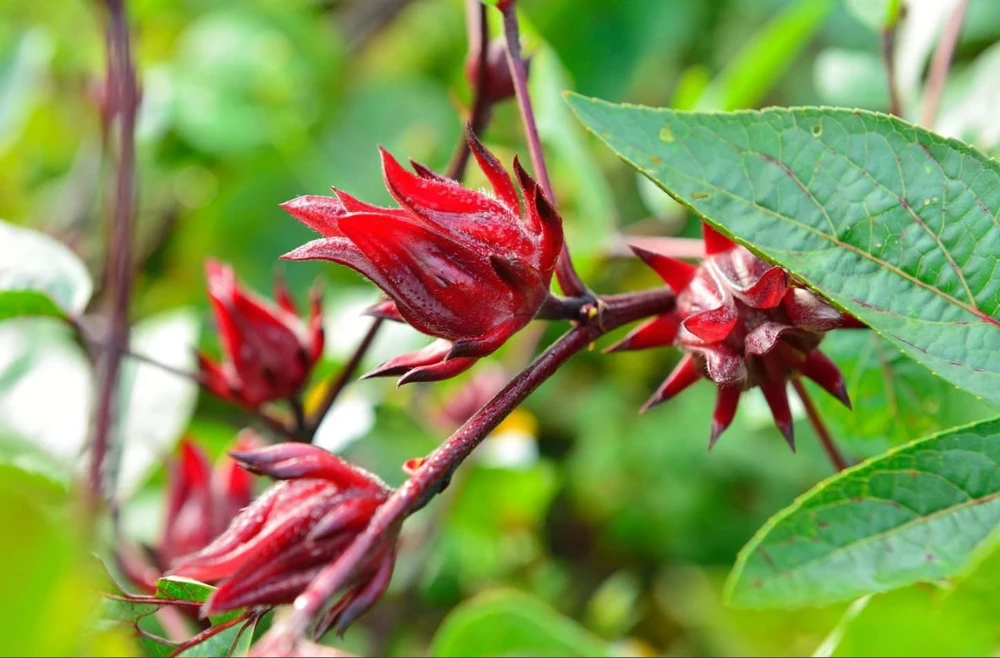
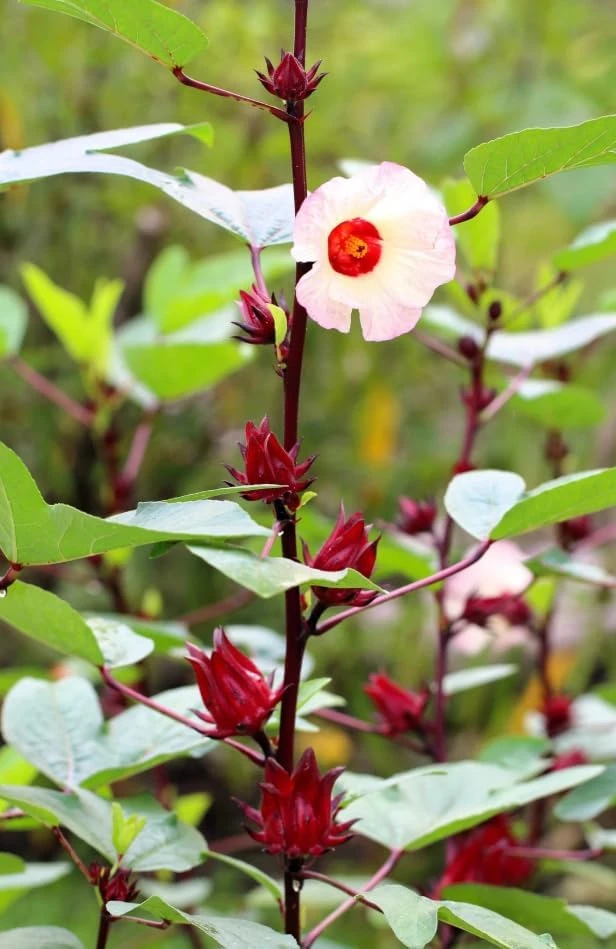
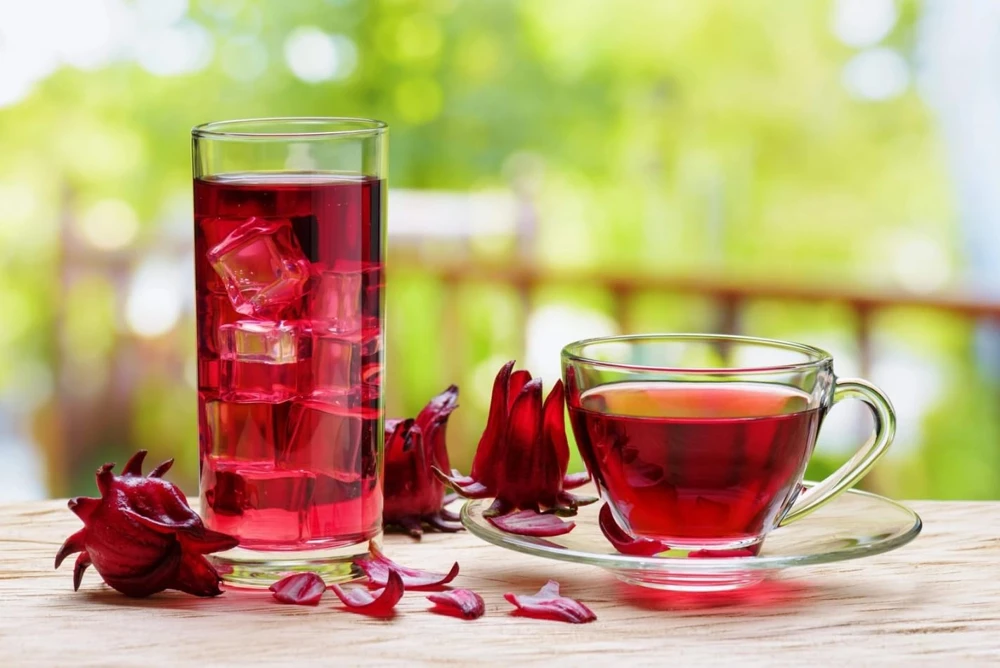
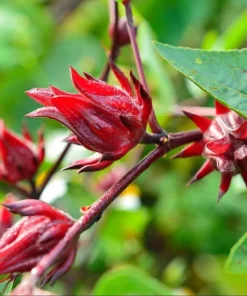
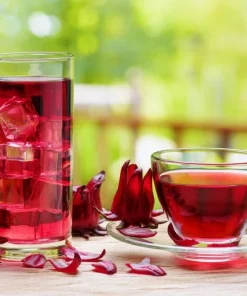
Embark on a rewarding gardening journey with our roselle hibiscus live plant set. This collection includes four healthy young starter plants, each measuring 4-8 inches tall, perfect for establishing in your home garden. Known scientifically as Hibiscus sabdariffa, roselle is a versatile and beautiful plant, cherished for its vibrant red calyces that are often used to make refreshing teas, jams, and other culinary delights. These plants bring both ornamental beauty and practical benefits to any outdoor space, thriving in warm climates and providing a unique addition to your edible landscape. Whether you’re an experienced gardener or just starting, growing roselle hibiscus live plant is a fulfilling experience that connects you with nature’s bounty.
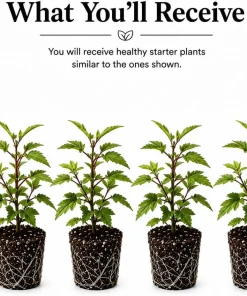
Our roselle hibiscus live plant specimens are carefully selected to ensure a robust start in your garden. They are shipped without pots, ready to be transplanted upon arrival. Roselle is a fast-growing annual or perennial, depending on your climate, that can reach impressive sizes, offering a lush backdrop in your garden before producing its valuable harvest. Enjoy the satisfaction of nurturing a plant that not only enhances your garden’s aesthetics but also provides a delicious and healthy ingredient for your kitchen.
Key Benefits
Discover the myriad advantages of incorporating roselle hibiscus live plant into your garden. These plants offer a blend of beauty, utility, and health benefits, making them a truly exceptional choice for any gardener.
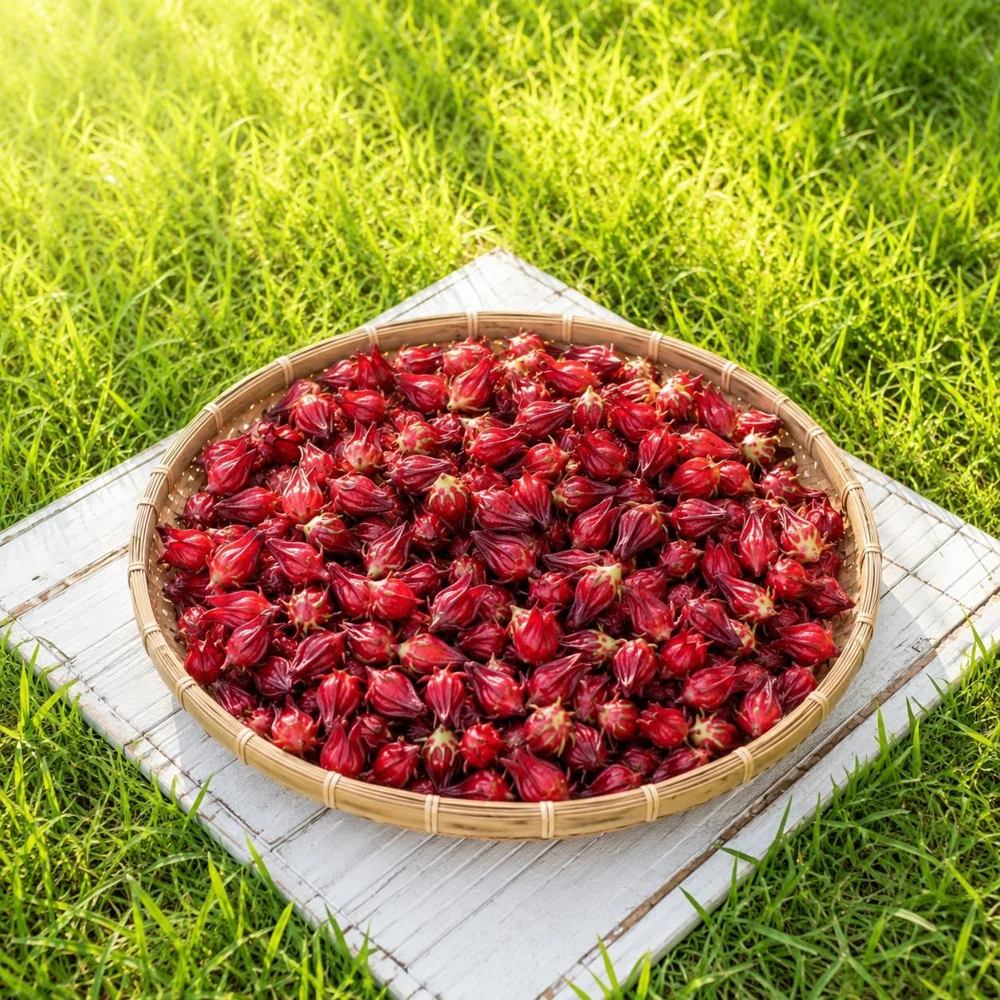
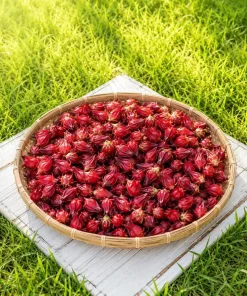
- Edible Calyces: The most significant benefit is the production of fleshy, red calyces, which are the part of the flower used for culinary purposes. These are rich in antioxidants and vitamins, perfect for making herbal teas, refreshing drinks, jams, and sauces. Learning how to grow roselle hibiscus allows you to enjoy these fresh, healthy ingredients directly from your garden.
- Vibrant Garden Addition: Roselle plants feature attractive foliage and striking red calyces, adding a splash of color and tropical flair to your garden. They can serve as an excellent focal point or a beautiful border plant, enhancing the overall aesthetic appeal of your outdoor space.
- Health Benefits: Roselle is renowned for its potential health benefits, including supporting heart health and providing a significant boost of vitamin C. Incorporating roselle into your diet can contribute to a healthier lifestyle, making the edible hibiscus plant a valuable asset.
- Easy to Grow: Despite its exotic appearance, roselle is surprisingly easy to cultivate, especially in suitable climates. It’s a hardy plant that, once established, requires minimal fuss, making it ideal for gardeners of all experience levels.
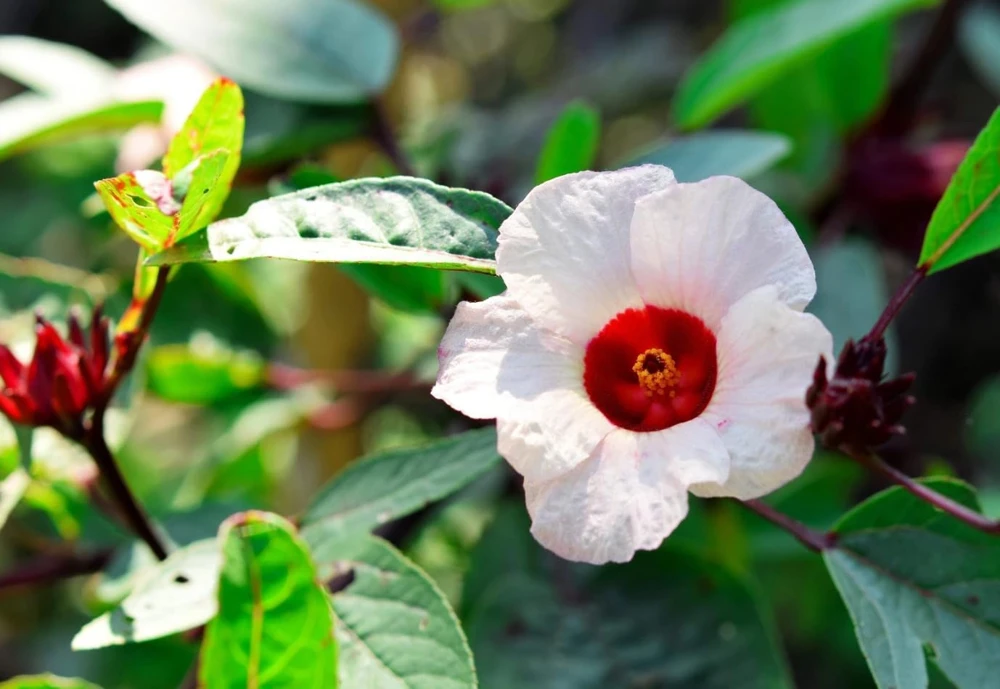
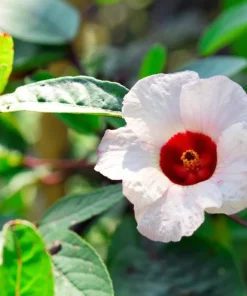
- Attracts Pollinators: The flowers of the hibiscus sabdariffa plant attract beneficial pollinators like bees and butterflies, contributing to the biodiversity and health of your garden ecosystem.
- Versatile Culinary Use: Beyond beverages and jams, roselle calyces can be used in savory dishes, salads, and desserts, offering a unique tart flavor that complements a wide range of recipes.
- Fast Growth: Roselle plants grow relatively quickly, providing a rapid return on your gardening efforts with a harvest typically ready in late summer to fall. This makes the roselle hibiscus live plant a satisfying choice for those who enjoy seeing quick results.
Plant Care & Growing Tips
To ensure your roselle hibiscus live plant thrives, understanding its specific care requirements is crucial. These plants are relatively low-maintenance once established, but providing the right conditions from the start will lead to a bountiful harvest. Roselle prefers warm temperatures, typically between 70°F and 95°F, making it well-suited for USDA Zones 8-11. In cooler climates, it can be grown as an annual or started indoors and transplanted after the last frost.
For optimal growth, plant your roselle hibiscus live plant in a location that receives full sun, meaning at least 6-8 hours of direct sunlight per day. Well-draining soil is paramount to prevent root rot; a rich, loamy soil amended with organic matter is ideal. Water regularly to keep the soil consistently moist, especially during dry spells and the plant’s active growing period, but be careful to avoid waterlogged conditions. Fertilize every 4-6 weeks during the growing season with a balanced, all-purpose fertilizer to encourage strong growth and abundant flowering. Pruning can help encourage bushier growth and increase yield. Monitoring for common pests and diseases, though generally resilient, will help ensure a healthy plant. Understanding proper roselle plant care is key to a successful harvest.
When you grow roselle hibiscus, remember that while the plants are hardy, young starter plants are more sensitive. Protect them from sudden temperature drops and strong winds immediately after planting. As they mature, the plants become more robust. The blooming season for roselle is typically late summer to fall, which is when the edible calyces begin to form. Harvesting the calyces when they are plump and vibrant red will encourage further production.
Size & Details
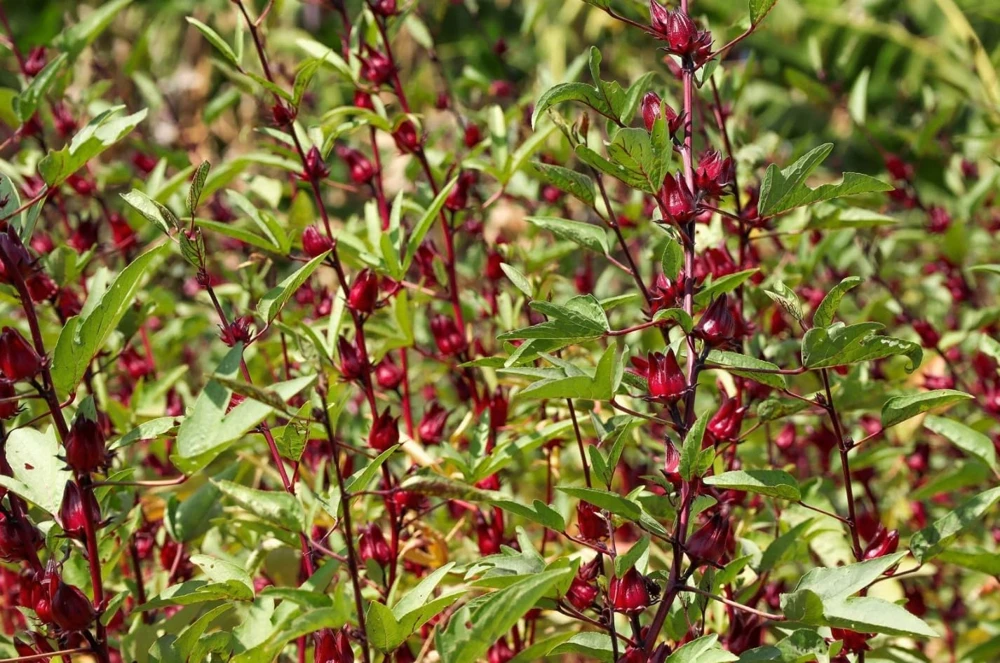
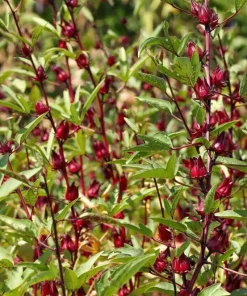
This offering includes a set of four roselle hibiscus live plant starter specimens, each measuring between 4 and 8 inches tall at the time of shipment. These young plants are shipped bare root, meaning they are carefully packaged without a pot to minimize shipping stress and prepare them for direct planting into your garden or a larger container. Roselle is known for its relatively fast growth rate, and under optimal conditions, these plants can quickly establish themselves and grow into substantial bushes, often reaching 5-7 feet in height and width within a single growing season when grown as an annual. As an edible hibiscus plant, it typically begins to produce its characteristic calyces in late summer and continues into the fall, providing a harvestable crop within a few months of planting.
Frequently Asked Questions
- Q: How big will my roselle hibiscus live plant get? A: When grown as an annual in optimal conditions, a roselle hibiscus live plant can reach heights of 5-7 feet and similar widths within a single growing season. As a perennial in warm zones, it can become even larger.
- Q: Is this an indoor or outdoor plant? A: While roselle is primarily an outdoor plant thriving in full sun and warm temperatures, it can be grown in large containers and brought indoors in colder climates during winter, though it may not produce as much.
- Q: How much sunlight does the hibiscus sabdariffa plant need? A: The hibiscus sabdariffa plant requires full sun, which means at least 6-8 hours of direct sunlight per day, for the best growth and calyx production.
- Q: Is this plant easy to care for? A: Yes, roselle is considered relatively easy to care for, especially in its preferred warm climates. It requires consistent watering and full sun, making it suitable for gardeners of various experience levels.
- Q: What condition will the plants arrive in? A: Your roselle hibiscus live plant will arrive as young starter plants, 4-8 inches tall, shipped bare root and ready for immediate planting. They may not have flowers or fruit upon arrival.
- Q: When is the best time to plant roselle? A: The best time to plant roselle is in spring after all danger of frost has passed, once temperatures are consistently warm (above 70°F).
- Q: Can I use the roselle calyces in cooking? A: Absolutely! The vibrant red calyces of the edible hibiscus plant are widely used in culinary applications, most commonly for making teas, jams, sauces, and even savory dishes due to their tart, cranberry-like flavor.
- Q: What USDA Zones are suitable for growing roselle? A: Roselle thrives in USDA Zones 8–11 as a perennial, but can be grown as an annual in many other zones as long as it has a warm, long growing season.
- Q: How frequently should I water my roselle plant? A: Water your roselle plant care consistently to keep the soil evenly moist, especially during dry periods. Avoid letting the soil dry out completely or become waterlogged.
- Q: Will my roselle plant have flowers or fruit upon arrival? A: No, your young starter plants will not typically have flowers or fruit upon arrival. They will develop these as they mature throughout the growing season.
Be the first to review “Roselle Hibiscus Live Plants Set of 4 for Planting, 4-8 Inch Tall”
People Also Viewed
Reviews
There are no reviews yet.