

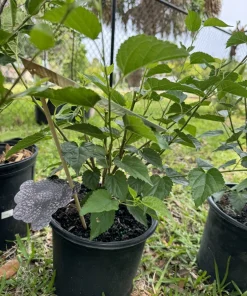
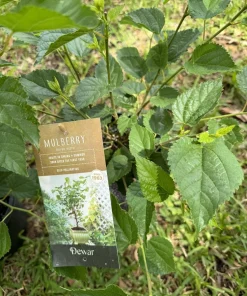
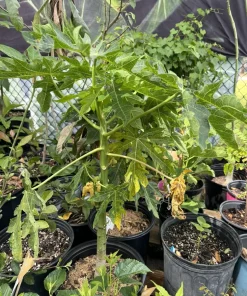
Organic Mulberry Bonsai Tree – Live Fruit Plant for Indoor/Outdoor
Original price was: $91.99.$71.99Current price is: $71.99.
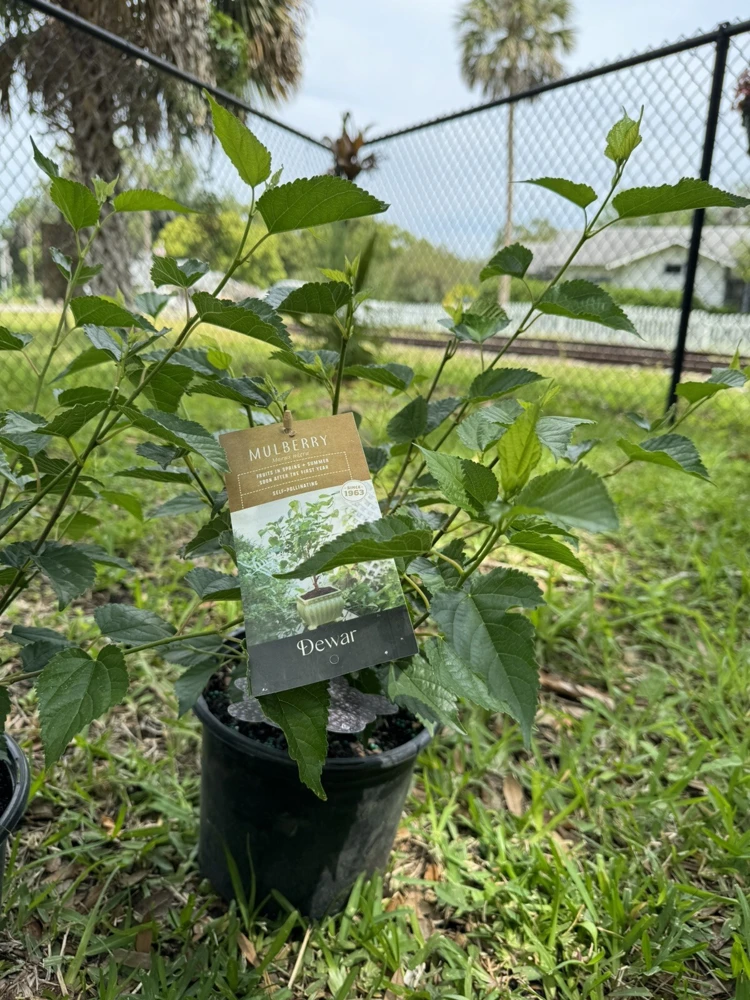
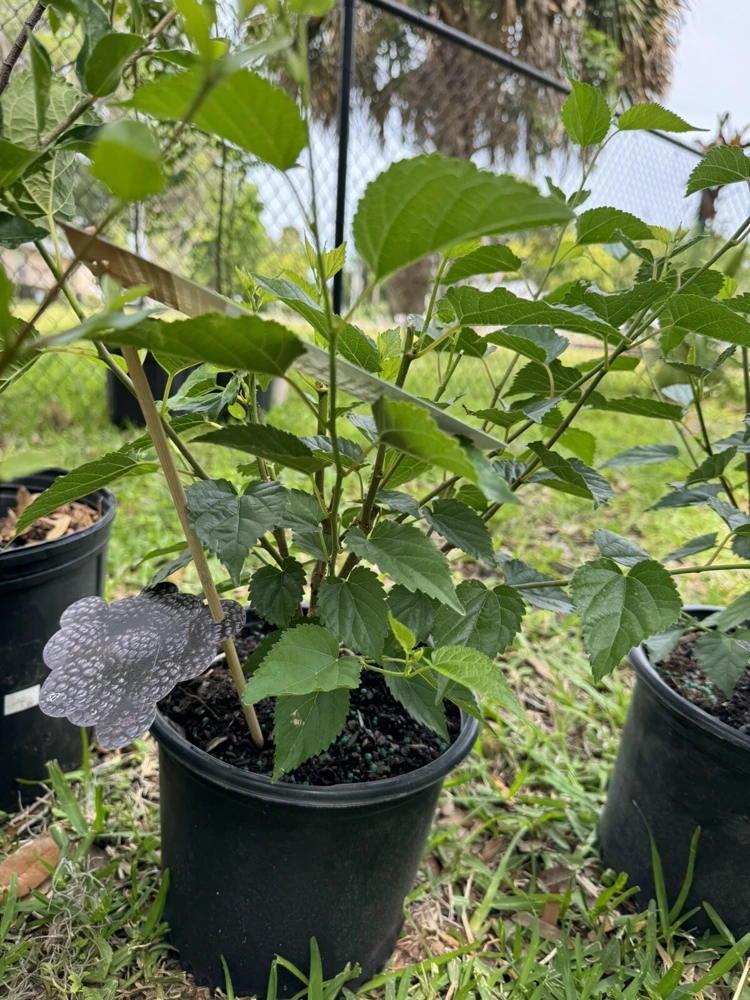
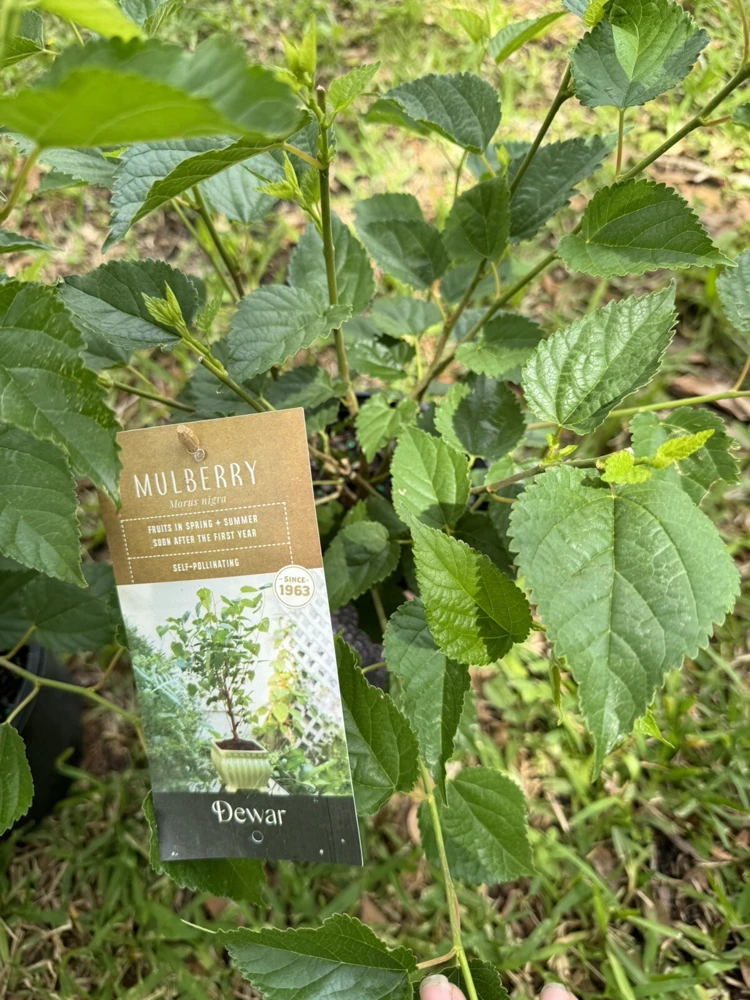
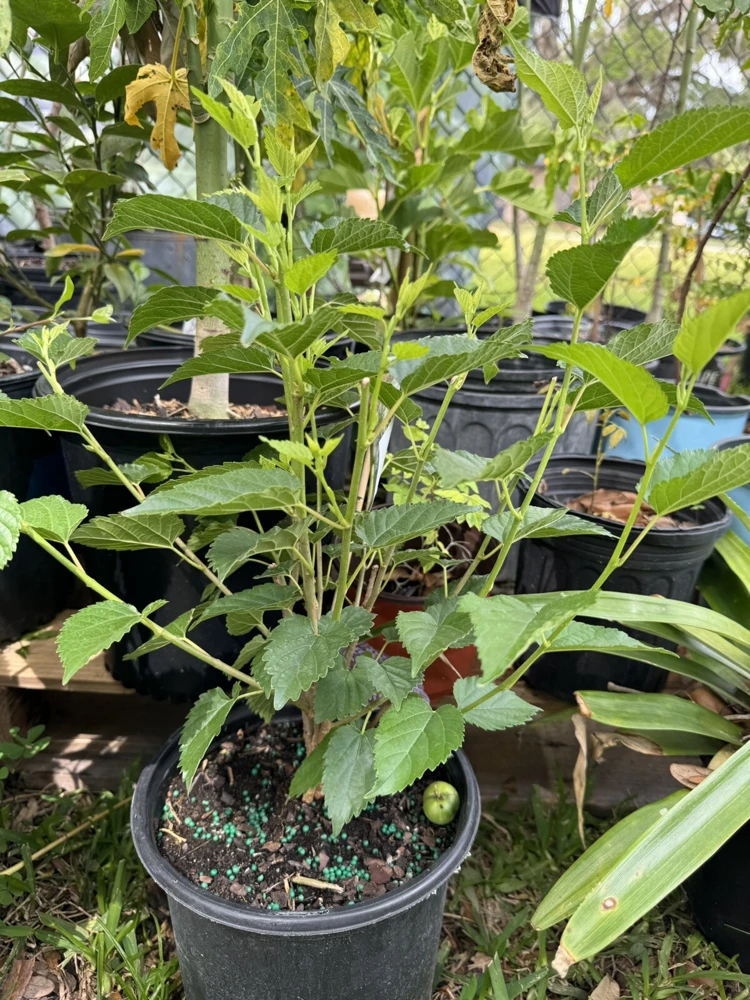
Cultivate your own delicious fruit with this organic mulberry bonsai tree. This unique mulberry live plant offers both ornamental beauty and edible rewards, suitable for indoor or outdoor growing. Enjoy fresh mulberries from your very own fruit bonsai tree.
Estimated arrival
Oct 27
Nov 01 - Nov 03
Nov 06 - Nov 10
Shop With Confidence
30-Day Plant Health Guarantee
Arrives damaged? We’ll replace it free — see our return policy.
Responsive Support
Email us anytime, we reply within 1 business day.
Expert Packaging
Temperature-controlled shipping to protect your plants in transit.
Secure Checkout
Pay safely with Visa, Mastercard, PayPal.
Plant Specifications
-
USDA Hardiness Zone
USDA zones 5-9 (can be grown indoors in all zones) -
Soil Type
Well-draining, slightly acidic to neutral potting mix -
Sunlight Exposure
Full sun (6-8 hours direct light daily) -
Expected Planting Period
Year-round indoors; spring to early summer outdoors
Overview
Discover the joy of growing your own edible landscape with this exquisite organic mulberry bonsai tree. This unique specimen combines the ancient art of bonsai with the delightful reward of fresh, homegrown organic mulberries. Perfect for both seasoned gardeners and enthusiastic beginners, this mulberry live plant arrives ready to thrive, offering a beautiful focal point and a tasty harvest. Mulberries, scientifically known as Morus, are cherished for their sweet, juicy fruits and attractive foliage. Our organic mulberry bonsai is cultivated with care, ensuring a healthy and robust plant that will bring years of enjoyment. Whether you envision it gracing your patio, balcony, or even as an indoor companion, this fruit-bearing bonsai is a testament to sustainable and rewarding gardening. Embrace the opportunity to cultivate a living piece of art that also provides delicious, nutritious fruit.
The allure of a fruit bonsai tree lies in its ability to condense the grandeur of nature into a miniature form, making it accessible for diverse living spaces. This organic mulberry bonsai exemplifies this, growing into a charming, compact tree that produces delectable berries. It’s more than just a plant; it’s a conversation starter, a source of fresh produce, and a daily connection to nature. With proper mulberry plant care, you can expect a vibrant, productive plant that will yield numerous berries each season. This particular variety is selected for its adaptability and fruit-bearing qualities, ensuring a gratifying experience for any gardener looking to grow mulberry indoors or outdoors.
Key Benefits
An organic mulberry bonsai offers a multitude of benefits, blending aesthetic appeal with practical rewards. Here are some of the key advantages of adding this unique mulberry live plant to your collection:
- Fresh, Organic Fruit: Enjoy the unparalleled taste of fresh, organic mulberries picked directly from your own tree. Knowing your fruit is free from pesticides and chemicals provides peace of mind and superior flavor. This is a significant advantage of growing your own fruit bonsai tree.
- Unique Ornamental Value: The delicate leaves, intricate branch structure, and eventual fruit of a mulberry bonsai create a stunning visual display. It serves as a living piece of art that enhances any indoor or outdoor setting, adding a touch of elegance and natural beauty.
- Educational and Rewarding Hobby: Bonsai cultivation is a deeply meditative and rewarding hobby. Tending to your mulberry bonsai provides a unique learning experience about plant growth, pruning, and care, fostering a deeper connection with nature. Learning about mulberry plant care can be a fulfilling journey.
- Compact and Versatile Growth: Designed for compact living, this bonsai is perfect for small spaces such as apartments, balconies, or patios. It can also be a delightful addition to a larger garden, offering flexibility in placement and design. You can easily grow mulberry indoors in a suitable spot.
- Health Benefits of Mulberries: Mulberries are packed with vitamins (C and K), antioxidants, and fiber, contributing to a healthy diet. Having them readily available encourages regular consumption of this beneficial fruit.
- Sustainability and Self-Sufficiency: Growing your own fruit promotes sustainability and a sense of self-sufficiency. Reduce your carbon footprint and enjoy the satisfaction of producing your own food with this organic mulberry bonsai.
- Adaptability: While often grown outdoors, with adequate light and care, this mulberry bonsai can adapt well to indoor environments, making it a versatile choice for various climates and living situations.
Plant Care & Growing Tips
Providing proper mulberry plant care is essential for a thriving and productive organic mulberry bonsai. Mulberries generally prefer full sun, meaning at least 6-8 hours of direct sunlight per day. If growing indoors, place your bonsai near a south-facing window or supplement with a grow light to ensure it receives sufficient light. For outdoor cultivation, choose a location that gets ample sunlight throughout the day. Consistent light is crucial for fruit production and overall plant health. Protect your bonsai from extreme temperatures, especially during harsh winters if you are in a colder climate. While mulberries are deciduous, meaning they lose their leaves in winter, extreme cold can still damage the plant.
Watering is a critical aspect of caring for your mulberry live plant. The soil should be kept consistently moist but never waterlogged. Check the soil moisture daily by sticking your finger about an inch deep into the soil. If it feels dry, it’s time to water thoroughly until water drains from the bottom of the pot. During hot summer months, you may need to water more frequently. Reduce watering in winter when the plant is dormant. Good drainage is paramount; use a well-draining potting mix specifically formulated for fruit trees or bonsai. Fertilize your organic mulberry bonsai during the growing season (spring and summer) with a balanced organic fertilizer, following the product’s instructions. Avoid over-fertilizing, as this can lead to excessive foliage growth at the expense of fruit production.
Pruning is an integral part of bonsai care, especially for a fruit bonsai tree. Prune to maintain the desired shape, encourage branching, and promote fruit development. Remove any dead, diseased, or crossing branches. Light pruning can be done throughout the growing season, with more significant structural pruning typically performed in late winter or early spring before new growth emerges. Repot your mulberry bonsai every 2-3 years, or when you notice roots circling the pot. Use fresh potting mix and gently trim a portion of the roots to encourage new growth. While you can grow mulberry indoors, ensure it receives sufficient air circulation to prevent fungal issues. Monitor for common pests like aphids or spider mites and treat them promptly with organic pest control methods if necessary.
Size & Details
This organic mulberry bonsai is carefully cultivated to provide a compact yet productive fruit-bearing tree. While specific dimensions can vary, it is typically supplied as a young, established plant, ready for continued training into a beautiful bonsai form. The initial height will generally range from 8 to 14 inches tall, depending on the stage of growth and specific variety. It is grown in a nursery pot, usually a 4-6 inch container, ensuring a healthy root system for transplanting or continued growth in its current vessel. Mulberries are known for their relatively fast growth rate, allowing for noticeable development and fruit production within a few seasons with proper care. Expect to see your first berries within 1-2 years under optimal growing conditions, making this a truly rewarding mulberry live plant to nurture.
The plant will arrive carefully packaged, often in a dormant state during colder months, which is a natural and healthy phase for deciduous trees. Once established, this fruit bonsai tree can be pruned and shaped to your desired aesthetic, allowing for personalized artistic expression. The mature size will depend on your pruning techniques and the container size, but it is designed to remain a manageable and charming addition to your space. With consistent mulberry plant care, this bonsai will provide both visual appeal and delicious fruit for many years. It is an ideal specimen for anyone looking to grow mulberry indoors or outdoors, offering a unique and sustainable gardening experience.
Frequently Asked Questions
- Q: How big does this organic mulberry bonsai get? A: The size of your organic mulberry bonsai can be controlled through regular pruning and its container size. Typically, it will be maintained between 12-24 inches tall, allowing it to remain a compact and manageable tree for indoor or outdoor display.
- Q: Is this an indoor or outdoor mulberry live plant? A: This mulberry live plant is versatile and can be grown both indoors and outdoors. If grown indoors, ensure it receives ample bright light, preferably from a south-facing window or with supplemental grow lights. Outdoors, it thrives in full sun.
- Q: How much sunlight does a fruit bonsai tree need? A: A fruit bonsai tree like the mulberry requires at least 6-8 hours of direct sunlight per day for optimal growth and fruit production. Insufficient light can lead to poor fruit yield and weaker growth.
- Q: Is this plant easy to care for? Is it good for beginners? A: With basic knowledge of bonsai principles and consistent attention, this mulberry live plant can be a rewarding project for beginners. The key is consistent watering, adequate sunlight, and mindful pruning for successful mulberry plant care.
- Q: What condition will it arrive in? Is it shipped in soil? A: Your organic mulberry bonsai will arrive carefully packed, typically in its nursery pot with soil. It will be secured to minimize movement during transit, ensuring it reaches you in the best possible condition, ready for its new home.
- Q: How long until it starts producing fruit? A: With proper care, your fruit bonsai tree can start producing berries within 1-2 years of planting. Fruit production is dependent on light, water, and nutrient availability, as well as the plant’s maturity.
- Q: Can I grow mulberry indoors year-round? A: Yes, you can successfully grow mulberry indoors year-round, especially in regions with cold winters. Ensure it receives sufficient light and maintain consistent temperatures. It will still go through a dormant period where it loses its leaves, even indoors.
- Q: What is the best time to prune my mulberry bonsai? A: Structural pruning for your organic mulberry bonsai is best done in late winter or early spring before new growth begins. Light maintenance pruning to shape and remove unwanted growth can be done throughout the growing season.
- Q: What type of soil is best for this mulberry tree? A: A well-draining, slightly acidic to neutral potting mix is ideal for your mulberry live plant. You can use a standard bonsai soil mix or a blend of organic potting soil with perlite or coarse sand for improved drainage.
- Q: Are the mulberries from this tree edible? A: Yes, the mulberries produced by this fruit bonsai tree are fully edible and delicious. They are grown organically, ensuring a safe and healthy harvest for your enjoyment.
Be the first to review “Organic Mulberry Bonsai Tree – Live Fruit Plant for Indoor/Outdoor”
People Also Viewed
Reviews
There are no reviews yet.