
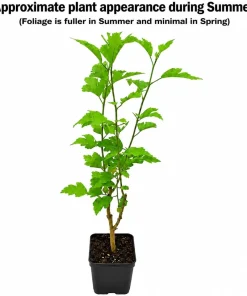

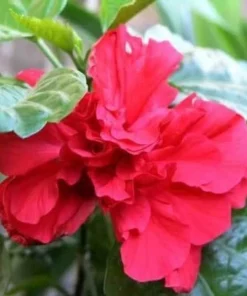
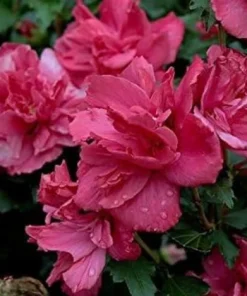
Red Rose of Sharon Hibiscus Shrub – 10-16″ Tall Live Plant – Quart Pot Outdoor
Original price was: $53.98.$29.99Current price is: $29.99.
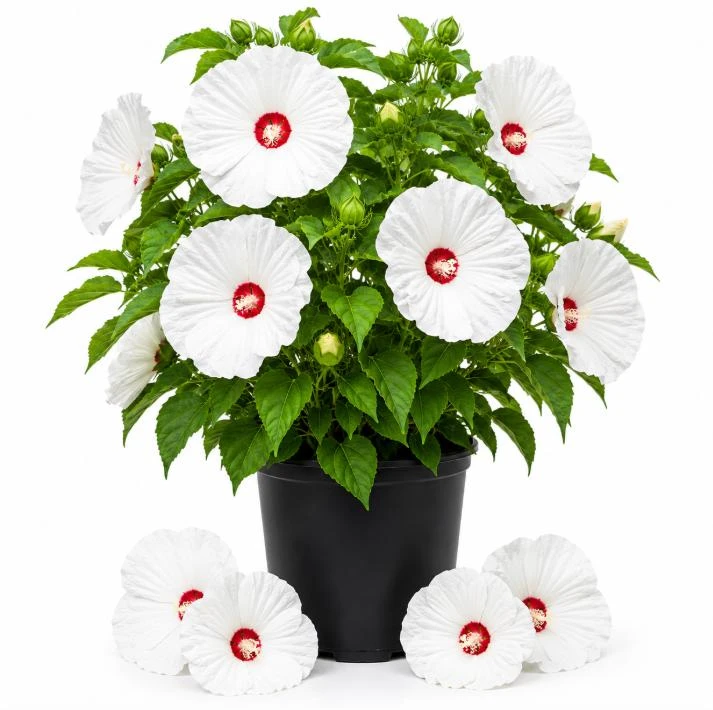
Add a burst of color to your landscape with this red rose of sharon live plant. Standing 10-16 inches tall in a quart pot, this beautiful flowering shrub is perfect for hedges, borders, or as a vibrant specimen plant. It offers showy blooms that attract pollinators like bees and butterflies.
Estimated arrival
Sep 20
Sep 25 - Sep 27
Sep 30 - Oct 04
Shop With Confidence
30-Day Plant Health Guarantee
Arrives damaged? We’ll replace it free — see our return policy.
Responsive Support
Email us anytime, we reply within 1 business day.
Expert Packaging
Temperature-controlled shipping to protect your plants in transit.
Secure Checkout
Pay safely with Visa, Mastercard, PayPal.
Plant Specifications
-
USDA Hardiness Zone
5-9 -
Soil Type
well-draining soil -
Sunlight Exposure
full sun -
Expected Planting Period
spring to early summer
Overview
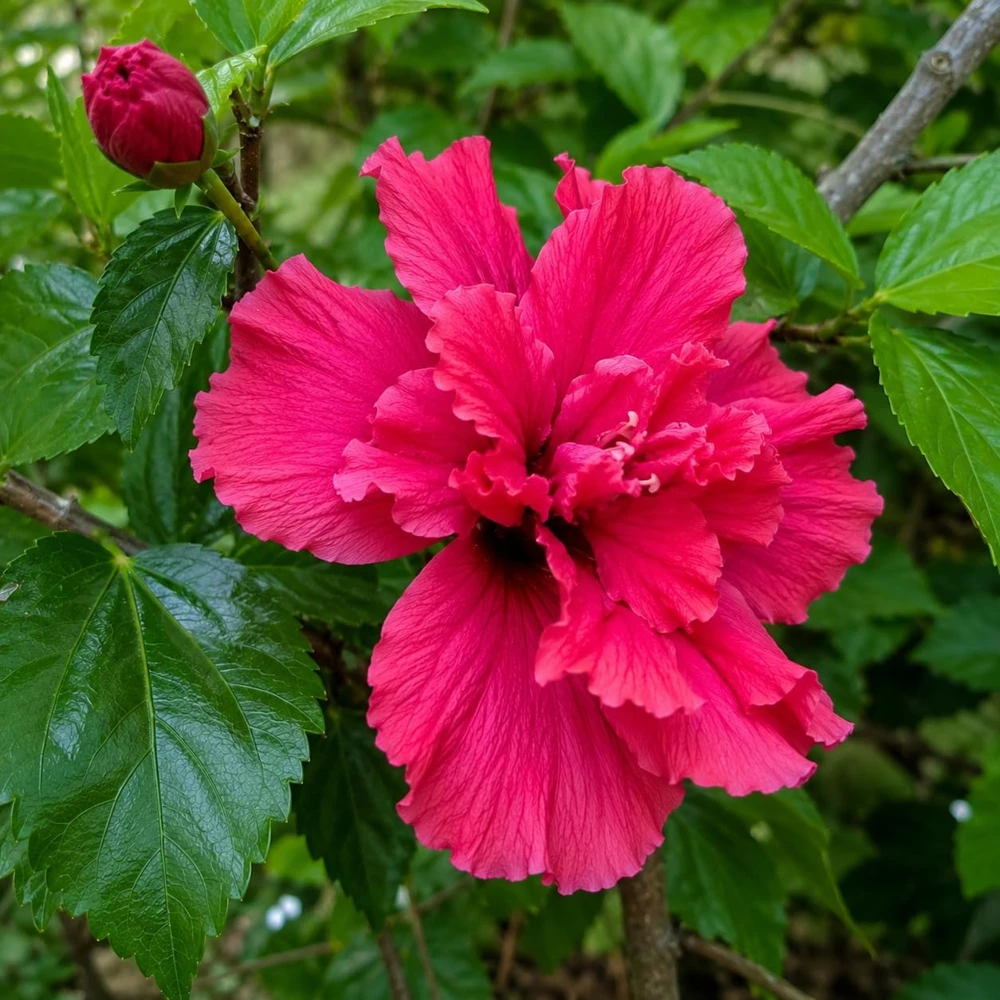
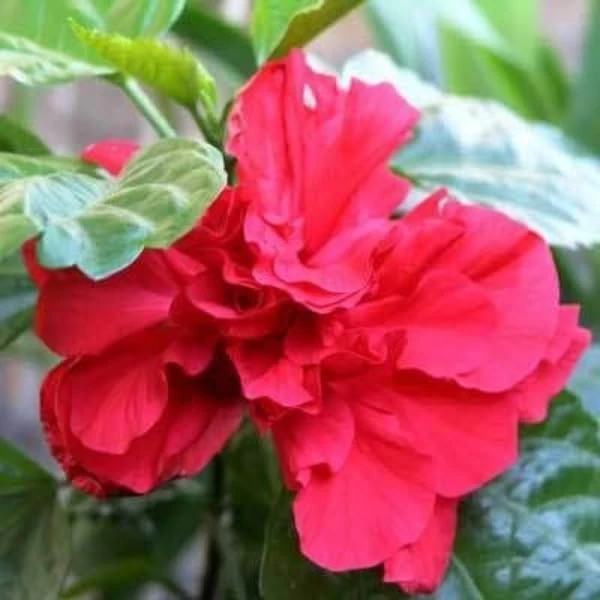
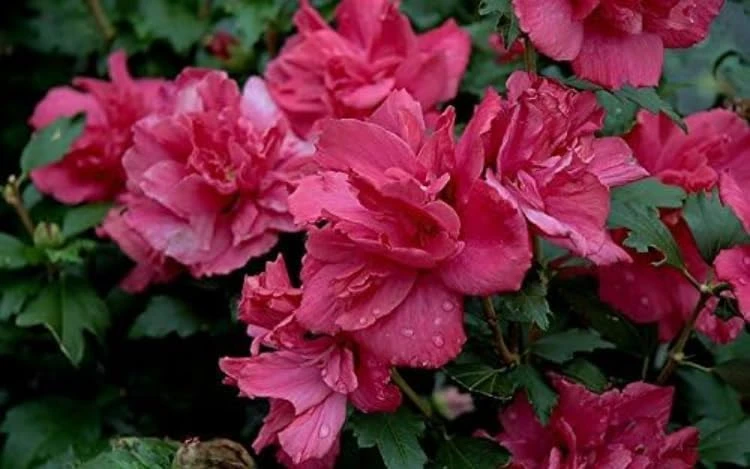
Introduce stunning vibrancy and continuous color to your garden with the exquisite red rose of sharon live plant. This deciduous shrub, scientifically known as Hibiscus syriacus, is celebrated for its large, trumpet-shaped flowers that bloom profusely from summer through fall. The particular variety features striking red blossoms, creating a dramatic focal point in any outdoor space. Often referred to as Althea, the red rose of sharon live plant is an easy-to-grow specimen, making it a favorite among both novice and experienced gardeners. It’s a fantastic choice for those looking to add long-lasting beauty and attract beneficial pollinators to their landscape.
The red althea bush is a resilient and adaptable plant, known for its hardiness and ability to thrive in various conditions. Its upright growth habit makes it suitable for a multitude of landscaping applications, from formal hedges to informal garden beds. This live plant arrives approximately 10-16 inches tall, well-rooted in a quart pot, ready to be transplanted into your garden or a larger container. Enjoy the effortless elegance and the rich, red hues this magnificent hibiscus brings to your outdoor sanctuary.
Key Benefits
The red rose of sharon live plant offers a multitude of advantages for your garden, combining aesthetic appeal with ecological benefits. Its robust nature and beautiful blooms make it an excellent addition to almost any outdoor setting.
- Prolific and Showy Blooms: Experience an abundance of large, vibrant red flowers that consistently adorn the shrub from early summer well into fall. These continuous blooms ensure your garden remains colorful for an extended period, creating a captivating display.
- Attracts Pollinators: This pollinator friendly plant is a magnet for local wildlife. Its nectar-rich flowers are irresistible to bees, butterflies, and even hummingbirds, contributing significantly to a healthy and thriving garden ecosystem.
- Low Maintenance: Known for its ease of care, the hibiscus syriacus red requires minimal attention once established. It is relatively drought-tolerant and adapts well to various soil conditions, making it an ideal choice for busy gardeners.
- Versatile Landscaping Plant: Whether you’re looking to create a dense privacy screen, a beautiful border, or a standout specimen plant, this shrub fits perfectly. Its upright form and attractive foliage provide structure and beauty to any garden design.
- Hardy and Resilient: The Rose of Sharon is a remarkably tough shrub, tolerant of urban pollution and a wide range of climates. It’s an excellent choice for adding reliable beauty to challenging environments.
- Deer Resistant: While no plant is entirely deer-proof, the Rose of Sharon is generally less appealing to deer, offering a greater chance of undisturbed growth and blooming in areas with deer populations.
- Long-Lasting Appeal: With its stunning flowers and strong growth habit, this flowering shrub outdoor provides years of enjoyment and enhances property value with its enduring charm.
Plant Care & Growing Tips
Caring for your red rose of sharon live plant is straightforward, ensuring a spectacular display of blooms with minimal effort. This hardy shrub thrives when its basic needs are met, rewarding you with a cascade of color throughout the warmer months. Proper care begins with understanding its preferences for sunlight, water, and soil.
Sunlight Requirements: The red rose of sharon live plant performs best in full sun, meaning it requires at least six hours of direct sunlight per day. While it can tolerate partial shade, too little sun may result in fewer blooms and a less vigorous growth habit. Position your shrub in a location that receives ample morning sun and some afternoon shade in extremely hot climates to protect it from scorching. This ensures optimal flowering for your hibiscus syriacus red.
Watering Schedule and Soil Moisture: Once established, Rose of Sharon is relatively drought-tolerant. However, consistent moisture is crucial during its establishment period and in prolonged dry spells. Water deeply once or twice a week, allowing the top few inches of soil to dry out between waterings. Avoid overwatering, as this can lead to root rot. Good drainage is key to maintaining a healthy red althea bush. For newly planted shrubs, water more frequently until the root system is well-established.
Soil Type and Drainage: This shrub is not particular about soil type and can grow in a variety of soils, from sandy to clay, as long as it is well-draining. It prefers a slightly acidic to neutral pH (6.0-7.0). Amending heavy clay soils with organic matter like compost or peat moss can improve drainage and aeration, which is beneficial for the root health of your flowering shrub outdoor. Ensure the planting site does not retain standing water after rain.
Temperature Range and USDA Hardiness Zone: The Rose of Sharon is a remarkably resilient plant, hardy in USDA Zones 5-9. It tolerates both cold winters and hot summers well within this range. In colder zones, some tip dieback may occur, but the plant typically recovers vigorously in spring. In warmer zones, ensure adequate water during peak summer heat. Protect young plants from harsh winter winds in the colder parts of its range.
Fertilization Schedule and Type: Fertilize your red rose of sharon live plant in early spring before new growth appears. Use a balanced, slow-release granular fertilizer or a fertilizer formulated for flowering shrubs. Avoid excessive nitrogen, which can promote leafy growth at the expense of flowers. A light application of compost around the base of the plant can also provide essential nutrients and improve soil structure. Do not fertilize late in the season, as this can encourage new growth that is susceptible to frost damage.
Common Problems and Solutions: Rose of Sharon is generally pest and disease resistant. Occasionally, aphids or whiteflies may appear; these can typically be controlled with a strong spray of water or insecticidal soap. Powdery mildew can occur in humid conditions; ensure good air circulation and avoid overhead watering to prevent it. Pruning for air circulation also helps. Keeping your pollinator friendly plant healthy through proper care is the best defense against issues.
Size & Details
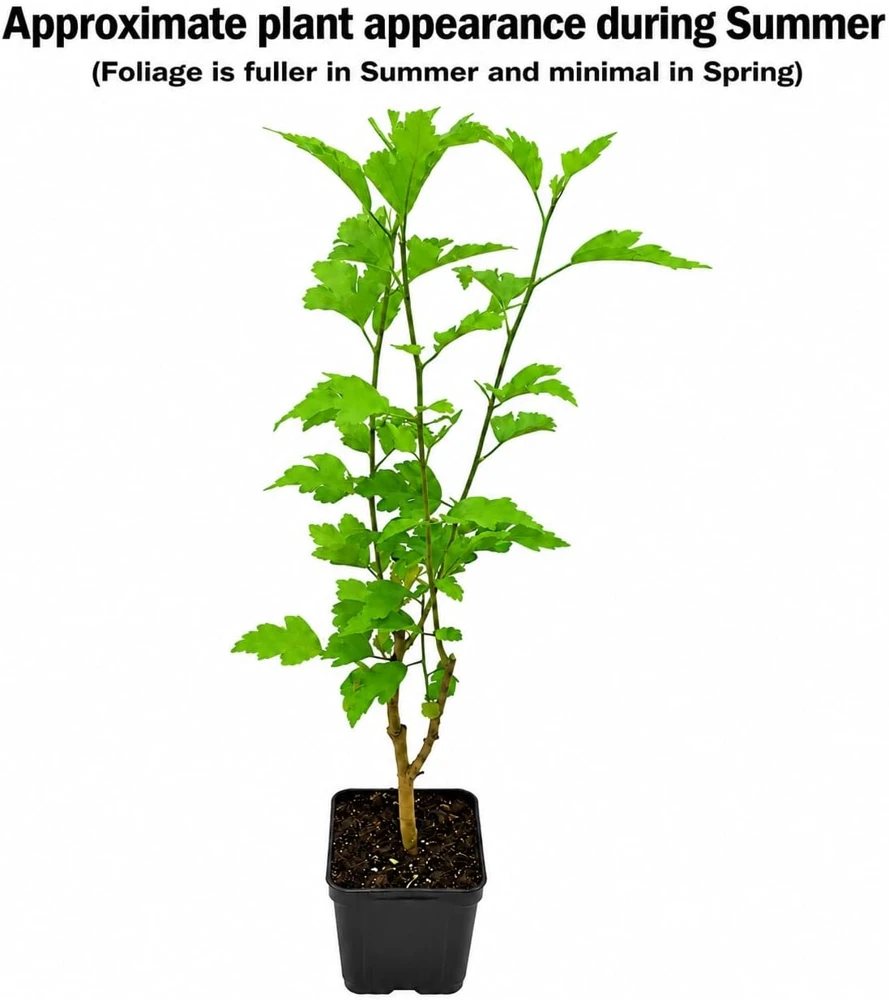
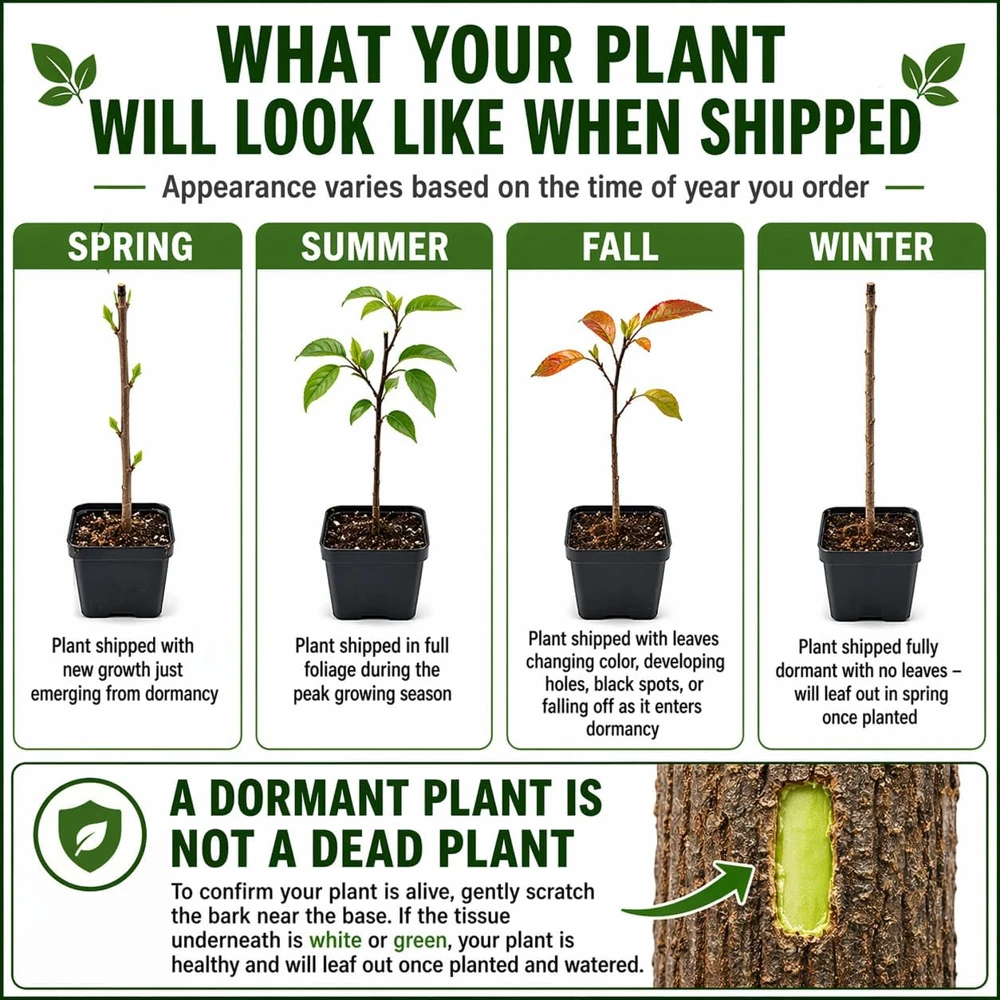
This offering includes one vibrant red rose of sharon live plant, meticulously nurtured and prepared for its journey to your garden. Each shrub measures approximately 10-16 inches in height from the top of the soil to the tip of its tallest stem, providing a well-established young plant ready for transplanting. It is shipped securely in a quart-sized nursery pot, ensuring its root system is intact and healthy upon arrival. The plant’s compact size at shipment makes it easy to handle and allows it to adapt quickly to its new environment.
The red althea bush is a moderately fast-growing shrub, capable of reaching mature heights of 8-12 feet and a spread of 6-10 feet if left unpruned. Its growth rate is typically 1-2 feet per year under ideal conditions. Expect this flowering shrub outdoor to begin producing its showy red blooms in its first or second growing season after planting, offering a delightful display from mid-summer through fall. This plant provides a strong foundation for a beautiful and long-lasting addition to your landscape.
Frequently Asked Questions
- Q: How big does this plant get? A: The red rose of sharon live plant typically grows to a mature height of 8-12 feet with a spread of 6-10 feet. Its size can be managed with regular pruning to fit your garden space.
- Q: What size pot does it come in? A: This red rose of sharon live plant is shipped in a quart-sized nursery pot, ensuring the roots are well-protected and the plant is ready for successful transplanting.
- Q: Is this an indoor or outdoor plant? A: The hibiscus syriacus red is primarily an outdoor plant, thriving in garden settings where it can receive ample sunlight and grow to its full potential. It is not recommended for long-term indoor cultivation.
- Q: How much sunlight does it need? A: For optimal blooming, the red rose of sharon live plant requires full sun, meaning at least 6 hours of direct sunlight per day. It can tolerate partial shade but may produce fewer flowers.
- Q: Is this plant easy to care for? A: Yes, the Rose of Sharon is known for being a low-maintenance and easy-to-grow shrub. It is quite resilient and tolerant of various conditions, making it suitable for gardeners of all experience levels.
- Q: What condition will it arrive in? A: Your red rose of sharon live plant will arrive approximately 10-16 inches tall, healthy, and well-rooted in its quart pot, carefully packaged to ensure safe transit.
- Q: Can it be used for hedges? A: Absolutely! The upright growth habit and dense foliage of the red althea bush make it an excellent choice for creating beautiful and effective hedges or privacy screens.
- Q: How long until it blooms? A: Your flowering shrub outdoor may produce blooms in its first growing season after planting, especially if planted in spring. Expect consistent and prolific flowering from mid-summer through fall once established.
- Q: Will it survive winter in my zone? A: The Rose of Sharon is hardy in USDA Zones 5-9. If you are within these zones, your plant should survive winter and return vigorously in the spring. In colder zones, some winter protection may be beneficial.
- Q: Is this a pollinator friendly plant? A: Yes, this Rose of Sharon variety is a wonderful pollinator friendly plant, attracting bees, butterflies, and hummingbirds to its vibrant red blossoms.
Be the first to review “Red Rose of Sharon Hibiscus Shrub – 10-16″ Tall Live Plant – Quart Pot Outdoor”
People Also Viewed
Vegetable Seeds
Reviews
There are no reviews yet.