

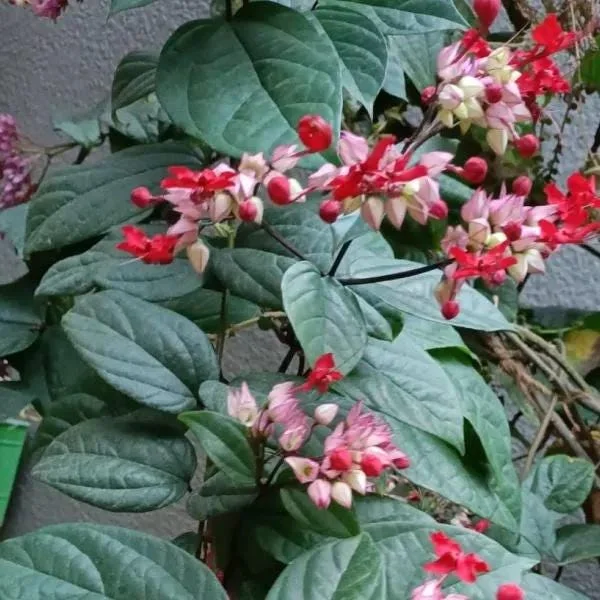
Red-Purple Bleeding Heart Vine Live Plant – Clerodendrum thomsoniae – 1 Ft Tall in 3″ Pot
Original price was: $63.76.$33.76Current price is: $33.76.
Bring exotic beauty to your garden or home with this stunning red-purple bleeding heart vine. The Clerodendrum thomsoniae features vibrant red and purple blossoms, perfect for climbing structures or as a pruned indoor plant. Ships as a 1 ft tall live plant in a 3″ pot.
Estimated arrival
Oct 27
Nov 01 - Nov 03
Nov 06 - Nov 10
Shop With Confidence
30-Day Plant Health Guarantee
Arrives damaged? We’ll replace it free — see our return policy.
Responsive Support
Email us anytime, we reply within 1 business day.
Expert Packaging
Temperature-controlled shipping to protect your plants in transit.
Secure Checkout
Pay safely with Visa, Mastercard, PayPal.
Plant Specifications
-
USDA Hardiness Zone
USDA Zones 9-11 (outdoors); suitable for indoor cultivation in all zones -
Soil Type
Rich, well-draining potting mix -
Sunlight Exposure
Part sun (bright indirect light) -
Expected Planting Period
Year-round indoors; spring to early summer outdoors
Overview
Introduce a touch of exotic elegance to your living space or garden with the magnificent red-purple bleeding heart vine. This captivating Clerodendrum thomsoniae live plant is renowned for its striking clusters of red and purple blossoms, creating a truly spectacular display. Often called the Bleeding Heart Vine due to its unique flower shape and color, this vigorous vine can reach impressive heights, making it an ideal choice for trellises, arbors, or as a vibrant groundcover. Whether you’re an experienced gardener or just starting, this plant offers a rewarding growing experience with its relatively easy care and stunning visual impact. Its ability to thrive both indoors and outdoors in suitable climates makes it a versatile addition to any plant collection. This particular offering provides a healthy 1 ft tall live plant, ready to establish itself in your home or garden.
The red-purple bleeding heart vine is a tropical to subtropical plant that brings a continuous show of color from late spring through fall. Its robust growth habit and beautiful foliage complement the dramatic flowers, ensuring year-round interest. This plant is not only a visual delight but also a conversation starter, drawing attention with its unique floral structure. If you’re looking for a plant that combines beauty with vigorous growth, the Clerodendrum thomsoniae is an excellent choice. It’s a plant that promises to transform any space into a lush, vibrant sanctuary.
Key Benefits
The red-purple bleeding heart vine offers a multitude of benefits, making it a highly desirable plant for various settings. Its unique attributes contribute to its popularity among plant enthusiasts and casual gardeners alike.
- Stunning Ornamental Value: The primary appeal of the red-purple bleeding heart vine lies in its extraordinary flowers. The exotic clusters of purple and red blossoms are truly eye-catching, providing a vibrant splash of color that can elevate any garden or indoor space. These distinctive blooms ensure your plant stands out.
- Versatile Growth Habit: As a vigorous vine, this plant is perfect for covering trellises, fences, pergolas, or any structure where you desire vertical greenery and floral beauty. Its climbing nature allows for creative landscaping and design opportunities, making it a truly adaptable plant.
- Long Blooming Season: Enjoy extended periods of bloom with this resilient vine. The flowers typically appear in late spring, lasting for several weeks, and then return in early fall, continuing until the first frost. This prolonged display ensures continuous beauty in your garden.
- Indoor Plant Potential: For those in cooler climates or with limited outdoor space, the Clerodendrum thomsoniae makes an excellent indoor plant. With proper pruning and care, it can be maintained in a container, bringing its tropical charm into your home. This makes it a great option for an indoor bleeding heart vine.
- Fast-Growing & Resilient: This vine is a relatively fast-growing vine plant, quickly establishing itself and providing coverage. Its robust nature means it can withstand various conditions once established, making it a reliable addition to your plant collection.
- Attracts Pollinators: While not explicitly stated, many flowering vines attract beneficial pollinators like hummingbirds and butterflies, adding ecological value to your garden. The vibrant colors of the red-purple bleeding heart vine are often appealing to these garden visitors.
Plant Care & Growing Tips
Caring for your red-purple bleeding heart vine, or Clerodendrum thomsoniae, is relatively straightforward, ensuring you can enjoy its beautiful blooms for years to come. This vine thrives in conditions that mimic its tropical origins, so providing adequate light, water, and support is key to its success. It is important to remember that while it is hardy, consistent care will yield the most impressive results from your red-purple bleeding heart vine.
Sunlight Requirements: The Bleeding Heart Vine thrives in part sun conditions. This means it prefers bright, indirect light for several hours a day, especially during the hottest parts of the afternoon. If grown outdoors, a location that receives morning sun and afternoon shade is ideal. When grown indoors, place it near a bright window where it can receive ample light but is protected from intense, direct midday sun which can scorch its leaves. Adequate light is crucial for prolific flowering, so ensure it gets at least 4-6 hours of bright light daily.
Watering Schedule and Soil Moisture: This plant prefers consistently moist, but not waterlogged, soil. Water thoroughly when the top inch of soil feels dry to the touch. Reduce watering slightly during cooler months or when the plant is not actively growing. Ensure good drainage to prevent root rot, as soggy conditions are detrimental to its health. Overwatering is a common mistake, so always check the soil moisture before watering again. For an indoor bleeding heart vine, a saucer beneath the pot can help catch excess water, but remember to empty it to prevent the plant from sitting in water.
Soil Type and Drainage Requirements: The Clerodendrum thomsoniae prefers a rich, well-draining potting mix. A good quality all-purpose potting soil amended with some compost or perlite will provide the necessary nutrients and aeration. For outdoor planting, ensure your garden soil is not overly heavy clay; amending with organic matter will improve drainage and fertility. Good drainage is paramount for the health of the roots.
Temperature Range and USDA Hardiness Zone: This tropical vine prefers warm temperatures, ideally between 60-75°F (15-24°C). It is generally hardy in USDA Zones 9-11 for outdoor planting, where it can be grown as a perennial. In colder zones, it should be treated as an annual or brought indoors before temperatures drop below 50°F (10°C). Protecting it from frost is crucial. Humidity is also appreciated, especially when grown indoors; regular misting or placing it near a humidifier can be beneficial.
Fertilization Schedule and Type: During the growing season (spring and summer), feed your red-purple bleeding heart vine every 2-4 weeks with a balanced liquid fertilizer. Reduce fertilization during fall and winter when the plant’s growth slows down. A fertilizer higher in phosphorus can encourage more blooms. Always follow the product instructions for dilution rates to avoid over-fertilizing.
Common Problems and Solutions: Watch out for common pests like spider mites, aphids, and whiteflies, especially on indoor plants. Treat infestations with insecticidal soap or neem oil. Yellowing leaves can indicate overwatering or nutrient deficiency, while browning leaf tips might suggest low humidity. Ensure proper air circulation to prevent fungal issues. Regular inspection is key to early detection and treatment, contributing to effective bleeding heart plant care.
Size & Details
This offering provides a robust red-purple bleeding heart vine, specifically a Clerodendrum thomsoniae, as a live plant. It is shipped approximately 1 ft tall, measured from the base of the pot to the top of the plant. The plant comes securely rooted in a 3″ pot, providing a healthy root system ready for transplanting into a larger container or directly into your garden, depending on your climate and preference. This compact size makes it easy to handle and establish.
The red-purple bleeding heart vine is known for its vigorous growth, capable of reaching up to 10 feet in height when provided with adequate support and optimal growing conditions. It is a fast-growing vine plant that will quickly establish and begin to climb. While it may or may not have flowers at the time of shipping, it will typically begin to bloom in late spring, with exotic clusters of purple and red blossoms appearing. These blooms can last for up to 6 weeks and often return in early fall, staying until the first frost. This plant is well-suited for both outdoor cultivation in warm climates and as a stunning indoor plant when properly pruned and cared for.
Frequently Asked Questions
- Q: How big does this plant get? A: The red-purple bleeding heart vine is a vigorous climber that can grow up to 10 feet tall when given proper support and ideal growing conditions. Its growth can be managed through regular pruning, especially when grown as an indoor bleeding heart vine.
- Q: What size pot does it come in? A: This Clerodendrum thomsoniae live plant is shipped in a 3″ pot. It will require transplanting into a larger container or directly into the ground upon arrival to allow for continued growth and development.
- Q: Is this an indoor or outdoor plant? A: This versatile vine can be grown both indoors and outdoors. It thrives outdoors in USDA Zones 9-11 as a perennial. In colder climates, it is best grown in a container and brought indoors during the winter months, making it an excellent indoor bleeding heart vine option.
- Q: How much sunlight does it need? A: The red-purple bleeding heart vine prefers part sun, meaning it needs several hours of bright, indirect light daily. Morning sun with afternoon shade is ideal for outdoor planting, while a bright, indirect light location is best indoors.
- Q: Is this plant easy to care for? A: Yes, with consistent watering and pruning, the Clerodendrum thomsoniae is considered relatively easy to care for. Providing adequate light and support for its climbing habit are key aspects of successful bleeding heart plant care.
- Q: What condition will it arrive in? A: Your plant will arrive as a healthy, live specimen, approximately 1 ft tall, rooted in a 3″ pot. While it may or may not be in bloom upon arrival, it will be ready to thrive with proper care.
- Q: How long until it blooms? A: The red-purple bleeding heart vine typically begins to produce its exotic red and purple blossoms in late spring. These blooms can last for up to six weeks and often return in early fall, continuing until the first frost.
- Q: When is the best time to plant? A: For outdoor planting in suitable zones, spring or early summer is ideal, allowing the plant to establish before cooler temperatures. Indoor planting can be done year-round.
- Q: Will it survive winter in my zone? A: If you are in USDA Zones 9-11, the Clerodendrum thomsoniae can survive winter outdoors as a perennial. In colder zones, it must be brought indoors or treated as an annual to protect it from frost.
- Q: Does this plant attract pollinators? A: Many vibrant flowering vines like the red-purple bleeding heart vine are known to attract pollinators such as hummingbirds and butterflies, adding life and activity to your garden.
Be the first to review “Red-Purple Bleeding Heart Vine Live Plant – Clerodendrum thomsoniae – 1 Ft Tall in 3″ Pot”
People Also Viewed
Flower Seeds
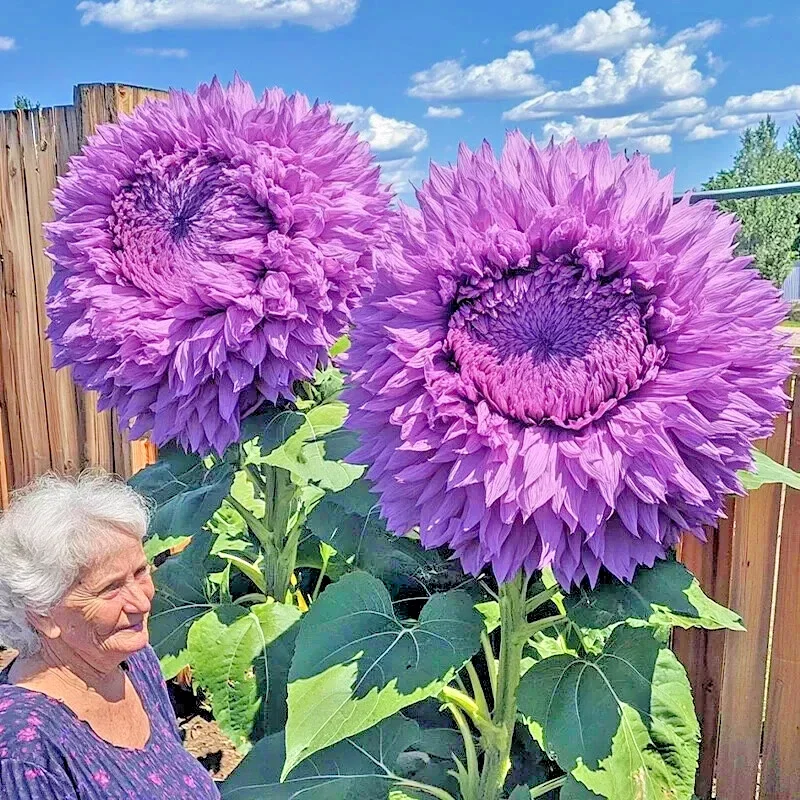
50 Purple Teddy Bear Sunflower Seeds – Rare Enchanting Giant Helianthus Seeds, Annual, Outdoor
Houseplants
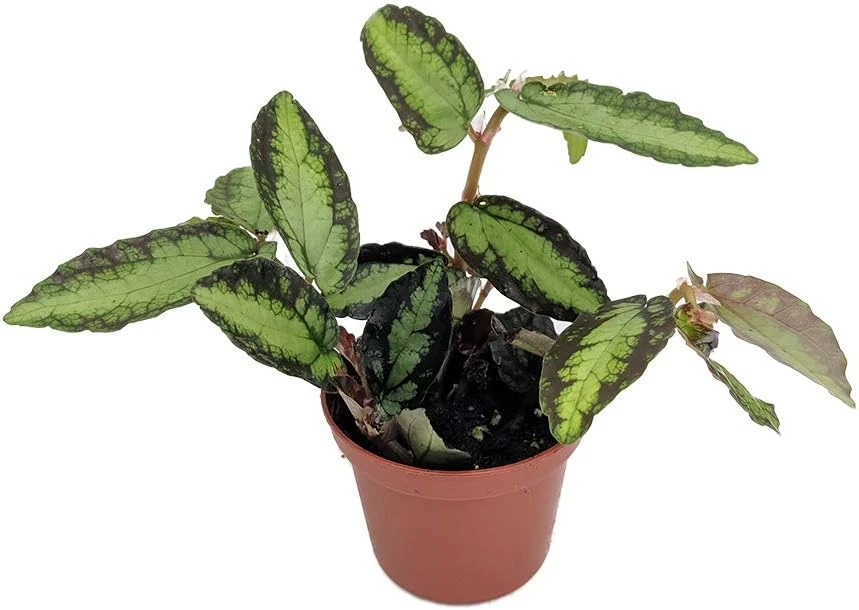
Rainbow Vine Pellionia Daveauana Live Plant – 2.5″ Pot – Terrarium & Fairy Garden Houseplant
Reviews
There are no reviews yet.