
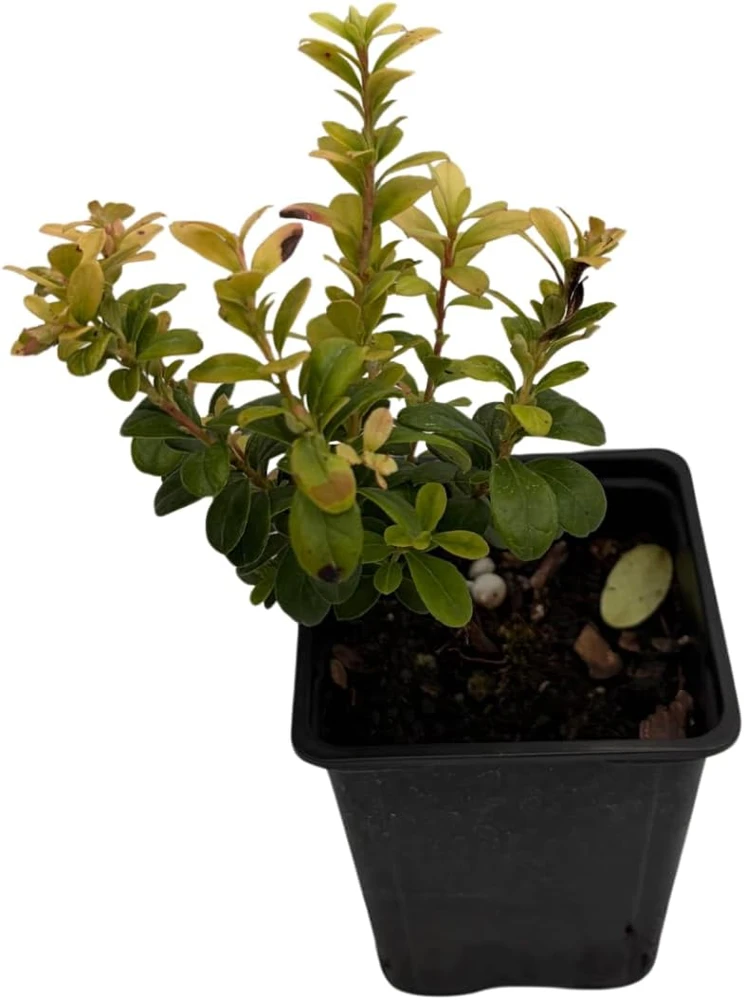
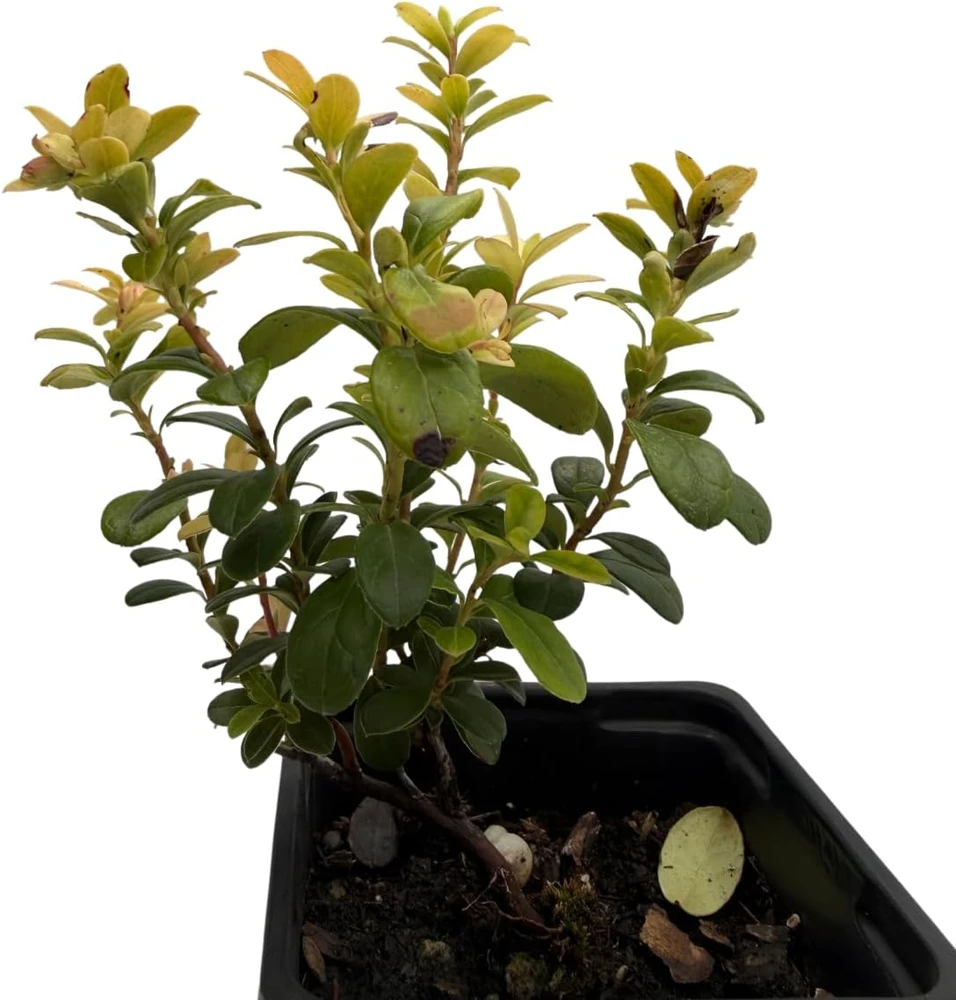
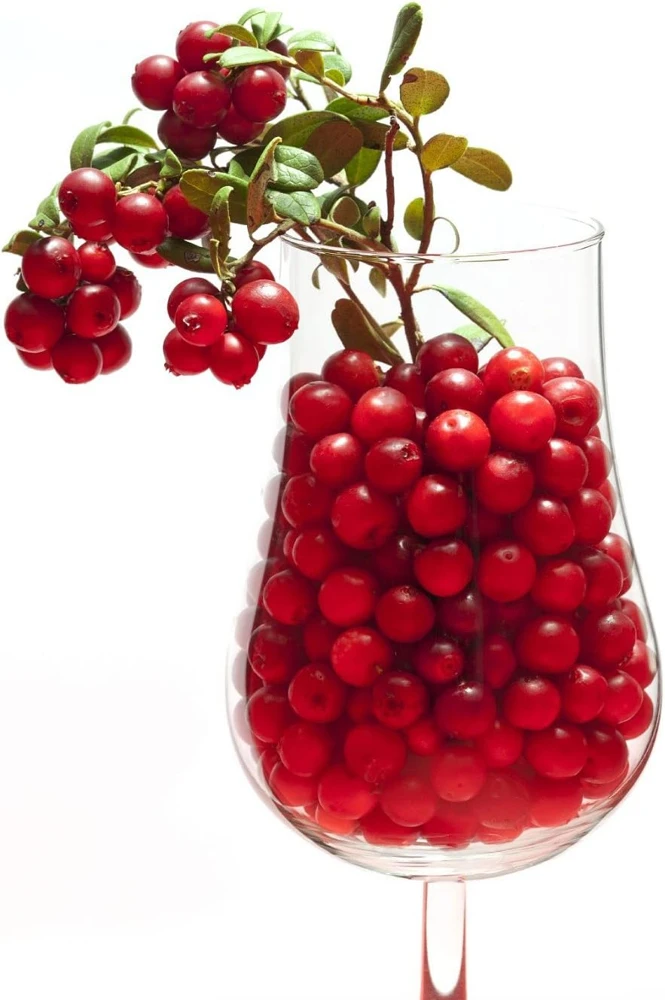
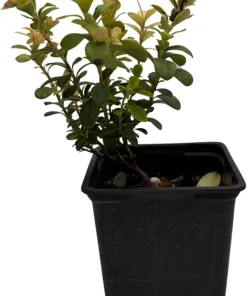
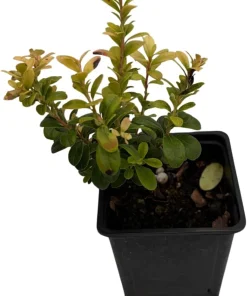
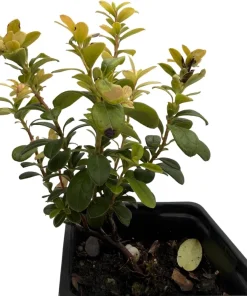
Red Pearl Lingonberry Live Plant – High Antioxidants – 3.25″ Pot
Original price was: $52.99.$42.99Current price is: $42.99.
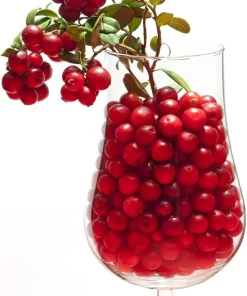
Cultivate your own delicious and healthy red pearl lingonberry live plant. This robust 3.25″ potted shrub is known for its vibrant red, antioxidant-rich fruits and attractive foliage. Enjoy fresh, tart berries straight from your garden.
- Produces antioxidant-packed red berries
- Naturally self-pollinating for easy fruiting
- Compact growth habit, ideal for various garden sizes
Estimated arrival
Sep 29
Oct 04 - Oct 06
Oct 09 - Oct 13
Shop With Confidence
30-Day Plant Health Guarantee
Arrives damaged? We’ll replace it free — see our return policy.
Responsive Support
Email us anytime, we reply within 1 business day.
Expert Packaging
Temperature-controlled shipping to protect your plants in transit.
Secure Checkout
Pay safely with Visa, Mastercard, PayPal.
Plant Specifications
-
USDA Hardiness Zone
USDA zones 3-7 -
Soil Type
Acidic, well-draining soil (pH 4.5-5.5) -
Sunlight Exposure
Partial shade to full sun -
Expected Planting Period
Spring to early fall
Overview
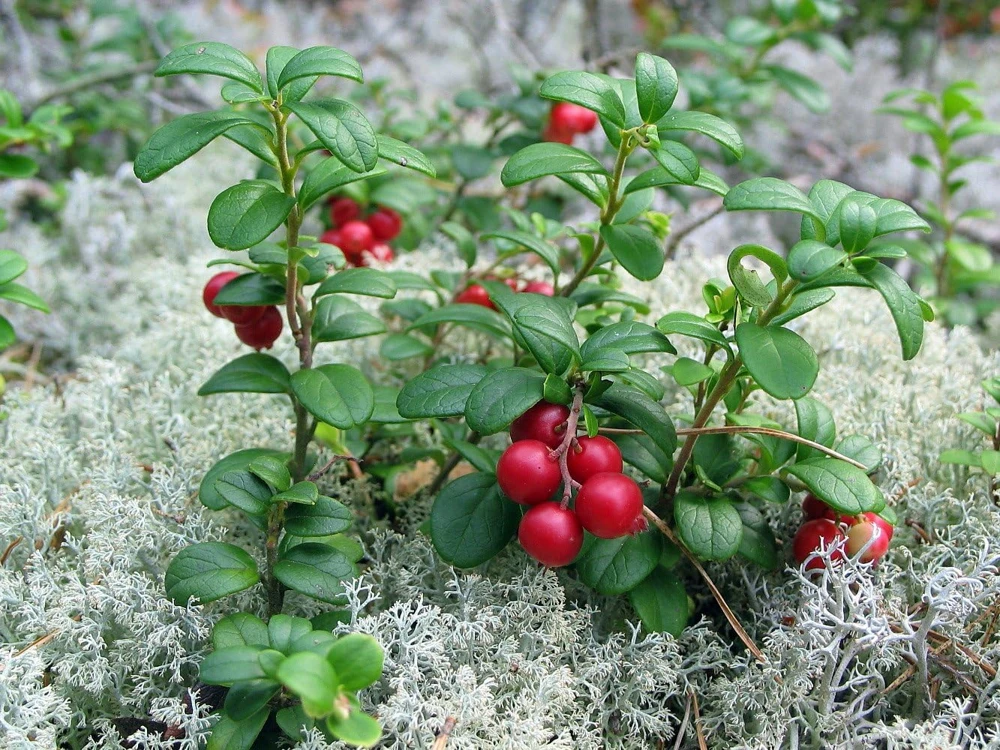
Introduce a unique and highly beneficial fruit-bearing shrub to your garden with the red pearl lingonberry live plant. A close relative of blueberries and cranberries, the lingonberry is celebrated for its small, vibrant red fruits that are exceptionally high in antioxidants. This particular ‘Red Pearl’ variety is known for its abundant yields and delicious flavor profile, offering a delightful balance of tartness with a subtle sweetness. Originating from Scandinavian regions and also native to parts of North America, these plants are robust and well-suited for temperate climates. Growing your own red pearl lingonberry live plant ensures a fresh supply of these nutritious berries, perfect for culinary uses or simply enjoying straight from the bush. The attractive evergreen foliage adds year-round interest to your landscape, making it a valuable addition to edible gardens, borders, or even container plantings.
The lingonberry, scientifically known as Vaccinium vitis-idaea, is a low-growing evergreen shrub that thrives in conditions similar to blueberries. The ‘Red Pearl’ cultivar is particularly prized for its consistent fruit production and ease of care, making it an excellent choice for both novice and experienced gardeners. Its compact size means it fits well into smaller spaces while still offering a generous harvest. Discover the joy of cultivating this extraordinary plant and enjoy the health benefits and delicious taste of homegrown lingonberries.
Key Benefits
The red pearl lingonberry live plant offers a multitude of advantages, from its nutritional value to its ornamental appeal, making it a smart choice for any garden. These benefits extend beyond just the delicious fruit, providing an enriching gardening experience and a healthy harvest.
- Exceptional Antioxidant Content: The small red fruits of the red pearl lingonberry live plant are renowned for being incredibly high in antioxidants, surpassing many other common berries. Incorporating these berries into your diet can contribute to overall wellness and health.
- Delicious and Versatile Fruit: Enjoy a unique flavor profile that is primarily tart with a pleasant underlying sweetness. These firm-skinned berries are perfect for jams, jellies, sauces, desserts, or fresh consumption, offering culinary versatility.
- Self-Pollinating Nature: This variety is naturally self-pollinating lingonberry, meaning you only need one plant to produce fruit. This simplifies the growing process and guarantees a harvest without needing multiple plants for cross-pollination.
- Attractive Evergreen Foliage: Beyond its fruit, the lingonberry plant boasts glossy, dark green leaves that remain vibrant throughout the year, providing continuous visual interest in your garden, even during colder months.
- Compact and Manageable Size: With a mature height of 8-15 inches, this shrub maintains a compact form, making it ideal for small gardens, raised beds, or container planting on patios and balconies.
- Low Maintenance Requirements: Once established, the lingonberry plant care is relatively straightforward. It is a hardy plant that can tolerate a range of conditions, making it suitable for gardeners seeking a rewarding yet easy-to-grow fruit bush.
- Long Storage Life for Fruits: The fruits have a firm skin, allowing them to be stored for several months at cold temperatures, extending your enjoyment of the harvest well beyond the picking season.
Plant Care & Growing Tips
Proper lingonberry plant care is crucial for ensuring a healthy and productive red pearl lingonberry live plant. These plants thrive when their specific needs for light, soil, and moisture are met. They prefer conditions similar to blueberries, which means they appreciate acidic soil and consistent moisture. Understanding these requirements will help you cultivate a robust shrub that yields an abundance of delicious, high antioxidant berries.
For sunlight, the Red Pearl Lingonberry prefers part-shade to full sun. In hotter climates, providing some afternoon shade will protect the plant from scorching. Aim for at least 4-6 hours of direct sunlight, especially in cooler regions. The soil is perhaps the most critical factor; lingonberries require acidic, well-draining soil with a pH between 4.5 and 5.5. Amend your soil with peat moss or pine bark to lower the pH if necessary. Avoid heavy clay soils that retain too much moisture. Consistent watering is essential, especially during dry spells and when the plant is fruiting. The soil should remain consistently moist but never waterlogged. Use a layer of mulch, such as pine needles or wood chips, to help retain soil moisture, suppress weeds, and maintain soil acidity.
The Red Pearl Lingonberry is hardy and can tolerate cold temperatures, typically thriving in USDA zones 3-7. Fertilize sparingly with an acid-loving plant fertilizer in early spring, using a formulation designed for blueberries or rhododendrons. Avoid fertilizers high in nitrogen, which can harm these plants. Pruning is generally minimal; simply remove any dead, damaged, or crossing branches to maintain good air circulation and plant health. The plant is resistant to most common pests and diseases, making it a relatively low-maintenance choice. Ensure good air circulation to prevent fungal issues, and monitor for any signs of stress to address them promptly. This attention to detail will ensure your red lingonberry shrub flourishes.
Size & Details
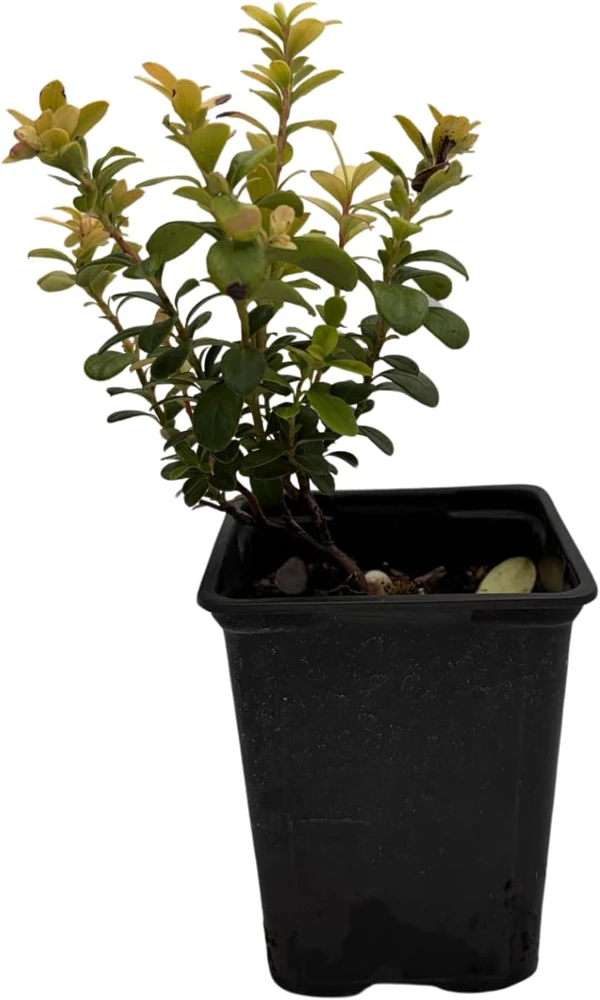
The red pearl lingonberry live plant you will receive is a healthy, established shrub in a 3.25″ nursery pot, ready for planting. This compact variety typically reaches a mature height of 8-15 inches with a similar spread, making it an ideal choice for various garden settings, including small spaces, rock gardens, or container gardening. Its slow to moderate growth rate allows for easy management and integration into existing landscapes. When planted in optimal conditions, you can expect fruit production to begin within 1-2 years, with yields increasing as the plant matures. The berries ripen in late summer to early fall, offering a delightful harvest season. This red pearl lingonberry live plant is shipped carefully to ensure it arrives in excellent condition, ready to thrive in its new home.
Each plant is self-pollinating, guaranteeing fruit production from a single specimen. The firm-skinned fruits are approximately 1/4 to 1/2 inch in diameter, developing a bright red color when ripe. They possess a fresh aroma and a distinctly tart flavor with a sweet undertone, making them perfect for a wide array of culinary uses. Expect a robust root system that will quickly establish once transplanted, leading to a vigorous and productive shrub for many years to come.
Frequently Asked Questions
- Q: How big does this red pearl lingonberry live plant get? A: The red pearl lingonberry live plant typically reaches a mature height of 8-15 inches and a similar spread, making it a compact shrub ideal for various garden sizes and container planting.
- Q: What size pot does it come in? A: This lingonberry plant is shipped in a 3.25″ nursery pot, providing a well-established root system for successful transplanting.
- Q: Is this an indoor or outdoor plant? A: The Red Pearl Lingonberry is primarily an outdoor plant, hardy in USDA zones 3-7. It can be grown in containers and brought indoors during extreme weather in colder zones, but it requires cold dormancy to fruit effectively.
- Q: How much sunlight does it need? A: This plant prefers part-shade to full sun. In warmer climates, it benefits from afternoon shade, while in cooler regions, it can tolerate more direct sun, ideally 4-6 hours daily.
- Q: Is this plant easy to care for? A: Yes, once established, lingonberry plant care is relatively easy. It requires acidic, well-draining soil and consistent moisture but is generally low-maintenance and resistant to most pests and diseases.
- Q: What condition will it arrive in? A: Your red pearl lingonberry live plant will arrive carefully packaged, healthy, and ready for planting, ensuring a smooth transition to your garden.
- Q: Can I use these high antioxidant berries in cooking? A: Absolutely! These high antioxidant berries are excellent for making jams, jellies, sauces, pies, or as a tart addition to cereals and yogurts. Their firm skin also allows for good storage.
- Q: When is the best time to plant a red lingonberry shrub? A: The best time to plant your red lingonberry shrub is in spring or early fall, allowing the plant sufficient time to establish its root system before extreme temperatures.
- Q: Will it survive winter in my zone? A: The Red Pearl Lingonberry is hardy in USDA zones 3-7, meaning it can tolerate cold winter temperatures within this range. Mulching can provide extra protection in the colder parts of its hardiness zone.
- Q: Is this self-pollinating? A: Yes, the Red Pearl Lingonberry is a self-pollinating lingonberry variety, so you only need one plant to produce fruit.
Be the first to review “Red Pearl Lingonberry Live Plant – High Antioxidants – 3.25″ Pot”
People Also Viewed
Flowers
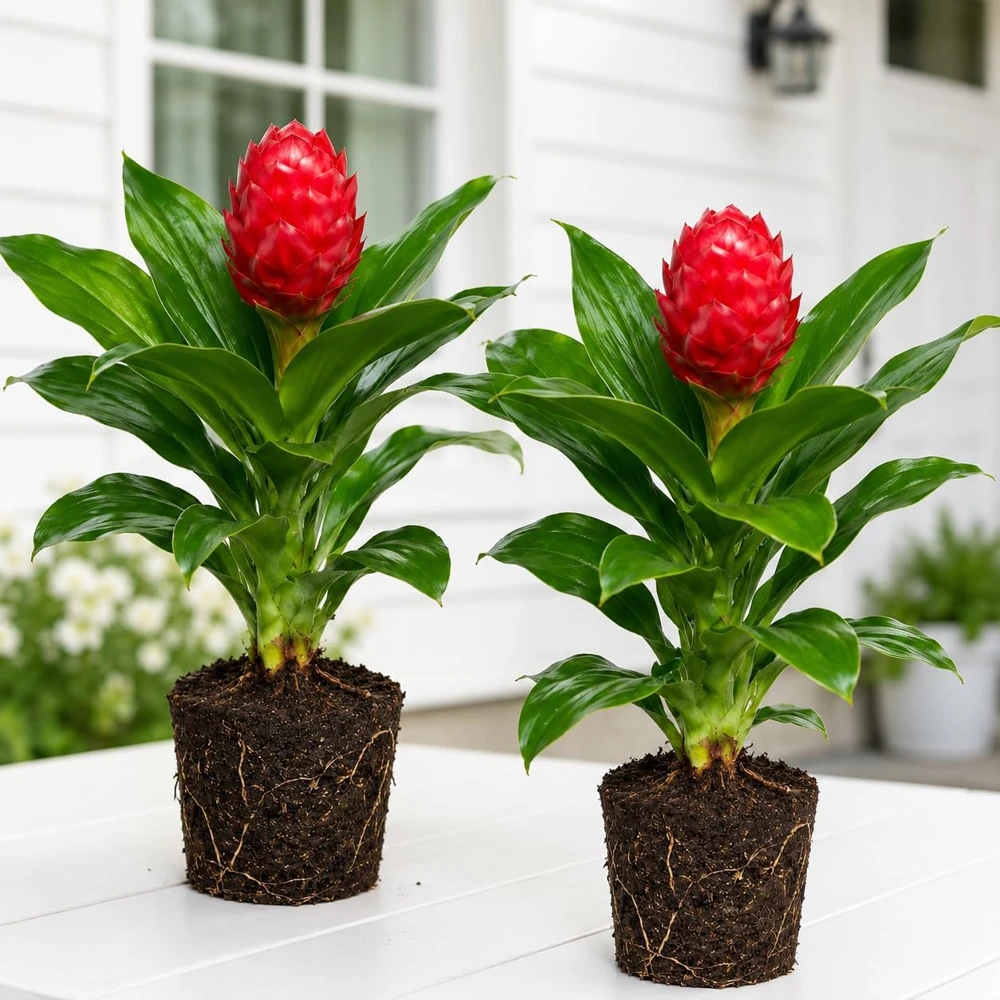
Set of 2 Shampoo Ginger Plants Live, Zingiber Zerumbet, Red Ginger Lily, 4-8 Inch Tall, Outdoor
Reviews
There are no reviews yet.