
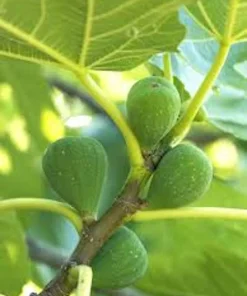
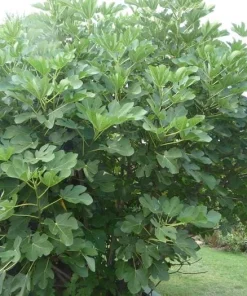
3 Lattarula Fig Starter Plugs – Italian Honey Ficus carica Live Plants
Original price was: $93.99.$68.99Current price is: $68.99.
Cultivate sweet, amber-fleshed figs with these Lattarula fig starter plug live plants. Also known as the Italian Honey fig plant, this variety is cold-hardy, self-pollinating, and ideal for USDA zones 7–10. Perfect for in-ground or container growing.
Estimated arrival
Sep 29
Oct 04 - Oct 06
Oct 09 - Oct 13
Shop With Confidence
30-Day Plant Health Guarantee
Arrives damaged? We’ll replace it free — see our return policy.
Responsive Support
Email us anytime, we reply within 1 business day.
Expert Packaging
Temperature-controlled shipping to protect your plants in transit.
Secure Checkout
Pay safely with Visa, Mastercard, PayPal.
Plant Specifications
-
USDA Hardiness Zone
USDA zones 7–10 -
Soil Type
Well-draining soil -
Sunlight Exposure
Full sun -
Expected Planting Period
Spring to early summer
Overview
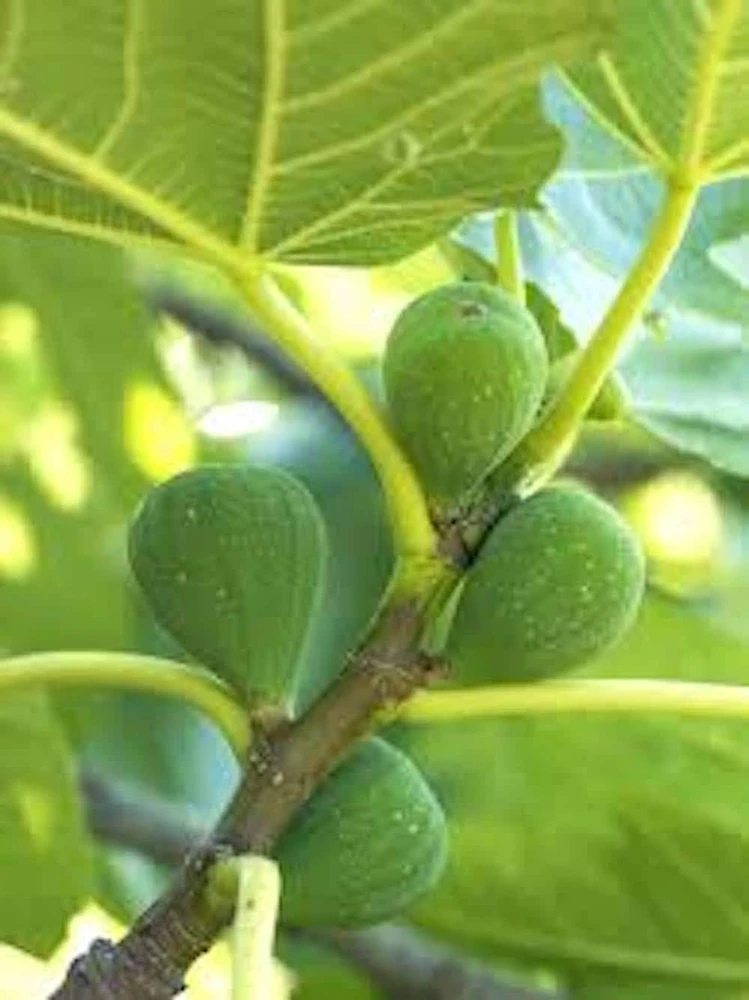
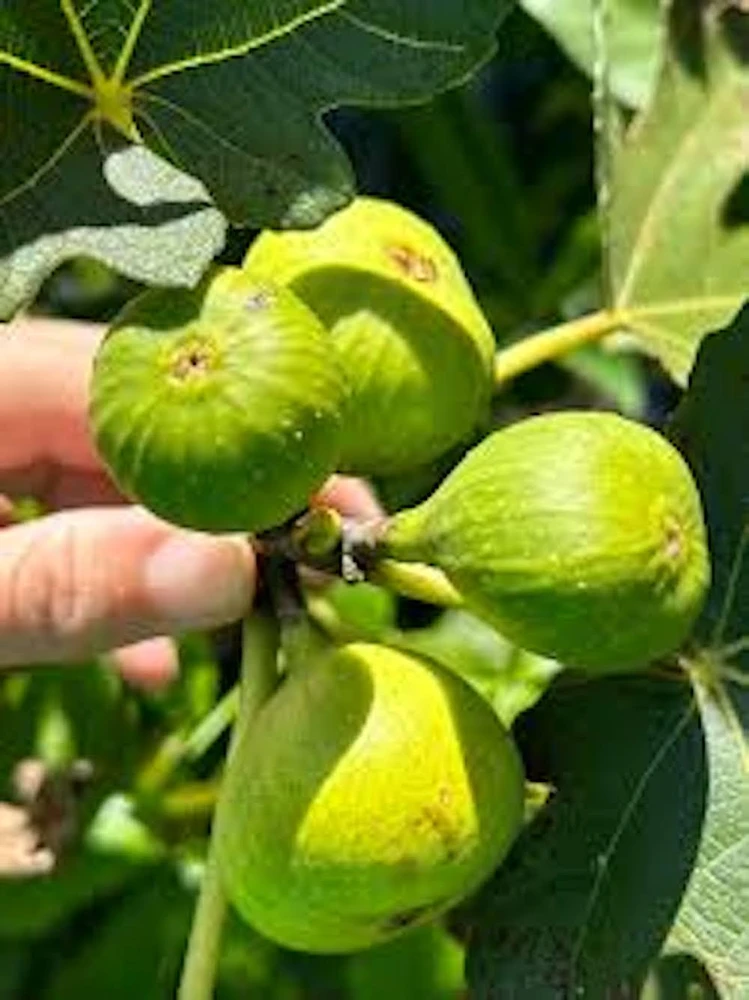
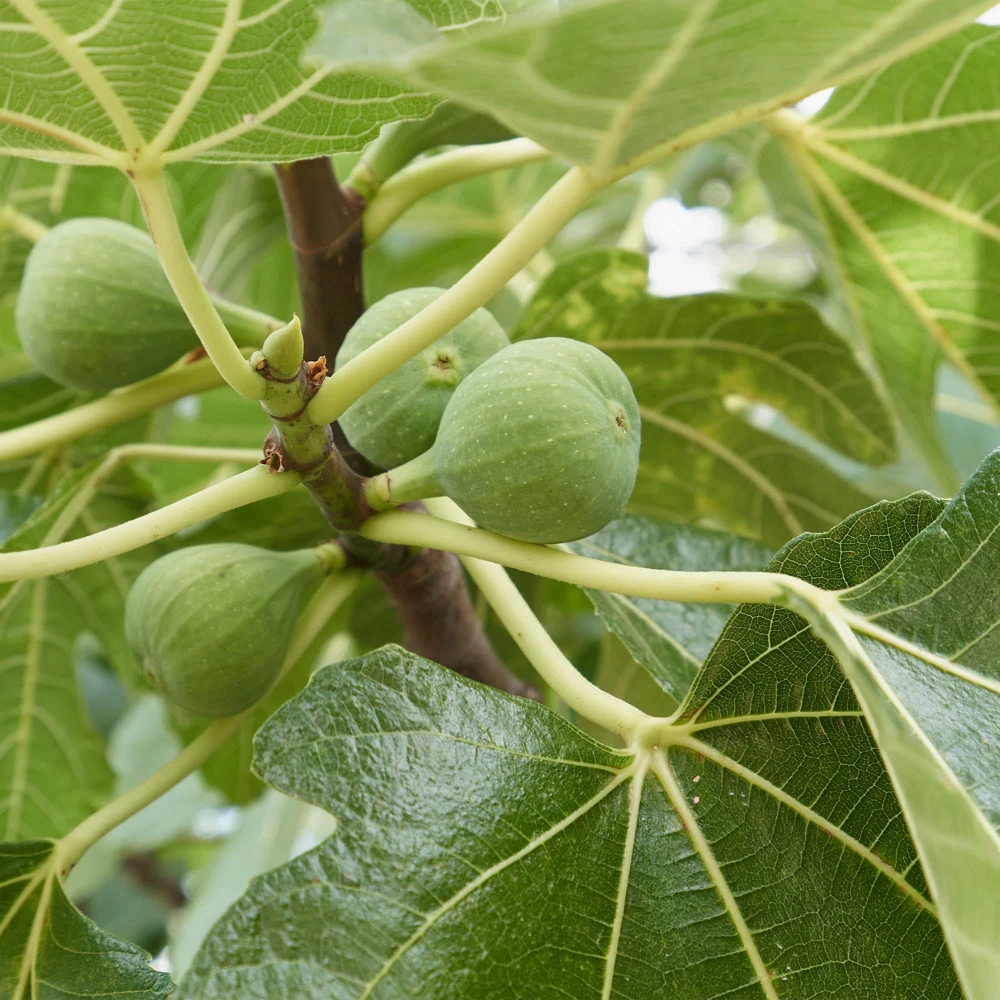
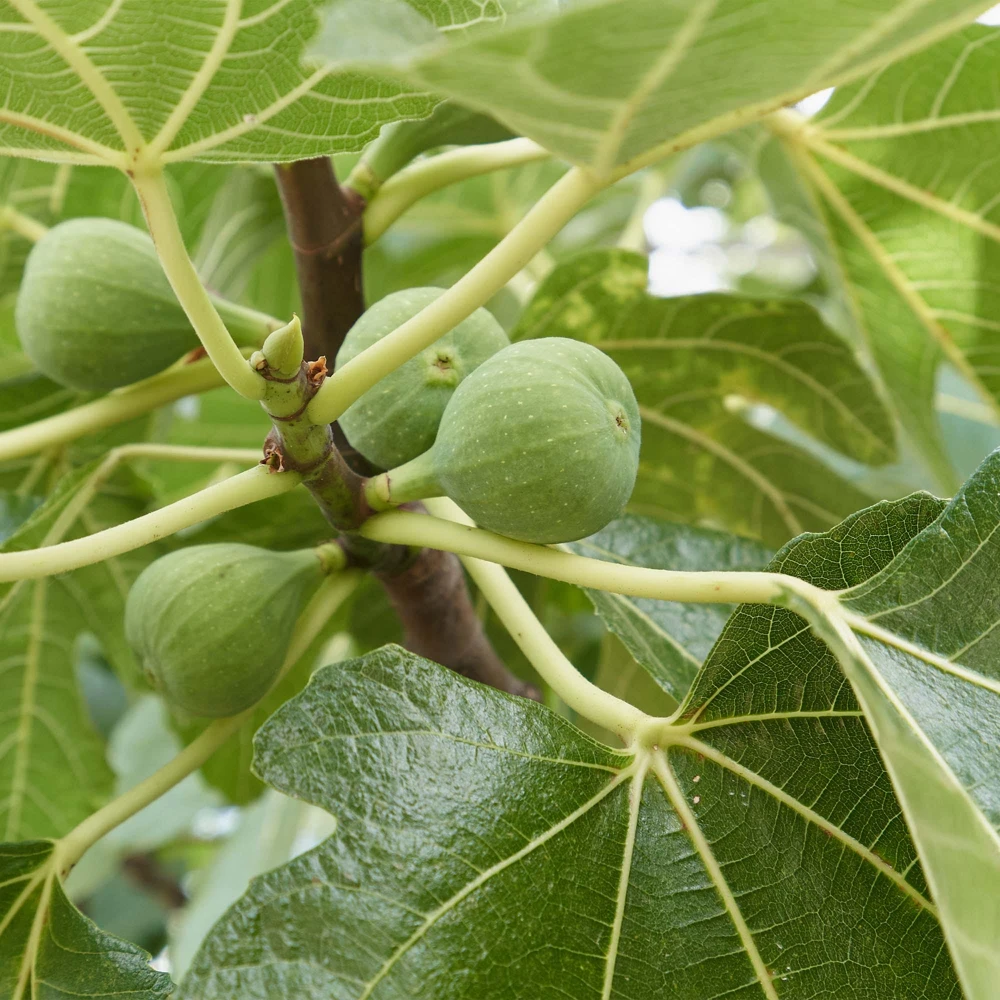
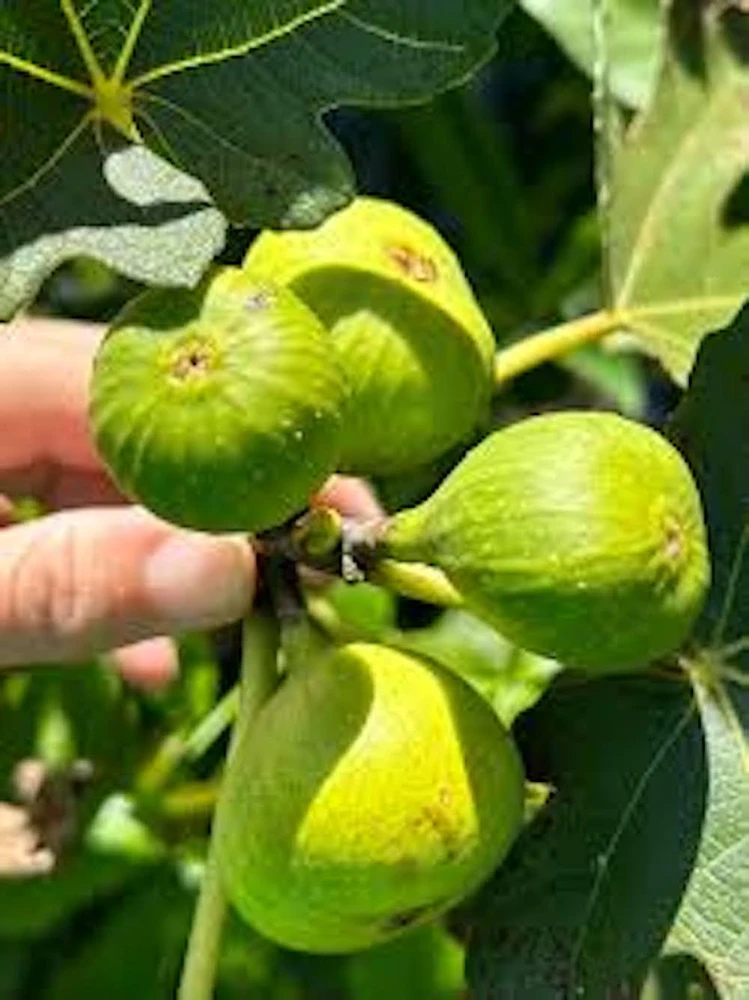
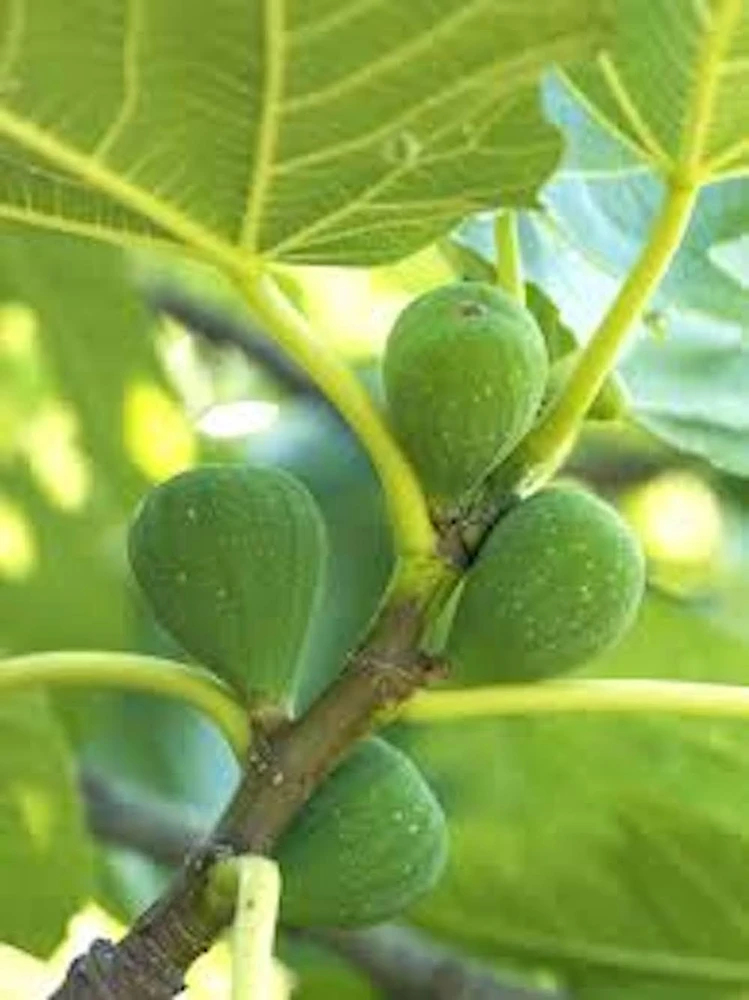
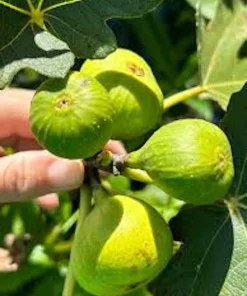
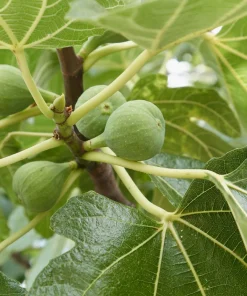
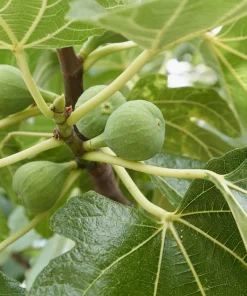
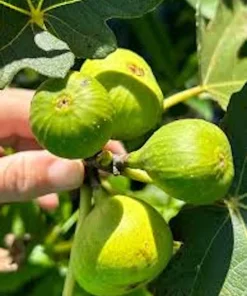
Embark on a rewarding gardening journey with the Lattarula fig starter plug, a fantastic choice for both novice and experienced growers. This offering includes 3 healthy starter plugs of the highly sought-after Ficus carica ‘Lattarula’, commonly known as the Italian Honey fig plant. Renowned for its exceptional sweetness and prolific fruit production, the Lattarula fig is a cold-hardy and self-pollinating variety, making it an easy-to-grow addition to any garden. The fruits feature a delightful amber-colored flesh and a distinctive greenish-yellow skin, delivering a rich, honey-like flavor that is truly irresistible. These live plants are perfect for establishing your own fig tree, whether you choose to grow them in-ground in suitable climates or in containers for more northern regions. The Ficus carica Lattarula variety is celebrated for its adaptability and delicious yield.
The Lattarula fig tree thrives in a variety of settings, offering a taste of Mediterranean sweetness right in your backyard. Its robust nature and ability to produce fruit without a pollinator make it a low-maintenance option for home orchards. With these starter plugs, you’re getting a head start on cultivating a beautiful and productive fig tree that will provide years of enjoyment and abundant harvests. The Lattarula fig starter plug is an excellent way to introduce this beloved fruit to your garden.
Key Benefits
The Lattarula fig starter plug offers numerous advantages for any gardener looking to add a productive and beautiful fruit tree to their landscape. These benefits contribute to both the ease of care and the enjoyment of the harvest:
- Delicious, Sweet Fruit: Enjoy a bounty of amber-fleshed figs with a distinct honey-like flavor and greenish-yellow skin, perfect for fresh eating, preserves, or baking. The taste of a homegrown Italian Honey fig plant is unparalleled.
- Cold-Hardy Variety: This fig variety is known for its impressive cold tolerance, making it suitable for a wider range of climates, specifically USDA hardiness zones 7–10, ensuring successful growth in many regions.
- Self-Pollinating: The Lattarula fig is a self-fertile plant, meaning you only need one tree to produce fruit. This simplifies the growing process and guarantees a reliable crop without the need for cross-pollination.
- Versatile Growing Options: These plants can be successfully grown in-ground in appropriate zones or cultivated in containers, allowing gardeners in colder climates to protect them indoors during winter.
- Prolific Producer: Once established, the Ficus carica Lattarula is known for its abundant harvests, providing a generous supply of figs throughout the growing season.
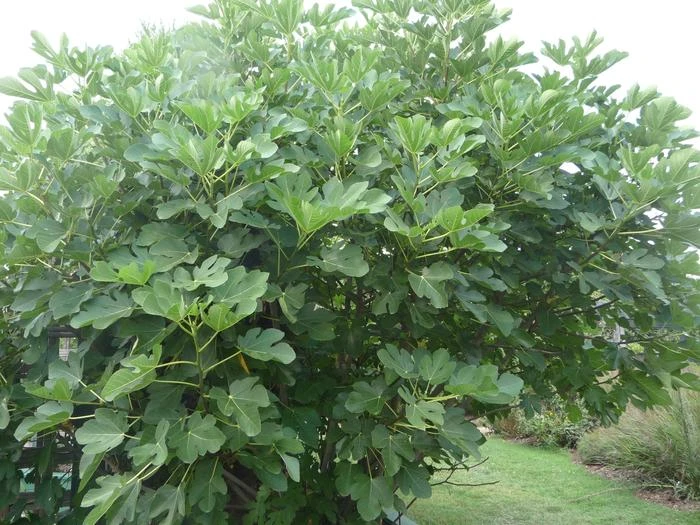
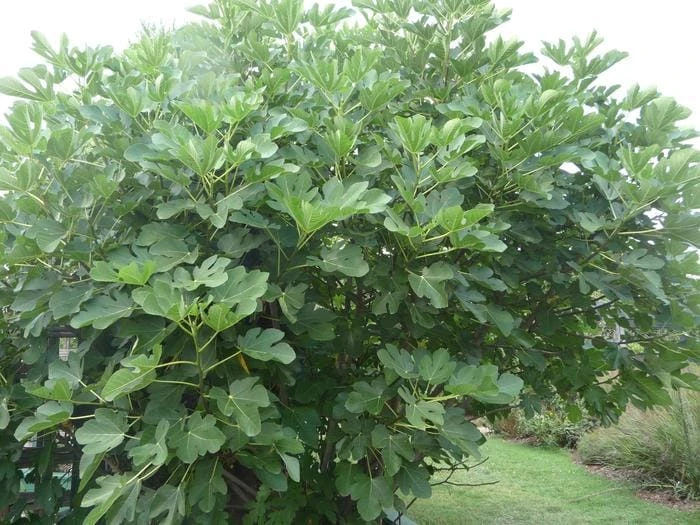
- Attractive Foliage: Beyond its fruit, the fig tree itself is an ornamental plant, adding a lush, Mediterranean feel to your garden or patio with its distinctive lobed leaves.
- Easy to Establish: Starting with a Lattarula fig starter plug provides a strong foundation for rapid growth and quicker establishment compared to growing from seed.
Plant Care & Growing Tips
Caring for your Lattarula fig starter plug is relatively straightforward, especially given its cold-hardy nature and self-pollinating characteristics. To ensure your Italian Honey fig plant thrives, proper attention to its environmental needs is crucial. Fig trees generally prefer a location that receives full sun, meaning at least 6-8 hours of direct sunlight per day. In very hot climates, some afternoon shade can be beneficial to prevent scorching. When planting in-ground, choose a site with well-draining soil, as figs do not tolerate soggy conditions. For container growing, use a high-quality potting mix specifically designed for fruit trees or general all-purpose potting soil with added perlite or sand for improved drainage.
Watering is key, especially during the establishment phase and when the tree is actively fruiting. Keep the soil consistently moist but not waterlogged. Allow the top inch or two of soil to dry out slightly between waterings. Fertilize your Ficus carica Lattarula in early spring with a balanced slow-release fertilizer, and again in mid-summer if needed, following the product’s instructions. Pruning should be done in late winter or early spring while the tree is dormant. Remove any dead, diseased, or crossing branches, and shape the tree to maintain an open structure for good air circulation and fruit production. Protect young trees in colder parts of their hardiness range (USDA zones 7) during winter by mulching heavily around the base or wrapping the trunk.
Common issues to watch for include fig rust and fig mosaic virus, though the Lattarula is generally quite resilient. Good air circulation and proper watering practices can help prevent fungal diseases. Keep an eye out for common pests like fig beetles or spider mites, and treat with organic pest control methods if necessary. The robust nature of the Lattarula fig starter plug makes it a forgiving plant to cultivate.
Size & Details
This offering includes 3 individual Lattarula fig starter plug plants, providing you with a great start to your fig orchard. Each starter plug is a young, vigorous plant, carefully cultivated to ensure a strong root system and healthy growth upon arrival. While exact dimensions may vary slightly due to natural plant growth, these plugs are typically in an early growth stage, ready for transplanting into larger pots or directly into the garden. They are shipped as bare root plants, meaning they arrive without soil or a pot, which is an ideal method for minimizing transplant shock and promoting quick establishment.
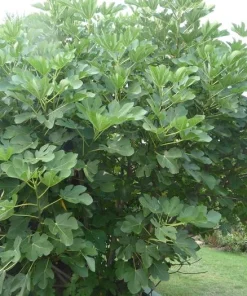
The Italian Honey fig plant, or Ficus carica Lattarula, is known for its moderate growth rate, eventually reaching a mature height of 10-20 feet and a similar spread if grown in-ground and left unpruned. In containers, its size can be easily managed through regular pruning. Expect fruit production to begin within 2-3 years of planting, with increasing yields as the tree matures. These starter plugs are a cost-effective and efficient way to grow a productive fig tree in your home garden, especially for those interested in a self pollinating fig variety.
Frequently Asked Questions
- Q: How big will the Lattarula fig tree get? A: If planted in-ground and left unpruned, a Lattarula fig tree can typically reach heights of 10-20 feet and a similar spread. Its size can be controlled with regular pruning, especially when grown in containers.
- Q: Is the Lattarula fig an indoor or outdoor plant? A: The Lattarula fig starter plug is primarily an outdoor plant suitable for USDA hardiness zones 7-10. However, it can be grown in containers and brought indoors during winter in colder climates.
- Q: How much sunlight does the Italian Honey fig plant need? A: For optimal fruit production and health, the Italian Honey fig plant requires full sun, meaning at least 6-8 hours of direct sunlight per day. In extremely hot climates, some afternoon shade can be beneficial.
- Q: Is this plant easy to care for? A: Yes, the Lattarula fig is considered relatively easy to care for. It’s a cold-hardy and self pollinating fig, reducing the complexity of cultivation. Consistent watering, adequate sunlight, and occasional pruning are its main requirements.
- Q: What condition will the starter plugs arrive in? A: The 3 Lattarula fig starter plug plants will arrive bare root, meaning they are shipped without soil or a pot. This method ensures healthy roots and minimizes shipping stress, allowing for a strong start when planted.
- Q: When is the best time to plant a Lattarula fig starter plug? A: The best time to plant your Lattarula fig starter plugs is in spring after the last frost, allowing the plants ample time to establish their root systems before the heat of summer or the chill of winter.
- Q: Will the Ficus carica Lattarula survive winter in my zone? A: The Ficus carica Lattarula is suitable for USDA hardiness zones 7-10. In zone 7, it may require some winter protection like mulching or wrapping. In zones 8-10, it is generally hardy enough to survive winters outdoors without special care.
- Q: How long until the Lattarula fig produces fruit? A: You can typically expect your Lattarula fig starter plug to begin producing fruit within 2-3 years after planting, with yields increasing significantly as the tree matures.
- Q: What kind of soil does the Lattarula fig prefer? A: Lattarula figs prefer well-draining soil. If planting in-ground, amend heavy clay soils with organic matter. For container growing, a good quality potting mix with perlite or sand for drainage is recommended.
- Q: Can I grow the Lattarula fig in a container? A: Absolutely! The Italian Honey fig plant adapts very well to container growing, making it an excellent choice for patios, balconies, or for gardeners in colder zones who need to move their plants indoors for winter protection.
Be the first to review “3 Lattarula Fig Starter Plugs – Italian Honey Ficus carica Live Plants”
People Also Viewed
Flower Seeds
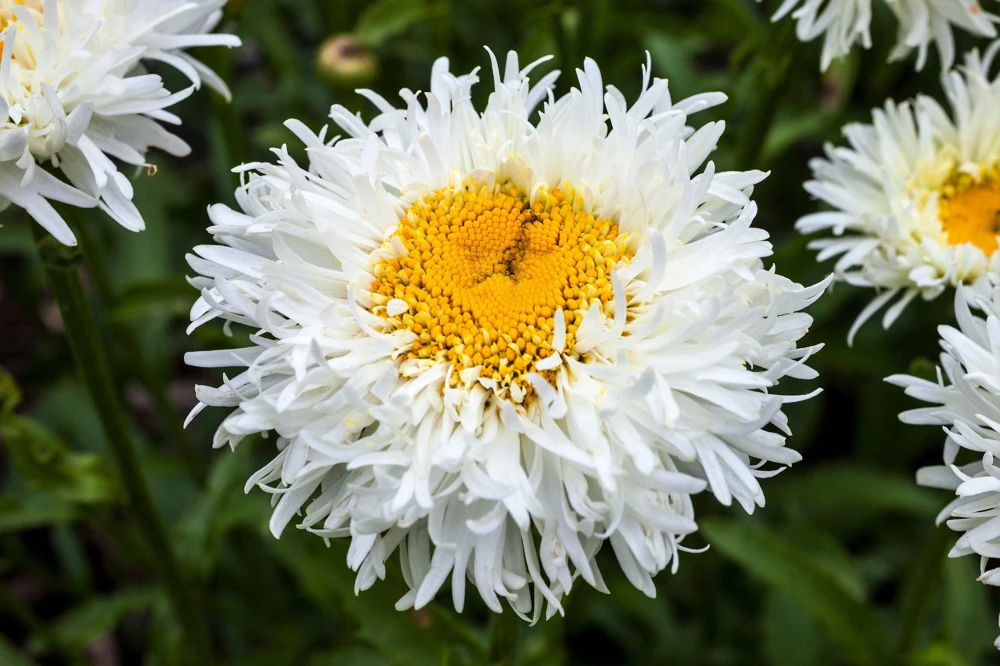
30 Double Crazy Daisy Leucanthemum Superbum Seeds – Big 3″ Frizzled White Yellow Flowers

Uncategorized
Houseplants
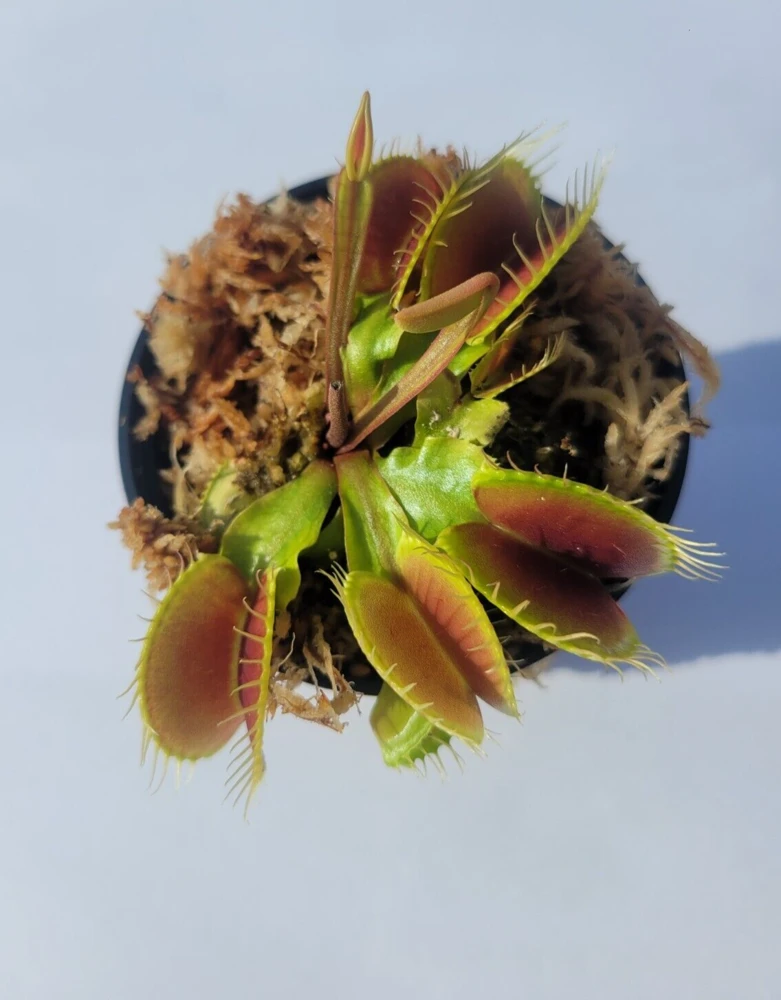
Large Big Mouth Venus Flytrap Live Plant – 3 inch Pot – Indoor/Outdoor Carnivorous Plant
Reviews
There are no reviews yet.