
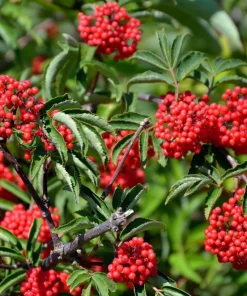
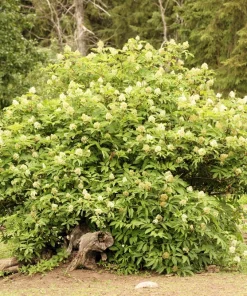
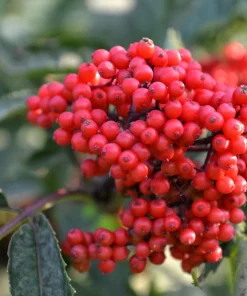
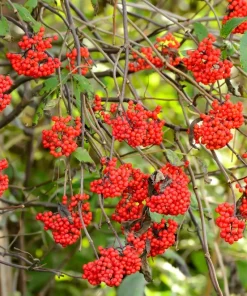
Red Elderberry Seeds (Sambucus Racemosa) – 100 Seeds for Growing Fruit Trees
Original price was: $36.99.$16.99Current price is: $16.99.
Cultivate the beautiful red elderberry seeds (Sambucus Racemosa) in your garden. This pack contains 100 sambucus racemosa seeds, perfect for growing a vibrant shrub or small tree with white flowers and edible red berries. Ideal for zones 4-8, offering a natural habitat and seasonal interest.
Estimated arrival
Sep 14
Sep 19 - Sep 21
Sep 24 - Sep 28
Shop With Confidence
30-Day Plant Health Guarantee
Arrives damaged? We’ll replace it free — see our return policy.
Responsive Support
Email us anytime, we reply within 1 business day.
Expert Packaging
Temperature-controlled shipping to protect your plants in transit.
Secure Checkout
Pay safely with Visa, Mastercard, PayPal.
Plant Specifications
-
USDA Hardiness Zone
4 - 8 -
Soil Type
Average - Moist, well-draining soil -
Sunlight Exposure
Sun - Part Shade -
Expected Planting Period
Fall / After cold stratification
Overview
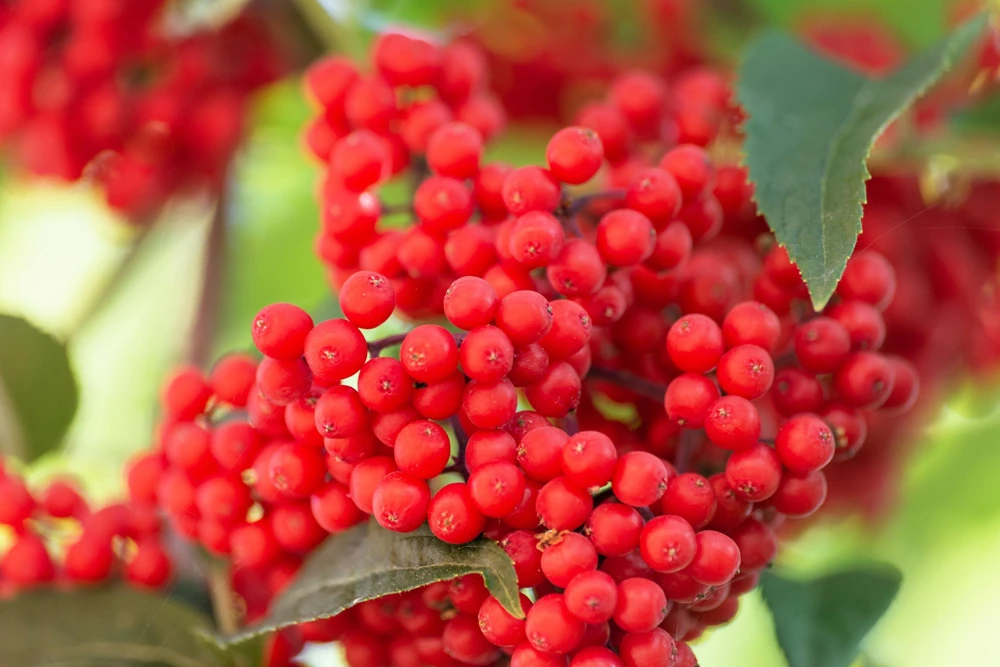
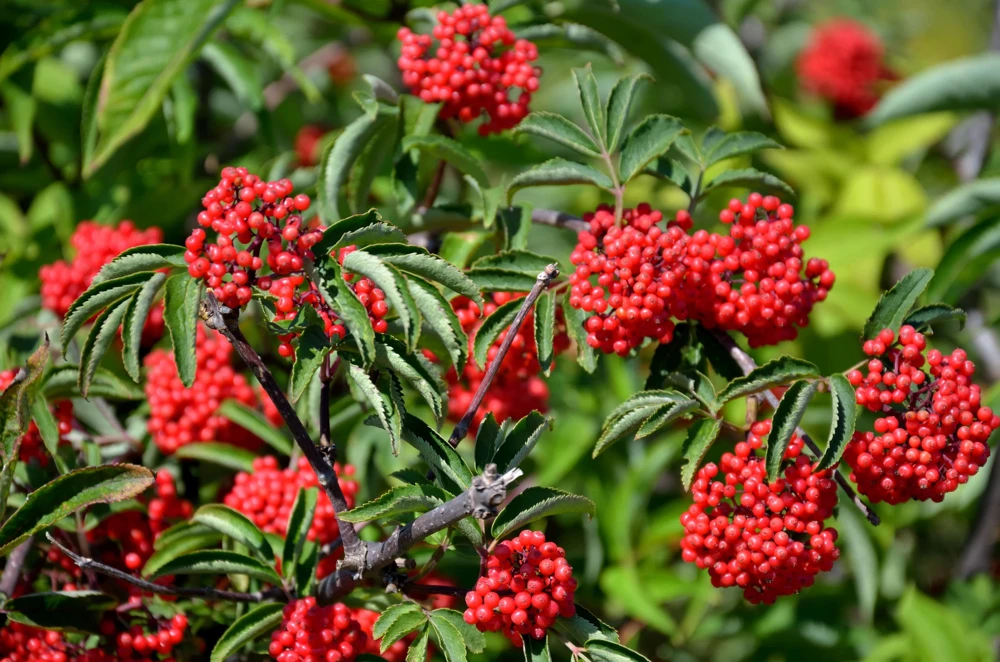
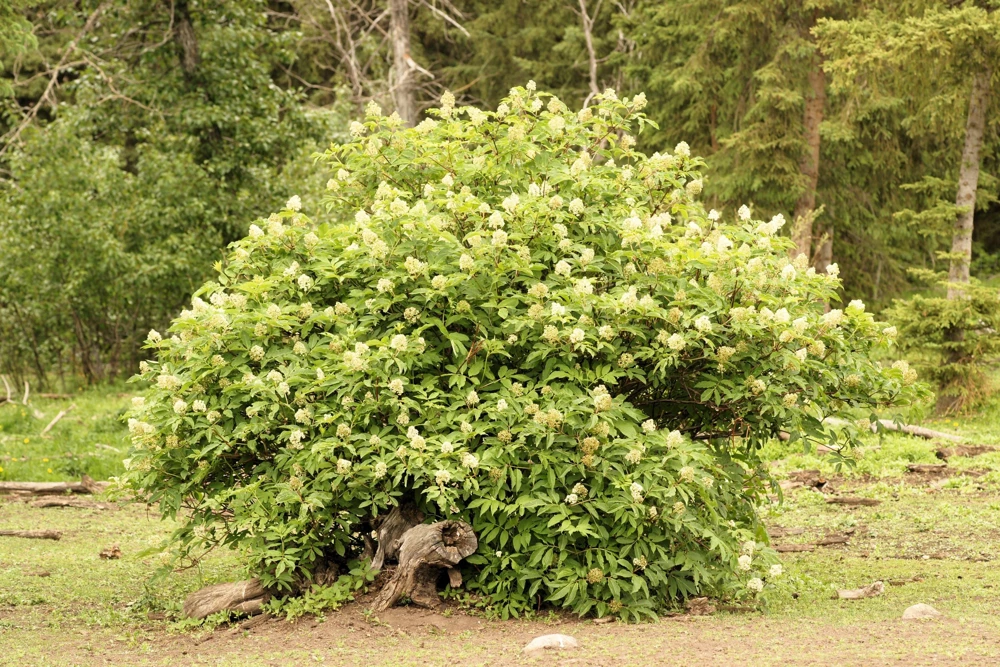
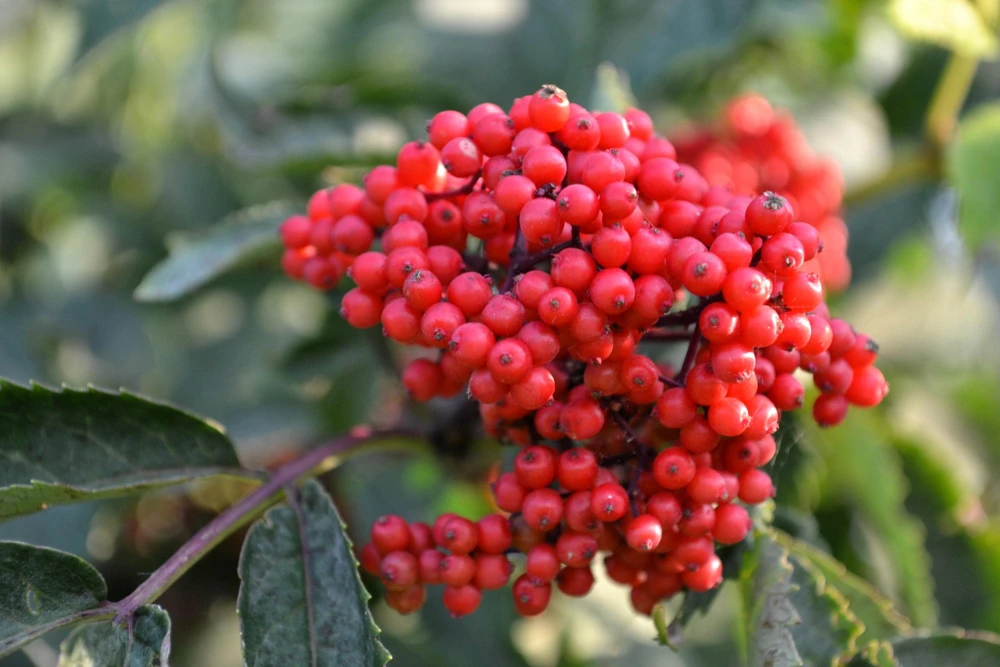
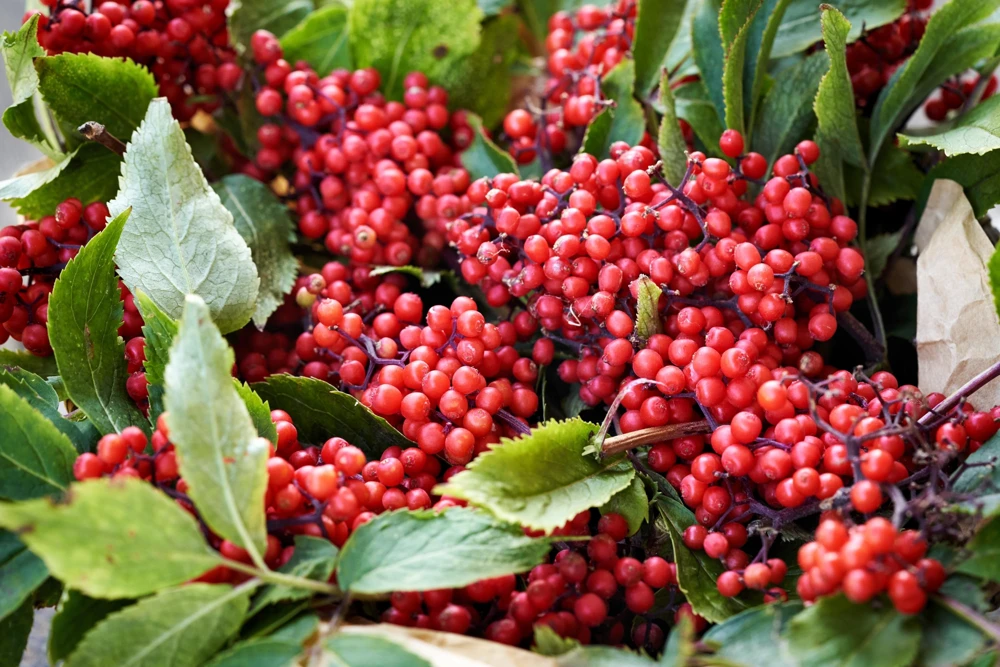
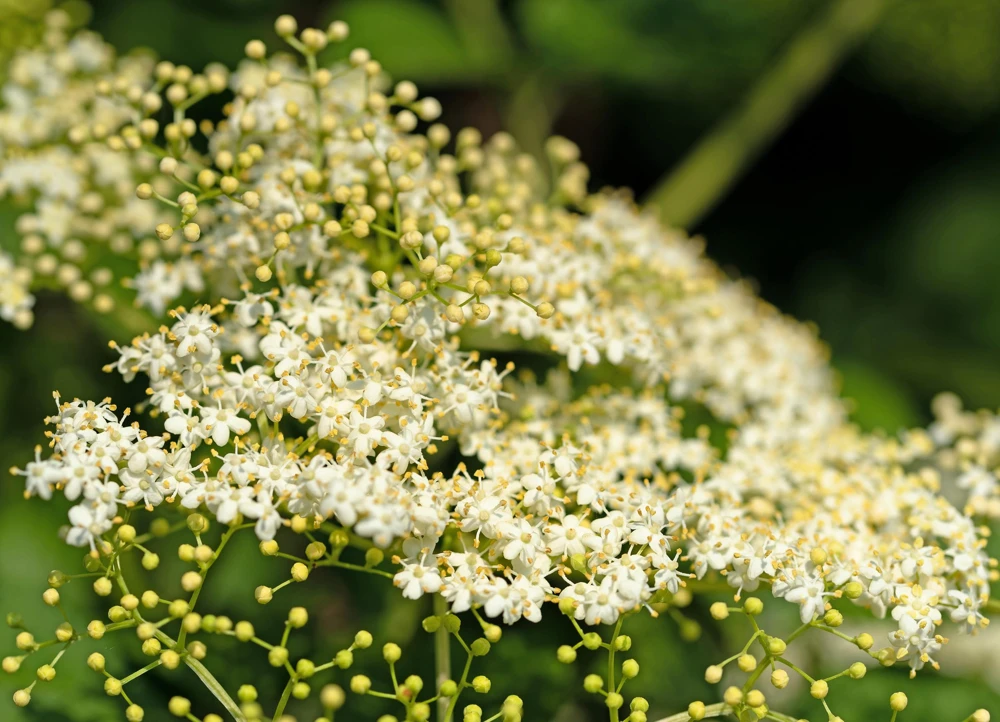
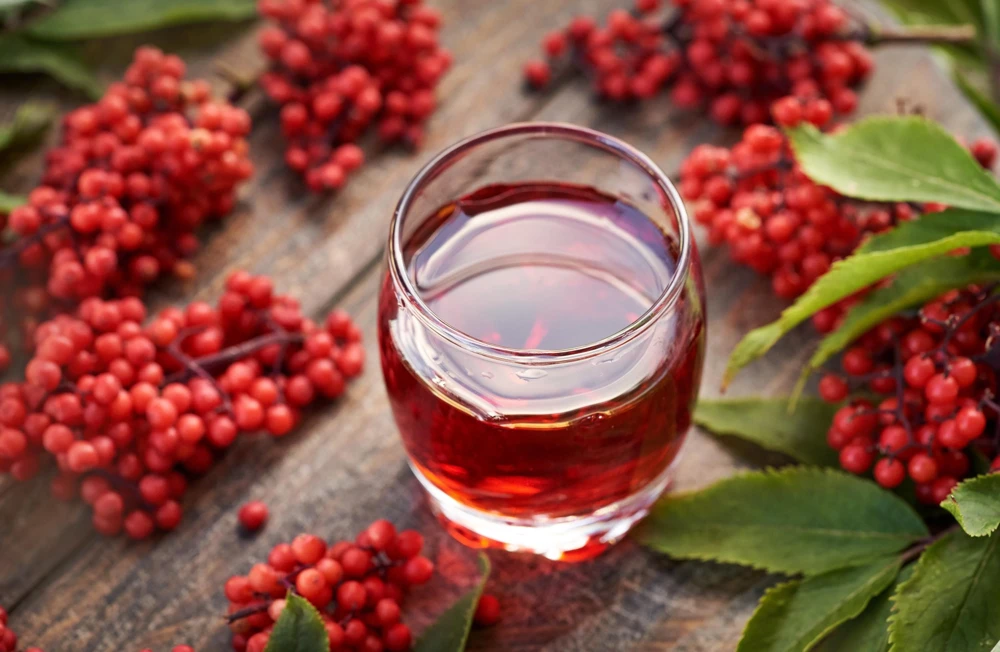
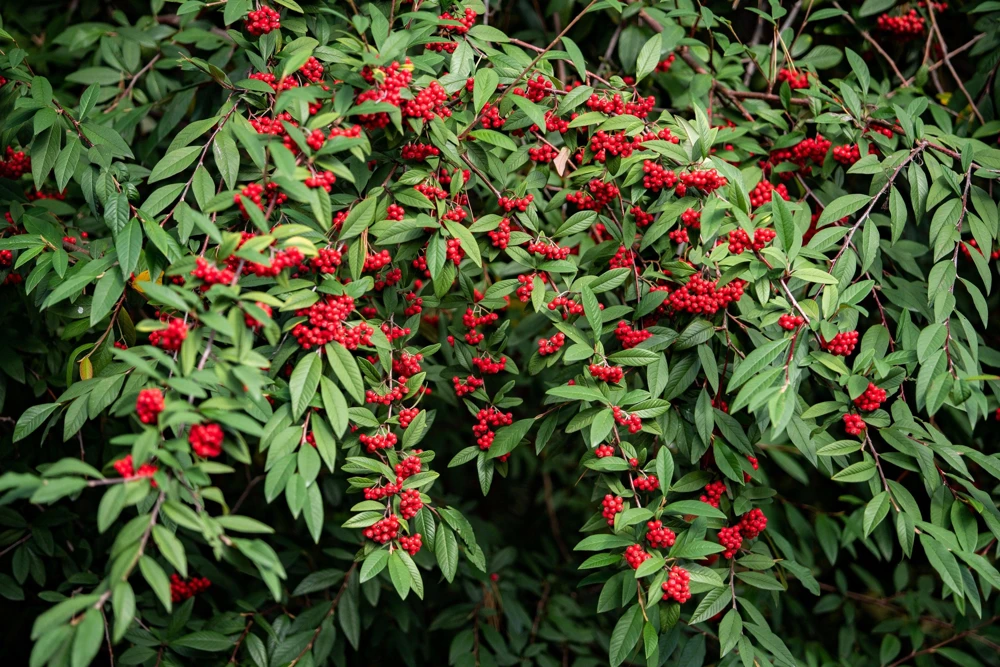
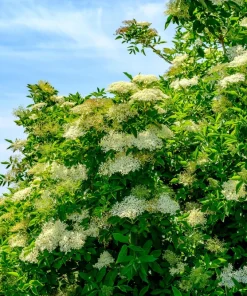
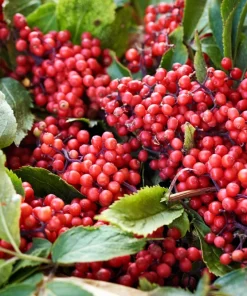
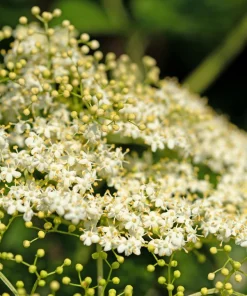
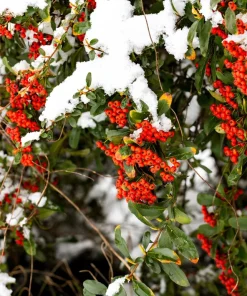
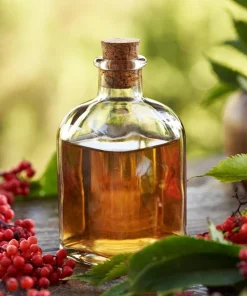
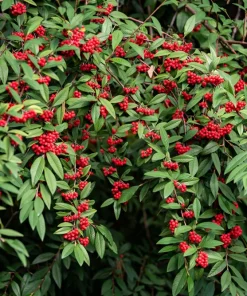
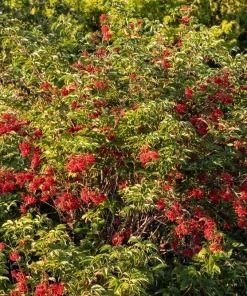
Embark on a rewarding gardening journey with our premium red elderberry seeds (Sambucus Racemosa). These sambucus racemosa seeds offer the opportunity to cultivate a stunning, deciduous shrub or small tree known for its striking appearance and valuable fruit. Also recognized by common names such as Red Elder, Red-Berried Elder, Mountain Red Elderberry, Scarlet Elder, Scarlet Elderberry, Racemed Elder, and Bunchberry Elder, this plant is a true gem for any landscape. When you grow red elderberry seeds, you’re not just planting a tree; you’re inviting a spectacle of nature into your yard, from its delicate pink flower buds and clusters of white flowers in spring to the vibrant red fruit that ripens in late summer to early fall. These 100 seeds provide a generous quantity to start your own elderberry patch, contributing to local wildlife and offering potential harvests for preserves and jellies.
The Sambucus Racemosa species is native to North America and Eurasia, thriving in a variety of conditions and adding ecological value to gardens. Growing an elderberry fruit tree from seed is a fulfilling process, allowing you to observe its growth from a tiny sprout into a mature, fruit-bearing plant. Beyond its visual appeal, the red elderberry plays a role in supporting local ecosystems, providing food and shelter for birds and other wildlife. Its adaptability and resilience make it an excellent choice for both experienced gardeners and those new to cultivating fruiting plants.
Key Benefits
Growing red elderberry seeds offers numerous advantages, transforming your garden into a vibrant and productive space. These seeds lead to plants that provide both aesthetic beauty and ecological benefits.
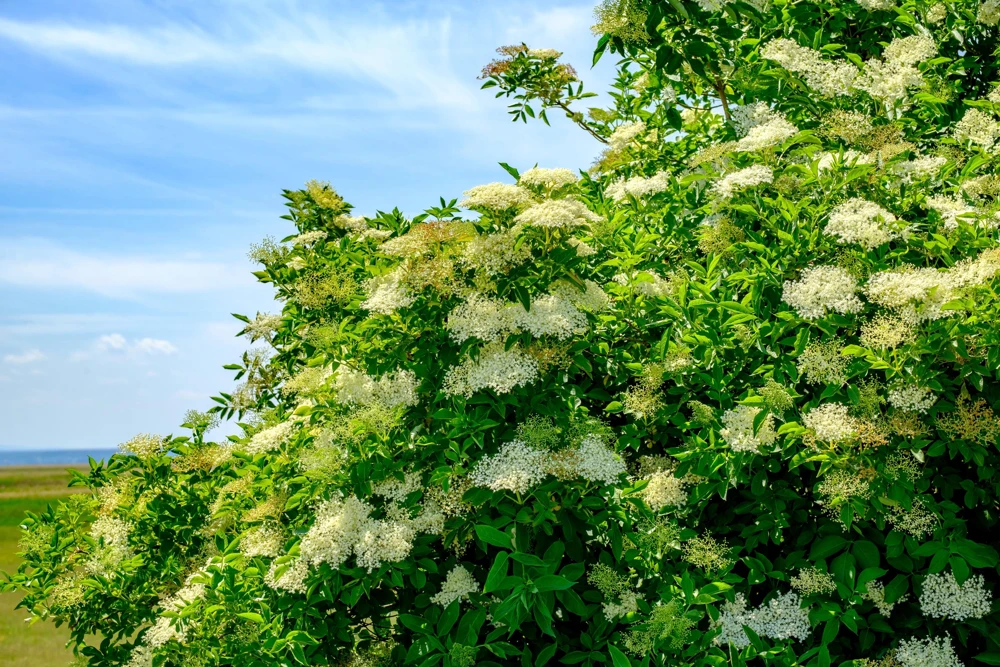
- Attractive Ornamental Value: The Red Elderberry boasts beautiful clusters of white flowers in late spring, followed by bright red berries, adding significant visual interest to your landscape throughout multiple seasons. Its striking appearance makes it a focal point in any garden design.
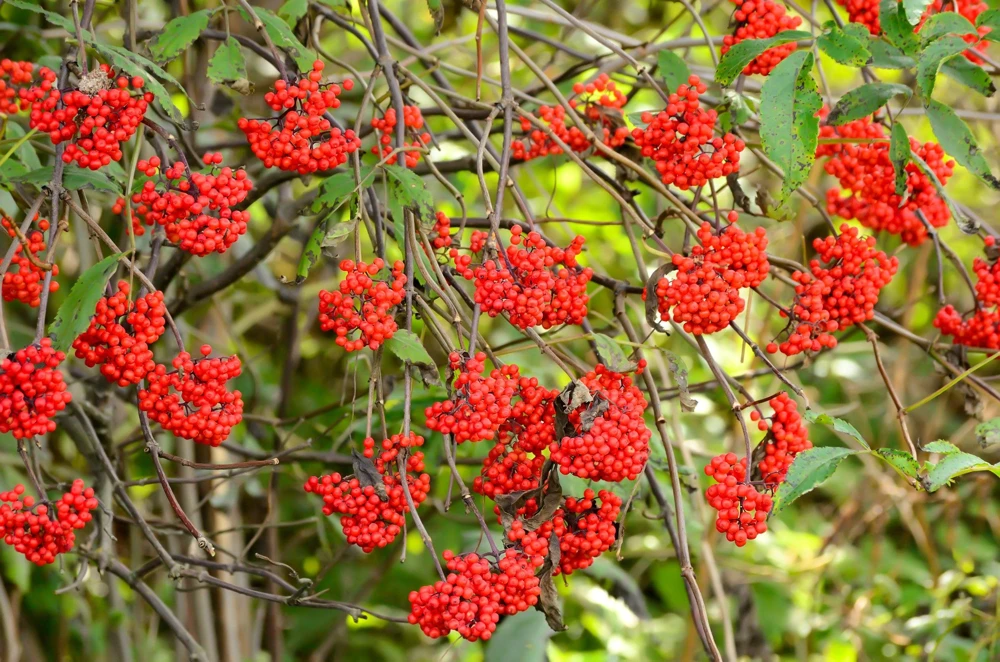
- Wildlife Attraction: The vibrant red berries are a favorite food source for various bird species, making your garden a lively sanctuary for local wildlife. Planting sambucus racemosa seeds contributes to biodiversity and supports natural ecosystems.
- Adaptable and Hardy: This plant is remarkably resilient, thriving in a wide range of conditions and USDA hardiness zones 4-8. It can tolerate various light exposures from full sun to part shade, making it a versatile choice for different garden spots.
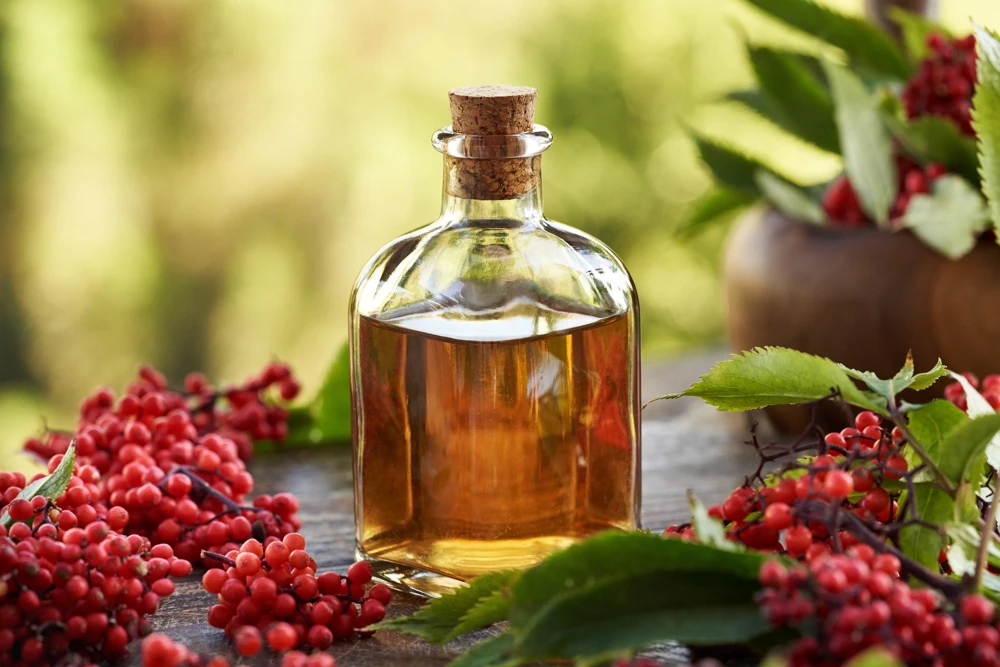
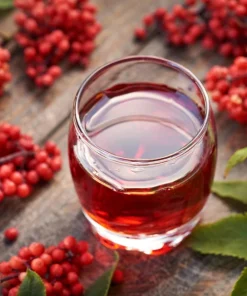
- Potential for Edible Fruit: While caution is advised as raw red elderberries are toxic, they can be processed and cooked to make delicious jams, jellies, and wines. This offers a unique culinary opportunity for those interested in foraging and preserving.
- Erosion Control: Due to its robust root system, the Red Elderberry can be an excellent choice for stabilizing slopes and preventing soil erosion, particularly in areas with average to moist soil conditions.
- Naturalizing Capabilities: These plants are excellent for naturalizing in woodland gardens or along stream banks, blending seamlessly into natural landscapes and requiring minimal intervention once established.
- Supports Pollinators: The flowers, while not as showy as some, attract beneficial pollinators, contributing to the health of your garden and surrounding environment, which is another great reason to grow elderberry from seed.
Plant Care & Growing Tips
Successfully growing red elderberry seeds requires understanding their specific needs, particularly regarding stratification and planting. To grow elderberry from seed, cold stratification is crucial. This mimics the natural winter conditions the seeds would experience outdoors, breaking their dormancy. You can achieve this by planting seeds directly outdoors in the fall, allowing nature to take its course, or by cold stratifying them indoors for several weeks before the last frost. For indoor stratification, mix the seeds with moist sand or peat moss in a sealed bag and refrigerate for 2-3 months before planting. Once stratified, sow the seeds about 1/4 inch deep in well-draining soil.
Red Elderberry thrives in a location that receives full sun to part shade. While it can tolerate some shade, more sunlight generally leads to better flowering and fruiting. These plants prefer average to moist soil conditions, making them ideal for areas that retain some moisture but are not waterlogged. Once established, they are relatively drought-tolerant but will benefit from consistent watering during dry spells, especially when young. The plant is hardy in USDA zones 4-8, indicating its ability to withstand significant winter cold. Ensure your soil is rich in organic matter and has good drainage to prevent root rot. Fertilization is generally not heavily required, but a balanced, slow-release fertilizer in early spring can promote vigorous growth, helping your scarlet elderberry flourish.
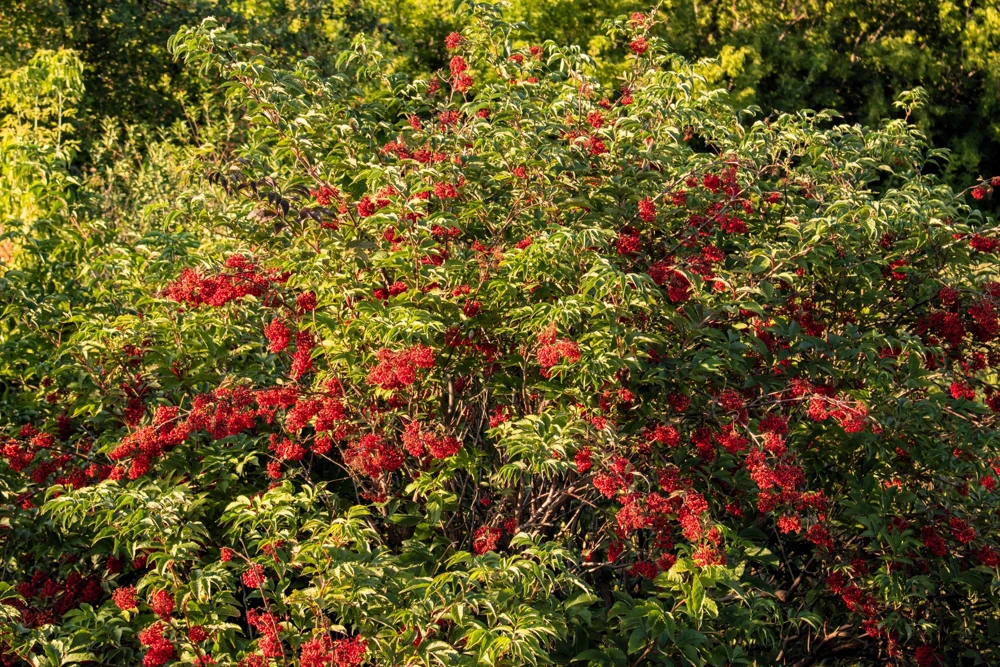
Monitor your young plants for common pests and diseases, though elderberries are generally quite resistant. Pruning can be done in late winter or early spring to maintain shape, remove dead or damaged branches, and encourage new growth. The plant height typically ranges from 8 to 12 feet with a similar spread, so ensure adequate spacing of 8 to 10 feet between plants to allow for mature growth. With proper care, your elderberry fruit tree will become a thriving and beautiful addition to your garden for many years.
Size & Details
This package contains 100 red elderberry seeds (Sambucus Racemosa), providing a substantial quantity for your gardening projects. Each seed has the potential to grow into a resilient shrub or small tree, reaching an impressive height of 8 to 12 feet with a similar spread of 8 to 10 feet at maturity. The plants typically achieve their mature size within a few years, offering a relatively fast-growing option for landscape enhancement. The seeds are suitable for planting in the fall or after a period of cold stratification, ensuring successful germination. The bloom time for these plants usually occurs from May to June, showcasing delicate white flowers. The vibrant red fruit, which is characteristic of the scarlet elderberry, ripens for harvest in the fall, typically between August and September. These seeds are a fantastic way to begin cultivating a beautiful and ecologically beneficial elderberry fruit tree.
Frequently Asked Questions
- Q: How big does this plant get? A: The Red Elderberry (Sambucus Racemosa) typically grows to a height of 8 to 12 feet and can spread 8 to 10 feet wide, forming a substantial shrub or small tree in your landscape. It’s important to allow adequate space for its mature size when planting your red elderberry seeds.
- Q: Is this an indoor or outdoor plant? A: The Red Elderberry is an outdoor plant, best suited for garden beds, naturalized areas, or as a specimen plant. It is hardy in USDA zones 4-8, requiring outdoor conditions to thrive and complete its life cycle.
- Q: How much sunlight does it need? A: This plant prefers full sun to part shade. For optimal flowering and fruit production, aim for at least 6 hours of direct sunlight per day. However, it can tolerate some afternoon shade, especially in hotter climates.
- Q: Is this plant easy to care for? A: Yes, once established, the Red Elderberry is relatively low-maintenance. The most critical step is ensuring proper cold stratification for the sambucus racemosa seeds and providing adequate moisture during its initial growth phase.
- Q: What condition will the seeds arrive in? A: Your red elderberry seeds will arrive as dry, viable seeds, carefully packaged to ensure their integrity. They will require cold stratification before planting for best germination results.
- Q: How long until it blooms? A: From seed, it typically takes 2-3 years for the Red Elderberry to reach maturity and begin producing flowers and fruit. The bloom time is generally from May to June.
- Q: Will it survive winter in my zone? A: Yes, the Red Elderberry is very hardy and can survive winters in USDA zones 4 through 8. It is a deciduous plant, meaning it will lose its leaves in the fall and go dormant during winter, re-emerging in spring.
- Q: Can I eat the red elderberry fruit? A: Raw red elderberries are toxic and should not be consumed. However, the berries can be safely eaten after being cooked and processed, often used in jams, jellies, pies, and wines. Always ensure proper preparation.
- Q: What kind of soil does it prefer? A: The scarlet elderberry prefers average to moist, well-draining soil. It is adaptable to various soil types but thrives best in fertile, loamy soil rich in organic matter.
- Q: When is the best time to plant these seeds? A: The best time to plant red elderberry seeds is in the fall directly outdoors, allowing for natural cold stratification over winter. Alternatively, you can cold stratify them indoors and plant them in the spring after the last frost.
Be the first to review “Red Elderberry Seeds (Sambucus Racemosa) – 100 Seeds for Growing Fruit Trees”
People Also Viewed
Flower Seeds
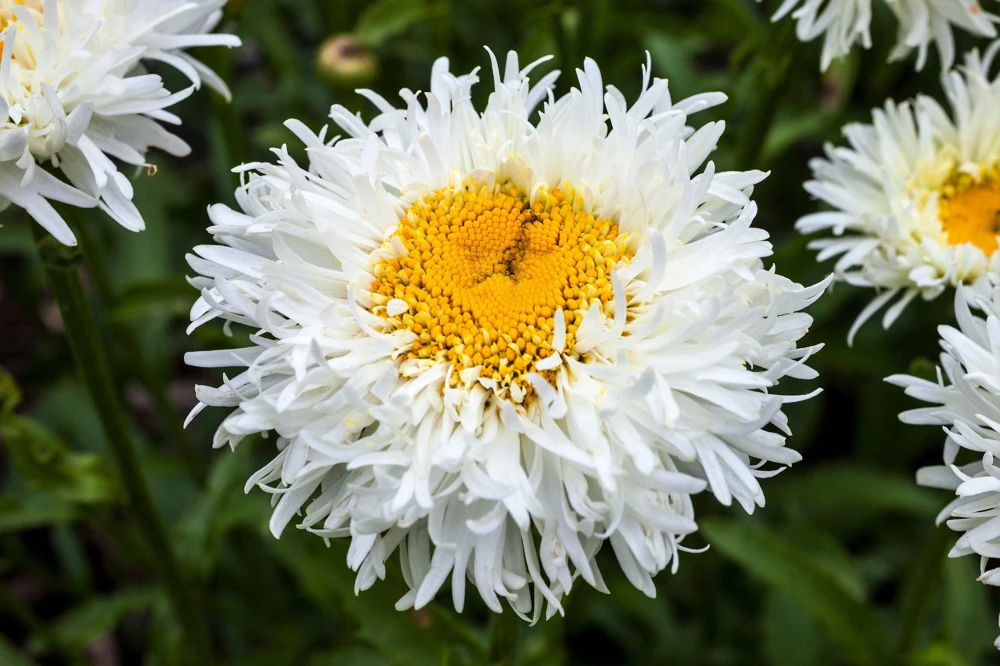
30 Double Crazy Daisy Leucanthemum Superbum Seeds – Big 3″ Frizzled White Yellow Flowers
Flower Plants
Reviews
There are no reviews yet.