


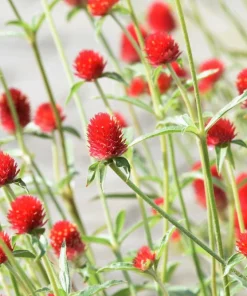
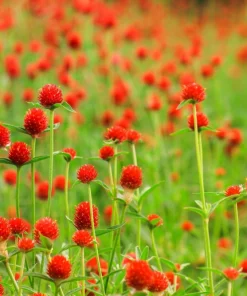
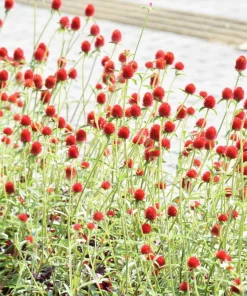
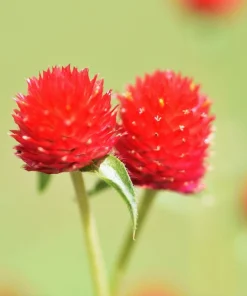
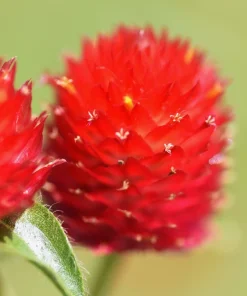
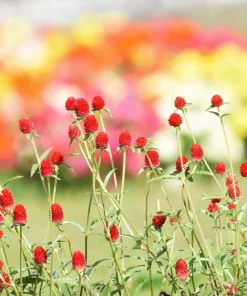
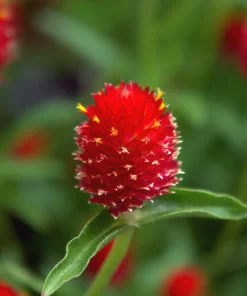
Strawberry Fields Gomphrena Seeds – 50 Count – Scarlet Red Globe Amaranth Flowers
Original price was: $36.99.$16.99Current price is: $16.99.
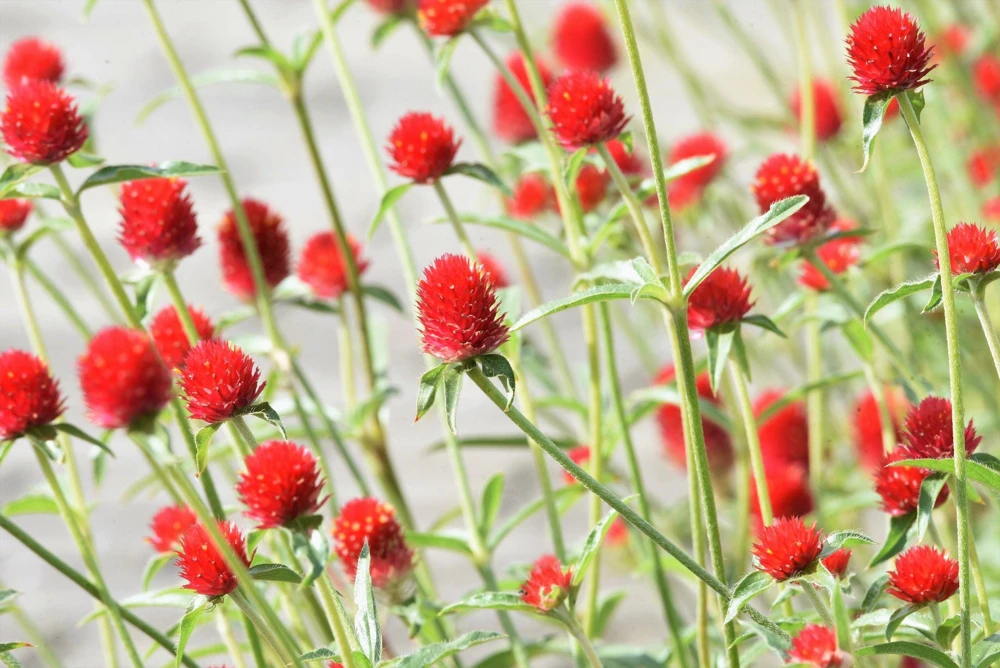
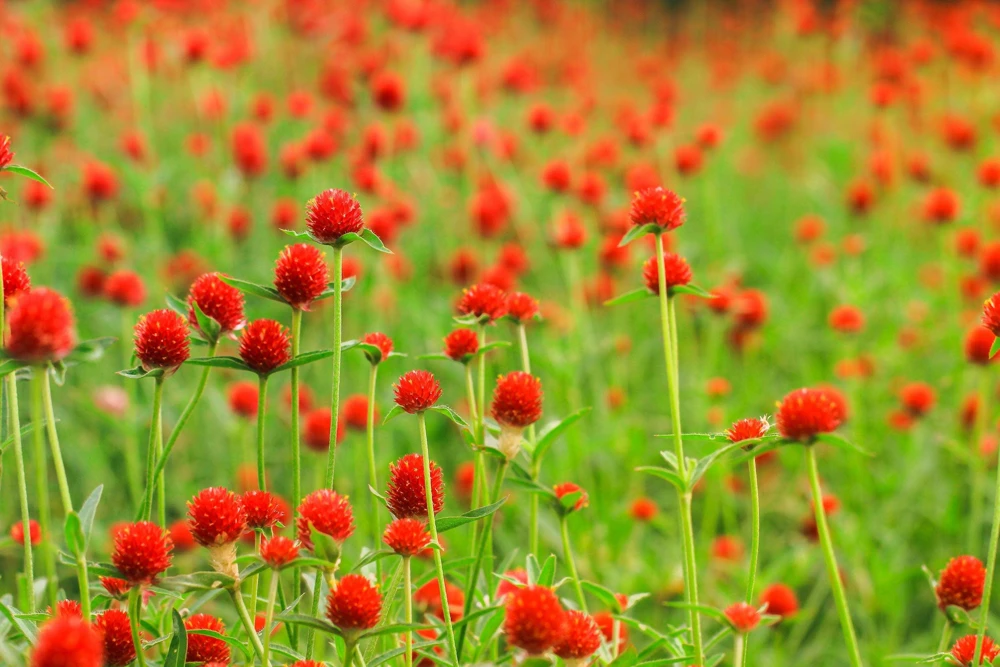
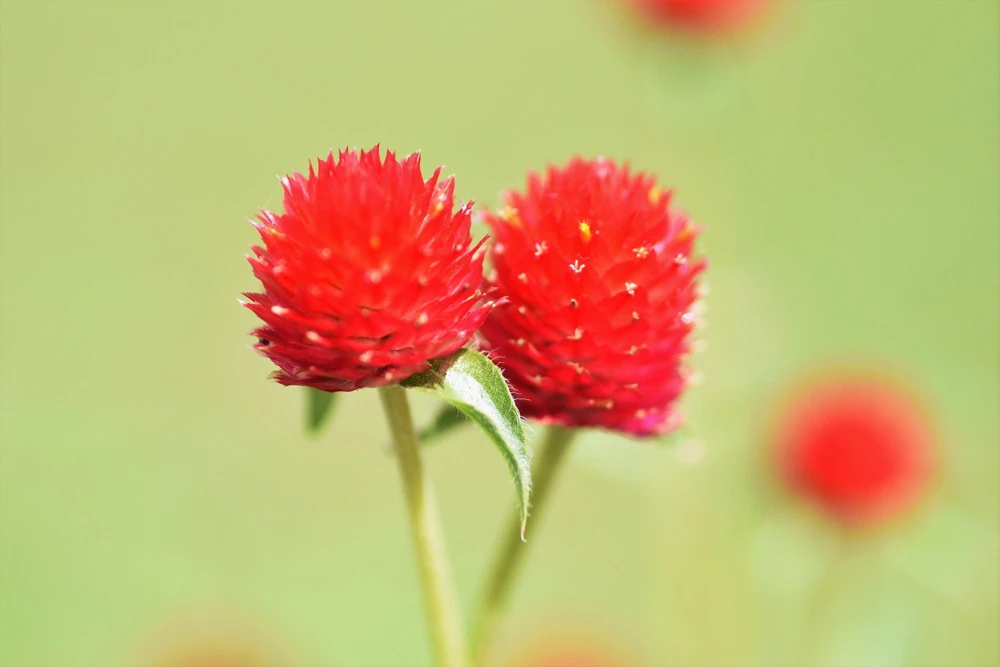
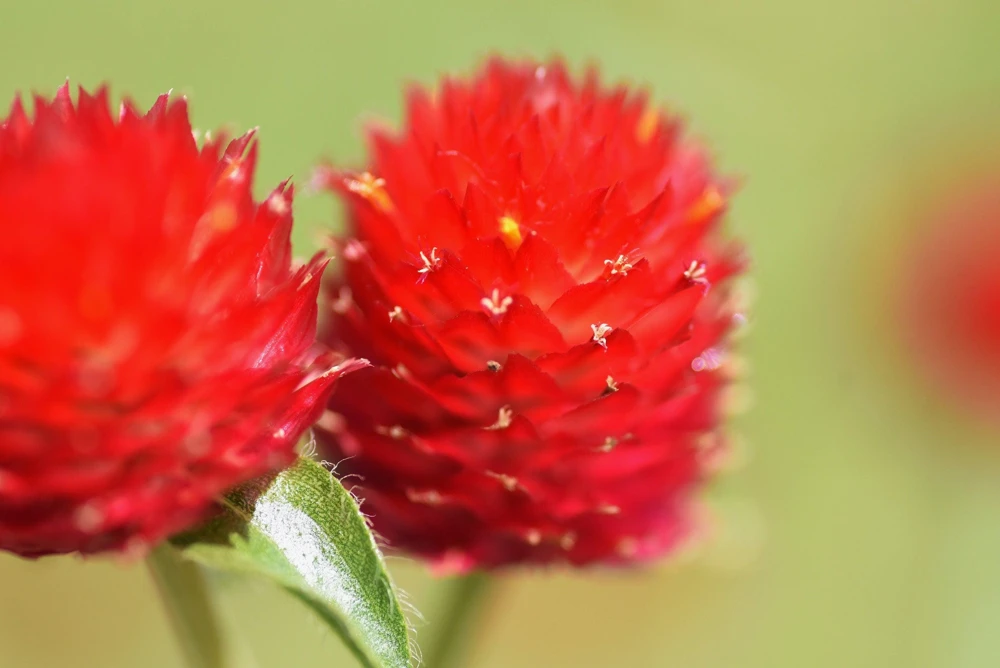
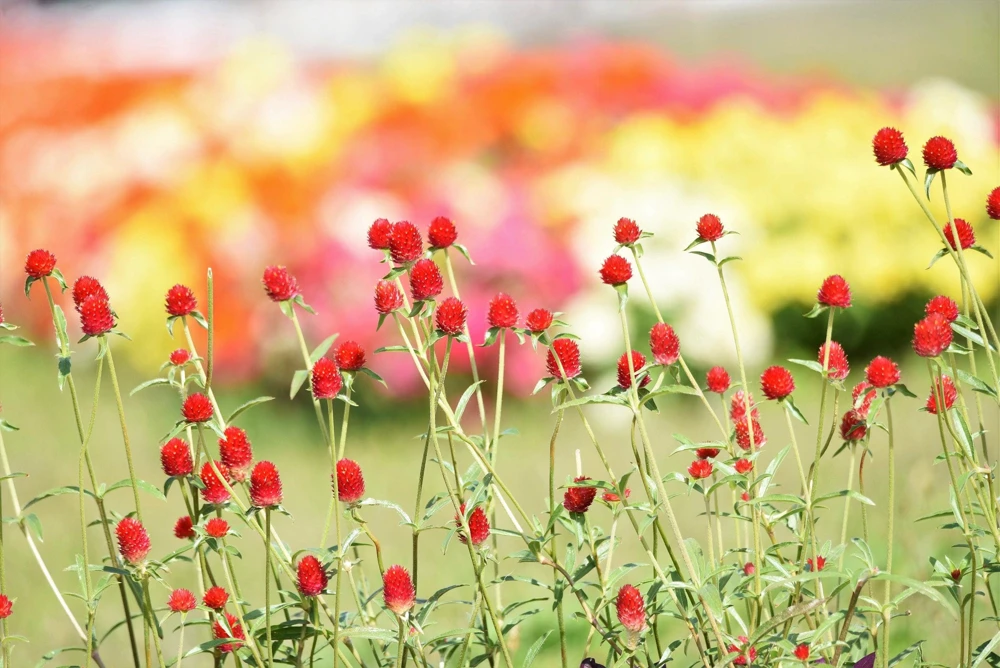
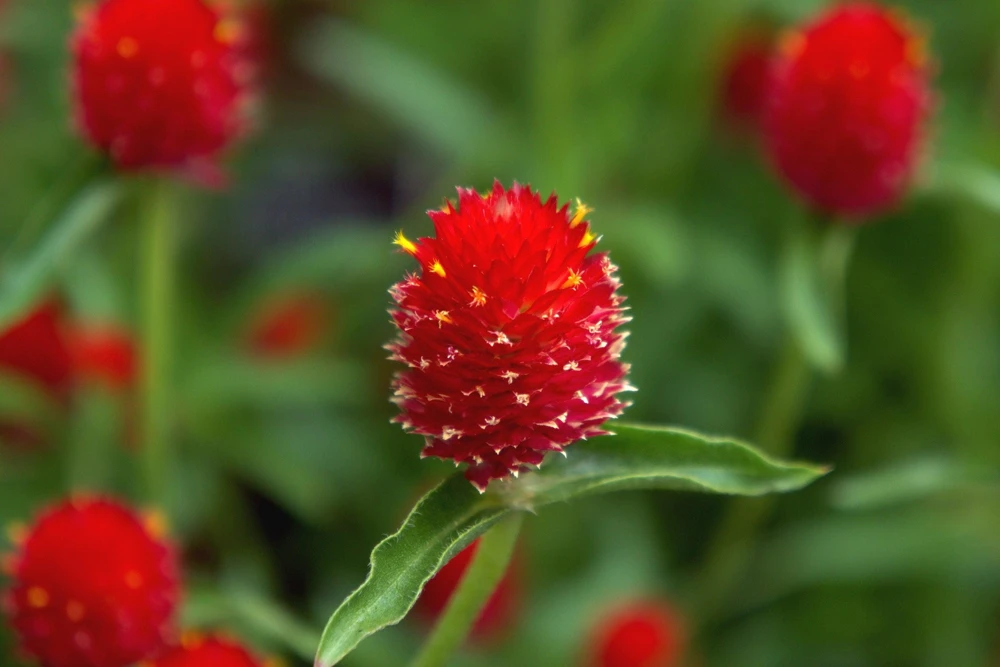
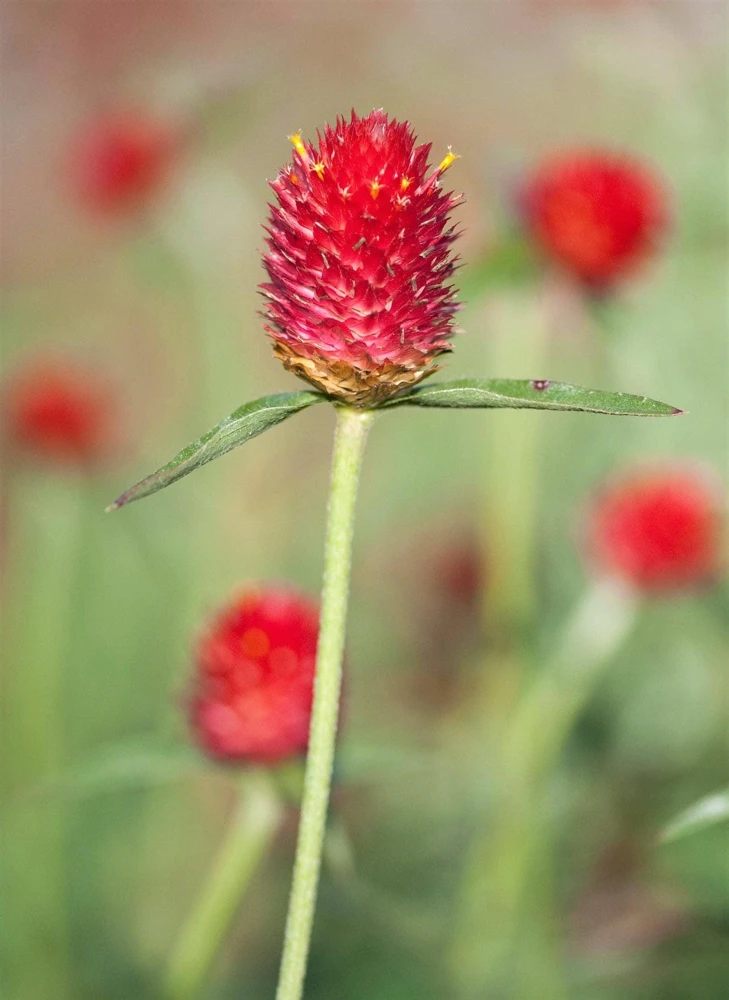
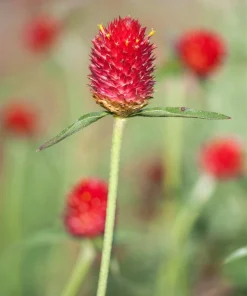
Cultivate stunning strawberry fields gomphrena seeds, known for their brilliant scarlet red globe-shaped blooms. These easy-to-grow annuals are perfect for attracting bees, butterflies, and birds to your garden. Ideal for sunny spots and low-maintenance landscaping.
Estimated arrival
Sep 14
Sep 19 - Sep 21
Sep 24 - Sep 28
Shop With Confidence
30-Day Plant Health Guarantee
Arrives damaged? We’ll replace it free — see our return policy.
Responsive Support
Email us anytime, we reply within 1 business day.
Expert Packaging
Temperature-controlled shipping to protect your plants in transit.
Secure Checkout
Pay safely with Visa, Mastercard, PayPal.
Plant Specifications
-
USDA Hardiness Zone
Half Hardy Annual -
Soil Type
Average - Dry, well-draining soil -
Sunlight Exposure
Full Sun -
Expected Planting Period
Outdoors after last frost / Indoors weeks before last frost
Overview
Embark on a vibrant gardening journey with strawberry fields gomphrena seeds, offering a spectacular display of scarlet red globe-shaped flowers. Scientifically known as Gomphrena Haageana ‘Strawberry Fields’, these delightful annuals are also commonly referred to as Rio Grande Globe Amaranth. As seeds, they provide an affordable and rewarding way to introduce a burst of continuous color to your garden beds, borders, or containers. Each packet contains 50 strawberry fields gomphrena seeds, ready to transform into robust plants that bloom profusely from early summer until fall. These flowers are not only visually appealing but also a magnet for beneficial pollinators, including bees, butterflies, and even hummingbirds, making your garden a lively haven. Growing scarlet red globe amaranth from seed is an accessible project for gardeners of all experience levels, promising a bountiful harvest of long-lasting blooms perfect for cutting and drying.
The ‘Strawberry Fields’ variety is particularly prized for its intense, eye-catching color and its ability to withstand hot, dry conditions, making it an excellent choice for xeriscaping or gardens in warmer climates. These plants are half-hardy annuals, meaning they complete their life cycle in one growing season but can often reseed themselves in favorable conditions. Their unique texture and rich hue add depth and interest to any floral arrangement, both fresh and dried. If you’re looking to grow gomphrena from seed, this variety offers reliable germination and vigorous growth, quickly establishing itself to provide weeks of continuous bloom.
Key Benefits
Adding strawberry fields gomphrena seeds to your garden provides a multitude of benefits, from enhancing aesthetic appeal to supporting local ecosystems. These remarkable flowers are more than just pretty faces; they are a hardworking addition to any landscape.
- Vibrant, Long-Lasting Blooms: Enjoy a continuous show of brilliant scarlet red, globe-shaped flowers from early summer through fall. These blooms maintain their color and form exceptionally well, both in the garden and as cut flowers.
- Attracts Pollinators: The nectar-rich flowers are irresistible to bees, butterflies, and other beneficial insects, making them an excellent choice for a pollinator garden. This helps support local biodiversity and the health of your garden.
- Drought Tolerant & Low Maintenance: Once established, gomphrena haageana seeds produce plants that are remarkably resilient to heat and drought, requiring minimal watering and care, perfect for busy gardeners or arid regions.
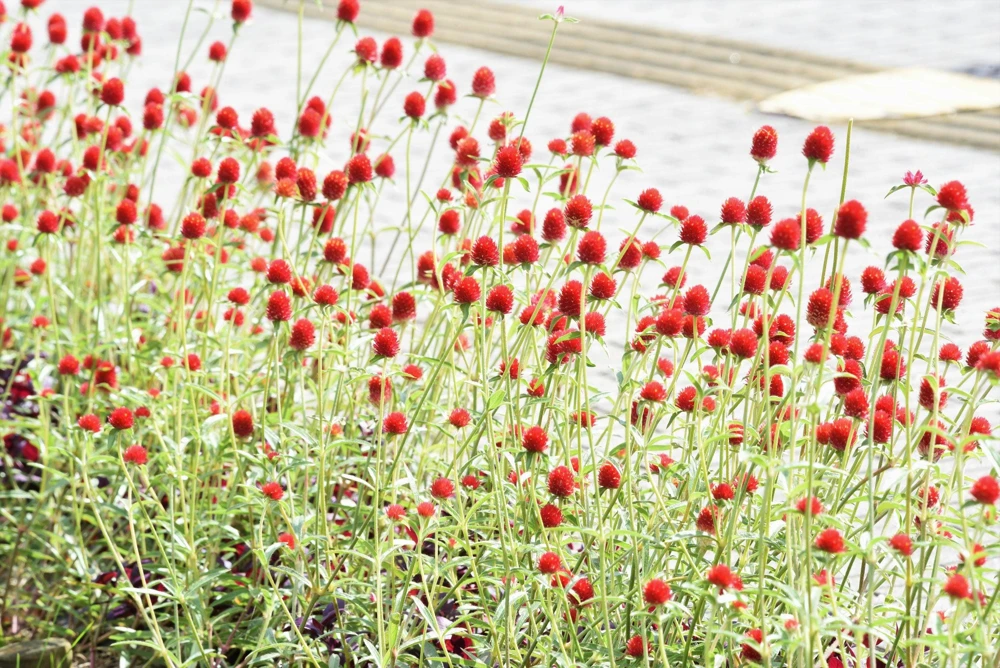
- Versatile Garden Use: Ideal for mass plantings, borders, rock gardens, containers, and even as a vibrant groundcover. Their upright growth habit and consistent bloom make them a reliable choice for various landscaping designs.
- Excellent for Cut & Dried Flowers: The unique texture and durable nature of these flowers make them perfect for fresh bouquets, and they dry beautifully, retaining their color for long-lasting arrangements.
- Easy to Grow from Seed: With 50 strawberry fields gomphrena seeds, these plants are straightforward to start and cultivate, offering a rewarding experience for both novice and experienced gardeners looking to grow gomphrena from seed.
- Deer Resistant: Generally, deer tend to leave gomphrena alone, making it a good option if deer are a common problem in your area.
Plant Care & Growing Tips
Successfully cultivating strawberry fields gomphrena seeds into a flourishing display of scarlet red blooms is a rewarding experience that requires attention to a few key growing conditions. These plants thrive in conditions that mimic their native warm, sunny environments. For optimal growth, ensure they receive ample sunlight. Plant your gomphrena in a location that gets at least 6-8 hours of direct sunlight per day. Full sun exposure is crucial for abundant flowering and to prevent leggy growth. While they are heat-loving, good air circulation also helps prevent fungal issues, especially in humid climates.
When it comes to soil, scarlet red globe amaranth prefers average to dry, well-draining soil. They are not particular about soil pH but will struggle in heavy, waterlogged conditions. Amend clay soils with organic matter like compost or sand to improve drainage. Watering should be consistent during the establishment phase, but once mature, gomphrena is quite drought-tolerant. Allow the top inch or two of soil to dry out between waterings. Overwatering can lead to root rot, so err on the side of underwatering rather than overwatering. Fertilization is generally not heavily required; a balanced, all-purpose fertilizer applied once or twice during the growing season, especially at planting or when flowering begins, will suffice. Deadheading spent blooms is not strictly necessary for continuous flowering but can improve the plant’s appearance and encourage more prolific blooming. These half-hardy annuals are typically grown in USDA Hardiness Zones where they can enjoy a long, warm growing season. To grow gomphrena from seed successfully, consider starting seeds indoors weeks before the last frost for an earlier bloom or direct sowing outdoors once all danger of frost has passed.
Size & Details
These strawberry fields gomphrena seeds will grow into robust plants typically reaching a height of 18-24 inches, with a spread of 6-10 inches, creating a bushy, upright form. Each packet contains 50 gomphrena haageana seeds, providing a generous quantity for multiple plantings or a sizable display. The plants will begin blooming in early summer and continue profusely until the first hard frost in the fall. This variety is known for its relatively fast growth rate, quickly establishing itself and producing its distinctive scarlet red globe flowers. The seeds are intended for outdoor planting after the last frost, or they can be started indoors several weeks prior to the last frost date to get a head start on the growing season. The resulting flowers are perfect for cutting and creating long-lasting arrangements, or for drying to preserve their vibrant color and unique texture for crafts and decor.
Frequently Asked Questions
- Q: How big do these strawberry fields gomphrena plants get? A: These plants typically grow to a height of 18-24 inches and spread about 6-10 inches wide, forming an attractive, upright mound of vibrant red blooms.
- Q: When is the best time to plant the strawberry fields gomphrena seeds? A: You can plant the seeds outdoors after all danger of frost has passed, or for an earlier bloom, start them indoors 6-8 weeks before your last expected frost date.
- Q: How much sunlight do these scarlet red globe amaranth flowers need? A: For abundant flowering and healthy growth, these plants require full sun, meaning at least 6-8 hours of direct sunlight per day.
- Q: Is this plant easy to care for, especially for beginners? A: Yes, strawberry fields gomphrena seeds are considered very easy to grow. They are drought-tolerant and low-maintenance once established, making them an excellent choice for novice gardeners.
- Q: Will these plants attract pollinators to my garden? A: Absolutely! These gomphrena haageana seeds will produce flowers that are highly attractive to bees, butterflies, and other beneficial pollinators, enhancing your garden’s ecosystem.
- Q: Can I use these flowers for cut arrangements or drying? A: Yes, the ‘Strawberry Fields’ gomphrena is an excellent choice for both fresh cut flower arrangements and for drying. They retain their vibrant scarlet red color and unique globe shape beautifully when dried.
- Q: What kind of soil do these gomphrena plants prefer? A: They thrive in average to dry, well-draining soil. Avoid heavy clay soils that retain too much moisture, as good drainage is key for their health.
- Q: Are these plants annuals or perennials? A: Strawberry Fields Gomphrena are half-hardy annuals, meaning they complete their life cycle in one growing season. However, they can often self-seed in warmer climates, returning year after year.
- Q: How many seeds are included in this packet? A: Each packet contains 50 strawberry fields gomphrena seeds, providing a good quantity to start a vibrant display in your garden.
- Q: Do I need to fertilize my gomphrena plants? A: While not heavy feeders, a balanced, all-purpose fertilizer applied once or twice during the growing season can encourage more vigorous growth and flowering. Avoid over-fertilizing, especially with high-nitrogen formulas.
Be the first to review “Strawberry Fields Gomphrena Seeds – 50 Count – Scarlet Red Globe Amaranth Flowers”
People Also Viewed
Vegetable Seeds
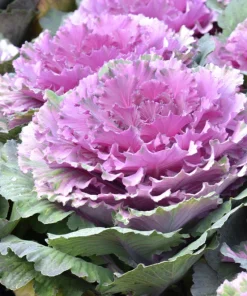
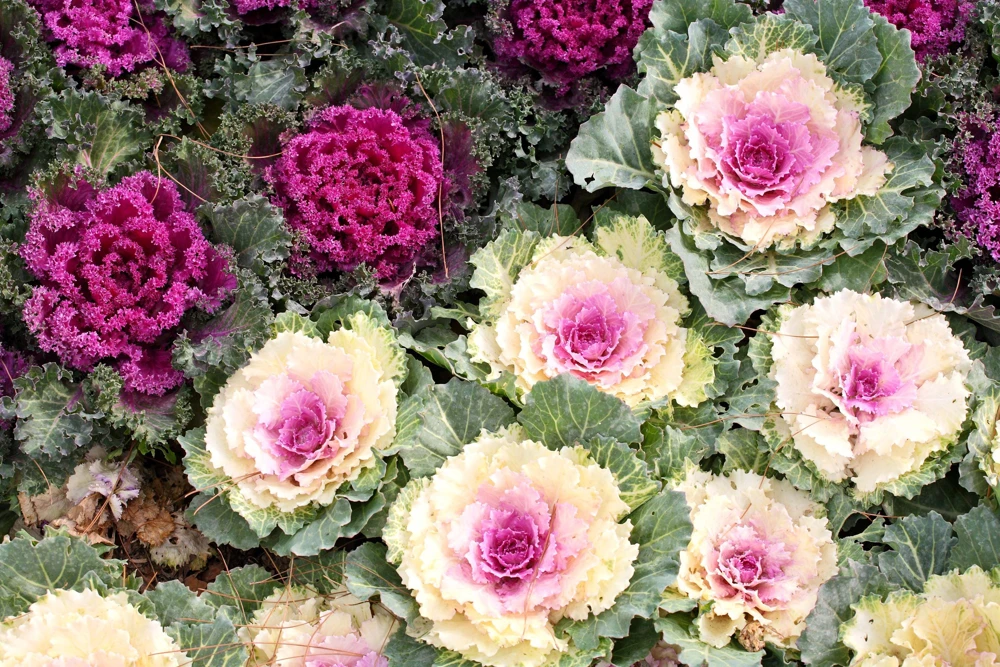
50 Mixed Ornamental Cabbage Seeds – Flowering Brassica Oleracea
Flower Plants
Voodoo Fuchsia Live Plant – Exotic Flowering Ornamental – 6″ Pot – Shade-Loving Hanging Basket
Reviews
There are no reviews yet.