
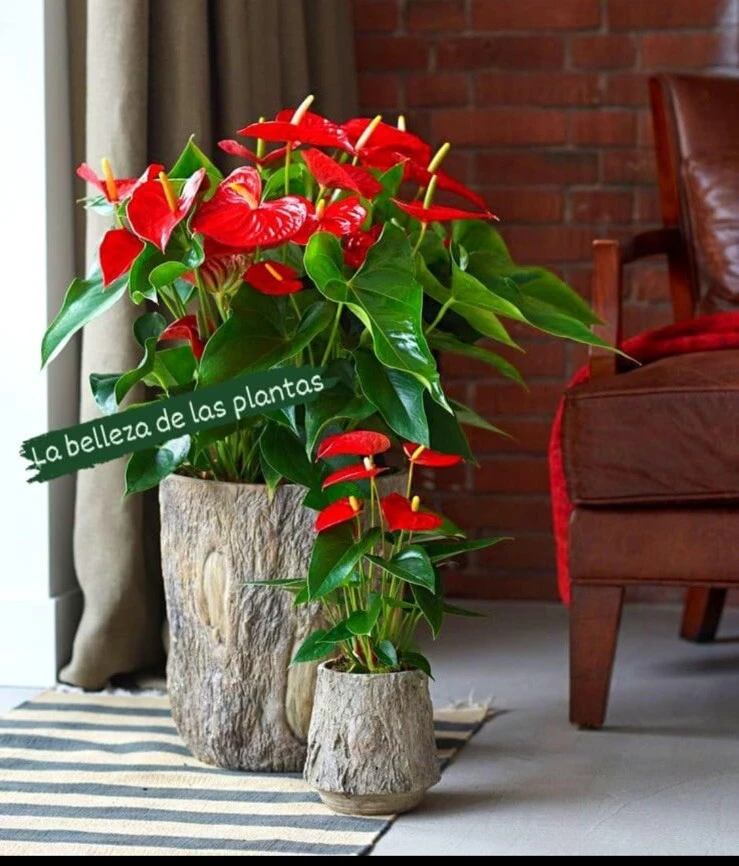
Red Anthurium Live Plant – Flamingo Flower – Tropical Indoor Houseplant
Original price was: $43.99.$35.99Current price is: $35.99.
Bring a touch of the tropics indoors with this exquisite red anthurium live plant. Known for its glossy, heart-shaped red spathes and vibrant foliage, the flamingo flower care is surprisingly easy, making it an ideal choice for a stunning tropical indoor houseplant that brightens any room. Enjoy continuous blooms and air-purifying benefits.
Estimated arrival
Oct 27
Nov 01 - Nov 03
Nov 06 - Nov 10
Shop With Confidence
30-Day Plant Health Guarantee
Arrives damaged? We’ll replace it free — see our return policy.
Responsive Support
Email us anytime, we reply within 1 business day.
Expert Packaging
Temperature-controlled shipping to protect your plants in transit.
Secure Checkout
Pay safely with Visa, Mastercard, PayPal.
Plant Specifications
-
USDA Hardiness Zone
USDA zones 10-11 (indoors elsewhere) -
Soil Type
Well-draining, airy potting mix (e.g., orchid mix blend) -
Sunlight Exposure
Bright indirect light -
Expected Planting Period
Year-round indoors
Overview
Introduce a vibrant splash of color and exotic flair to your indoor oasis with the stunning red anthurium live plant. Also widely known as the Flamingo Flower or Laceleaf, this tropical beauty is cherished for its distinctive, waxy, heart-shaped red ‘flowers’ (which are actually modified leaves called spathes) and prominent central spadix. Originating from the rainforests of Central and South America, the anthurium thrives in warm, humid environments, making it a perfect candidate for a captivating tropical indoor houseplant. Its glossy green foliage provides a lush backdrop to the brilliant red spathes, ensuring a visually striking display that can last for weeks, often blooming year-round under optimal conditions. This plant not only adds aesthetic appeal but also contributes to a healthier indoor atmosphere by helping to purify the air.
The red anthurium live plant is a fantastic choice for both seasoned plant enthusiasts and beginners alike, thanks to its relatively straightforward care requirements. Its unique appearance makes it a conversation starter, and its ability to bloom consistently adds continuous joy to your living space. Whether placed on a desk, a shelf, or as a centerpiece, the anthurium effortlessly elevates the ambiance with its bold elegance. Embrace the allure of the tropics and enjoy the enduring beauty of this magnificent flowering plant in your home.
Key Benefits
The red anthurium live plant offers a multitude of advantages that make it a highly desirable addition to any indoor plant collection. Its striking appearance is just one of many reasons to welcome this tropical gem into your home.
- Continuous, Vibrant Blooms: Enjoy long-lasting, brilliant red, heart-shaped spathes that can bloom throughout the year, providing consistent color and beauty to your indoor environment. These unique ‘flowers’ are incredibly durable and maintain their vivid hue for an extended period.
- Air-Purifying Qualities: Like many houseplants, the anthurium helps improve indoor air quality by filtering out certain toxins, contributing to a fresher and healthier living space. It’s a natural way to enhance your home’s atmosphere.
- Low-Maintenance Elegance: Despite its exotic appearance, flamingo flower care is surprisingly manageable. It thrives with basic attention to light, water, and humidity, making it suitable for busy individuals or those new to plant care.
- Tropical Aesthetic Appeal: Its glossy foliage and distinctive red spathes instantly create a tropical ambiance, transforming any room into a more serene and exotic retreat. It’s a perfect statement plant for modern or traditional decor.
- Versatile Decor Piece: The compact size and upright growth habit of the anthurium allow it to fit beautifully in various settings, from office desks and bookshelves to living room tables and bathroom counters, adding a sophisticated touch wherever it’s placed.
- Pet-Friendly (with caution): While all parts of the anthurium are considered toxic if ingested, many plant lovers successfully keep them in homes with pets by placing them out of reach. Always exercise caution.
- Unique Gift Idea: A blooming red anthurium live plant makes a thoughtful and memorable gift for birthdays, housewarmings, or any special occasion, offering lasting beauty that outshines cut flowers.
Plant Care & Growing Tips
Caring for your red anthurium live plant is a rewarding experience, and with a few key considerations, you can ensure it thrives and produces its stunning blooms consistently. The most crucial aspect of anthurium care tips is mimicking its native tropical environment.
Sunlight Requirements: Anthuriums prefer bright, indirect light. Place your plant near a window that receives plenty of natural light but avoids direct, harsh sunlight, which can scorch its leaves and spathes. An east-facing window is often ideal, or a few feet back from a south or west-facing window. Insufficient light can lead to fewer blooms, while too much direct sun can bleach the foliage. If you notice yellowing leaves or burnt spots, move your plant to a shadier location.
Watering Schedule and Soil Moisture: Water your anthurium thoroughly when the top inch or two of the soil feels dry to the touch. It’s better to slightly underwater than to overwater, as anthuriums are susceptible to root rot. Ensure excess water drains out of the pot’s drainage holes. Reduce watering slightly during the cooler, darker winter months. The soil should be consistently moist but never soggy. If you are unsure about the ideal watering frequency for your anthurium plant red, use a moisture meter or lift the pot to gauge its weight.
Soil Type and Drainage Requirements: A well-draining, airy potting mix is essential for anthuriums. A good blend consists of equal parts potting soil, perlite, and orchid bark or coco coir. This mimics the epiphytic nature of anthuriums (they grow on other plants in their natural habitat) and prevents waterlogging. Ensure your pot has drainage holes to facilitate proper water flow. Repotting should be done every 2-3 years, or when the plant becomes root-bound, moving to a pot only slightly larger than the previous one.
Temperature Range and USDA Hardiness Zone: Anthuriums thrive in warm temperatures, ideally between 65-80°F (18-27°C). Avoid placing them in areas with sudden temperature fluctuations or cold drafts. They are not frost-tolerant and are typically grown as indoor plants in most regions. For outdoor cultivation in warmer climates, they are suitable for USDA Zones 10-11, where temperatures rarely drop below 50°F (10°C). Humidity is also crucial; aim for 60% or higher. You can increase humidity by misting the leaves regularly, placing the pot on a pebble tray with water, or using a humidifier.
Fertilization Schedule and Type: Feed your red anthurium live plant every 2-4 weeks during the growing season (spring and summer) with a balanced liquid fertilizer diluted to half strength. Reduce or stop fertilizing during fall and winter when the plant’s growth slows down. A fertilizer specifically formulated for flowering houseplants or orchids can also work well. Over-fertilization can lead to salt buildup and burned roots, so always follow product instructions.
Common Problems and Solutions: Yellowing leaves can indicate overwatering or nutrient deficiency. Brown leaf tips often point to low humidity or inconsistent watering. Pests like spider mites and mealybugs can occasionally affect anthuriums; inspect your plant regularly and treat with insecticidal soap if necessary. Ensuring proper flamingo flower care and environmental conditions will help prevent most issues.
Size & Details
This red anthurium live plant typically arrives as a well-established specimen in a nursery pot, ready to be placed in your decorative container. While exact dimensions can vary, anthuriums generally grow to a compact size, making them ideal for indoor settings. Expect your plant to reach a height of approximately 12-18 inches (30-45 cm) and a similar spread when mature, though some varieties can grow larger. The plant will be shipped in a healthy, vibrant condition, carefully packaged to ensure its safe arrival. The growth rate is moderate, and with proper anthurium care tips, you can expect consistent new foliage and the continuous development of its iconic red spathes throughout the year. The longevity of a well-cared-for anthurium can span several years, offering enduring beauty.
Frequently Asked Questions
- Q: How big does this plant get? A: A mature red anthurium live plant typically reaches a height of 12-18 inches and a similar spread, making it a perfectly sized accent for most indoor spaces. Its compact growth habit ensures it won’t outgrow its spot too quickly.
- Q: What size pot does it come in? A: The plant will be shipped in a standard nursery pot, usually around 4-6 inches in diameter, providing a stable environment for its initial growth. You can repot it into a decorative container upon arrival.
- Q: Is this an indoor or outdoor plant? A: The anthurium is primarily grown as a tropical indoor houseplant in most climates due to its sensitivity to cold. It can thrive outdoors only in warm, humid USDA Zones 10-11.
- Q: How much sunlight does it need? A: Your anthurium prefers bright, indirect light. Avoid direct sunlight which can burn its leaves and spathes. An east-facing window or a spot a few feet away from a south or west window is usually ideal.
- Q: Is this plant easy to care for? A: Yes, flamingo flower care is generally considered easy to moderate. With consistent watering, adequate humidity, and proper lighting, it’s a very forgiving plant, suitable for beginners.
- Q: What condition will it arrive in? A: We carefully package our plants to ensure they arrive healthy and vibrant, ready to thrive in your home. You may see a slight yellow leaf from transit shock, but the plant will quickly recover.
- Q: Is it shipped in soil? A: Yes, your red anthurium live plant will arrive securely rooted in its nursery pot with appropriate potting mix, ensuring it has the nutrients and stability for its journey.
- Q: How long until it blooms? A: Anthuriums are known for their long-lasting blooms. With good anthurium care tips, your plant can produce new spathes continuously throughout the year, with each bloom lasting for several weeks.
- Q: What’s the minimum temperature it can tolerate? A: Anthuriums are tropical plants and prefer temperatures above 65°F (18°C). They should not be exposed to temperatures below 50°F (10°C) as this can cause significant damage or death.
- Q: Is the anthurium plant red pet-safe? A: All parts of the anthurium contain calcium oxalate crystals, which can cause irritation if ingested. While not typically fatal, it’s best to keep it out of reach of pets and children.
Be the first to review “Red Anthurium Live Plant – Flamingo Flower – Tropical Indoor Houseplant”
People Also Viewed
Vegetable Seeds
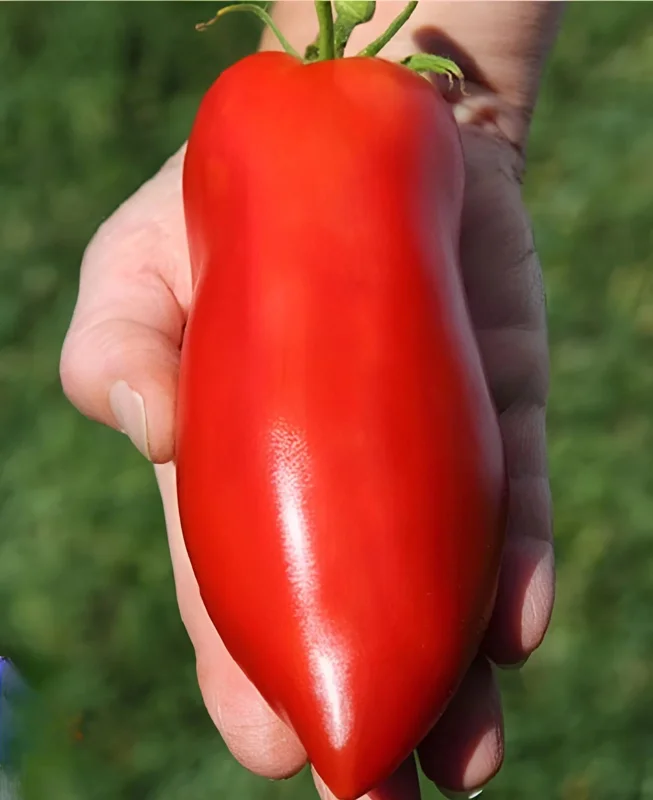
Heirloom Super Italian Paste Tomato Seeds – 100 Seeds – Large 6-10 oz Fruit – High Yield
Succulents
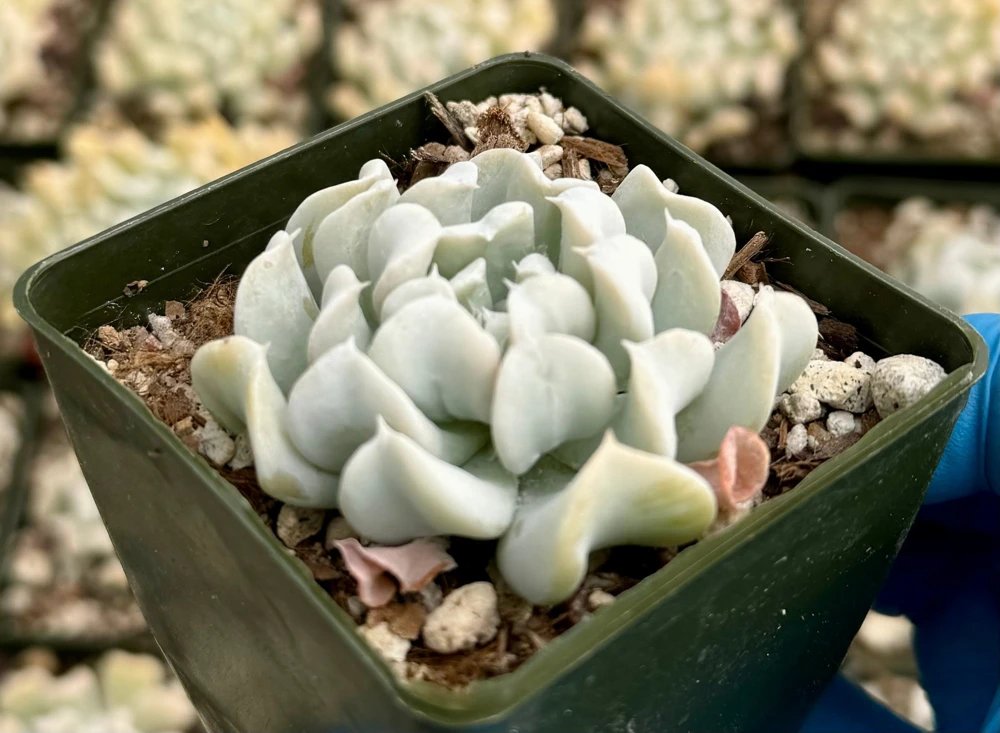
Echeveria Runyonii Topsy Turvy Live Plant – Blue Succulent in 2 Inch Pot – Indoor/Outdoor
Herbs
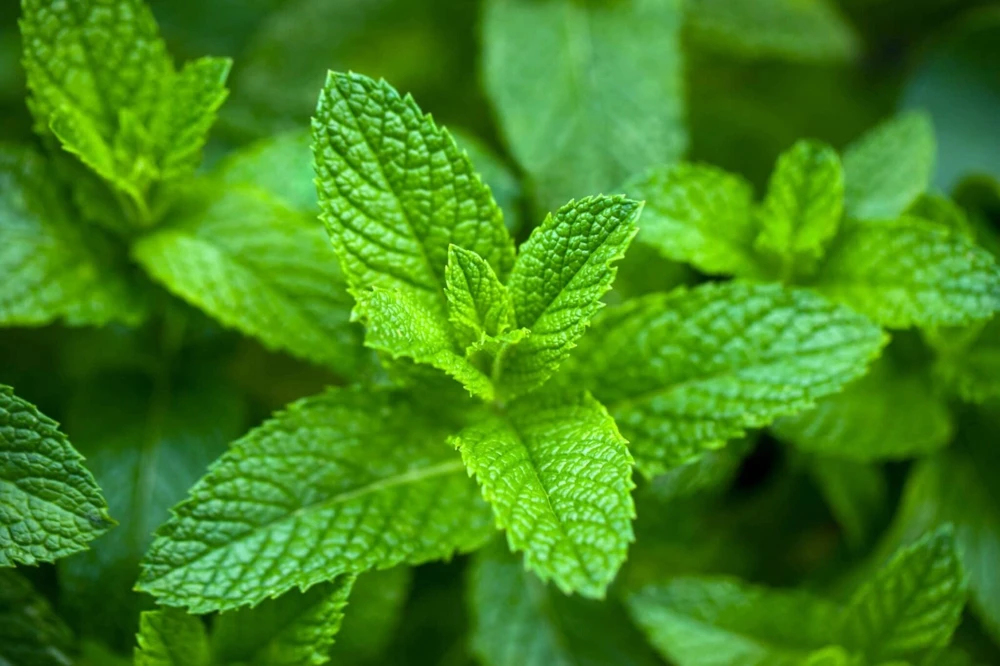
Organic Spearmint Live Plant – Mentha spicata Herb Starter in 2.5″ x 3.5″ Pot – Indoor & Outdoor
Reviews
There are no reviews yet.