
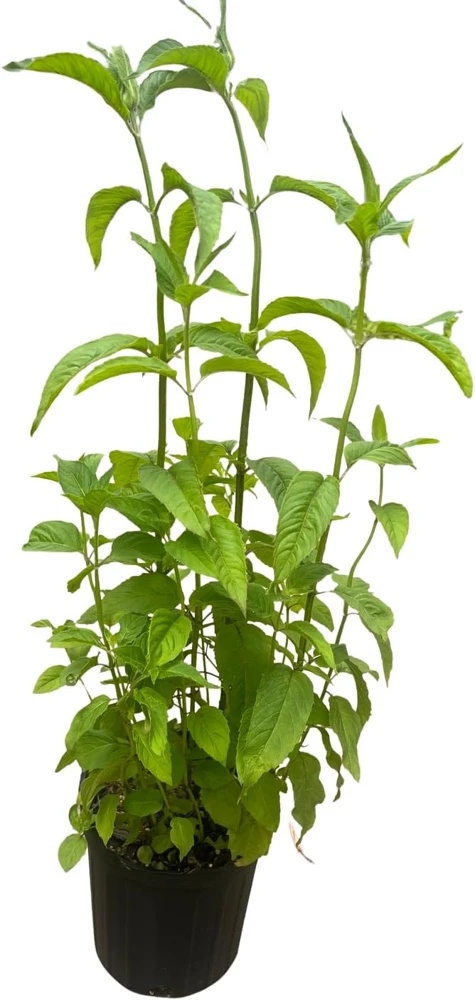
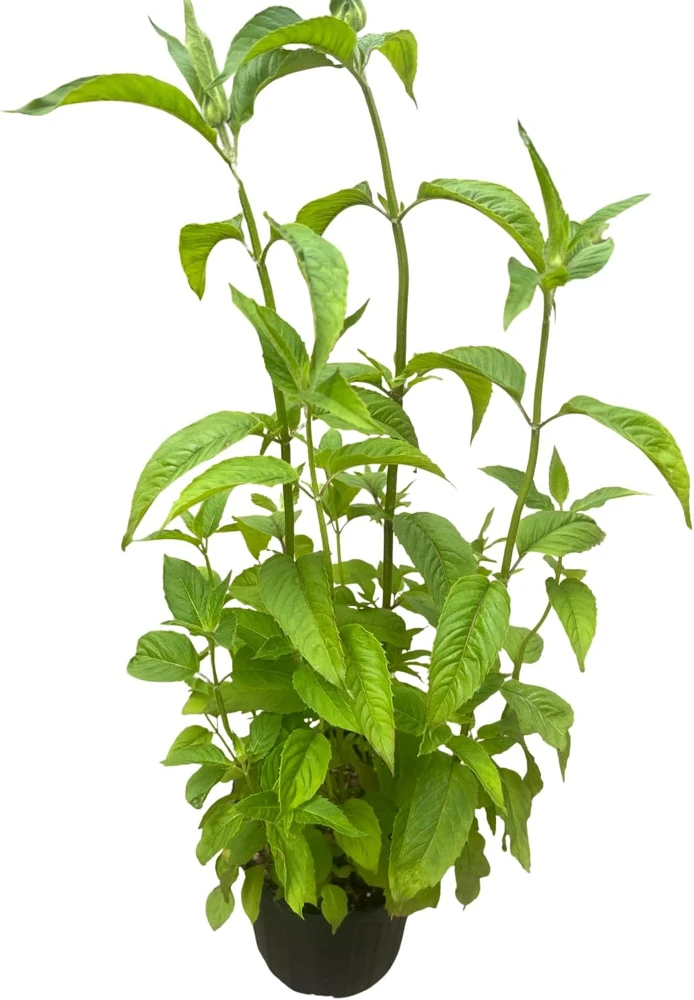
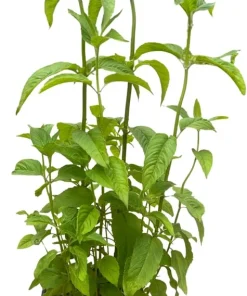
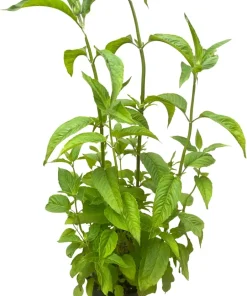
Purple Rooster Bee Balm Monarda Live Plant – Royal Purple Blooms – 1 Gallon Pot – Outdoor
Original price was: $60.99.$50.99Current price is: $50.99.
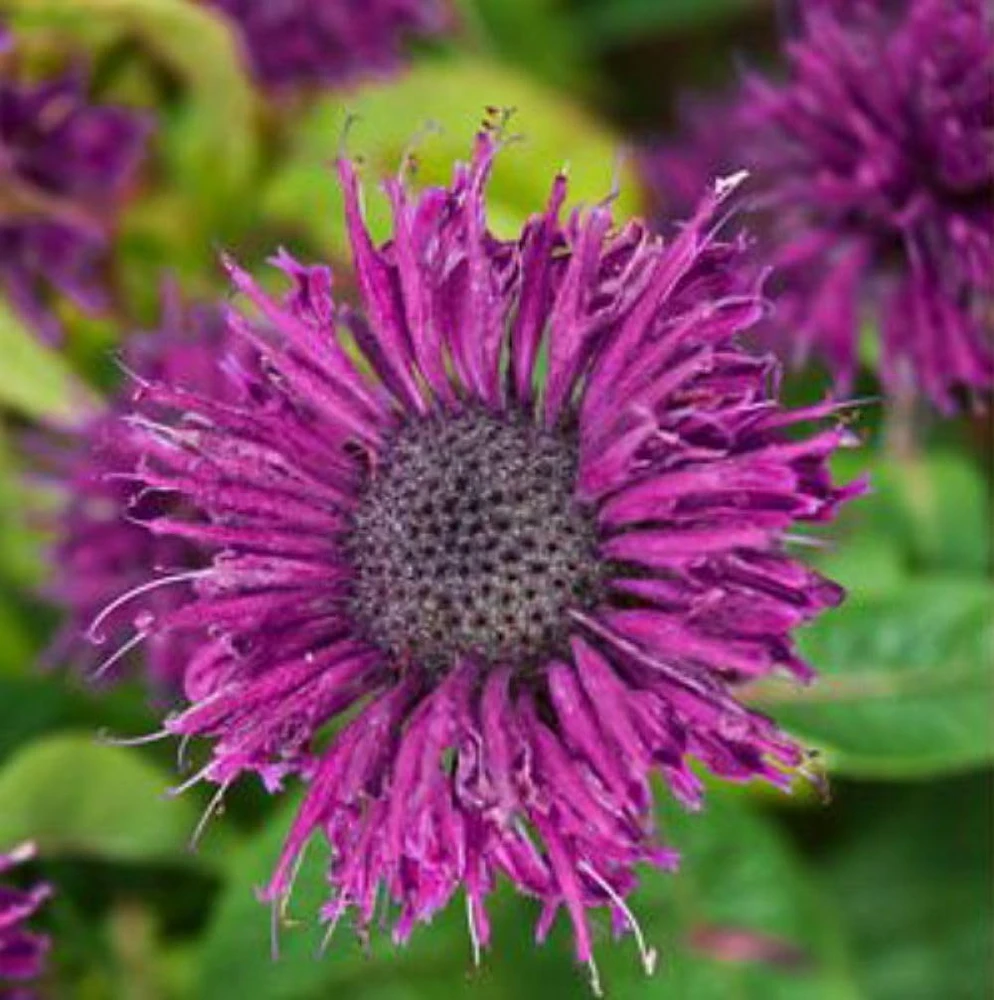
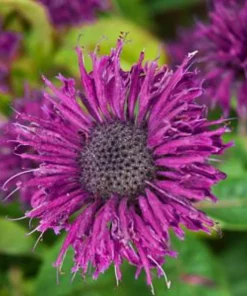
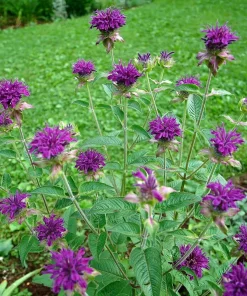
Enhance your garden with the vibrant purple rooster bee balm. This monarda didyma purple rooster features stunning royal purple blooms, attracting hummingbirds, butterflies, and bees. Enjoy its spicy, aromatic foliage in a convenient 1-gallon pot, perfect for adding color and life to your outdoor space.
Estimated arrival
Sep 29
Oct 04 - Oct 06
Oct 09 - Oct 13
Shop With Confidence
30-Day Plant Health Guarantee
Arrives damaged? We’ll replace it free — see our return policy.
Responsive Support
Email us anytime, we reply within 1 business day.
Expert Packaging
Temperature-controlled shipping to protect your plants in transit.
Secure Checkout
Pay safely with Visa, Mastercard, PayPal.
Plant Specifications
-
USDA Hardiness Zone
4-8 -
Soil Type
Rich, moist, well-draining soil -
Sunlight Exposure
Full sun -
Expected Planting Period
Spring to early fall
Overview
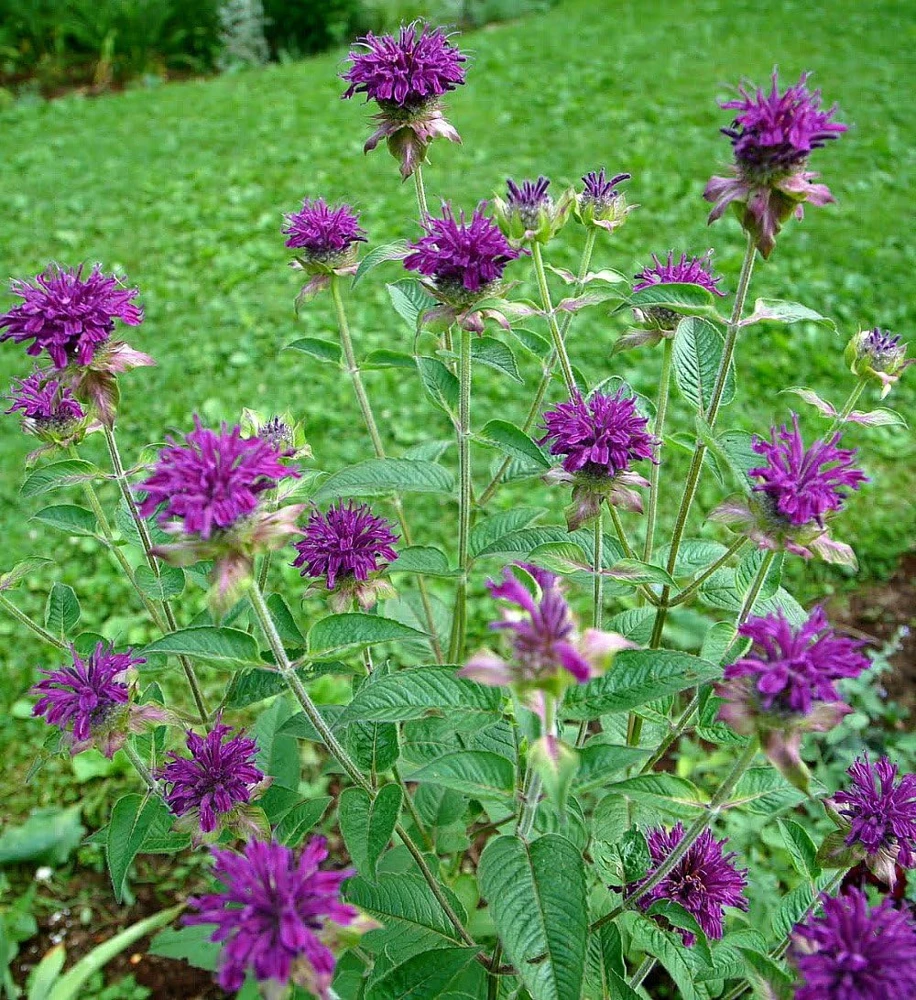
Transform your garden into a vibrant haven for pollinators with the exquisite purple rooster bee balm. This exceptional live plant, scientifically known as Monarda didyma ‘Purple Rooster’, is celebrated for its striking royal purple blooms and its ability to attract a flurry of beneficial insects. A true garden standout, this perennial brings both beauty and ecological benefit to any outdoor setting. The foliage of this bee balm releases a delightful spicy fragrance when crushed, and its leaves can even be used to brew a pleasant herbal tea. Originating from eastern North America, Monarda varieties are renowned for their ease of growth and their minty, aromatic leaves. The ‘Purple Rooster’ cultivar is particularly noted for its robust performance, reaching a mature height of 3-4 feet without the need for staking, making it an ideal choice for both novice and experienced gardeners seeking a low-maintenance yet spectacular flowering plant.
The monarda didyma purple rooster is a hardy and adaptable plant, thriving in a range of conditions and providing consistent color from summer into early fall. Its upright growth habit and dense flower clusters create a dramatic visual impact, perfect for borders, cottage gardens, or naturalized areas. When you welcome this purple rooster bee balm into your landscape, you’re not just adding a plant; you’re inviting a dynamic ecosystem of hummingbirds, butterflies, and bees that will bring your garden to life. Its resilience and beauty make it a cherished addition to any pollinator-friendly garden design.
Key Benefits
The purple rooster bee balm offers a multitude of benefits, making it a highly desirable plant for various garden styles and purposes. From its aesthetic appeal to its ecological contributions, this plant provides enduring value.
- Attracts Pollinators: The vibrant royal purple blooms are an irresistible magnet for hummingbirds, butterflies, and bees, significantly boosting the biodiversity and health of your garden ecosystem. This makes it an essential plant for a thriving pollinator garden.
- Long Bloom Season: Enjoy a prolonged display of stunning flowers from July through September, ensuring continuous color and interest in your garden during the peak summer months.
- Aromatic Foliage: The leaves of the monarda didyma purple rooster release a unique spicy fragrance when bruised, adding an intriguing sensory element to your outdoor space. They can also be used to make herbal teas.
- Low Maintenance: This robust perennial is easy to grow and requires minimal care once established, making it perfect for gardeners seeking beautiful results without extensive effort.
- Native Plant: As a native to eastern North America, it is well-adapted to local climates and soil conditions, contributing to local ecosystems and requiring less intervention.
- Deer Resistant: Its aromatic foliage tends to deter deer, providing a natural defense against common garden pests.
- Versatile Garden Use: Ideal for perennial borders, mass plantings, naturalized areas, and pollinator gardens, providing both vertical interest and a splash of intense color.
Plant Care & Growing Tips
Caring for your purple rooster bee balm is relatively straightforward, ensuring a spectacular display of royal purple blooms with minimal effort. This resilient plant thrives when its basic needs are met, making it an excellent choice for gardeners of all experience levels. Understanding the specific requirements for this variety will help you cultivate a healthy and vibrant plant that attracts numerous pollinators.
Sunlight:Purple rooster bee balm thrives in full sun, meaning it needs at least 6 hours of direct sunlight per day to produce the most abundant blooms and maintain vigorous growth. While it can tolerate partial shade, too little sun can lead to fewer flowers and a higher susceptibility to powdery mildew. Position your plant in a location where it can soak up plenty of morning and afternoon sun for optimal performance. This ensures your monarda didyma purple rooster reaches its full potential.
Watering: Keep the soil consistently moist, especially during dry spells and in its first growing season. Bee balm prefers evenly moist, well-drained soil. Avoid letting the soil dry out completely between waterings. However, do not allow it to sit in soggy conditions, as this can lead to root rot. Once established, it has some drought tolerance but will perform best with regular watering. Watering at the base of the plant can help prevent fungal diseases.
Soil: This plant is adaptable to various soil types but prefers rich, moist, well-draining soil with a slightly acidic to neutral pH. Amending heavy clay soils with compost or other organic matter will improve drainage and fertility. Good drainage is crucial to prevent root issues. For the best results, ensure your soil provides both moisture retention and proper aeration for the root system.
Temperature & Hardiness: The purple rooster bee balm is hardy in USDA Zones 4-8, making it suitable for a wide range of climates. It can withstand cold winters and hot summers within this range. In colder zones, mulching around the base of the plant in late fall can provide extra protection. Ensure good air circulation to prevent common issues like powdery mildew, especially in humid conditions.
Fertilization: Bee balm generally doesn’t require heavy fertilization. If your soil is poor, a balanced, slow-release granular fertilizer applied in early spring can be beneficial. Alternatively, top-dressing with compost annually will enrich the soil and provide a steady supply of nutrients, supporting healthy growth and vibrant blooms. Avoid over-fertilizing, as this can lead to lush foliage at the expense of flowers.
Pruning: Deadhead spent flowers regularly to encourage continuous blooming and prevent self-seeding. After the first flush of blooms, you can cut the plant back by about one-third to encourage a second, smaller flush of flowers. In late fall or early spring, cut back all dead stems to the ground to prepare for new growth. This practice also helps maintain a tidy appearance and promotes vigorous new shoots. Proper pruning is key to a long-lasting and floriferous bee balm plant care routine.
Size & Details
The purple rooster bee balm, Monarda didyma ‘Purple Rooster’, is typically offered as a live plant in a 1-gallon nursery pot, ready for planting. This provides a well-established root system, ensuring a smooth transition to your garden. Upon maturity, this robust perennial reaches an impressive height of 3-4 feet, creating a significant vertical presence in your landscape. Its spread can be similar, forming attractive clumps that fill out garden spaces beautifully. The plant exhibits a vigorous growth rate, quickly establishing itself and producing its characteristic royal purple blooms from July through September. These measurements are approximate, as growth can vary based on specific growing conditions and care. Expect this plant to deliver a spectacular show of color and attract a host of beneficial pollinators season after season.
Frequently Asked Questions
- Q: How big does this plant get? A: The purple rooster bee balm typically reaches a mature height of 3-4 feet, with a similar spread, creating a substantial and attractive clump in your garden. Its upright habit makes it a great choice for adding vertical interest.
- Q: What size pot does it come in? A: This Monarda ‘Purple Rooster’ is supplied as a live plant in a 1-gallon nursery pot, providing a healthy and established root system ready for planting in your garden.
- Q: Is this an indoor or outdoor plant? A: The purple rooster bee balm is an outdoor perennial plant, best suited for garden beds, borders, and naturalized areas where it can receive ample sunlight and space to grow. It is not recommended as an indoor houseplant.
- Q: How much sunlight does it need? A: This plant thrives in full sun, requiring at least 6 hours of direct sunlight daily for optimal growth and abundant flowering. While it can tolerate partial shade, full sun promotes the best bloom production and overall plant health.
- Q: Is this plant easy to care for? A: Yes, the monarda didyma purple rooster is considered an easy-to-care-for plant. It is quite resilient and, once established, requires minimal maintenance, making it suitable for gardeners of all skill levels. Consistent watering during dry spells and occasional deadheading are its main requirements.
- Q: What condition will it arrive in? A: Your purple rooster bee balm live plant will arrive carefully packaged in its 1-gallon pot, with its roots and foliage protected to ensure it reaches you in healthy, ready-to-plant condition.
- Q: How long until it blooms? A: Depending on when it is planted and its stage of growth upon arrival, your bee balm should begin to produce its royal purple blooms from July through September in its first or second growing season, given proper care.
- Q: When is the best time to plant? A: The best time to plant this pollinator garden plant is in spring after the last frost, or in early fall, allowing the plant sufficient time to establish its root system before extreme temperatures.
- Q: Will it survive winter in my zone? A: Yes, the ‘Purple Rooster’ bee balm is hardy in USDA Zones 4-8, meaning it is well-equipped to survive winter conditions within these zones and return year after year.
- Q: What’s the minimum temperature it can tolerate? A: This bee balm can tolerate winter temperatures down to approximately -30°F to -20°F (USDA Zone 4), making it a robust choice for colder climates within its hardiness range.
Be the first to review “Purple Rooster Bee Balm Monarda Live Plant – Royal Purple Blooms – 1 Gallon Pot – Outdoor”
People Also Viewed
Flower Plants
Reviews
There are no reviews yet.