

Philodendron Xanadu Live Plant – Tropical Houseplant – Easy Care Indoor Foliage
Original price was: $56.99.$36.99Current price is: $36.99.
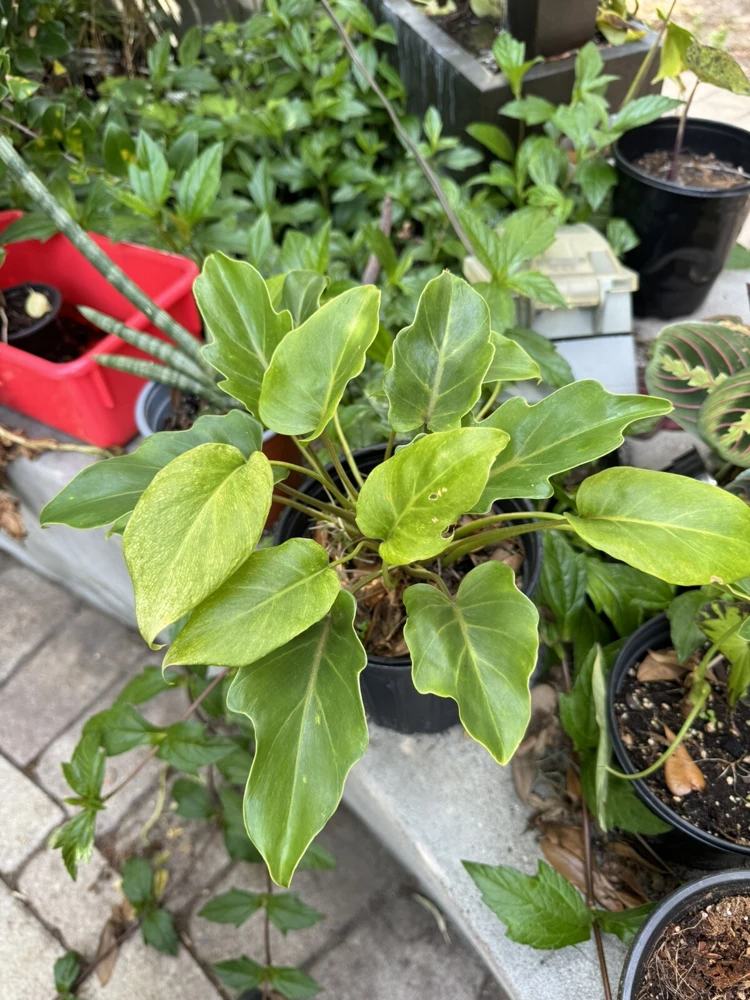
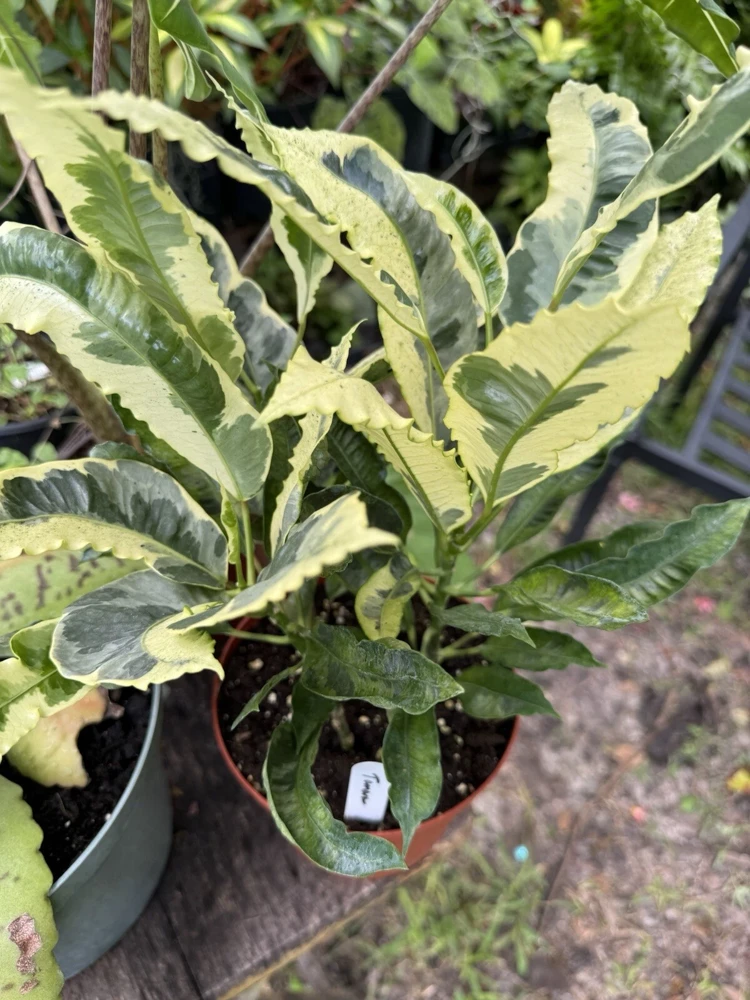
Bring tropical elegance to your home with the Philodendron Xanadu live plant. This vibrant houseplant features deeply lobed, glossy green leaves, creating a lush and exotic display. It’s an easy care indoor plant, perfect for adding a touch of nature to any room.
Estimated arrival
Oct 27
Nov 01 - Nov 03
Nov 06 - Nov 10
Shop With Confidence
30-Day Plant Health Guarantee
Arrives damaged? We’ll replace it free — see our return policy.
Responsive Support
Email us anytime, we reply within 1 business day.
Expert Packaging
Temperature-controlled shipping to protect your plants in transit.
Secure Checkout
Pay safely with Visa, Mastercard, PayPal.
Plant Specifications
-
USDA Hardiness Zone
USDA Zones 9-11 (outdoors); suitable for all zones indoors -
Soil Type
Well-draining potting mix -
Sunlight Exposure
Bright indirect light -
Expected Planting Period
Year-round indoors
Overview
Introduce a touch of the tropics to your living space with the magnificent Philodendron Xanadu live plant. Also known simply as Xanadu, this captivating foliage plant is a popular choice for both new and experienced plant enthusiasts. Its distinguishing feature is its deeply dissected, glossy green leaves that grow in a compact, upright habit, making it an ideal statement piece or a vibrant addition to any indoor plant collection. Native to the rainforests of Brazil, the Philodendron Xanadu brings an exotic, lush feel to any environment. Unlike some of its climbing Philodendron relatives, the Xanadu grows as a self-heading plant, forming a dense mound of foliage that maintains its shape beautifully. This particular variety is often sought after for its architectural appeal and its ability to thrive in a range of indoor conditions, making it an excellent tropical houseplant choice.
The botanical name for this stunning specimen is Philodendron xanadu, and it belongs to the Araceae family. Its unique leaf structure and vigorous growth make it a standout among other houseplants. If you are looking for a plant that offers significant visual impact with relatively low maintenance, the Philodendron Xanadu live plant is an outstanding option. It’s not just a plant; it’s a living piece of art that continuously purifies the air and enhances the aesthetic appeal of your home or office. Its robust nature means it can adapt to various light levels, though it truly thrives with bright, indirect light, showcasing its vibrant green hues.
Key Benefits
The Philodendron Xanadu live plant offers numerous benefits, making it more than just a decorative item. Its striking appearance and adaptable nature contribute to a healthier and more beautiful indoor environment. This tropical houseplant is a fantastic choice for enhancing your living space.
- Air Purification: Like many philodendrons, the Xanadu is known for its ability to filter airborne toxins, helping to improve the indoor air quality of your home or office. It can absorb pollutants, contributing to a cleaner breathing environment.
- Stunning Foliage: The deeply lobed, glossy green leaves create a dramatic and lush display. Each leaf is a work of art, adding a sophisticated, tropical aesthetic that can elevate any interior design.
- Easy Care: This plant is remarkably resilient and forgiving, making it an easy care indoor plant suitable for beginners and busy individuals. It tolerates a range of conditions and doesn’t demand constant attention.
- Compact Growth Habit: The Xanadu maintains a relatively compact and upright growth, making it suitable for various spaces, from tabletops to floor stands, without becoming unruly. Its self-heading nature means it doesn’t typically require staking.
- Versatile Decor: Its exotic appearance makes it a versatile decor element, fitting seamlessly into modern, minimalist, or bohemian interior styles. It adds a vibrant splash of green that complements any color scheme.
- Stress Reduction: Studies show that having plants indoors can reduce stress levels and improve overall well-being. The calming presence of a lush plant like the Philodendron Xanadu live plant can create a more serene atmosphere.
- Low Light Tolerance: While it prefers bright indirect light, it can tolerate lower light conditions, making it adaptable to different areas within your home or office.
Plant Care & Growing Tips
Caring for your Philodendron Xanadu live plant is straightforward, ensuring it remains a vibrant and healthy addition to your home. Understanding its basic needs will help it thrive and display its magnificent foliage. This easy care indoor plant will reward you with lush growth if given the right conditions.
Sunlight Requirements: The Xanadu prefers bright, indirect light. Place it near a window where it receives plenty of ambient light but is shielded from direct, harsh sun, which can scorch its leaves. An east-facing window is often ideal. While it can tolerate lower light conditions, its growth may become leggy, and the leaves might not develop their characteristic deep lobes as prominently. Conversely, too much direct sun can bleach the leaves and cause them to turn yellow or brown. For optimal growth and vibrant color, aim for consistent, filtered light throughout the day.
Watering Schedule and Soil Moisture: Water your Philodendron Xanadu when the top 1-2 inches of soil feel dry to the touch. It’s crucial to allow the soil to dry out slightly between waterings to prevent root rot, which is a common issue for many houseplants. Ensure the pot has drainage holes to allow excess water to escape. During warmer months or periods of active growth, you may need to water more frequently. In winter, reduce the watering frequency as the plant’s growth slows down. Always check the soil moisture before watering rather than adhering to a strict schedule.
Soil Type and Drainage: A well-draining potting mix is essential for the health of your tropical houseplant. A good mix typically consists of peat moss, perlite, and pine bark, providing both moisture retention and excellent drainage. This prevents waterlogging and ensures adequate aeration for the roots. You can use a standard indoor potting mix and amend it with additional perlite or orchid bark for improved drainage. Repotting should be done every 1-2 years, or when the plant becomes root-bound, usually in spring.
Temperature Range and USDA Hardiness Zone: Philodendron Xanadu thrives in warm, humid conditions, mimicking its native tropical habitat. Maintain indoor temperatures between 65-80°F (18-27°C). Avoid placing it near cold drafts from windows or air conditioning vents. As a tropical plant, it is not frost-tolerant and cannot survive outdoors in climates with freezing temperatures. For outdoor growing in the US, it is typically suitable for USDA Zones 9-11, where temperatures remain above freezing year-round. If you live in a colder zone, treat it as an indoor plant or bring it indoors during cooler months.
Fertilization Schedule and Type: Feed your Xanadu plant during its active growing season, from spring to fall, with a balanced liquid fertilizer diluted to half strength. Fertilize every 2-4 weeks. Reduce or stop fertilization during winter when the plant’s growth naturally slows down. Over-fertilization can lead to salt buildup in the soil, which can harm the roots, so it’s better to under-fertilize than over-fertilize. Always water the plant before fertilizing to prevent root burn.
Common Problems and Solutions: Yellowing leaves can indicate overwatering or nutrient deficiency. Brown leaf tips often point to low humidity or inconsistent watering. Pests like spider mites, mealybugs, and scale can occasionally affect Xanadu. Inspect your plant regularly and treat any infestations with insecticidal soap or neem oil. Ensure good air circulation to prevent fungal issues. Learning about Philodendron Xanadu care will ensure a happy, healthy plant.
Size & Details
The Philodendron Xanadu live plant is cherished for its manageable size and attractive form, making it a versatile choice for various indoor settings. When mature, it typically grows to a height and spread of about 2-4 feet (60-120 cm), forming a dense, bushy mound. Its growth rate is moderate, allowing you to enjoy its development without it quickly outgrowing its space. This plant is usually shipped as a young, actively growing specimen, ready to establish itself in your home. It arrives in a secure nursery pot, ensuring its roots are protected and hydrated during transit.
The plant’s distinctive, deeply lobed leaves can reach up to 18 inches (45 cm) in length, creating a dramatic visual texture. While it doesn’t produce showy flowers indoors, its foliage is the main attraction, providing year-round green interest. Expect your tropical houseplant to gradually fill out and develop its characteristic shape over the first year or two with proper Philodendron Xanadu care. It’s an excellent choice for adding vertical interest to a plant collection or serving as a standalone centerpiece on a table or pedestal. The plant is typically well-rooted and established, making the transition to its new home smooth and successful.
Frequently Asked Questions
- Q: How big does this plant get? A: The Philodendron Xanadu live plant typically grows to a height and spread of 2-4 feet (60-120 cm) indoors, forming a dense, bushy shape. Its mature size makes it a perfect floor plant or a large tabletop accent.
- Q: What size pot does it come in? A: The plant usually arrives in a standard nursery pot suitable for its current size, typically a 4-6 inch pot for young plants. You may want to repot it into a slightly larger decorative pot upon arrival.
- Q: Is this an indoor or outdoor plant? A: In most of the US, the Philodendron Xanadu live plant is best grown as an indoor plant due to its tropical nature. It can be grown outdoors year-round only in USDA Zones 9-11, where there is no risk of frost.
- Q: How much sunlight does it need? A: It thrives in bright, indirect light. Avoid direct sunlight, which can scorch its leaves. An east-facing window or a spot a few feet from a south or west-facing window is ideal for optimal Philodendron Xanadu care.
- Q: Is this plant easy to care for? Is it good for beginners? A: Yes, the Philodendron Xanadu is considered an easy care indoor plant. It’s quite forgiving and adaptable, making it an excellent choice for beginners or those with busy schedules.
- Q: What condition will it arrive in? Is it shipped in soil? A: Your tropical houseplant will arrive as a healthy, live plant, securely packaged in its nursery pot with soil. We take great care to ensure it reaches you in excellent condition, ready to thrive in its new home.
- Q: Is the Xanadu plant pet-safe? A: No, like many philodendrons, the Xanadu plant is considered toxic if ingested by pets due to calcium oxalate crystals. It’s best to keep it out of reach of curious pets and children.
- Q: How often should I water my Xanadu plant? A: Water when the top 1-2 inches of soil feel dry. This usually translates to once a week or every 10 days, but always check the soil moisture before watering. Overwatering is more detrimental than under-watering.
- Q: What kind of soil does it prefer? A: A well-draining potting mix is crucial. A blend containing peat moss, perlite, and pine bark is ideal to ensure good drainage and aeration for the roots of your Xanadu plant.
- Q: When is the best time to repot a Philodendron Xanadu? A: Repotting is best done in the spring or early summer when the plant is actively growing. Repot every 1-2 years or when the plant becomes root-bound.
Be the first to review “Philodendron Xanadu Live Plant – Tropical Houseplant – Easy Care Indoor Foliage”
People Also Viewed

Succulents
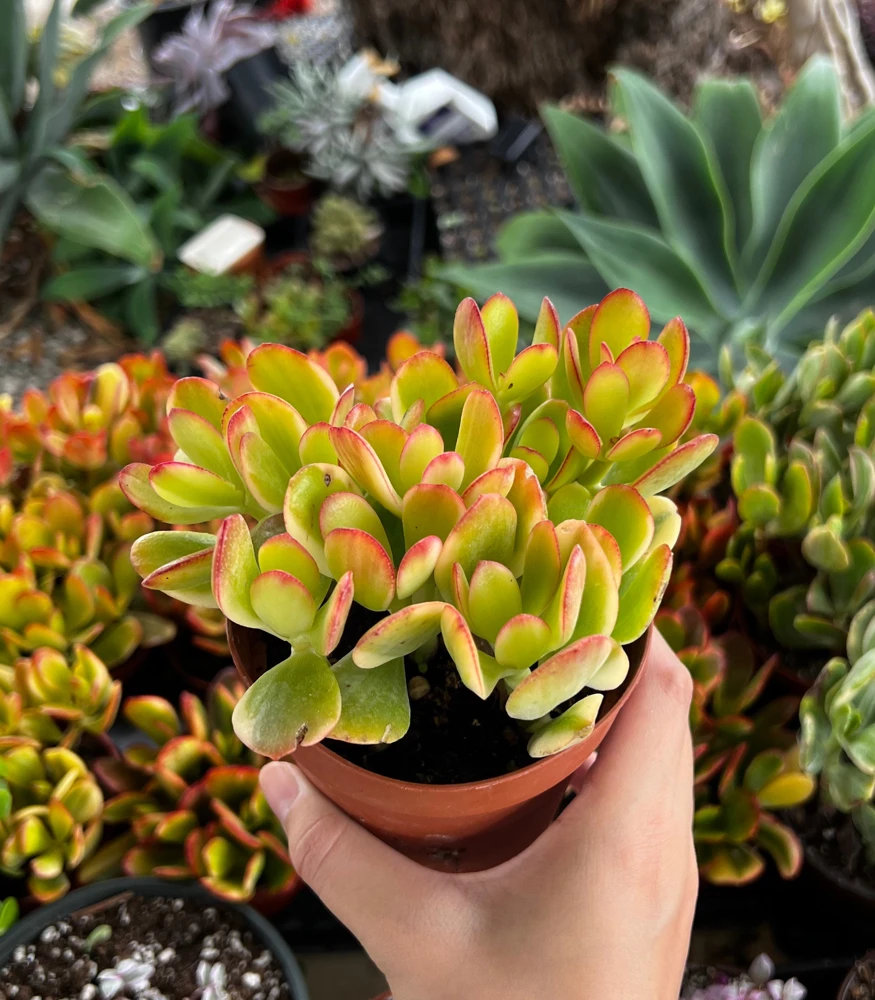
Hummel’s Sunset Golden Jade Live Plant – Crassula Ovata – 4 inch Pot – Colorful Houseplant


Reviews
There are no reviews yet.