




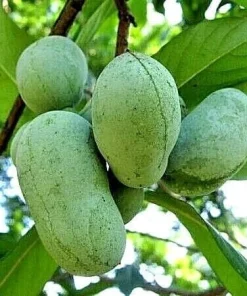
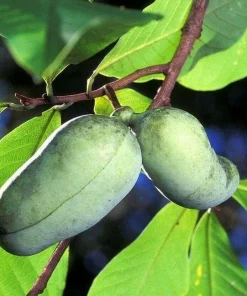
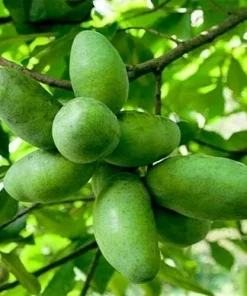
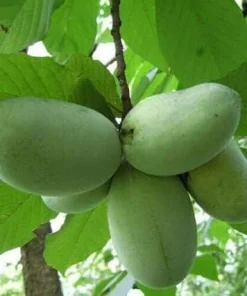
Paw Paw Trees – 5 Live Plants, 6-12″ Tall in Quart Pots – Fruit Tree
Original price was: $125.99.$107.99Current price is: $107.99.
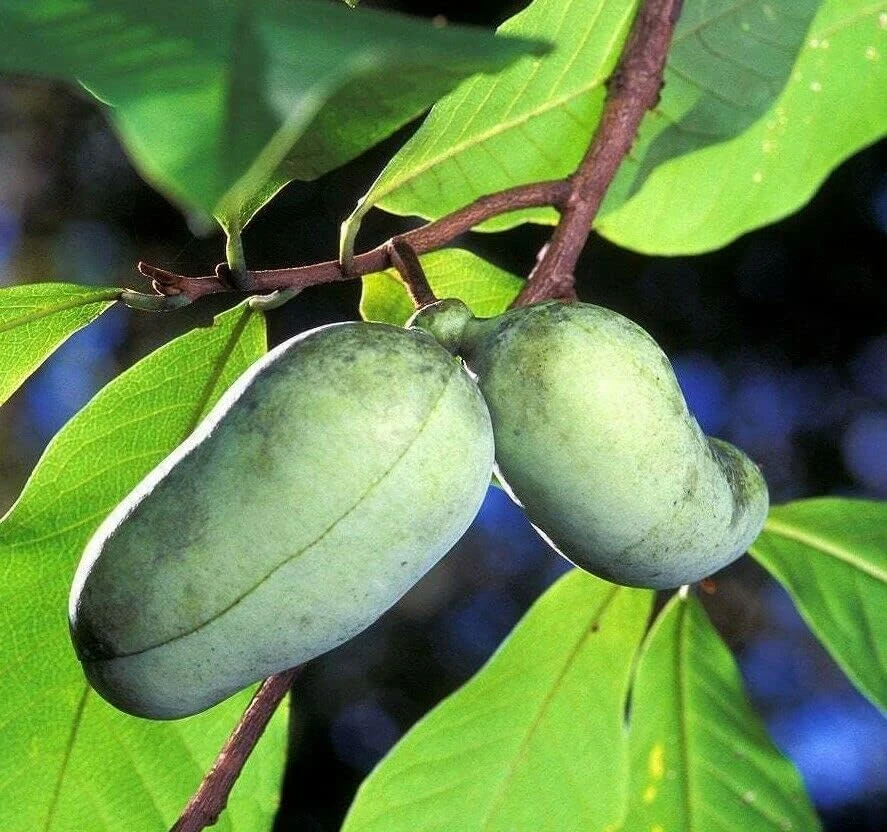
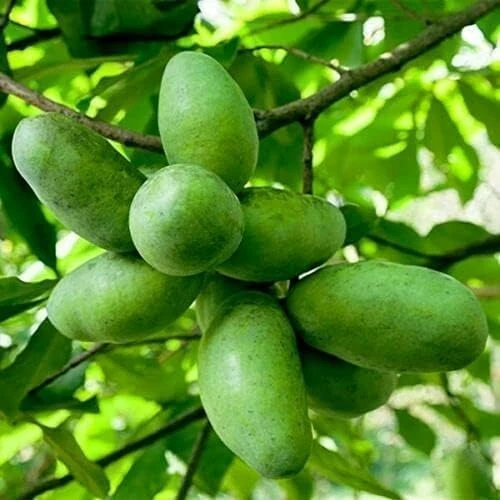
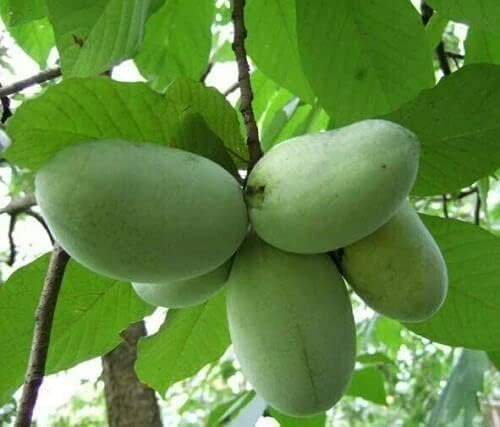
Bring home 5 Paw Paw Trees live plants, each 6-12 inches tall, shipped in quart pots. Enjoy the unique, custard-like fruit from these native North American paw paw fruit tree specimens, also known as Indian banana. Ideal for edible landscaping and attracting wildlife.
Estimated arrival
Sep 20
Sep 25 - Sep 27
Sep 30 - Oct 04
Shop With Confidence
30-Day Plant Health Guarantee
Arrives damaged? We’ll replace it free — see our return policy.
Responsive Support
Email us anytime, we reply within 1 business day.
Expert Packaging
Temperature-controlled shipping to protect your plants in transit.
Secure Checkout
Pay safely with Visa, Mastercard, PayPal.
Plant Specifications
-
USDA Hardiness Zone
4-9 -
Soil Type
Well-draining, fertile loam -
Sunlight Exposure
Full sun to partial shade -
Expected Planting Period
Spring to early summer
Overview
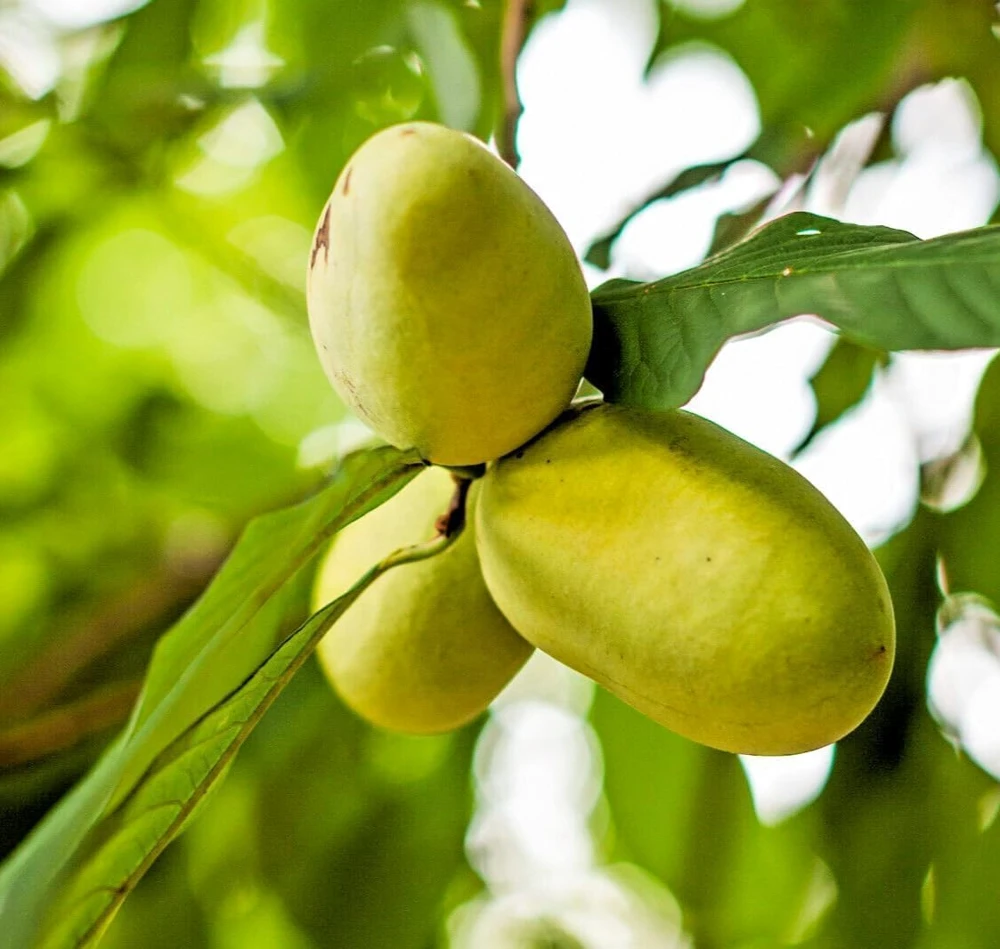
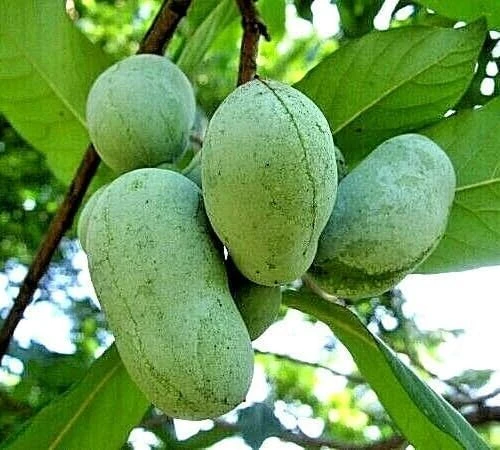
Experience the unique delight of cultivating your own paw paw trees live plants. This offering includes five vigorous live plants, each standing approximately 6-12 inches tall and carefully shipped in quart pots. The Paw Paw tree (Asimina triloba), often referred to as the Common Indian Banana or American Custard Apple, is a fascinating deciduous tree native to the eastern United States. Known for its tropical-tasting fruit and attractive foliage, this plant is a fantastic addition to any garden or edible landscape. The custard-like fruit offers a delightful blend of banana, mango, and melon flavors, a true North American delicacy often overlooked. Beyond its delicious fruit, the paw paw fruit tree also serves as an important host plant for the beautiful Zebra Swallowtail butterfly, adding ecological value to your outdoor space.
These young asimina triloba plants are ready to be established in your garden, promising years of unique fruit production and ornamental beauty. They are cold-hardy and relatively low-maintenance once established, making them suitable for a wide range of climates within their hardiness zones. Cultivating paw paw trees live plants is a rewarding experience, connecting you with a piece of American horticultural history and providing a truly distinctive harvest.
Key Benefits
Adding paw paw trees live plants to your landscape offers a multitude of advantages, from their delicious fruit to their ecological contributions. These benefits make them a highly desirable choice for both novice and experienced gardeners:
- Unique Edible Fruit: Enjoy the distinctive, creamy, and sweet fruit with hints of banana, mango, and melon. This native American superfood is a rare treat not typically found in grocery stores, allowing you to savor its fresh taste directly from your garden.
- Ecological Value: The paw paw fruit tree is the exclusive host plant for the stunning Zebra Swallowtail butterfly, supporting local biodiversity and adding an element of natural wonder to your yard. Planting these trees contributes to a healthier ecosystem.
- Ornamental Appeal: With their large, elongated leaves and naturally conical growth habit, asimina triloba plants provide a lush, tropical aesthetic to your landscape. Their vibrant autumn foliage adds seasonal interest, making them attractive throughout the growing season.
- Cold Hardiness: Unlike many tropical fruit trees, the Paw Paw is remarkably cold-hardy, thriving in USDA Zones 4-9. This resilience allows gardeners in cooler climates to grow a truly exotic-tasting fruit.
- Low Maintenance: Once established, indian banana fruit trees require minimal care. They are generally resistant to most pests and diseases, making them a hassle-free addition to your garden.
- Native Plant Benefits: As a native species, Paw Paw trees are well-adapted to local conditions, requiring less water and fewer interventions than non-native alternatives. They integrate seamlessly into existing ecosystems.
- Shade Tolerance: While they produce more fruit in full sun, young paw paw trees live plants can tolerate and even prefer partial shade, making them versatile for various garden settings.
Plant Care & Growing Tips
Caring for your paw paw trees live plants is a straightforward process, ensuring healthy growth and abundant fruit production. These trees thrive with proper attention to their specific needs. When planting, choose a site with well-draining soil. While mature trees prefer full sun for optimal fruiting, young plants benefit from some afternoon shade to prevent leaf scorch during their first few years. Ensure the soil remains consistently moist, especially during dry spells, but avoid waterlogging, which can lead to root rot. A layer of mulch around the base of the tree can help retain soil moisture and regulate temperature.
Paw paw plant care involves providing them with adequate nutrients. Fertilize in early spring with a balanced, slow-release fertilizer, or an organic compost. Pay particular attention to protecting young trees from deer and other wildlife, as they can browse on tender shoots. Paw Paws are generally self-incompatible, meaning you will need at least two genetically different trees for cross-pollination to ensure fruit set. Planting several asimina triloba plants will increase your chances of a good harvest. Pruning should be minimal, primarily to remove dead or diseased branches and to maintain a strong central leader. These indian banana fruit trees are relatively pest and disease-free, making them a robust choice for the home orchard.
Size & Details
This offering includes a bundle of five paw paw trees live plants, each measuring approximately 6-12 inches in height from the top of the soil line. They are carefully grown and shipped in quart-sized pots, providing a healthy root system for successful transplanting. These young trees are in their initial growth stages and will develop into full-sized, fruit-bearing specimens over several years. Paw Paw trees typically grow to a mature height of 15-20 feet, with a spread of 10-15 feet, forming an attractive, pyramidal shape. The growth rate is moderate, allowing them to establish well in your garden. Expect these paw paw fruit tree saplings to begin producing fruit within 3-5 years after planting, with yields increasing as they mature. They are deciduous, shedding their leaves in the fall and entering dormancy for the winter months, ready to burst forth with new growth in the spring. Hardiness Zones for these paw paw trees live plants are 4-9, making them suitable for a wide range of temperate climates.
Frequently Asked Questions
- Q: How big will these Paw Paw trees get? A: These paw paw trees live plants are currently 6-12 inches tall. At maturity, a paw paw fruit tree typically reaches a height of 15-20 feet with a spread of 10-15 feet, forming a beautiful, conical tree.
- Q: Is this an indoor or outdoor plant? A: The Paw Paw tree is an outdoor plant, native to North America. It thrives in temperate climates and requires outdoor conditions to grow and produce fruit.
- Q: How much sunlight do Paw Paw trees need? A: While mature asimina triloba plants prefer full sun for best fruit production, young trees benefit from partial shade, especially during the hot afternoon sun, for their first year or two after planting.
- Q: What condition will the plants arrive in? A: Your paw paw trees live plants will arrive healthy and actively growing, securely shipped in their quart pots with established root systems, ready for transplanting into your garden.
- Q: How long until these trees produce fruit? A: You can typically expect these indian banana fruit trees to begin producing fruit within 3-5 years after planting, with fruit production increasing as the trees mature.
- Q: Do I need more than one Paw Paw tree for fruit? A: Yes, Paw Paw trees are generally not self-pollinating. You will need to plant at least two genetically different paw paw trees live plants to ensure cross-pollination and fruit set.
- Q: What USDA Hardiness Zones are these Paw Paw trees suitable for? A: These Paw Paw trees are cold-hardy and thrive in USDA Hardiness Zones 4-9, making them suitable for a wide range of climates across the United States.
- Q: What kind of soil is best for Paw Paw trees? A: Paw Paw trees prefer deep, fertile, and well-draining soil with a slightly acidic to neutral pH. They do not tolerate consistently wet or waterlogged conditions.
- Q: Is paw paw plant care difficult for beginners? A: No, paw paw plant care is relatively easy once established. They are low-maintenance, requiring consistent watering when young and minimal pruning, making them a good choice for beginners.
- Q: What does Paw Paw fruit taste like? A: The fruit of the paw paw fruit tree has a unique, creamy, custard-like texture and a sweet, tropical flavor often described as a blend of banana, mango, and melon.
Be the first to review “Paw Paw Trees – 5 Live Plants, 6-12″ Tall in Quart Pots – Fruit Tree”
People Also Viewed

Reviews
There are no reviews yet.