
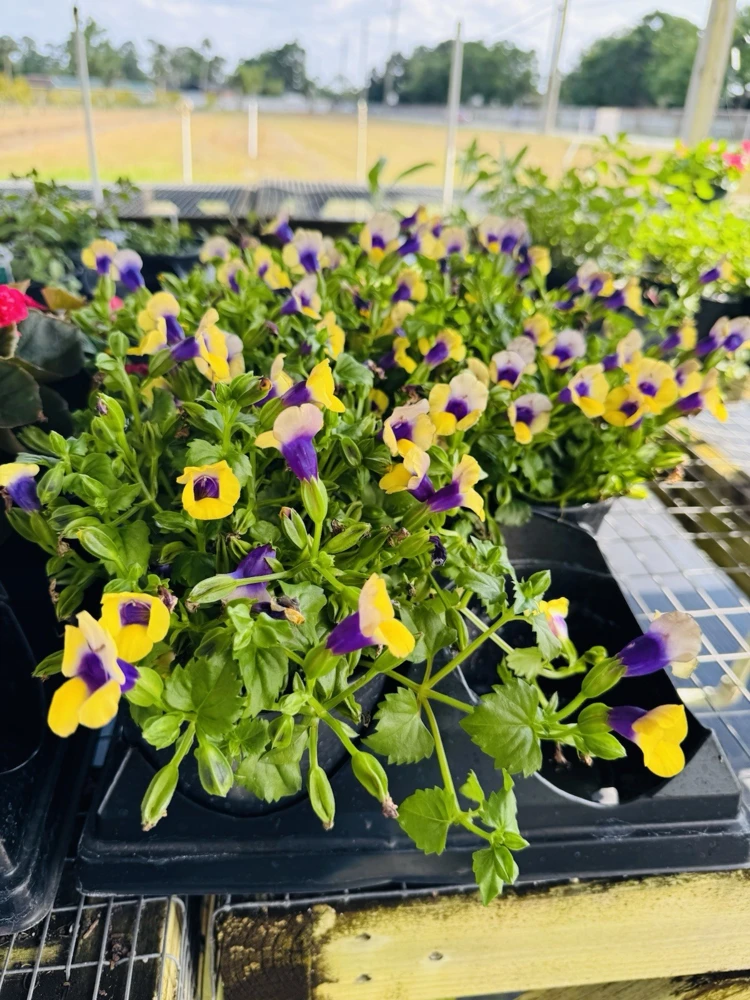
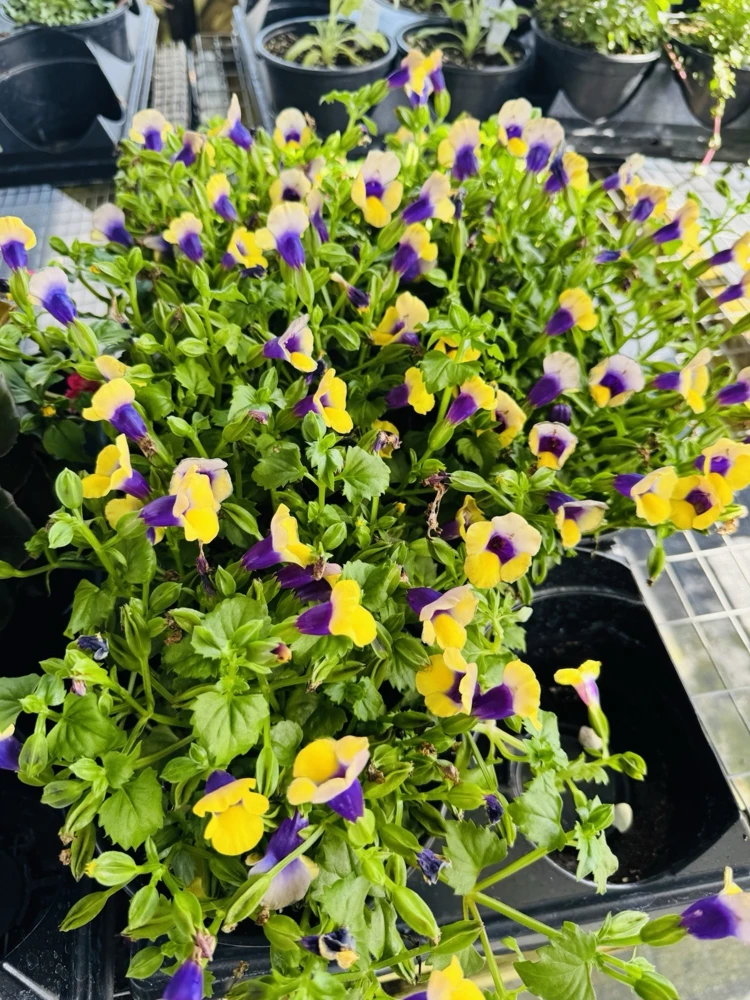
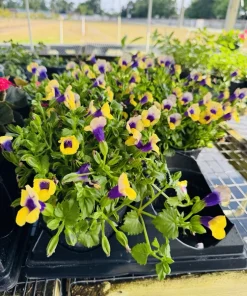
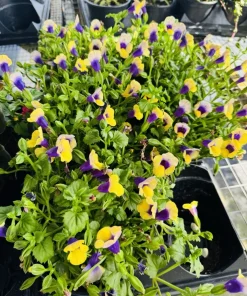
Pansy Live Plant – Colorful Cool Season Flower for Garden Beds & Containers
Original price was: $26.99.$21.99Current price is: $21.99.
Add a burst of color to your garden with a pansy live plant. These cheerful, cool-season annuals are ideal for containers, borders, and garden beds, providing continuous blooms and a delightful fragrance. Perfect for early spring or fall planting.
Estimated arrival
Oct 27
Nov 01 - Nov 03
Nov 06 - Nov 10
Shop With Confidence
30-Day Plant Health Guarantee
Arrives damaged? We’ll replace it free — see our return policy.
Responsive Support
Email us anytime, we reply within 1 business day.
Expert Packaging
Temperature-controlled shipping to protect your plants in transit.
Secure Checkout
Pay safely with Visa, Mastercard, PayPal.
Plant Specifications
-
USDA Hardiness Zone
USDA zones 4-9 (as annuals) -
Soil Type
Well-draining soil, rich in organic matter -
Sunlight Exposure
Full sun to partial shade -
Expected Planting Period
Early spring or fall
Overview
Bring vibrant charm to your outdoor spaces with a beautiful pansy live plant. Known for their cheerful, ‘face-like’ petals and a wide array of stunning colors, pansies are a beloved choice for gardeners seeking early and late-season blooms. These adaptable cool-season flowers (scientifically Viola x wittrockiana, a hybrid derived from Viola tricolor) are perfect for adding a splash of color when many other plants are dormant. Whether you’re enhancing window boxes, filling garden beds, or creating eye-catching container arrangements, a pansy live plant offers reliable beauty and a delightful visual appeal that brightens any landscape. They are relatively easy to grow and maintain, making them a fantastic choice for both novice and experienced gardeners looking for cool season flowers that truly perform.
Pansies are a classic choice for vibrant, low-growing color. Their unique flower structure and diverse color patterns, from solid hues to striking bi-colors and tricolors, ensure there’s a pansy for every aesthetic. These plants thrive in cooler temperatures, making them an excellent option for spring and fall gardens. You’ll find them to be incredibly rewarding, providing continuous bloom and a touch of elegance to your outdoor living areas. Consider incorporating these charming plants to achieve a stunning display of colorful pansies throughout the cooler months.
Key Benefits
Choosing a pansy live plant for your garden offers numerous advantages, transforming your space with ease and beauty. These benefits make them a top pick for gardeners:
- Extended Bloom Season: Pansies are among the first and last flowers to bloom, providing continuous color from early spring through late fall, and even into winter in milder climates. This extended display ensures your garden remains vibrant for longer periods.
- Versatile Garden Use: Their compact size and robust nature make them perfect for a variety of applications. Use them as bedding plants, in containers, hanging baskets, window boxes, or as charming edgings along pathways and borders.
- Rich Color Palette: Available in an incredible array of colors, including purples, yellows, blues, whites, reds, and bi-colors, pansies allow for endless creative planting combinations. You can easily match them to your garden’s theme or create striking contrasts.
- Low Maintenance: Pansies are relatively easy to care for, requiring only basic attention like regular watering and deadheading to encourage more blooms. This makes them ideal for busy gardeners or those new to gardening.
- Attract Pollinators: While not primary pollinator magnets, their early blooms can provide a valuable nectar source for early emerging bees and other beneficial insects, contributing to a healthy garden ecosystem.
- Charming Fragrance: Many pansy varieties offer a subtle, sweet fragrance, especially on warm spring days. Planting them near seating areas or windows allows you to enjoy their delicate scent.
- Cool-Season Resilience: As true cool season flowers, pansies tolerate light frosts and thrive in temperatures that would cause many other annuals to falter. This makes them a reliable choice for extending your gardening season.
Plant Care & Growing Tips
Caring for your pansy live plant is straightforward, ensuring a season full of beautiful blooms. Pansies thrive in locations that receive adequate sunlight but are protected from intense afternoon heat. They generally prefer full sun to partial shade, meaning at least 4-6 hours of direct sunlight per day. In warmer climates, some afternoon shade is beneficial to prevent wilting and extend their blooming period. Ensure good air circulation around the plants to reduce the risk of fungal diseases. These colorful pansies are quite resilient but do best with consistent care.
When it comes to watering, pansies prefer consistently moist, but not waterlogged, soil. Water deeply when the top inch of soil feels dry to the touch, especially during dry spells. Avoid overhead watering if possible, as this can lead to leaf spot diseases; instead, water at the base of the plant. Good drainage is crucial, so plant them in well-draining soil rich in organic matter. A slightly acidic to neutral pH (6.0-7.0) is ideal. Fertilize established plants every 2-4 weeks with a balanced liquid fertilizer to encourage continuous blooming. Deadhead spent blooms regularly by pinching off the faded flowers and their stems; this prevents seed formation and encourages the plant to produce more flowers. Pansies are typically grown as annuals but can self-seed in favorable conditions. They are hardy in USDA zones 4-9 as annuals, often surviving mild winters in protected spots.
Watch out for common pests like aphids and slugs, which can be managed with organic pest control methods if necessary. Fungal diseases such as powdery mildew can occur in humid conditions, so proper spacing and good air circulation are key preventative measures. By following these simple care tips, your pansy garden plants will flourish, providing a spectacular display of color throughout the spring and fall. The viola tricolor lineage ensures a hardy and beautiful bloom.
Size & Details
Each pansy live plant is carefully grown and shipped to ensure it arrives healthy and ready for planting. Typically, these plants are shipped in 2-4 inch nursery pots, providing a robust root system for easy transplanting. Pansies generally grow to a compact size, reaching about 6-9 inches in height and spreading 6-12 inches wide, making them ideal for filling in gaps in garden beds or creating dense, colorful displays in containers. These plants are known for their relatively fast growth rate, quickly establishing themselves and beginning to bloom shortly after planting. You can expect a profusion of blooms throughout their active growing season, which spans from early spring through late fall, depending on your local climate. They are ideal for creating immediate visual impact.
When you receive your pansy live plant, unpack it gently and water thoroughly. Plant them at the same depth as they were in their nursery pot. Allow adequate spacing between plants (about 6-8 inches apart) to ensure good air circulation once they mature. With proper care, these cheerful plants will provide continuous, vibrant color, making them a delightful addition to any garden or patio setting. Their compact nature makes them a perfect choice for small spaces or for integrating into existing landscaping designs.
Frequently Asked Questions
- Q: How big does this pansy live plant get? A: A pansy live plant typically grows to a compact size of 6-9 inches tall and spreads about 6-12 inches wide. This makes them excellent for groundcover, borders, and container gardening, providing a dense mat of color.
- Q: Is this an indoor or outdoor plant? A: Pansies are primarily outdoor plants, thriving as cool season flowers in garden beds, containers, and window boxes. While they can be brought indoors temporarily for display, they generally perform best in outdoor conditions with good air circulation and natural light.
- Q: How much sunlight does a pansy live plant need? A: Pansies prefer full sun to partial shade, ideally receiving 4-6 hours of direct sunlight daily. In warmer climates, they benefit from some afternoon shade to protect them from intense heat and prolong their blooming period.
- Q: Is this plant easy to care for? A: Yes, colorful pansies are considered relatively easy to care for, making them suitable for gardeners of all experience levels. They require consistent watering, well-draining soil, and regular deadheading to encourage continuous blooms.
- Q: What condition will the pansy live plant arrive in? A: Your pansy live plant will arrive carefully packaged in a nursery pot, with its root system intact and soil moist, ready for transplanting. We take great care to ensure they are healthy and vibrant upon arrival.
- Q: How long until my pansy live plant blooms? A: Pansies are often sold already in bloom or with buds, so you can expect immediate color. If planting from a younger stage, they typically begin blooming within a few weeks of transplanting, providing continuous flowers throughout the cool seasons.
- Q: Will my pansy live plant survive winter in my zone? A: Pansies are generally grown as annuals in most regions. In USDA zones 7-9, they may overwinter successfully, especially if protected. In colder zones, they are typically planted in spring or fall for seasonal color.
- Q: What’s the best time to plant pansy garden plants? A: The best time to plant pansy garden plants is in early spring as soon as the soil can be worked, or in the fall several weeks before the first hard frost. This allows them to establish before extreme temperatures set in.
- Q: Can I grow viola tricolor in containers? A: Absolutely! Pansies are excellent for container gardening due to their compact size and vibrant display. Ensure containers have drainage holes and use a good quality potting mix for optimal growth.
- Q: Do pansies attract pests? A: While generally hardy, pansies can occasionally attract common garden pests like aphids and slugs. Regular inspection and appropriate organic pest control methods can keep these issues in check, ensuring your pansy live plant remains healthy.
Be the first to review “Pansy Live Plant – Colorful Cool Season Flower for Garden Beds & Containers”
People Also Viewed
Reviews
There are no reviews yet.