
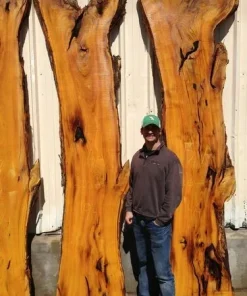
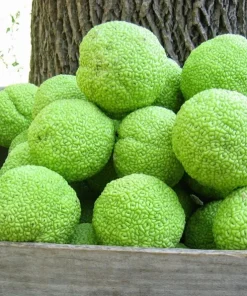
Osage Orange Tree Live Plant (Maclura pomifera) – 16-24 Inch Hedge Tree for Outdoor
Original price was: $62.79.$42.79Current price is: $42.79.
Cultivate a strong and resilient boundary with this Osage Orange Tree live plant (Maclura pomifera). Measuring 16-24 inches, it’s perfect for creating a dense, thorny hedge or as a unique landscape specimen. This hardy tree is known for its distinctive ‘horse apple’ fruit and adaptability to various conditions.
Estimated arrival
Oct 15
Oct 20 - Oct 22
Oct 25 - Oct 29
Shop With Confidence
30-Day Plant Health Guarantee
Arrives damaged? We’ll replace it free — see our return policy.
Responsive Support
Email us anytime, we reply within 1 business day.
Expert Packaging
Temperature-controlled shipping to protect your plants in transit.
Secure Checkout
Pay safely with Visa, Mastercard, PayPal.
Plant Specifications
-
USDA Hardiness Zone
USDA Zones 4-9 -
Soil Type
Well-draining soil, adaptable to various types -
Sunlight Exposure
Full sun -
Expected Planting Period
Early spring to fall
Overview
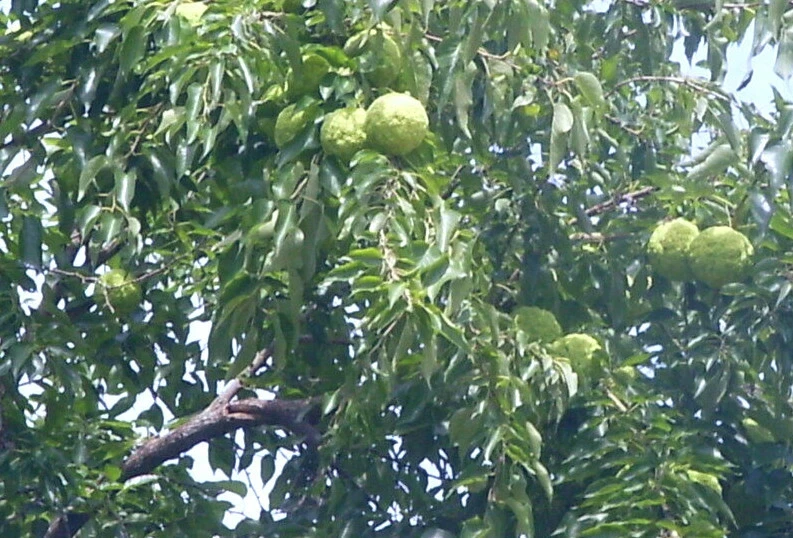
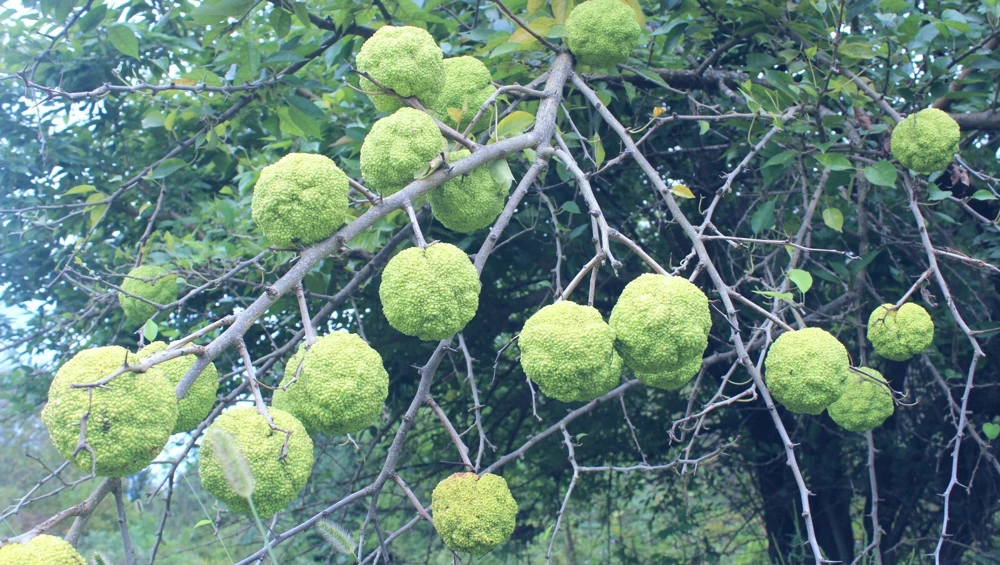
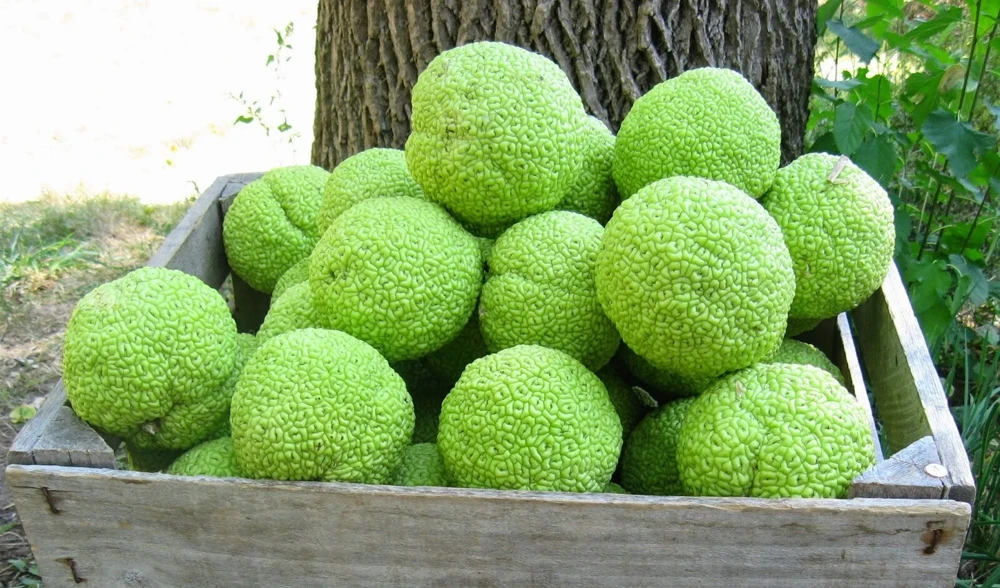
Bring natural resilience and a touch of historical charm to your landscape with the Osage Orange Tree live plant (Maclura pomifera). This vigorous and hardy tree, also known as Hedge Apple, Horse Apple, or Bois d’Arc, is offered as a 16-24 inch live plant, ready to establish itself in your garden. Renowned for its dense growth habit and formidable thorns, the Osage Orange makes an exceptional living fence or windbreak, providing both security and ecological benefits. Its distinctive green foliage and unique, softball-sized, bumpy green fruit add significant visual interest to any outdoor space.
The Maclura pomifera is a deciduous tree native to the south-central United States, celebrated for its durability and adaptability. Historically, it was widely planted as a natural barrier before the invention of barbed wire, earning its ‘hedge’ moniker. Today, it’s valued for its ability to thrive in challenging conditions, tolerate poor soils, and resist pests and diseases. Whether you’re looking for a robust privacy screen or a fascinating specimen tree, this Osage Orange Tree live plant offers a blend of practicality and unique aesthetics.
Key Benefits
The Osage Orange Tree live plant offers a multitude of advantages for gardeners and landscapers, making it a valuable addition to many outdoor environments. Its robust nature and unique characteristics contribute significantly to its appeal.
- Exceptional Durability: This tree is incredibly tough, tolerating a wide range of soil types, drought conditions, and temperature extremes, making it a low-maintenance choice for various climates.
- Natural Security Hedge: With its dense, thorny branches, the Maclura pomifera hedge creates an impenetrable barrier, offering excellent privacy and security against unwanted intrusions. It’s an effective and natural alternative to artificial fencing.
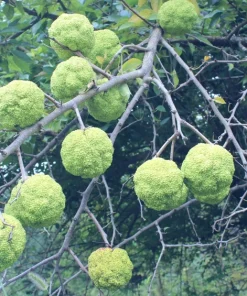
- Unique Ornamental Value: Beyond its practical uses, the Osage Orange features attractive green foliage and produces distinctive, large, bumpy green fruits (often called ‘horse apples’) that add an interesting focal point to the autumn landscape.
- Wildlife Habitat: While the fruit is generally not consumed by humans, it provides food for some wildlife, and the dense canopy offers shelter and nesting sites for birds and other small animals.
- Erosion Control: Its strong root system helps stabilize soil, making it an excellent choice for erosion control on slopes or in areas prone to soil degradation.
- Historical Significance: Embrace a piece of American history by planting a tree that played a crucial role in shaping the agricultural landscape of the past, often referred to as a ‘living barbed wire’.
- Adaptable Growth: This Osage Orange Tree live plant can be pruned and managed to form a dense hedge or allowed to grow into a large, stately shade tree, offering versatility in landscape design.
Plant Care & Growing Tips
Caring for your Osage Orange Tree live plant is relatively straightforward due to its inherent hardiness and adaptability. These trees are exceptionally low-maintenance once established, making them suitable for both experienced gardeners and beginners looking for a resilient addition to their landscape. Understanding their basic needs will ensure vigorous growth and a healthy, thriving specimen.
For sunlight, the Osage Orange thrives in full sun conditions, requiring at least 6-8 hours of direct sunlight daily to achieve its best growth and fruit production. While it can tolerate partial shade, its growth may be less dense, and fruit yield could be reduced. When it comes to watering, young plants should be watered regularly to help establish their root system, especially during dry periods. Once mature, the tree is highly drought-tolerant and typically only needs supplemental watering during extended dry spells. Overwatering should be avoided, as it can lead to root issues. The ideal soil type is adaptable; it performs well in a wide range of soils, including clay, loam, and sandy soils, as long as they are well-draining. It tolerates both acidic and alkaline conditions. For optimal growth, however, a moderately fertile, well-draining soil is preferred. When considering how to care for your horse apple tree care, remember its preference for minimal intervention.
The Osage Orange is remarkably cold-hardy, typically thriving in USDA zones 4-9. It can withstand harsh winters and hot summers. Fertilization is generally not necessary once the tree is established, especially if planted in reasonably fertile soil. If growth appears stunted, a balanced, slow-release fertilizer can be applied in early spring. Pruning can be done in late winter or early spring to shape the tree, remove dead or damaged branches, or to maintain it as a dense thorny hedge plant. Be cautious of its thorns when pruning. Pests and diseases are rarely a significant problem for Maclura pomifera, further testifying to its robust nature. Regular monitoring for any unusual changes is always a good practice, but major issues are uncommon with this resilient species, making growing Osage Orange tree a rewarding experience.
Size & Details
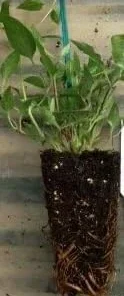
This offering is for one Osage Orange Tree live plant, which measures approximately 16-24 inches in height upon arrival. These young trees are typically shipped as bare-root or potted plants, carefully packaged to ensure their health during transit. Expected growth rates for the Osage Orange are moderate to fast, often adding 1-2 feet per year once established. When mature, a single Osage Orange tree can reach an impressive height of 30-50 feet with a similar spread, while a hedge can be maintained at a desired height and width through regular pruning.
The tree’s foliage is a vibrant green, turning a lovely yellow in the fall before dropping its leaves. The distinctive fruit, commonly referred to as ‘horse apples,’ matures in late summer to early fall and can persist on the tree for some time. These plants are grown for their hardiness, hedge potential, and unique appearance rather than for their flowers, which are inconspicuous. Planting this Maclura pomifera hedge will provide a striking and functional addition to your landscape for many years.
Frequently Asked Questions
- Q: How big does this plant get? A: This Osage Orange Tree live plant arrives at 16-24 inches tall. When mature, a single tree can reach 30-50 feet tall and wide, but it can be maintained at a smaller size as a hedge through pruning.
- Q: What size pot does it come in? A: The plant typically ships as a bare-root specimen or in a small nursery pot, carefully prepared for transplanting into your garden.
- Q: Is this an indoor or outdoor plant? A: The Osage Orange Tree is strictly an outdoor plant, best suited for planting in your garden or landscape. It requires ample space and sunlight to thrive.
- Q: How much sunlight does it need? A: This tree requires full sun, meaning at least 6-8 hours of direct sunlight per day, for optimal growth and health.
- Q: Is this plant easy to care for? A: Yes, the Osage Orange Tree is known for its exceptional hardiness and low maintenance requirements, making growing Osage Orange tree relatively easy, especially once established.
- Q: What condition will it arrive in? A: Your Osage Orange Tree live plant will arrive in healthy, dormant, or semi-dormant condition, ready for planting. We take great care in packaging to ensure safe transit.
- Q: Is it good for beginners? A: Absolutely. Its resilience and tolerance to various conditions make it an excellent choice for beginner gardeners looking for a robust and low-fuss tree or hedge.
- Q: When is the best time to plant? A: The best time to plant an Osage Orange Tree is in early spring or fall, allowing the roots to establish before extreme temperatures.
- Q: Will it survive winter in my zone? A: The Osage Orange Tree is very cold-hardy, typically thriving in USDA Zones 4-9, and can withstand harsh winter conditions.
- Q: Is it pet-safe? A: While the fruit is generally not harmful, the thorns can be a hazard. It’s best to keep pets away from the thorny branches.
Be the first to review “Osage Orange Tree Live Plant (Maclura pomifera) – 16-24 Inch Hedge Tree for Outdoor”
People Also Viewed
Reviews
There are no reviews yet.