


Organic Fortuna Papaya Live Plant – Tropical Fruit Tree with Pot
Original price was: $70.99.$50.99Current price is: $50.99.
Cultivate your own delicious, organic papayas with this Fortuna Papaya live plant. Perfect for tropical climates or as a container plant for patios, it brings a taste of the tropics to your home. This healthy organic papaya tree comes with an organic pot, ready to thrive.
Estimated arrival
Oct 27
Nov 01 - Nov 03
Nov 06 - Nov 10
Shop With Confidence
30-Day Plant Health Guarantee
Arrives damaged? We’ll replace it free — see our return policy.
Responsive Support
Email us anytime, we reply within 1 business day.
Expert Packaging
Temperature-controlled shipping to protect your plants in transit.
Secure Checkout
Pay safely with Visa, Mastercard, PayPal.
Plant Specifications
-
USDA Hardiness Zone
USDA zones 9-11 (can be grown as annuals or container plants in cooler zones) -
Soil Type
Rich, well-draining sandy loam -
Sunlight Exposure
Full sun (6-8+ hours direct sunlight) -
Expected Planting Period
Year-round in tropical zones; spring to early summer in temperate zones (for outdoor planting)
Overview
Bring the tropics to your backyard or patio with a vibrant Fortuna Papaya live plant. This healthy, organically grown plant is a fantastic choice for enthusiasts looking to cultivate their own sweet, flavorful fruit. The Fortuna variety is known for its robust growth and delicious, medium-sized fruits, making it a rewarding addition to any garden. Whether you’re an experienced gardener or just starting out, growing your own organic papaya tree offers the satisfaction of fresh, homegrown produce. This particular offering includes an organic pot, providing a ready-to-plant solution that supports healthy root development from day one. Enjoy the lush foliage and eventual harvest of juicy papayas, perfect for fresh eating, smoothies, and desserts. Papaya plants, scientifically known as Carica papaya, are fast-growing, evergreen perennials that can produce fruit year-round in ideal conditions.
Our Fortuna Papaya live plant is carefully nurtured to ensure it arrives healthy and ready to flourish in its new environment. With its vibrant green leaves and potential for abundant fruit production, it serves as both an ornamental and a productive plant. Imagine stepping outside and plucking a perfectly ripe, sweet papaya right from your own tree! This plant is ideal for those who want to grow papaya at home and appreciate the benefits of organic gardening. It’s a wonderful way to connect with nature and enjoy fresh, nutritious fruit directly from your garden to your table.
Key Benefits
Growing a Fortuna Papaya live plant offers a multitude of benefits, from the aesthetic appeal to the nutritional value of its fruit. It’s a versatile plant that can enhance various garden settings.
- Fresh, Organic Fruit: Enjoy the unparalleled taste of homegrown, organic papayas. The Fortuna variety is celebrated for its sweet, succulent flesh, rich in vitamins and antioxidants. Having your own organic papaya tree ensures you’re consuming fruit free from pesticides and harmful chemicals.
- Tropical Garden Accent: The large, deeply lobed leaves and upright growth habit of the papaya plant add a distinctive tropical flair to any landscape or container garden. It creates an exotic focal point, transforming your space into a lush oasis.
- Nutritional Powerhouse: Papayas are packed with Vitamin C, Vitamin A, folate, and potassium, as well as the digestive enzyme papain. Regularly consuming fresh papaya can support immune health, digestion, and skin vitality.
- Rewarding Growing Experience: Watching your papaya plant grow from a young specimen to a fruit-bearing tree is incredibly satisfying. It’s a great project for gardeners of all levels, providing fresh fruit typically within a year of planting.
- Versatile Use: The fruits can be enjoyed fresh, in salads, smoothies, desserts, or even savory dishes. The versatility of the papaya makes it a valuable addition to your culinary repertoire. Learning to grow papaya at home opens up a world of fresh flavors.
- Eco-Friendly Choice: By growing your own organic produce, you reduce your carbon footprint and support sustainable living practices. This tropical fruit plant contributes to local biodiversity and a healthier ecosystem.
Plant Care & Growing Tips
Caring for your Fortuna Papaya live plant is straightforward, especially with the right conditions. Papayas thrive in warm, sunny environments and require consistent attention to watering and soil health to produce abundant fruit. To successfully grow papaya at home, understanding its specific needs is crucial.
Sunlight Requirements: Papayas are sun-loving plants and require at least 6-8 hours of direct sunlight per day to produce fruit effectively. In very hot climates, some afternoon shade can be beneficial to prevent leaf scorch, but generally, full sun is best. If growing indoors, place your organic papaya tree in a south-facing window or use supplemental grow lights to ensure it receives adequate light.
Watering Schedule & Soil Moisture: Consistent moisture is key for papaya plants, especially during flowering and fruiting periods. Water deeply when the top inch of soil feels dry to the touch, but avoid waterlogging, which can lead to root rot. Good drainage is essential. Reduce watering during cooler months or if the plant is not actively growing. Overwatering is a common cause of papaya plant issues, so always check soil moisture before watering again.
Soil Type & Drainage: Papayas prefer rich, well-draining soil with a pH between 6.0 and 7.0. A sandy loam mix amended with compost or well-rotted manure is ideal. If planting in a container, use a high-quality potting mix designed for fruit trees or tropical plants, ensuring the pot has ample drainage holes. The included organic pot will provide a good start, but ensure its eventual planting location or larger pot maintains excellent drainage.
Temperature Range & USDA Hardiness Zone: Papayas are tropical plants and are sensitive to cold. They thrive in temperatures between 70-90°F (21-32°C). They can tolerate brief dips to 32°F (0°C) but will suffer damage and defoliation. For sustained growth and fruiting, avoid temperatures below 50°F (10°C). They are typically grown as perennials in USDA zones 9-11. In cooler zones, they can be grown as annuals or as container plants brought indoors during winter. Protecting your tropical fruit plant from frost is vital.
Fertilization Schedule & Type: Papaya plants are heavy feeders. Begin fertilizing regularly once the plant is established, typically every 2-4 weeks during the growing season (spring through fall). Use a balanced fertilizer (e.g., 8-8-8 or 10-10-10) or one specifically formulated for fruit trees. As the plant begins to flower and fruit, switch to a fertilizer higher in phosphorus and potassium to encourage fruit development. Organic fertilizers like compost tea or fish emulsion are also excellent choices for an organic papaya tree.
Common Problems and Solutions: Watch out for common pests like spider mites, aphids, and whiteflies. Treat infestations with insecticidal soap or neem oil. Fungal diseases, often caused by overwatering or poor air circulation, can manifest as leaf spots or root rot; ensure good drainage and proper cultural practices. Yellowing leaves can indicate nutrient deficiencies or overwatering; assess your feeding and watering routine.
Size & Details
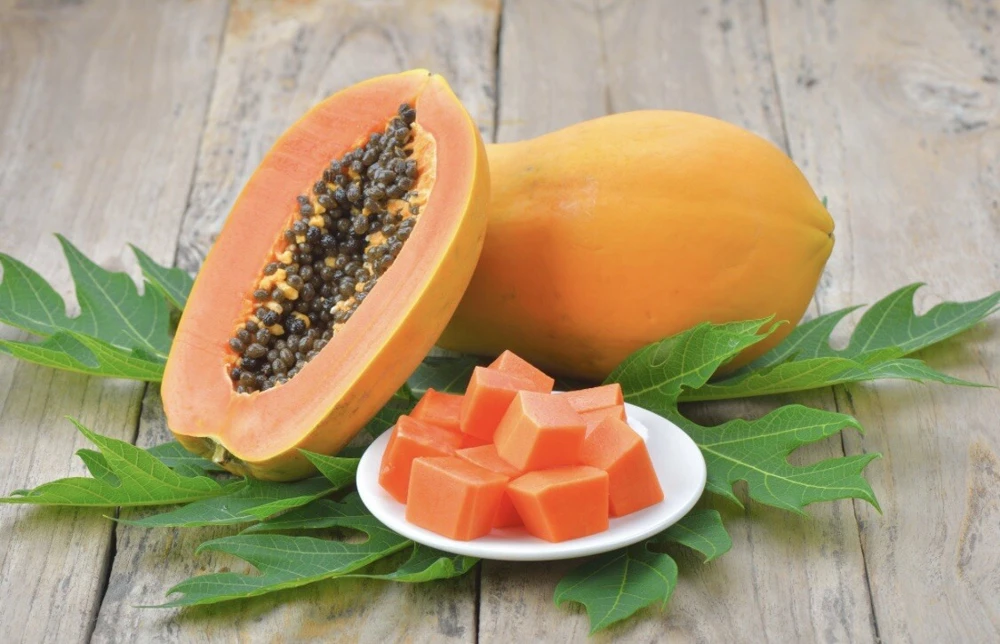
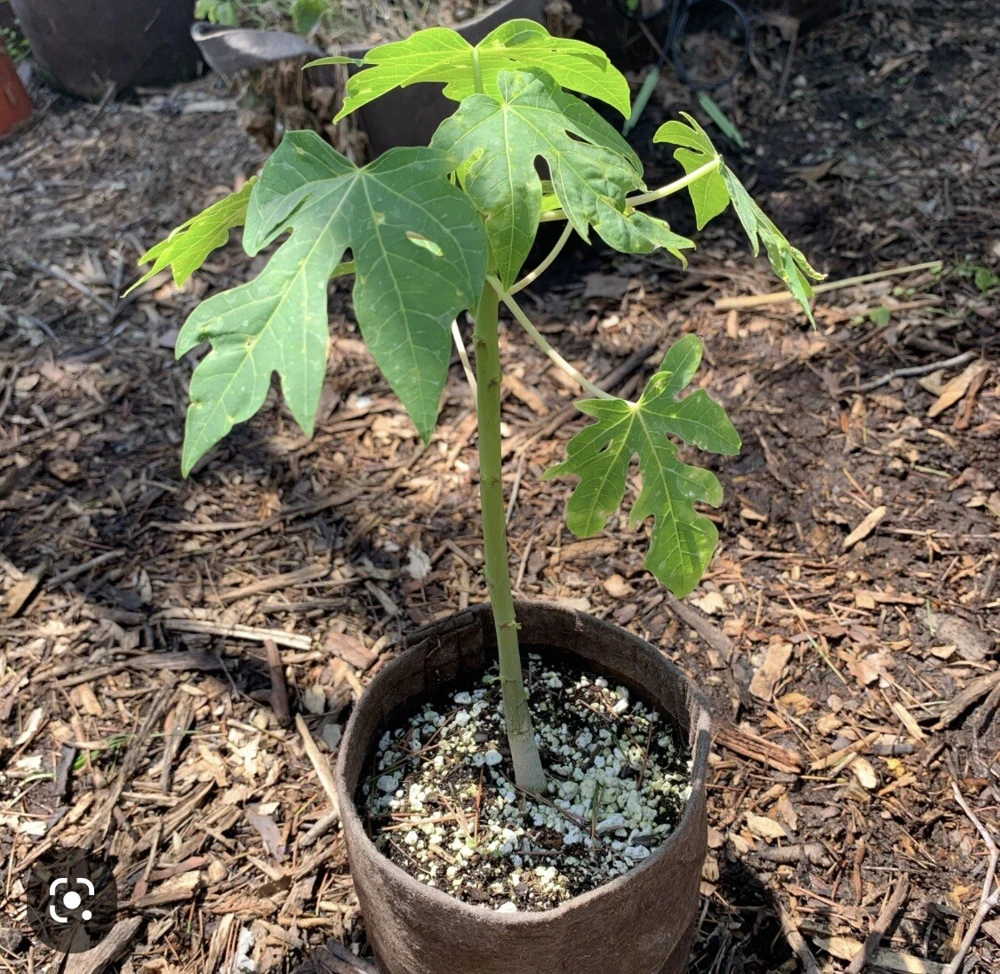
The Fortuna Papaya live plant you receive is a young, vigorous specimen, typically standing approximately 6-12 inches tall, ready for transplanting into a larger pot or your garden. It is shipped in an organic, biodegradable pot, which minimizes transplant shock and promotes healthy root establishment. This variety is known for its relatively fast growth rate, often reaching heights of 6-10 feet in a single season under optimal conditions, though it can be kept smaller with pruning for container growing. Fruit production can begin within 6-12 months from planting, depending on growing conditions and care. Each plant is carefully packaged to ensure it arrives safely and in excellent condition, prepared to flourish and become a productive tropical fruit plant in your home garden. The Fortuna variety typically produces medium-sized fruits, weighing between 1-3 pounds each, with a sweet, aromatic flavor and firm, orange-red flesh when ripe. This plant offers a continuous harvest in warm climates, providing a steady supply of fresh, delicious papayas.
Frequently Asked Questions
- Q: How big does this Fortuna Papaya live plant get? A: In ideal tropical conditions, a Fortuna Papaya plant can grow 6-10 feet tall in a single season. If grown in a container, its size can be managed through pruning, typically staying within 4-7 feet, making it suitable for patios or indoor spaces.
- Q: What size pot does it come in? A: Your Fortuna Papaya live plant will arrive in a small, organic, biodegradable pot. This allows for easy transplanting directly into a larger container or the ground, minimizing stress on the plant.
- Q: Is this an indoor or outdoor plant? A: While papayas are tropical plants that thrive outdoors in USDA zones 9-11, they can be successfully grown as container plants indoors or on patios in cooler climates. They will need to be brought inside when temperatures drop below 50°F (10°C) to protect your organic papaya tree from frost.
- Q: How much sunlight does it need? A: Papaya plants require a minimum of 6-8 hours of direct sunlight daily to produce fruit. Place them in the sunniest location possible in your garden or a south-facing window if growing indoors.
- Q: Is this plant easy to care for? A: Papayas are relatively easy to care for if their basic needs for warmth, sunlight, and consistent moisture are met. They are considered beginner-friendly for those in appropriate climates or with the ability to provide indoor protection.
- Q: What condition will it arrive in? A: Your tropical fruit plant will be carefully packaged to ensure it arrives healthy and vibrant. It will be a young, well-rooted plant, ready to continue growing in your care.
- Q: Can I use papaya from this plant in cooking? A: Absolutely! The Fortuna Papaya produces delicious, sweet fruit perfect for eating fresh, adding to smoothies, fruit salads, salsas, and various cooked dishes. Growing your own allows for a fresh, organic supply.
- Q: How long until it blooms and fruits? A: Under optimal conditions, a Fortuna Papaya live plant can begin to flower and set fruit within 6-12 months of planting. The first harvest can typically be expected within a year of receiving your young plant.
- Q: Will it survive winter in my zone? A: If you are in USDA zones 9-11, your papaya plant can likely survive winter outdoors. In colder zones, it must be protected from frost; either brought indoors or provided with significant winter protection to ensure its survival.
- Q: What’s the minimum temperature this papaya plant can tolerate? A: Papaya plants are very sensitive to cold. They can tolerate brief periods around 32°F (0°C) but will suffer damage. For sustained health and fruiting, temperatures should ideally not drop below 50°F (10°C).
Be the first to review “Organic Fortuna Papaya Live Plant – Tropical Fruit Tree with Pot”
People Also Viewed
Trees
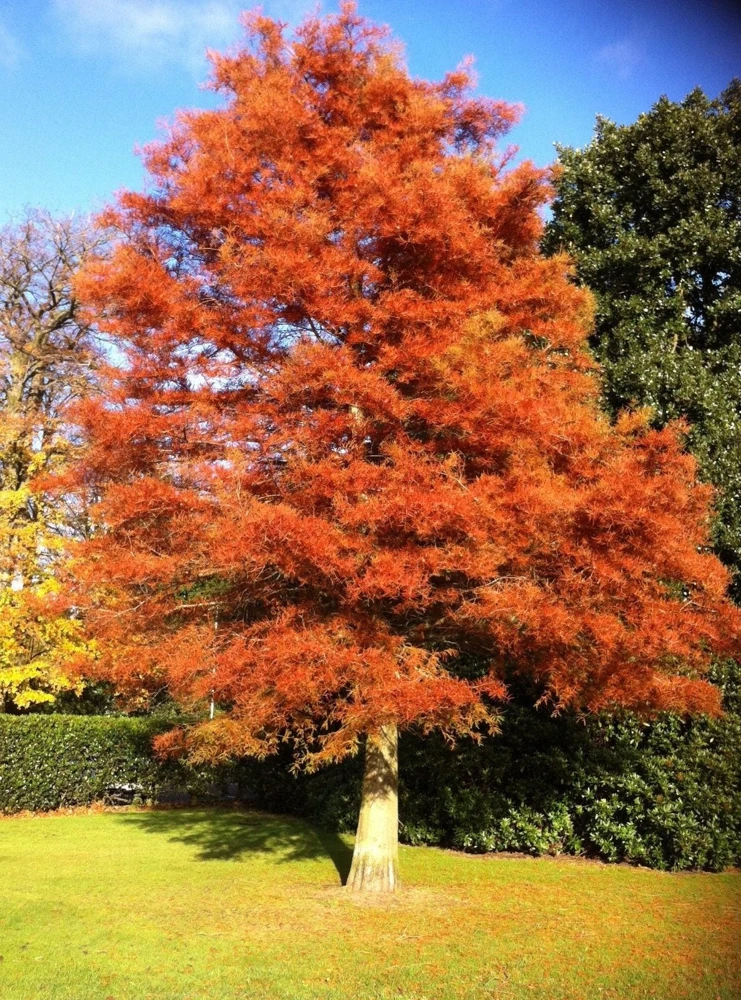
Dawn Redwood Live Plant – Metasequoia glyptostroboides – 1 Quart Pot 8-12″ Tall – Outdoor Tree
Flower Seeds
Reviews
There are no reviews yet.