
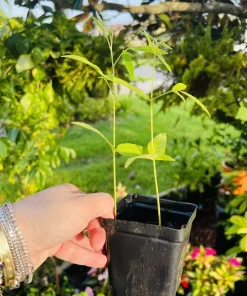
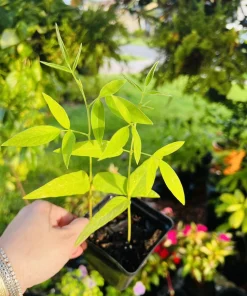
Pigeon Pea Live Plant – Medium Size, Potted, Organic Gardening
Original price was: $49.99.$29.99Current price is: $29.99.
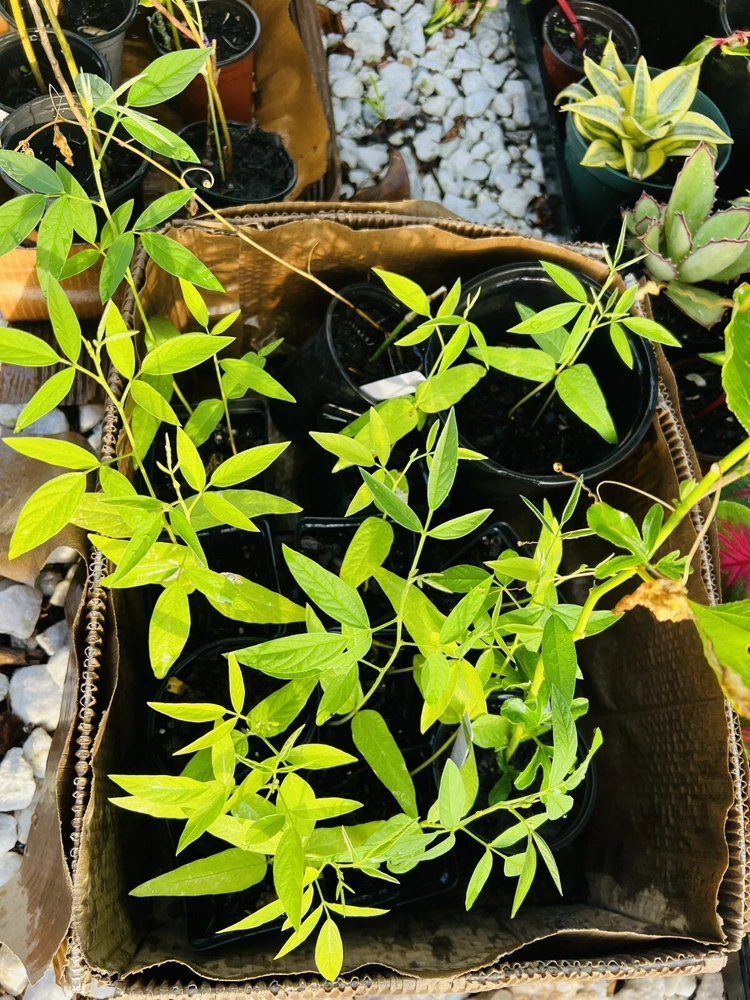
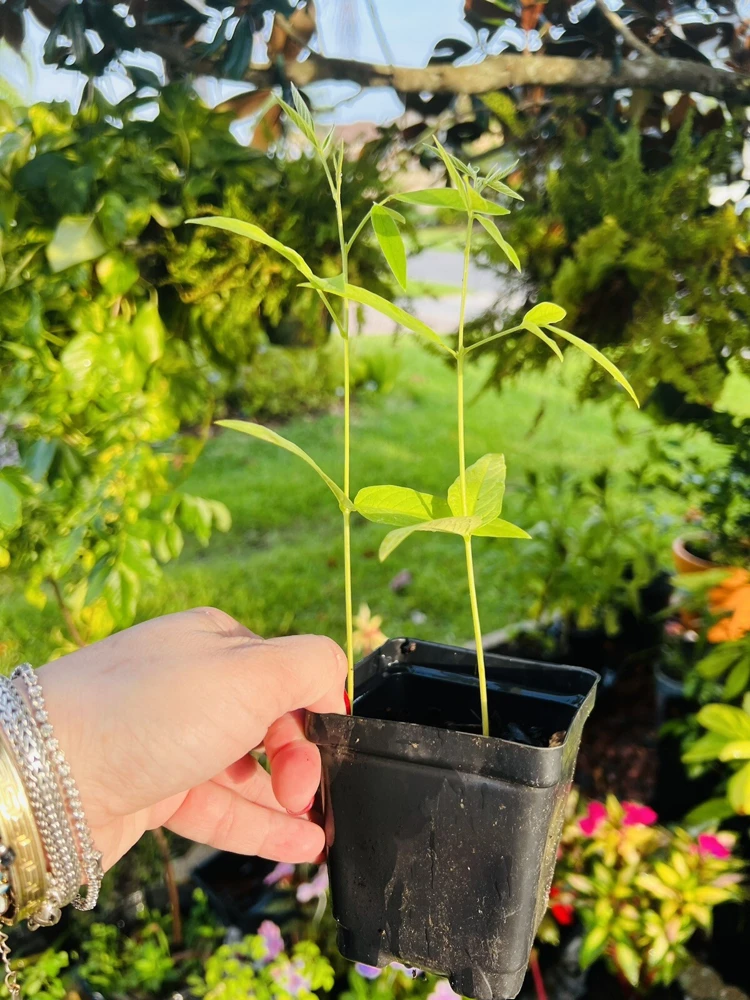
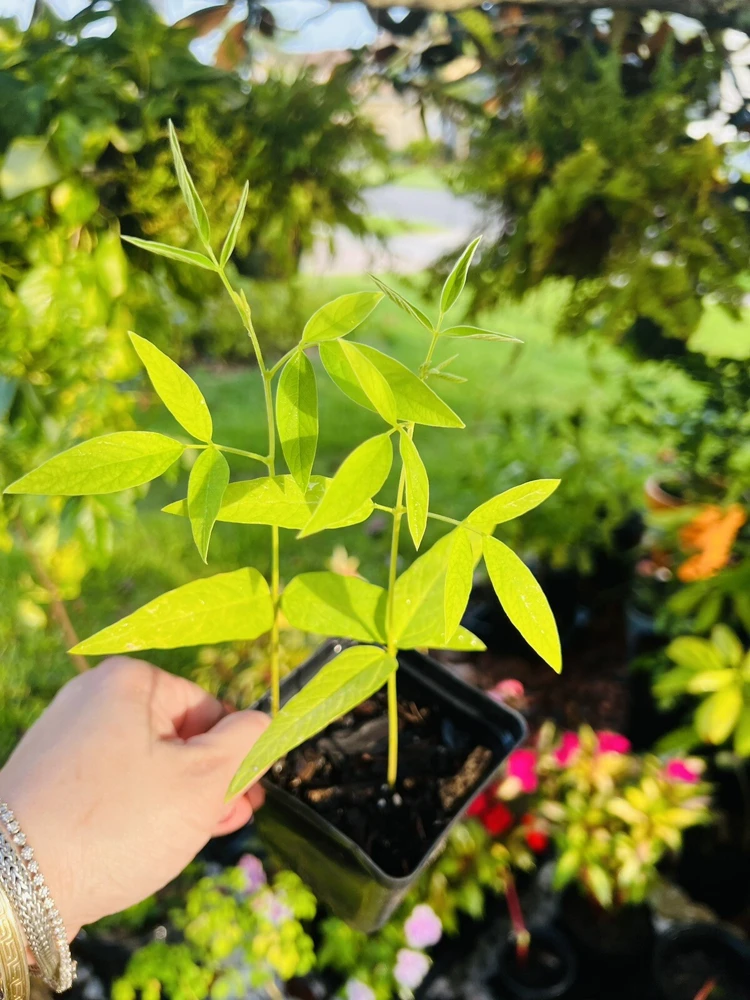
Cultivate your own harvest with a healthy pigeon pea live plant. This medium-sized, rooted plant comes potted and is ready for planting in your organic garden. Enjoy fresh, nutritious pigeon peas from your backyard.
Estimated arrival
Oct 27
Nov 01 - Nov 03
Nov 06 - Nov 10
Shop With Confidence
30-Day Plant Health Guarantee
Arrives damaged? We’ll replace it free — see our return policy.
Responsive Support
Email us anytime, we reply within 1 business day.
Expert Packaging
Temperature-controlled shipping to protect your plants in transit.
Secure Checkout
Pay safely with Visa, Mastercard, PayPal.
Plant Specifications
-
USDA Hardiness Zone
USDA zones 9–11 (as perennial); annual in colder zones -
Soil Type
Well-draining, sandy loam -
Sunlight Exposure
Full sun (6-8+ hours direct light) -
Expected Planting Period
Spring after last frost
Overview
Bring the joy of fresh, homegrown produce to your garden with this robust pigeon pea live plant. Known botanically as Cajanus cajan, the pigeon pea is a versatile and resilient legume that offers both nutritious food and soil-enriching benefits. This medium-sized, fully rooted plant arrives in a pot, ensuring a healthy start for your gardening endeavors. Ideal for organic gardening, the pigeon pea is a drought-tolerant crop that can thrive in various climates, providing a sustainable food source right at your fingertips. Whether you’re an experienced gardener or just starting, growing your own pigeon pea live plant is a rewarding experience that connects you directly to your food supply.
The pigeon pea, also commonly referred to as gungo pea, Congo pea, or no-eye pea, is a perennial legume from the family Fabaceae. Originating from India, it has been cultivated for at least 3,500 years and is now widely grown in tropical and subtropical regions. This particular pigeon pea live plant is ready to be transplanted into your garden or a larger container, promising a steady supply of fresh pods or dried peas for your culinary needs. Its vibrant green foliage and attractive flowers also make it a pleasant addition to any edible landscape.
Key Benefits
Investing in a pigeon pea live plant offers a multitude of advantages for both your garden and your health. This easy-to-grow legume is a powerhouse of nutrition and an ecological asset. Here are some of the key benefits you’ll enjoy:
- Nutrient-Rich Harvest: Pigeon peas are an excellent source of protein, dietary fiber, and essential vitamins and minerals like iron, potassium, and magnesium. Growing your own ensures a fresh, organic supply for healthy meals.
- Soil Improvement: As a legume, the pigeon pea live plant is a natural nitrogen fixer, enriching your garden soil and reducing the need for synthetic fertilizers. This promotes a healthier ecosystem for all your plants.
- Drought Tolerance: Once established, pigeon pea plants are remarkably drought-tolerant, making them a sustainable choice for gardeners in areas with less consistent rainfall or those looking for water-wise options.
- Versatile Culinary Uses: The peas can be harvested green and used like fresh beans, or allowed to mature and dried for use in stews, curries, and dals. This versatility makes them a staple in many cuisines worldwide.
- Support for Organic Gardening: Cultivating your own organic pigeon peas means you control the growing conditions, free from harmful pesticides and chemicals, contributing to a truly sustainable and healthy garden.
- Low Maintenance: This plant generally requires minimal care once established, making it suitable for both novice and experienced gardeners. It’s a robust plant that rewards with abundant yields.
- Attractive Edible Landscape: Beyond its edible benefits, the pigeon pea plant features attractive green foliage and often produces small, colorful flowers, adding aesthetic value to your garden.
Plant Care & Growing Tips
Caring for your pigeon pea live plant is relatively straightforward, making it an excellent choice for a productive garden. To ensure a thriving plant and a bountiful harvest, follow these essential guidelines. Pigeon peas prefer a location with full sun, meaning at least 6-8 hours of direct sunlight per day. While they are tolerant of partial shade, full sun promotes the best growth and pea production. If you’re wondering how to grow pigeon peas successfully, sunlight is key.
When it comes to watering, the pigeon pea is quite resilient. Water regularly after planting to help establish the roots. Once established, they are drought-tolerant and can withstand periods of dry weather. However, for optimal pod production, consistent moisture, especially during flowering and pod development, is beneficial. Avoid overwatering, as this can lead to root rot. The ideal soil for a pigeon pea live plant is well-draining, sandy loam with a pH between 6.0 and 7.0. While they can tolerate a range of soil types, good drainage is crucial. As a nitrogen-fixing legume, pigeon peas generally do not require heavy fertilization. An initial application of a balanced, slow-release fertilizer at planting can be helpful, but avoid high-nitrogen fertilizers, which can hinder pod development.
Pigeon peas are typically grown as annuals in temperate climates but can be perennial in tropical and subtropical regions. They are sensitive to frost, so plant after the last frost date in your area. For those interested in pigeon pea plant care, watch out for common pests like aphids and pod borers, though they are generally quite resistant. Regular inspection and organic pest control methods can keep your plant healthy. Pruning can encourage bushier growth and more pods. This plant is a fantastic addition to any garden, offering both food and soil benefits.
Size & Details
This pigeon pea live plant is offered as a medium-sized, fully rooted specimen, carefully nurtured in a pot and ready for transplanting. While exact dimensions can vary slightly with each individual plant, you can generally expect a healthy, established plant that is approximately 10-18 inches tall upon arrival, measured from the soil line. It comes in a nursery pot, ensuring the root system is protected and well-developed, making the transition to your garden or a larger container as smooth as possible. The growth rate of Cajanus cajan is relatively fast; mature plants can reach heights of 6-10 feet in a single growing season, depending on climate and growing conditions.
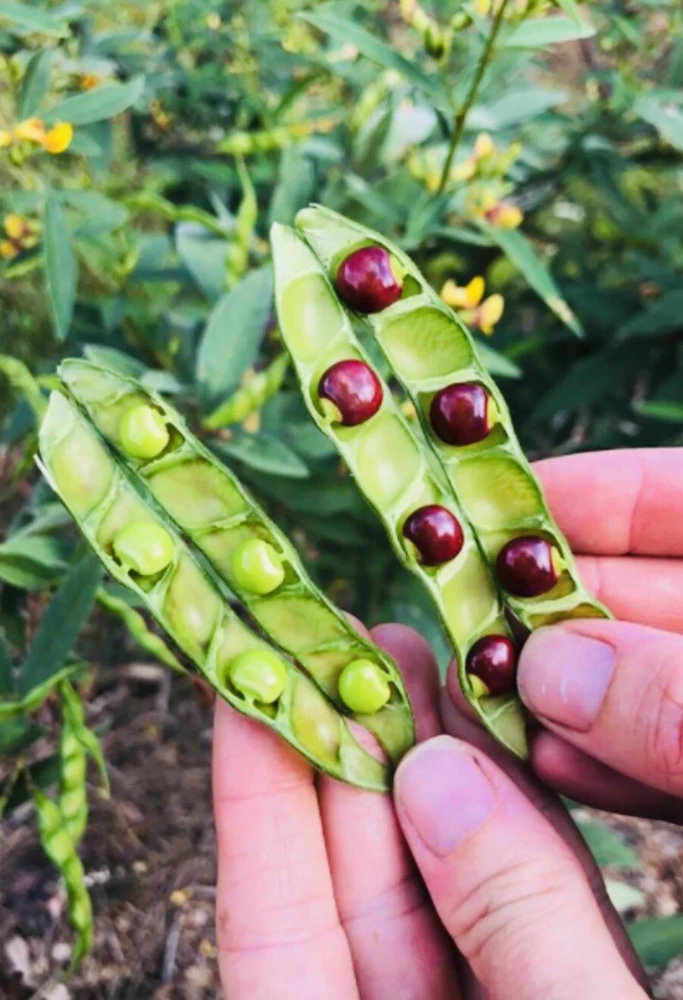
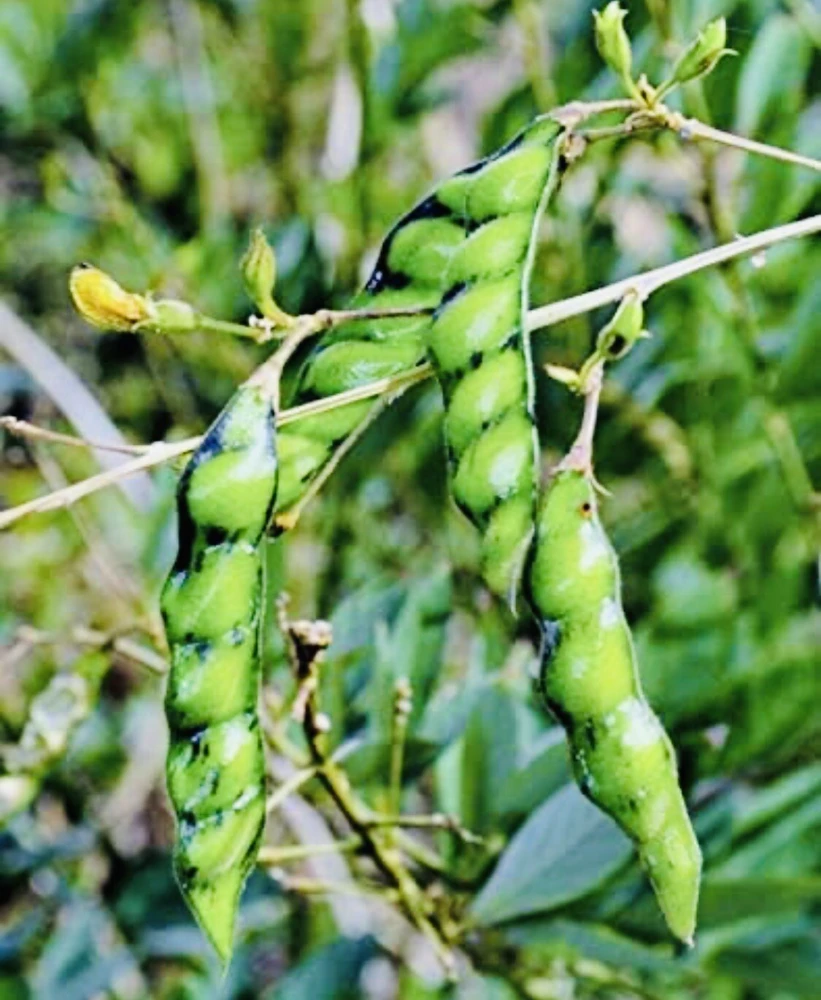
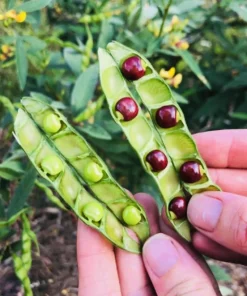
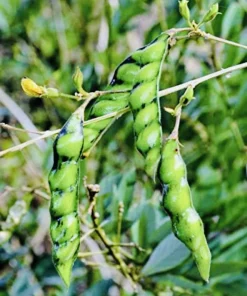
This plant is shipped in its nursery pot with soil, minimizing transplant shock and setting it up for success. Expect your pigeon pea live plant to begin producing pods within 3-4 months of transplanting, with a continuous harvest throughout the growing season in warmer climates. The vibrant green pods will mature to a darker shade, indicating they are ready for harvest. This medium-sized plant provides a substantial head start compared to growing from seed, allowing you to enjoy your first harvest sooner. It’s a perfect choice for those eager to begin their journey with organic pigeon peas.
Frequently Asked Questions
- Q: How big does this plant get? A: This pigeon pea live plant is a medium-sized specimen upon arrival, typically 10-18 inches tall. Mature plants can grow to be 6-10 feet tall, depending on growing conditions and whether they are grown as annuals or perennials.
- Q: What size pot does it come in? A: The plant arrives in a standard nursery pot, ensuring its root system is intact and healthy for transplanting. The exact pot size may vary but is appropriate for the plant’s current medium size.
- Q: Is this an indoor or outdoor plant? A: While it can be started indoors in colder climates, the pigeon pea live plant is primarily an outdoor plant that thrives in full sun. It can be grown in large containers outdoors.
- Q: How much sunlight does it need? A: For optimal growth and pea production, your pigeon pea live plant requires at least 6-8 hours of direct sunlight per day. Full sun exposure is highly recommended.
- Q: Is this plant easy to care for? Is it good for beginners? A: Yes, pigeon pea plant care is generally considered easy. It’s a robust and drought-tolerant plant, making it a great choice for beginners and experienced gardeners alike.
- Q: What condition will it arrive in? A: Your plant will arrive as a healthy, fully rooted, medium-sized specimen, carefully packaged in its nursery pot with soil to minimize stress during transit.
- Q: Can I use Cajanus cajan in cooking? A: Absolutely! Pigeon peas are highly versatile in the kitchen. They can be harvested green and cooked like fresh peas, or allowed to mature and dried for use in a variety of dishes, including stews, curries, and dals.
- Q: How long until it produces peas? A: After transplanting your pigeon pea live plant, you can typically expect it to start producing pods within 3-4 months, with continuous harvesting possible throughout the growing season.
- Q: What’s the best time to plant? A: Plant your pigeon pea after the last danger of frost has passed in your region. In warmer, frost-free climates, it can be planted year-round.
- Q: Will it survive winter in my zone? A: Pigeon peas are sensitive to frost. In USDA zones with freezing temperatures, they are typically grown as annuals. In tropical or subtropical zones (USDA 9-11), they can be perennial.
Be the first to review “Pigeon Pea Live Plant – Medium Size, Potted, Organic Gardening”
People Also Viewed
Uncategorized
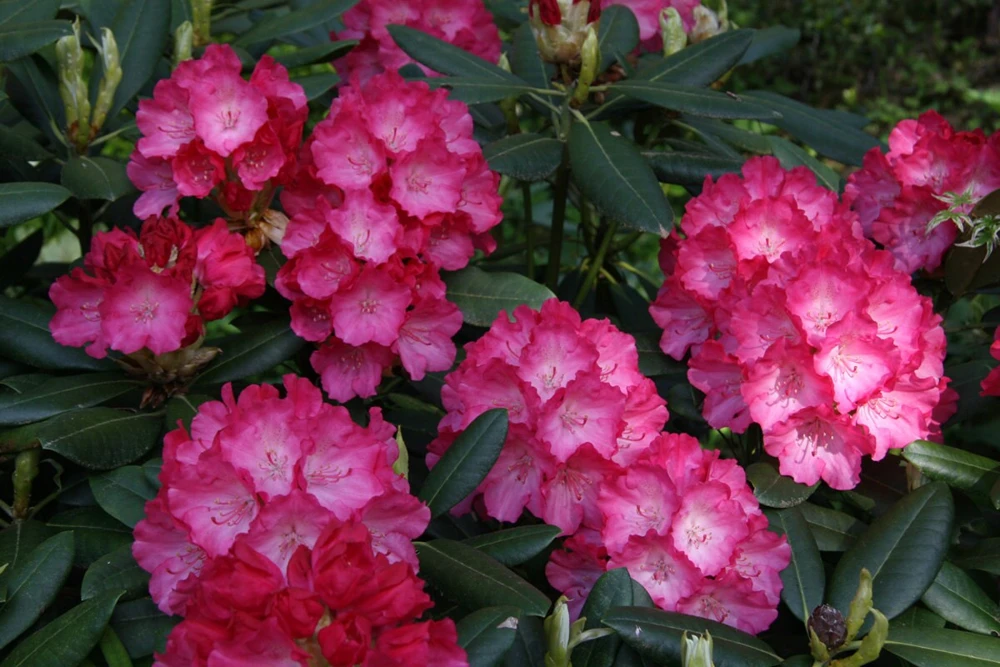
Rhododendron Dark Lord – Very Dark Maroon Bloom Rhododendron Flowers Plant – One Gallon Size


Aquatic Plant Seeds
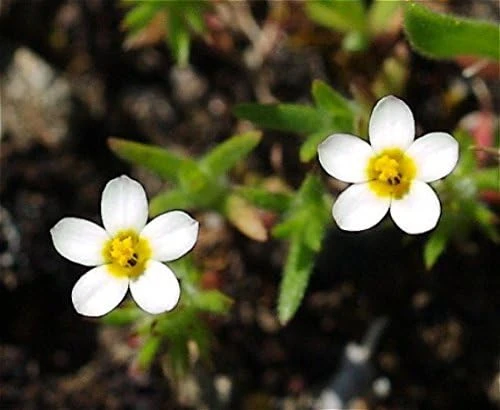
Aquarium Plant Seeds – Live Fish Tank Water Grass Ground Covering Seeds

Reviews
There are no reviews yet.