

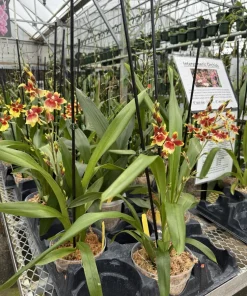
Oncidopsis Orchid Live Plant – Exotic Blooming Potted Houseplant
Original price was: $84.99.$69.99Current price is: $69.99.
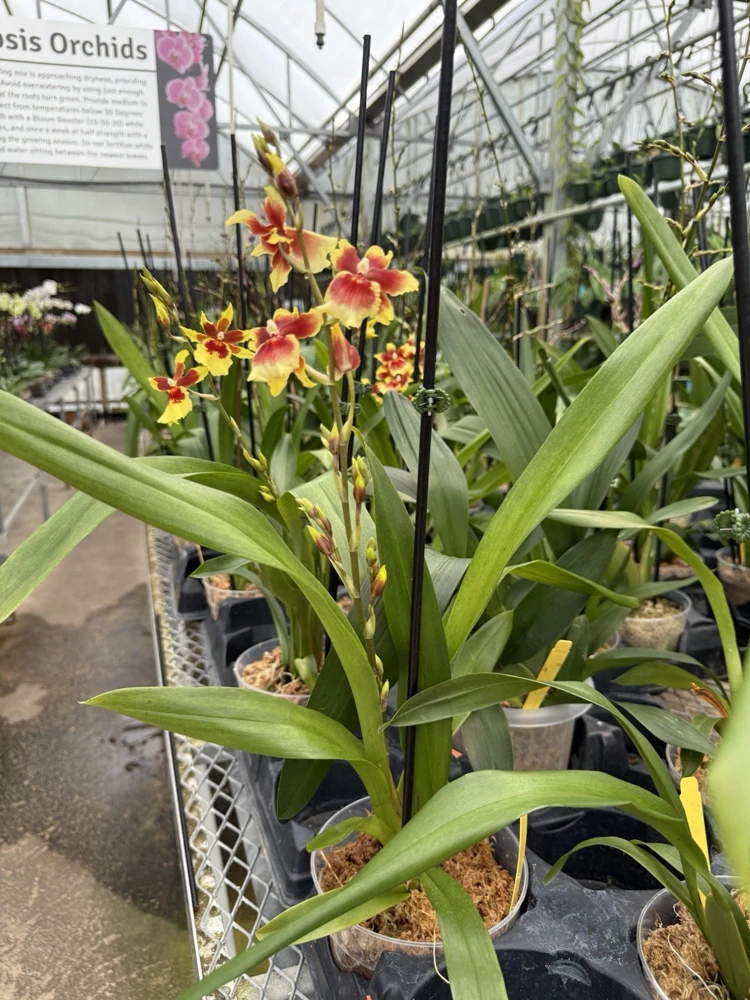
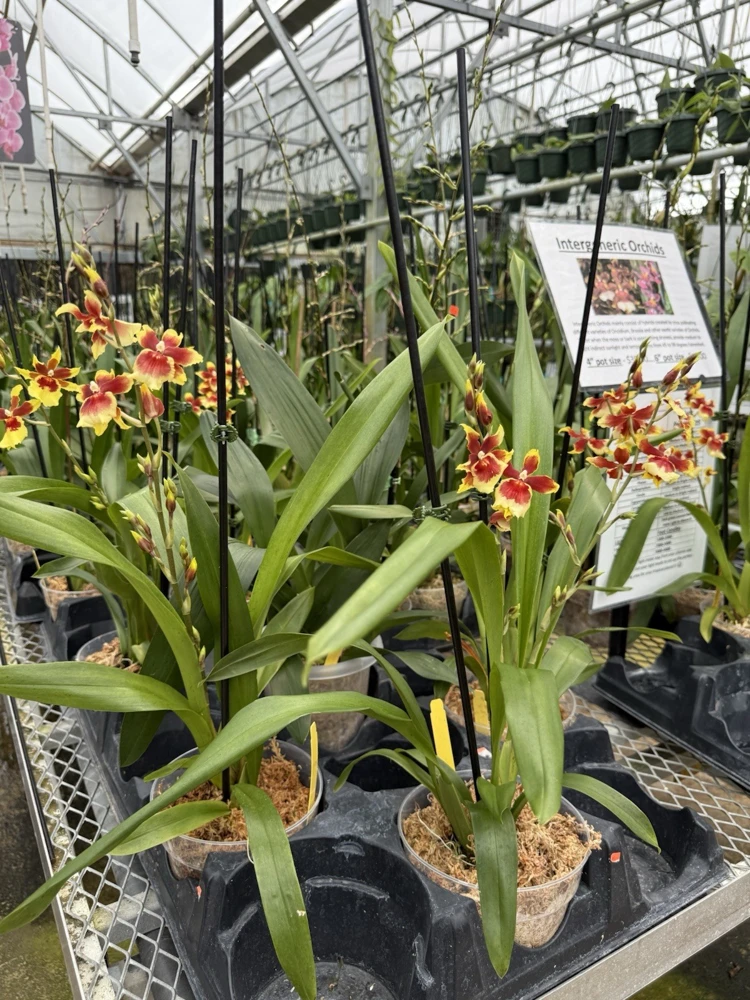
Bring exotic beauty into your home with this stunning oncidopsis orchid live plant. This potted orchid plant offers vibrant, long-lasting blooms, making it a perfect decorative addition. Easy to care for, it thrives as an indoor orchid plant, adding a touch of tropical elegance to any room.
Estimated arrival
Oct 27
Nov 01 - Nov 03
Nov 06 - Nov 10
Shop With Confidence
30-Day Plant Health Guarantee
Arrives damaged? We’ll replace it free — see our return policy.
Responsive Support
Email us anytime, we reply within 1 business day.
Expert Packaging
Temperature-controlled shipping to protect your plants in transit.
Secure Checkout
Pay safely with Visa, Mastercard, PayPal.
Plant Specifications
-
USDA Hardiness Zone
USDA zones 10-12 (outdoors), suitable for year-round indoor growth -
Soil Type
Well-draining orchid potting mix (bark, perlite, charcoal) -
Sunlight Exposure
Bright, indirect light -
Expected Planting Period
Year-round indoors
Overview
Introduce a touch of tropical elegance to your living space with the exquisite oncidopsis orchid live plant. This captivating orchid hybrid is renowned for its spectacular, often fragrant, and long-lasting blooms that can brighten any room. The Oncidopsis genus is a fascinating cross between Oncidium and Miltoniopsis orchids, combining the best characteristics of both parents – the vibrant, often spotted or patterned flowers of Oncidium with the graceful, often larger blooms of Miltoniopsis. Each plant is meticulously cultivated to ensure it arrives healthy and ready to flourish, providing an immediate focal point of natural beauty. Whether you’re a seasoned orchid enthusiast or a beginner looking to add an exotic blooming orchid to your collection, this plant offers a rewarding growing experience with its relatively straightforward care requirements and stunning visual appeal.
The oncidopsis orchid live plant is a testament to horticultural artistry, presenting a dynamic display of color and form. Its unique genetic makeup results in a diverse range of flower shapes and hues, from brilliant yellows and oranges to rich purples and reds, often adorned with intricate patterns. This live plant is not just a decorative item; it’s a living piece of art that evolves with each blooming cycle, offering continuous delight. Its adaptability makes it a popular choice for various indoor environments, promising to transform any corner into a serene, botanical haven.
Key Benefits
The oncidopsis orchid live plant offers numerous advantages, making it a highly desirable addition to any plant collection. Its striking appearance and relatively manageable care contribute to its widespread appeal, providing both aesthetic pleasure and a sense of accomplishment for growers.
- Spectacular Blooms: Enjoy a breathtaking display of vibrant, often patterned flowers. The exotic blooming orchid produces long-lasting inflorescences that can persist for several weeks, adding continuous color and beauty to your home or office environment.
- Air Purification: Like many houseplants, orchids contribute to a healthier indoor environment by absorbing airborne toxins and releasing oxygen. This makes the oncidopsis orchid live plant not just visually appealing but also beneficial for your well-being.
- Moderate Maintenance: Despite their exotic appearance, Oncidopsis orchids are generally considered more forgiving than some other orchid types. With proper attention to light and watering, they can thrive and rebloom consistently, making oncidopsis orchid care accessible for many.
- Unique Hybrid Beauty: As a hybrid, Oncidopsis combines the best traits of its parent genera, resulting in robust plants with unique and diverse flower characteristics, ensuring a distinctive and captivating display.
- Elegant Decor Accent: The elegant form and vibrant colors of this potted orchid plant make it an ideal decorative accent. It can elevate the aesthetic of any room, from modern minimalist to traditional, adding a sophisticated touch.
- Rewarding Hobby: Cultivating an orchid, especially one that reblooms, offers a deeply satisfying and rewarding hobby. Witnessing the development of new spikes and the unfurling of new flowers is a truly gratifying experience for any plant lover.
- Versatile Indoor Plant: This indoor orchid plant adapts well to various indoor settings, making it suitable for windowsills, desks, or as a centerpiece, providing flexibility in how you display its beauty.
Plant Care & Growing Tips
Proper oncidopsis orchid care is essential for ensuring your plant thrives and produces its stunning blooms. These orchids appreciate consistent conditions that mimic their natural tropical habitats, but they are also quite adaptable once their basic needs are met. Pay close attention to light, water, and potting medium to achieve the best results.
Sunlight requirements: Oncidopsis orchids prefer bright, indirect light. An east-facing window is often ideal, providing gentle morning sun. A west or south-facing window can work if the light is diffused by a sheer curtain to prevent leaf scorch. Avoid direct, intense midday sun, which can burn the leaves and flowers. Insufficient light may lead to a lack of blooming, while too much light can cause yellowing leaves. Aim for a spot where the plant receives several hours of bright, filtered light daily. As an indoor orchid plant, it’s crucial to find a location where light is consistent.
Watering schedule and soil moisture preferences: Water your oncidopsis orchid live plant thoroughly when the potting mix begins to dry out. The frequency will depend on your environment, pot size, and potting medium. Generally, this means watering every 5-7 days. The roots should not sit in standing water, as this can lead to root rot. Allow the top inch or two of the potting medium to dry before rewatering. A good way to check is to lift the pot; if it feels light, it’s likely time to water. Ensure excellent drainage. During active growth and blooming, more frequent watering may be necessary.
Soil type and drainage requirements: Oncidopsis orchids are epiphytes in nature, meaning they grow on other plants, not in soil. Therefore, they require a well-draining, airy potting mix that allows for good air circulation around the roots. A specialized orchid potting mix, typically composed of bark chips, perlite, and charcoal, is ideal. Repotting should be done every 1-2 years, or when the potting mix starts to break down, usually after flowering. This ensures the roots have fresh, aerated medium. This potted orchid plant needs a medium that drains quickly.
Temperature range and USDA hardiness zone: These orchids generally prefer intermediate temperatures. Daytime temperatures between 65-80°F (18-27°C) and nighttime temperatures between 55-65°F (13-18°C) are ideal. A slight drop in temperature at night can encourage blooming. Most Oncidopsis hybrids are not frost-tolerant and are best grown indoors in most regions, making them perfect as an indoor orchid plant. In outdoor settings, they would typically be suited for USDA zones 10-12, but only if protected from extreme heat and cold. Keep the plant away from cold drafts and direct heating vents.
Fertilization schedule and type: Fertilize your oncidopsis orchid live plant regularly during its active growing season (spring through fall) with a balanced orchid fertilizer, diluted to half or quarter strength. A common schedule is to fertilize every other watering. Reduce or cease fertilization during the winter months or when the plant is not actively growing. A balanced orchid-specific fertilizer (e.g., 20-20-20) is generally suitable. Flush the pot with plain water once a month to prevent salt buildup from fertilizers.
Common problems and solutions: Watch out for common orchid issues. Yellowing leaves can indicate too much direct sun or overwatering. Wrinkled pseudobulbs often signal underwatering or root damage. Pests like mealybugs or scale can be wiped off with a cotton swab dipped in rubbing alcohol. Ensure good air circulation to prevent fungal problems. Consistent oncidopsis orchid care helps prevent most issues.
Size & Details
This oncidopsis orchid live plant typically arrives as a well-established specimen in a grower’s pot, ready to be enjoyed or repotted into a decorative container. The plant’s overall height can vary but generally ranges from 12 to 24 inches tall, including the pot and any existing flower spikes. The spread of the foliage can be approximately 8 to 15 inches wide, forming an attractive, compact clump. Depending on the specific hybrid, the blooms of this exotic blooming orchid can range from 1 to 3 inches in diameter, appearing in clusters on elegant, arching spikes. The growth rate is moderate, with new pseudobulbs and leaves emerging throughout the growing season. When mature, the plant will produce multiple flower spikes, offering a spectacular show. It ships as a healthy, mature plant, often with developing or existing flower spikes, ensuring you receive a vibrant potted orchid plant ready to display its beauty.
Frequently Asked Questions
- Q: How big does this plant get? A: The oncidopsis orchid live plant typically reaches a height of 12 to 24 inches, including its pot and flower spikes. Its foliage can spread approximately 8 to 15 inches wide, making it a medium-sized indoor plant suitable for various spaces.
- Q: What size pot does it come in? A: This potted orchid plant usually arrives in a standard grower’s pot, often a 4-inch or 6-inch plastic pot, specifically designed for orchid cultivation to ensure proper drainage and air circulation for the roots.
- Q: Is this an indoor or outdoor plant? A: The oncidopsis orchid live plant is primarily an indoor orchid plant in most climates, especially in the US. It can be grown outdoors in very specific tropical or subtropical regions (USDA zones 10-12) with protection from direct sun and extreme temperatures.
- Q: How much sunlight does it need? A: This exotic blooming orchid thrives in bright, indirect light. An east-facing window is ideal, or a south/west-facing window with a sheer curtain to filter intense sunlight. Avoid direct midday sun to prevent leaf burn.
- Q: Is this plant easy to care for? A: Oncidopsis orchids are generally considered moderately easy to care for, especially for those with some plant experience. Consistent oncidopsis orchid care regarding light, watering, and proper potting mix will ensure its health and reblooming.
- Q: What condition will it arrive in? A: Your oncidopsis orchid live plant will arrive carefully packaged, healthy, and vigorous, often with developing or existing flower spikes, ready to be placed in its new home. We take great care to ensure safe transit.
- Q: How long until it blooms? A: If your orchid arrives with developing spikes, blooms can appear within a few weeks. If it’s not yet spiking, blooming typically occurs once a year under optimal conditions, usually in fall or winter, and can last for several weeks.
- Q: What’s the best way to water my oncidopsis orchid? A: Water thoroughly when the potting mix is nearly dry. Allow excess water to drain completely. Avoid letting the plant sit in standing water, as this can lead to root rot. The frequency will depend on your home’s environment.
- Q: Is this orchid pet-safe? A: While orchids are generally considered non-toxic to pets, it’s always best to keep plants out of reach to prevent any potential stomach upset if ingested. Consult a veterinarian if you have concerns about your specific pet.
- Q: When is the best time to repot this orchid? A: The best time to repot your oncidopsis orchid live plant is typically after it has finished blooming, usually every 1-2 years, or when the potting medium starts to break down. This provides fresh, airy conditions for the roots.
Be the first to review “Oncidopsis Orchid Live Plant – Exotic Blooming Potted Houseplant”
People Also Viewed



Vegetable Seeds
Tendersweet Carrot Seeds – 150 Seeds, Smooth, Extra Sweet Roots for Juicing & Cooking

Vegetable Seeds
Reviews
There are no reviews yet.