
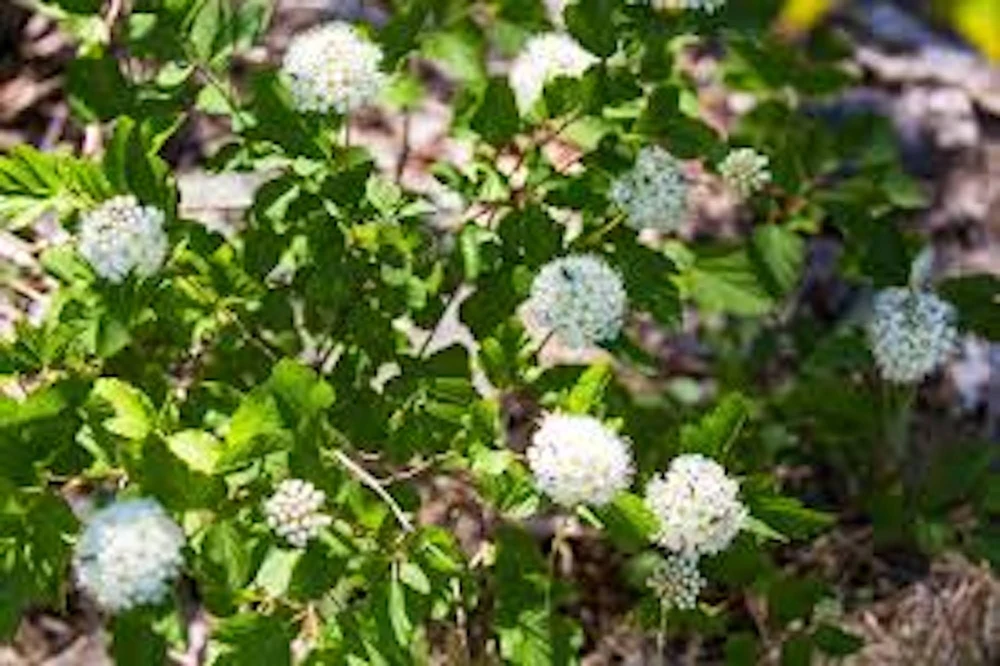
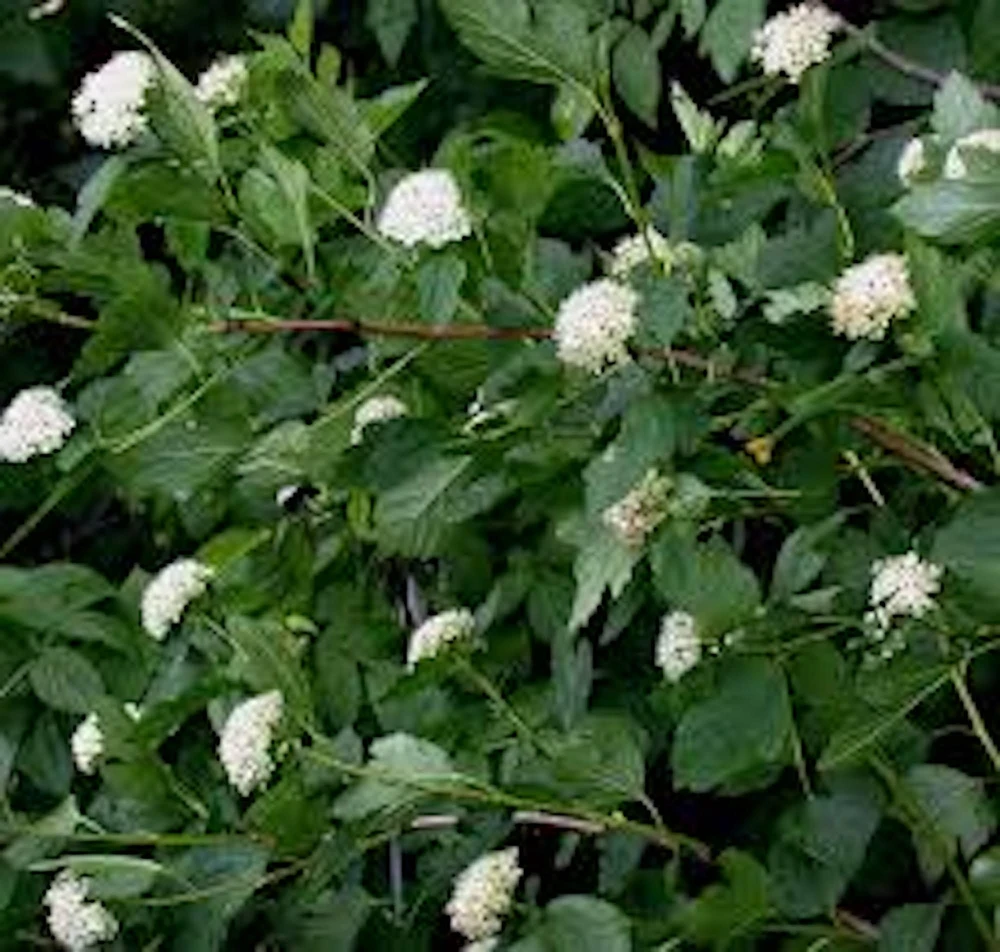
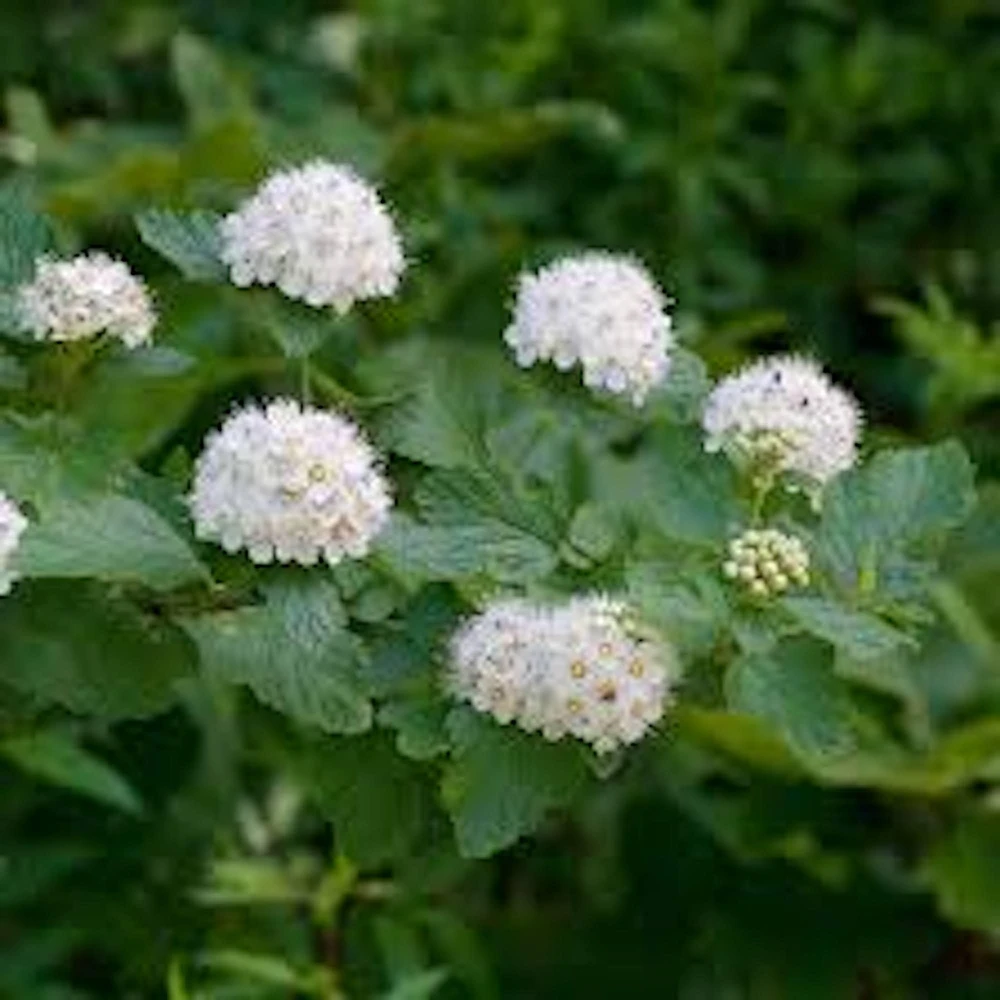

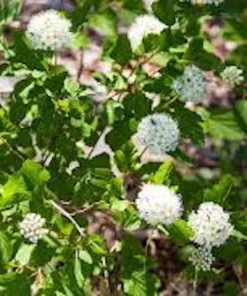
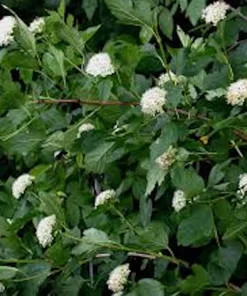
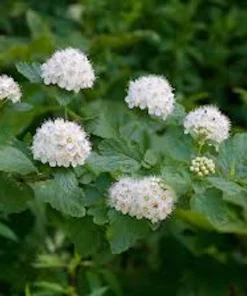
Ninebark Live Plant – 12-24in Tall (Quart Pot) Physocarpus opulifolius Hardy Shrub
Original price was: $101.99.$76.99Current price is: $76.99.
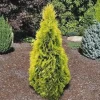
Discover the beauty of the Ninebark live plant (Physocarpus opulifolius), a truly versatile and hardy deciduous shrub. Known for its unique peeling bark and easy maintenance, it’s an excellent choice for adding texture and year-round interest to your garden. This 12-24 inch tall plant arrives in a quart pot, ready to thrive in various landscapes.
Estimated arrival
Sep 29
Oct 04 - Oct 06
Oct 09 - Oct 13
Shop With Confidence
30-Day Plant Health Guarantee
Arrives damaged? We’ll replace it free — see our return policy.
Responsive Support
Email us anytime, we reply within 1 business day.
Expert Packaging
Temperature-controlled shipping to protect your plants in transit.
Secure Checkout
Pay safely with Visa, Mastercard, PayPal.
Plant Specifications
-
USDA Hardiness Zone
USDA Zones 3-8 -
Soil Type
Well-draining soil -
Sunlight Exposure
Full sun to partial shade -
Expected Planting Period
Spring or early fall
Overview
Introduce a touch of enduring beauty and unique texture to your garden with the Ninebark live plant (Physocarpus opulifolius). This exceptional hardy deciduous shrub is celebrated for its remarkable visual appeal and ease of cultivation, making it a favorite among gardeners and landscapers alike. The Ninebark plant, often simply called Ninebark, derives its common name from its distinctive, multi-layered bark that peels away in strips, revealing fascinating colors underneath – a feature that provides year-round interest, especially in winter. Our vigorous Ninebark live plant comes in a quart pot, standing 12-24 inches tall, ready to establish quickly and transform your outdoor space into a vibrant haven. This robust shrub is not only beautiful but also incredibly adaptable, thriving in a wide range of conditions and requiring minimal fuss once established. Its versatility means it can be used in various garden settings, from mixed borders to naturalized areas, providing both structure and seasonal charm.
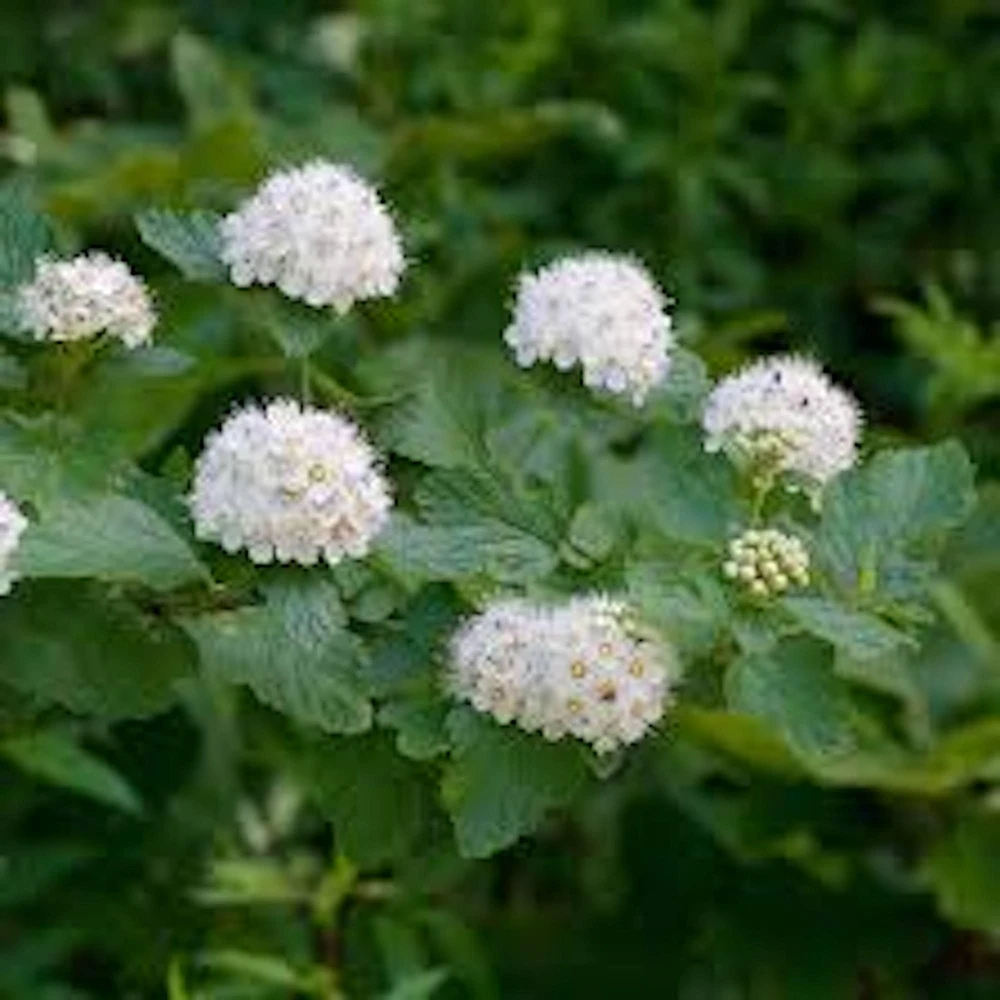
The botanical name, Physocarpus opulifolius, hints at its charming, small, opulus-like leaves, which often display attractive seasonal color changes. Beyond its captivating bark, the Ninebark live plant also produces clusters of delicate white to pinkish flowers in late spring to early summer, followed by small, ornamental fruit. These features contribute to its multifaceted appeal, ensuring there’s always something to admire throughout the seasons. If you’re seeking a resilient, low-maintenance, and visually dynamic addition to your landscape, the Physocarpus opulifolius shrub is an ideal choice, promising years of enjoyment with its unique characteristics and robust nature.
Key Benefits
The Ninebark live plant offers a wealth of benefits that make it an outstanding choice for almost any garden. Its hardiness and adaptability ensure it thrives in various climates and soil types, providing consistent beauty with minimal effort. This plant is a true four-season performer, offering something special in every part of the year.
- Year-Round Visual Interest: The most striking feature of the Ninebark live plant is its exfoliating bark, which peels in layers to reveal rich, underlying colors. This unique characteristic provides significant visual appeal throughout the year, especially during fall and winter when other plants may be dormant, making it a focal point in any garden.
- Exceptional Hardiness: As a hardy deciduous shrub, the Ninebark is incredibly resilient and can withstand a wide range of temperatures and conditions. It’s known for its ability to tolerate cold winters and hot summers, making it suitable for many USDA hardiness zones.
- Low Maintenance: Once established, Physocarpus opulifolius requires very little care. It’s drought-tolerant and generally resistant to pests and diseases, reducing the need for constant attention and chemical treatments, perfect for busy gardeners.
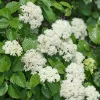
- Attractive Seasonal Blooms: In late spring to early summer, the Ninebark produces charming clusters of white to pinkish flowers, which add a delicate touch of color and attract pollinators like bees and butterflies to your garden.
- Versatile Landscaping Use: This shrub is highly versatile and can be used in various landscape applications. It works well as a specimen plant, in mixed shrub borders, as a hedge, or even in naturalized areas, providing structure and texture wherever it’s placed.
- Wildlife Friendly: Beyond attracting pollinators with its flowers, the dense foliage provides shelter for small birds, and the small fruit that follows the blooms can be a food source for local wildlife, contributing to a healthy ecosystem.
- Foliage Color Variations: Many cultivars of Physocarpus opulifolius shrub offer attractive foliage colors, ranging from vibrant green to deep burgundy, providing additional aesthetic value throughout the growing season before the bark becomes the star.
Plant Care & Growing Tips
Caring for your Ninebark live plant is straightforward, making it an excellent choice for both novice and experienced gardeners. To ensure your hardy deciduous shrub thrives, understanding its basic needs is key. Ninebark prefers a location with full sun to partial shade. For optimal flowering and foliage color, especially if you have a cultivar with colored leaves, aim for at least 6 hours of direct sunlight per day. While it can tolerate some shade, too little sun may result in leggy growth and reduced bloom production. Good air circulation is also beneficial to prevent fungal issues, so avoid planting in overly crowded areas.
When it comes to soil, the Ninebark live plant is quite adaptable. It thrives in a variety of soil types, from sandy to clay, as long as there is good drainage. Waterlogged conditions can lead to root rot, so ensure your planting site doesn’t retain too much moisture. Once established, Ninebark is remarkably drought-tolerant, requiring infrequent watering. During its first year, consistent watering is crucial to help the plant establish a strong root system. After that, water deeply during prolonged dry spells. A layer of mulch around the base of the plant can help retain soil moisture and regulate soil temperature.
Pruning is an important aspect of Ninebark plant care. To maintain a healthy shape and encourage vigorous growth, prune in late winter or early spring before new growth begins. Remove any dead, damaged, or crossing branches. You can also thin out older stems to promote new growth from the base, which enhances the exfoliating bark display. If your Ninebark becomes overgrown, it can be rejuvenated with a hard prune, cutting it back to about 6-12 inches from the ground. Fertilization is generally not heavily required for this robust shrub; a light application of a balanced, slow-release fertilizer in early spring is usually sufficient if your soil is poor. Keep an eye out for common pests like aphids, though Ninebark is largely disease and pest resistant, contributing to its reputation as an easy-to-grow, peeling bark plant.
Size & Details
Our Ninebark live plant is provided as a healthy specimen, measuring approximately 12-24 inches tall upon arrival. It is shipped in a quart-sized pot, providing a well-established root system ready for planting in your garden. This robust size offers a head start for growth and establishment. The typical mature size of a Ninebark shrub can vary depending on the specific cultivar, but most varieties grow to be 5-10 feet tall and equally wide, forming an attractive, mounding habit. The growth rate is generally moderate to fast, allowing it to fill out its space within a few seasons.
When you receive your Ninebark live plant, it will be a young, vibrant shrub with developing foliage and the characteristic sturdy stems. The unique peeling bark plant feature will become more pronounced as the plant matures. Expect flowers in late spring to early summer, followed by small, attractive fruit. This plant is an excellent choice for adding vertical interest, texture, and seasonal color to your landscape. It’s ready to be transplanted into its permanent location, where it will continue to grow and develop its distinctive features.
Frequently Asked Questions
- Q: How big does this Ninebark live plant get? A: While this Ninebark live plant arrives 12-24 inches tall in a quart pot, mature Ninebark shrubs typically grow to be 5-10 feet tall and wide, depending on the specific variety and growing conditions.
- Q: Is this an indoor or outdoor plant? A: The Physocarpus opulifolius shrub is a hardy outdoor plant, perfectly suited for garden beds, borders, and landscape plantings. It is not intended for indoor cultivation.
- Q: How much sunlight does the Ninebark live plant need? A: For best growth, flowering, and foliage color, your Ninebark needs full sun to partial shade, ideally receiving at least 6 hours of direct sunlight per day.
- Q: Is this plant easy to care for? A: Yes, the Ninebark is known as a very low-maintenance and hardy deciduous shrub. Once established, it is drought-tolerant and generally resistant to pests and diseases, making Ninebark plant care quite easy.
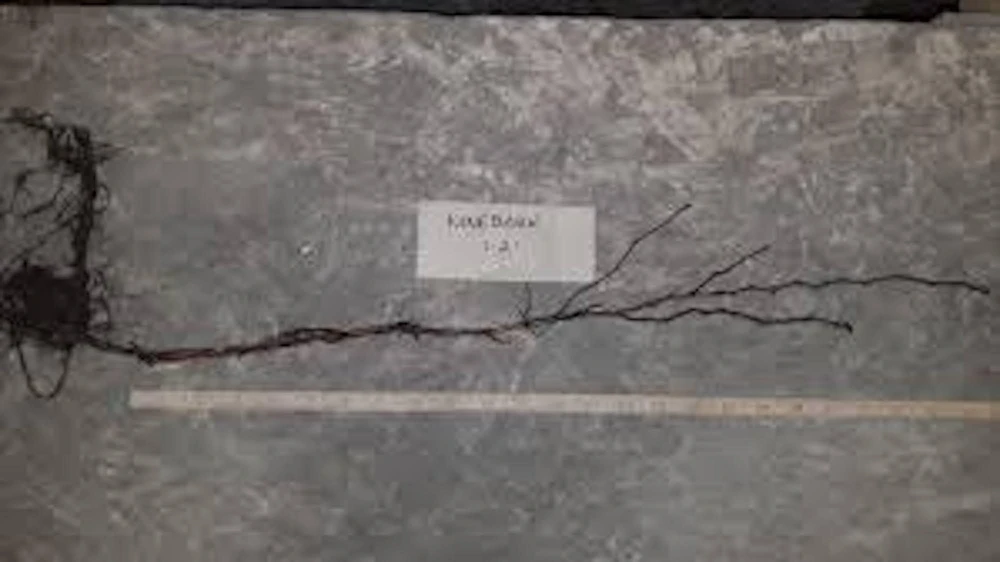
- Q: What condition will the Ninebark live plant arrive in? A: Your Ninebark plant will arrive healthy and well-rooted in a quart pot, ready for planting. During the growing season, it will be shipped in its pot, while bare root shipping may occur in fall and winter.
- Q: When is the best time to plant a Ninebark? A: The best time to plant your Ninebark live plant is in spring or early fall, allowing it ample time to establish its root system before extreme weather conditions.
- Q: Will this peeling bark plant survive winter in my zone? A: Ninebark is a very hardy shrub, typically thriving in USDA Hardiness Zones 3-8, making it highly tolerant of cold winters in many regions.
- Q: What kind of soil does Ninebark prefer? A: The Physocarpus opulifolius shrub is adaptable to various soil types, but it performs best in well-draining soil. It can tolerate both sandy and clay soils as long as they don’t remain waterlogged.
- Q: Does the Ninebark attract wildlife? A: Yes, the flowers of the Ninebark attract pollinators like bees, and the small fruits can provide a food source for birds, contributing to local wildlife support.
- Q: How often should I water my newly planted Ninebark? A: For the first year after planting, water your new Ninebark live plant regularly to ensure the soil remains consistently moist but not waterlogged, helping it establish a strong root system. After establishment, it becomes quite drought-tolerant.
Be the first to review “Ninebark Live Plant – 12-24in Tall (Quart Pot) Physocarpus opulifolius Hardy Shrub”
People Also Viewed
Reviews
There are no reviews yet.