


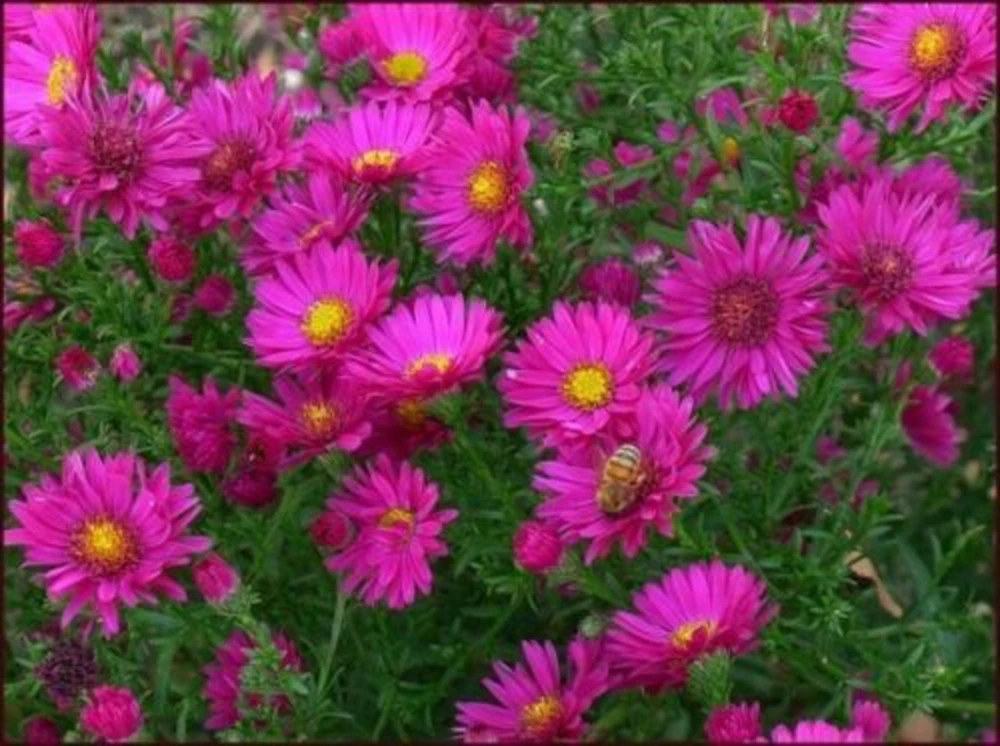
New England Aster Live Plant – Alma Potschke – Pink Flowers, 36 Inches Tall
Original price was: $55.99.$25.99Current price is: $25.99.
Bring vibrant color to your garden with the New England Aster live plant, ‘Alma Potschke’. This stunning perennial features abundant pink, daisy-like flowers with bright yellow centers, blooming from late summer through October. It’s an excellent choice for attracting butterflies and adding a burst of late-season beauty to your outdoor space.
Estimated arrival
Nov 07
Nov 12 - Nov 14
Nov 17 - Nov 21
Shop With Confidence
30-Day Plant Health Guarantee
Arrives damaged? We’ll replace it free — see our return policy.
Responsive Support
Email us anytime, we reply within 1 business day.
Expert Packaging
Temperature-controlled shipping to protect your plants in transit.
Secure Checkout
Pay safely with Visa, Mastercard, PayPal.
Plant Specifications
-
USDA Hardiness Zone
USDA Zones 4-8 -
Soil Type
Well-draining soil -
Sunlight Exposure
Full sun to light shade -
Expected Planting Period
Spring to early summer
Overview
Introduce a splash of vibrant pink to your late-season garden with the magnificent New England Aster live plant, ‘Alma Potschke’. This robust and beautiful perennial, scientifically known as Symphyotrichum novae-angliae ‘Alma Potschke’, is celebrated for its profuse display of bright pink, daisy-like flowers, each centered with a cheerful yellow eye. Growing to an impressive height of up to 36 inches, this aster creates a striking vertical element in garden beds, borders, and naturalized areas. It’s a true garden workhorse, providing continuous blooms when many other plants are fading, ensuring your landscape remains lively and colorful from late summer well into October. The ‘Alma Potschke’ is shipped as a well-rooted starter plant, ready to establish itself and bring years of enjoyment.
The Alma Potschke Aster is a favorite among gardeners for its hardiness and ease of care. Native to North America, New England Asters are known for their resilience and ability to thrive in a variety of conditions. This particular cultivar offers an exceptional floral show, making it an indispensable addition for anyone looking to extend their garden’s blooming season. Beyond its aesthetic appeal, the ‘Alma Potschke’ plays a vital role in supporting local ecosystems, particularly as a food source for pollinators.
Key Benefits
The New England Aster live plant offers a multitude of benefits, making it an excellent choice for diverse garden designs and environmental support:
- Extended Bloom Season: Enjoy a spectacular display of vibrant pink flowers from late summer through October, providing continuous color when many other garden plants are beginning to fade. This helps prolong the visual interest of your landscape.
- Attracts Pollinators: The profuse, nectar-rich flowers are a magnet for butterflies, bees, and other beneficial pollinators, making it an essential plant for a thriving ecosystem and a vibrant butterfly garden. Witness your garden come alive with activity.
- Hardy & Resilient: As a robust perennial, the ‘Alma Potschke’ is known for its hardiness in USDA Zones 4-8, tolerating various conditions and requiring minimal maintenance once established. It’s a reliable performer year after year.
- Stunning Visual Impact: With its cheerful pink daisy-like blooms and upright growth habit, this aster creates a beautiful focal point or a dramatic backdrop in mixed borders, cottage gardens, or naturalized settings. It adds significant curb appeal.
- Low Maintenance: This pink aster plant is relatively easy to care for, requiring well-drained soil and full sun to light shade. It’s an ideal choice for both experienced gardeners and those new to perennial gardening, offering big rewards for little effort.
- Versatile Use: Perfect for mass plantings, perennial borders, cut flower gardens, or even in large containers. Its adaptability makes it suitable for various garden styles and spaces.
Plant Care & Growing Tips
Caring for your New England Aster live plant, ‘Alma Potschke’, is straightforward, ensuring a bountiful display of flowers. These perennials thrive in conditions that mimic their natural habitat. For optimal growth and flowering, plant your aster in a location that receives full sun to light shade. Full sun (at least 6 hours of direct sunlight daily) will encourage the most profuse blooming and strongest stems, helping it to reach its full potential of 36 inches tall. While it can tolerate some partial shade, too much shade may result in leggy growth and fewer flowers. It is hardy in USDA Zones 4-8, meaning it can withstand cold winters and hot summers within this range.
When it comes to watering, the ‘Alma Potschke’ prefers consistently moist, but well-drained soil. Avoid waterlogging, as this can lead to root rot. Water regularly, especially during dry spells and in its first year of establishment. Once established, it becomes more tolerant of short periods of drought, but consistent moisture will promote healthier growth and more abundant blooms. The ideal soil type is a rich, well-draining loam. Incorporating compost or other organic matter at planting time can improve soil structure and fertility. Fertilize sparingly; a balanced slow-release granular fertilizer in spring is usually sufficient. Deadheading spent flowers can encourage more blooms and a tidier appearance, though it’s not strictly necessary. Cut back the entire plant to about 6 inches in late fall or early spring to encourage vigorous new growth.
Common problems for the perennial aster include powdery mildew, especially in humid conditions or when air circulation is poor. Ensure good air circulation by spacing plants appropriately and watering at the base rather than overhead. Aphids can also be an issue; a strong spray of water or insecticidal soap can manage them. Overall, the ‘Alma Potschke’ is a robust and disease-resistant plant, making it a joy to grow in any garden.
Size & Details
The ‘Alma Potschke’ New England Aster live plant is shipped as a well-rooted starter plant, typically in a 2 1/2 x 3 1/2 inch pot, ensuring it has a strong root system ready for transplanting. While initially compact, this vigorous perennial quickly establishes itself and can grow to an impressive height of up to 36 inches (3 feet) tall, with a spread of similar width, creating a substantial presence in the garden. It is shipped dormant or cut back, which is a common practice for perennials to ensure a successful transplant and robust spring growth. You may observe basal new growth already present, indicating its readiness to burst into life.
This particular cultivar is known for its relatively fast growth rate once established, quickly filling out its space and beginning to bloom in its first year, especially if planted in spring. Expect the first flush of its iconic pink daisy-like flowers to appear in late summer, continuing its spectacular show through October. The ‘Alma Potschke’ provides a reliable and long-lasting display, making it a valuable addition to any landscape seeking late-season color and a haven for pollinators. This butterfly garden plant is a fantastic investment for long-term garden beauty.
Frequently Asked Questions
- Q: How big does this plant get? A: The New England Aster live plant ‘Alma Potschke’ typically grows to about 36 inches (3 feet) tall and spreads similarly wide, forming a robust and bushy perennial. Its upright habit makes it excellent for adding vertical interest to your garden.
- Q: What size pot does it come in? A: This ‘Alma Potschke’ New England Aster is shipped as a well-rooted starter plant in a 2 1/2 x 3 1/2 inch pot, providing a healthy foundation for successful transplanting and growth in your garden.
- Q: Is this an indoor or outdoor plant? A: The ‘Alma Potschke’ Alma Potschke Aster is primarily an outdoor perennial plant, thriving in garden beds, borders, and naturalized areas. It is not typically grown as an indoor houseplant.
- Q: How much sunlight does it need? A: For the best blooming and strongest growth, this aster requires full sun, meaning at least 6 hours of direct sunlight per day. It can tolerate light shade, but flowering may be less prolific.
- Q: Is this plant easy to care for? A: Yes, the ‘Alma Potschke’ pink aster plant is considered relatively easy to care for. It’s a hardy perennial that requires well-drained soil and consistent moisture, making it suitable for gardeners of various experience levels.
- Q: What condition will it arrive in? A: Your plant will arrive as a well-rooted starter plant, typically dormant or cut back. This is normal for perennials and encourages strong new growth in the spring. It may have basal new growth present.
- Q: When is the best time to plant? A: The best time to plant your perennial aster is in spring after the last frost or in early fall. This allows the plant sufficient time to establish its root system before extreme weather.
- Q: Will it survive winter in my zone? A: Yes, the ‘Alma Potschke’ New England Aster is hardy in USDA Zones 4-8. It is well-adapted to survive cold winters and will reliably return year after year within these zones.
- Q: Is this plant attractive to butterflies? A: Absolutely! The ‘Alma Potschke’ is an excellent butterfly garden plant. Its late-season blooms provide a crucial nectar source for butterflies and other pollinators, making it a fantastic addition to any wildlife-friendly garden.
- Q: What type of soil does it prefer? A: This aster thrives in well-drained soil, ideally a rich loam. Good drainage is essential to prevent root rot, so avoid heavy, waterlogged soils.
Be the first to review “New England Aster Live Plant – Alma Potschke – Pink Flowers, 36 Inches Tall”
People Also Viewed


Houseplants
Brassia Orange Delight ‘Hilo Sunrise’ Orchid Live Plant – 2.5″ Pot – Yellow-Orange Flowers


Vegetable Seeds
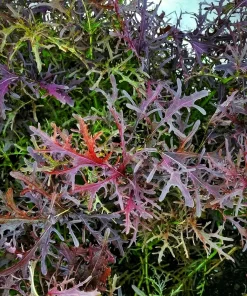
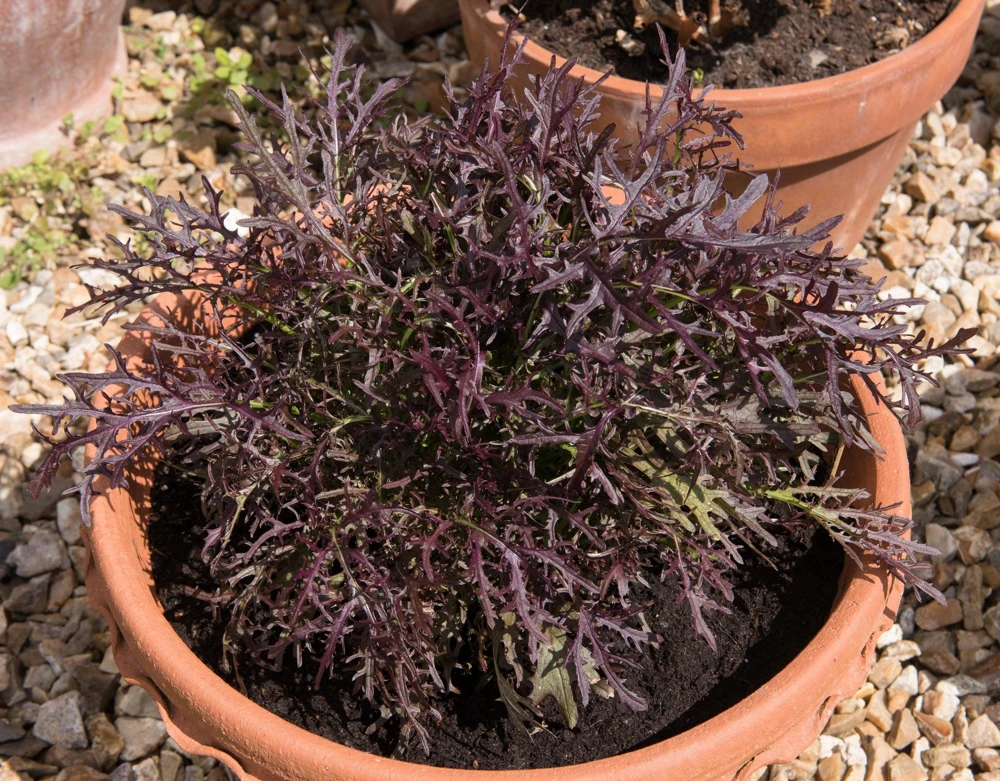
Red Streaked Mizuna Mustard Seeds – 200 Japanese Vegetable Seeds


Reviews
There are no reviews yet.