


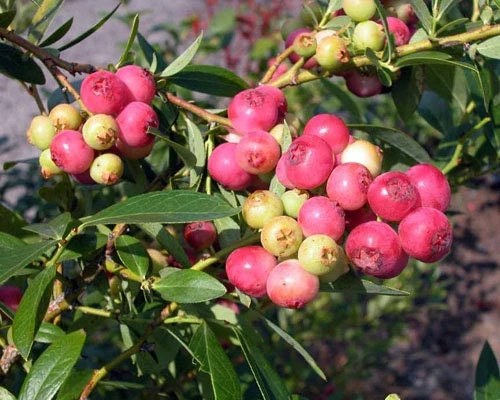
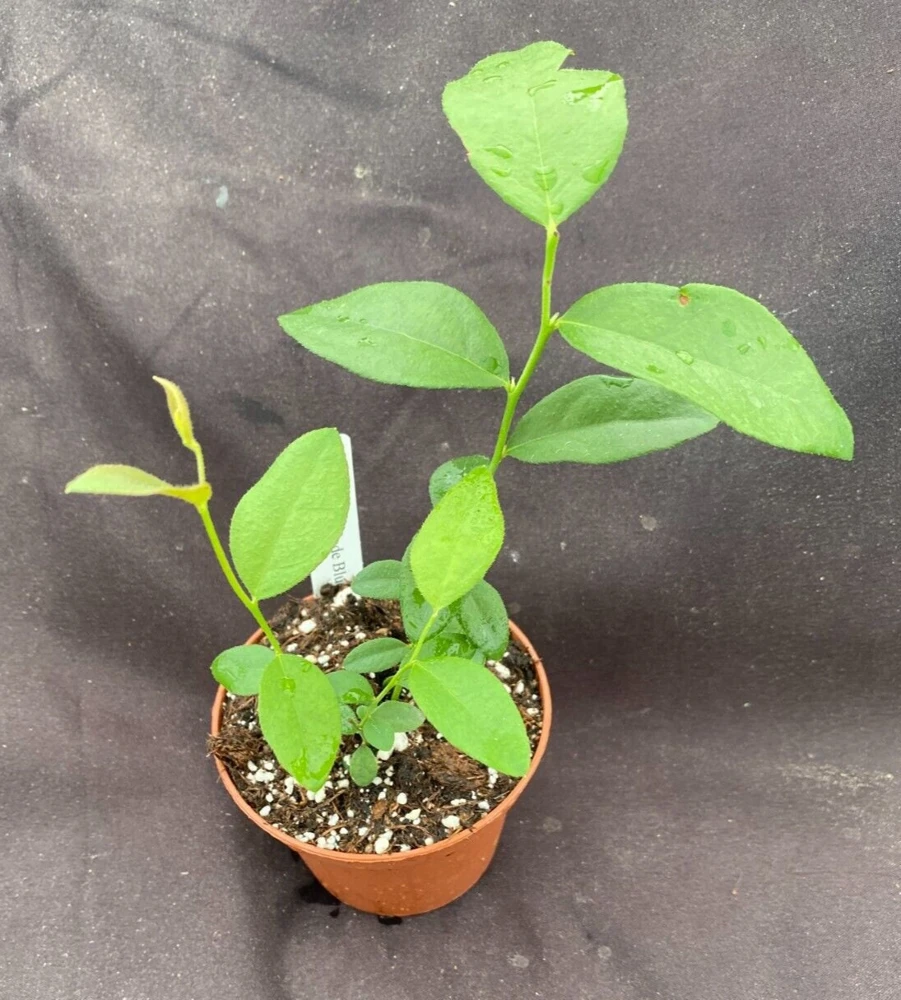
Pink Lemonade Blueberry Live Plant – Rabbiteye Variety – 3 inch Pot – Zone 5-9
Original price was: $54.99.$34.99Current price is: $34.99.
Cultivate your own unique and flavorful pink lemonade blueberry plant. This beautiful Rabbiteye variety produces sweet, dark pink berries with classic blueberry flavor. Shipped as a healthy, well-rooted rabbiteye blueberry plant in a 3-inch pot, ready for planting in USDA Zones 5-9.
Estimated arrival
Sep 22
Sep 27 - Sep 29
Oct 02 - Oct 06
Shop With Confidence
30-Day Plant Health Guarantee
Arrives damaged? We’ll replace it free — see our return policy.
Responsive Support
Email us anytime, we reply within 1 business day.
Expert Packaging
Temperature-controlled shipping to protect your plants in transit.
Secure Checkout
Pay safely with Visa, Mastercard, PayPal.
Plant Specifications
-
USDA Hardiness Zone
5-9 -
Soil Type
Acidic, well-draining soil -
Sunlight Exposure
Full sun -
Expected Planting Period
Early spring to fall
Overview
Discover the delightful world of the pink lemonade blueberry plant, a truly unique and visually striking addition to any garden or edible landscape. This particular variety is a ‘Rabbiteye’ type, known for its vigor and adaptability, making it an excellent choice for a wide range of climates. Unlike traditional blueberries, the ‘Pink Lemonade’ blueberry ripens to a beautiful, vibrant dark pink, offering an unexpected visual treat while retaining that familiar, delicious blueberry flavor. Each plant is shipped as a well-rooted, healthy specimen in a 3-inch pot, ensuring it arrives ready to thrive in its new home. Ideal for gardeners seeking both ornamental appeal and a bountiful harvest, this blueberry offers a refreshing twist on a classic fruit.
The ‘Pink Lemonade’ blueberry is celebrated not only for its distinctive fruit color but also for its robust growth habit and disease resistance. It’s a fantastic conversation starter and a favorite among those looking to add novelty to their fruit-bearing collection. Imagine harvesting bowls full of these rosy berries, perfect for snacking, desserts, or adding a splash of color to your breakfast. This rabbiteye blueberry plant is a testament to horticultural innovation, bringing a touch of whimsy and exceptional taste to your garden.
Key Benefits
The pink lemonade blueberry plant offers a multitude of benefits, making it a valuable addition to any garden. Its unique characteristics provide both aesthetic appeal and culinary delight.
- Unique Fruit Color: Enjoy blueberries that ripen to a stunning dark pink, providing a novel and attractive fruit for eating fresh or in culinary creations. This distinct color makes them stand out from traditional blue varieties.
- Delicious Flavor Profile: Despite their unusual color, these berries boast the classic, sweet, and tangy flavor associated with traditional blueberries, perfect for a wide range of uses.
- Rabbiteye Vigor: As a Rabbiteye variety, this plant is known for its hardiness, heat tolerance, and resistance to common blueberry diseases, making it a robust choice for many regions.
- Ornamental Value: Beyond its fruit, the plant itself is attractive with green foliage that can offer subtle seasonal color changes, enhancing your garden’s visual appeal.
- Good for Pollinators: Like all blueberries, its flowers attract beneficial pollinators, contributing to the health and biodiversity of your local ecosystem.
- Versatile Use: Excellent for fresh eating, baking, jams, jellies, or simply adding a splash of color to fruit salads and desserts.
- Long Harvest Season: Rabbiteye varieties often provide an extended harvest period, allowing you to enjoy fresh berries over a longer duration.
Plant Care & Growing Tips
Caring for your pink lemonade blueberry plant is relatively straightforward, especially when you understand its specific needs. These plants thrive in conditions that mimic their natural habitat. For optimal growth and fruit production, ensure your plant receives ample sunlight; a location with at least 6-8 hours of direct sun per day is ideal. While they appreciate warmth, protection from intense afternoon sun in very hot climates can prevent stress. The ‘Pink Lemonade’ blueberry is hardy in USDA Zones 5-9, making it suitable for a broad range of temperate climates. When considering growing pink blueberries, soil acidity is paramount. Blueberries require acidic soil with a pH between 4.5 and 5.5. If your soil is not naturally acidic, incorporate peat moss, pine bark, or elemental sulfur to lower the pH before planting. Consistent moisture is also vital, especially during fruit development. Water deeply and regularly, ensuring the soil remains consistently moist but not waterlogged. Mulching with pine needles or wood chips can help retain soil moisture and maintain acidity.
Fertilization should be done with a fertilizer specifically formulated for acid-loving plants, typically in early spring and again after fruiting. Avoid fertilizers containing nitrates, which can be harmful to blueberries. Pruning is essential for maintaining plant health and maximizing yield. In late winter or early spring, remove any dead, diseased, or weak branches. Thin out older, less productive canes to encourage new growth. Cross-pollination can significantly increase fruit set and yield for Rabbiteye varieties, so consider planting another Rabbiteye blueberry nearby, even though ‘Pink Lemonade’ is self-fertile. Watch out for common pests like birds, which are also attracted to the sweet fruit; netting can be an effective deterrent. Understanding blueberry plant care tailored to the Rabbiteye type will ensure a bountiful harvest of these unique pink berries.
Size & Details
This pink lemonade blueberry plant is shipped as a healthy, well-rooted specimen in a 3-inch nursery pot. At the time of shipping, plants typically range from 6 to 12 inches in height, depending on the growing season. This Rabbiteye variety is known for its moderate growth rate, eventually reaching a mature height of 4-5 feet and a similar spread, creating a rounded shrub. The plant will begin producing fruit within 1-2 years of planting, with increasing yields as it matures. The fruit ripens from mid to late summer, offering a delightful harvest window. This particular variety is cold hardy and performs well in USDA Zones 5-9, requiring a certain number of chill hours to produce fruit effectively. It’s a deciduous shrub, meaning it will lose its leaves in the fall and winter, preparing for new growth in the spring. Expect a robust and productive plant when properly cared for, offering both ornamental beauty and delicious, unique fruit.
Frequently Asked Questions
- Q: How big does this pink lemonade blueberry plant get? A: The ‘Pink Lemonade’ blueberry typically grows to a mature height and spread of 4-5 feet, forming a dense, rounded shrub. Its moderate growth rate allows it to fill out nicely over a few seasons.
- Q: Is this an indoor or outdoor plant? A: This is primarily an outdoor plant, suited for garden beds, containers on patios, or as part of an edible landscape. It requires outdoor conditions for proper fruiting and dormancy.
- Q: How much sunlight does it need? A: For optimal growth and fruit production, the ‘Pink Lemonade’ blueberry requires at least 6-8 hours of direct sunlight per day. Full sun exposure is best, though it can tolerate light afternoon shade in very hot climates.
- Q: Is this plant easy to care for? A: While blueberries have specific soil pH requirements, once those are met, this Rabbiteye variety is relatively easy to care for. Consistent watering and appropriate fertilization are key to successful blueberry plant care.
- Q: What condition will it arrive in? A: Your rabbiteye blueberry plant will arrive well-rooted in a 3-inch pot, carefully packaged to ensure its health during transit. It will be ready for immediate planting upon arrival.
- Q: When is the best time to plant a pink lemonade blueberry plant? A: The best time to plant is in early spring or fall when temperatures are moderate. This allows the plant to establish its root system before extreme summer heat or winter cold.
- Q: Will it survive winter in my zone? A: This variety is hardy in USDA Zones 5-9. If you are within these zones, it should successfully overwinter and produce fruit in subsequent seasons, given proper care. Understanding your pink lemonade blueberry zone is crucial.
- Q: Do I need more than one plant for fruit? A: While ‘Pink Lemonade’ is self-fertile, planting another Rabbiteye blueberry variety nearby can significantly improve pollination and result in a larger, more consistent fruit yield.
- Q: What kind of soil is best for growing pink blueberries? A: Blueberries require highly acidic soil with a pH between 4.5 and 5.5. Amend your soil with peat moss or pine bark to achieve the correct acidity and ensure good drainage.
Be the first to review “Pink Lemonade Blueberry Live Plant – Rabbiteye Variety – 3 inch Pot – Zone 5-9”
People Also Viewed

Succulents
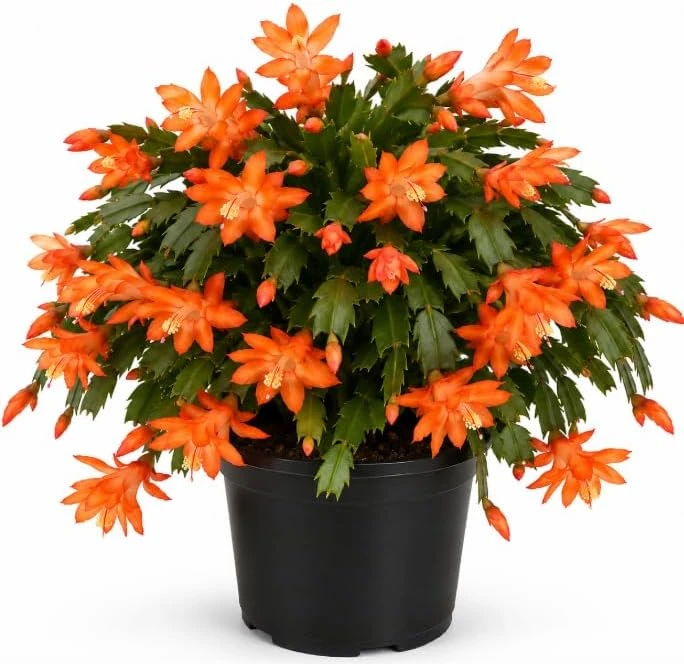
Orange Christmas Cactus Live Plant – Holiday Blooming Succulent 4-6 Inch Tall Indoor Outdoor
Reviews
There are no reviews yet.